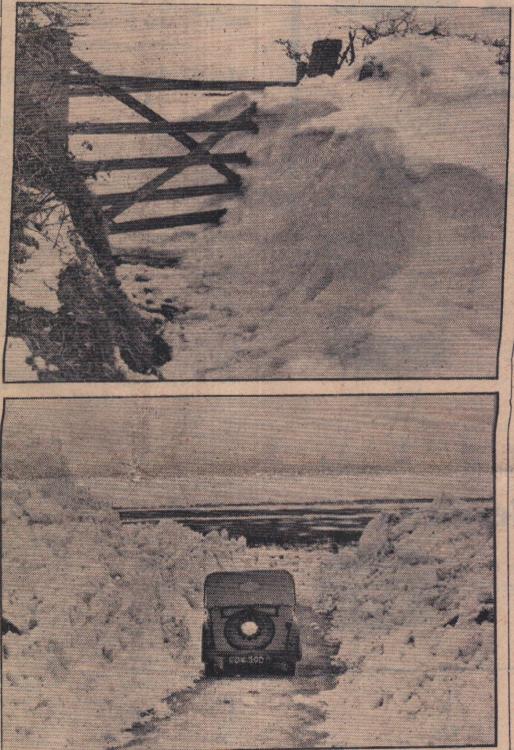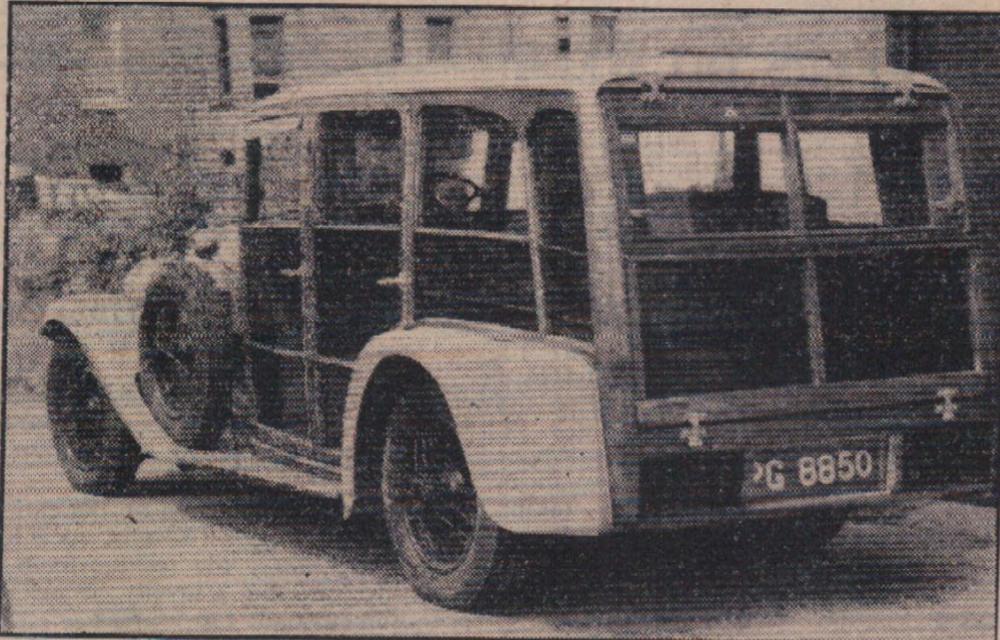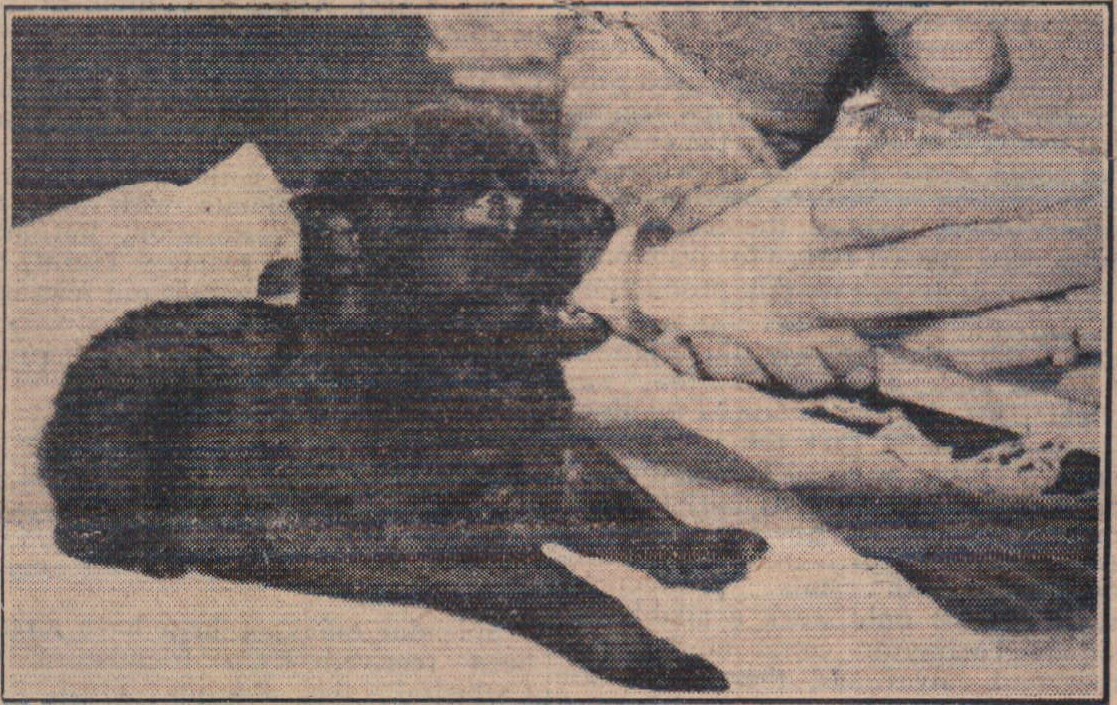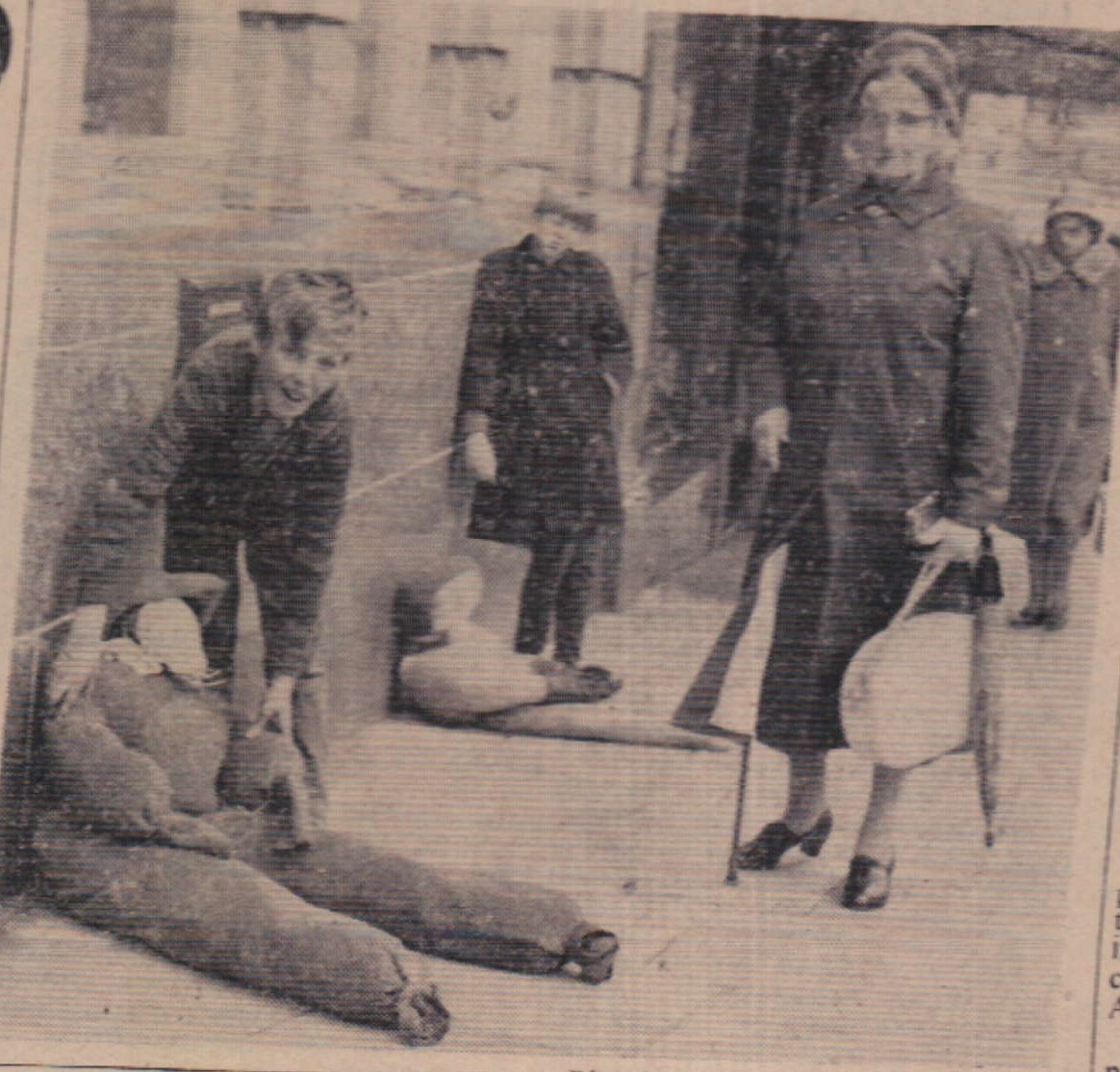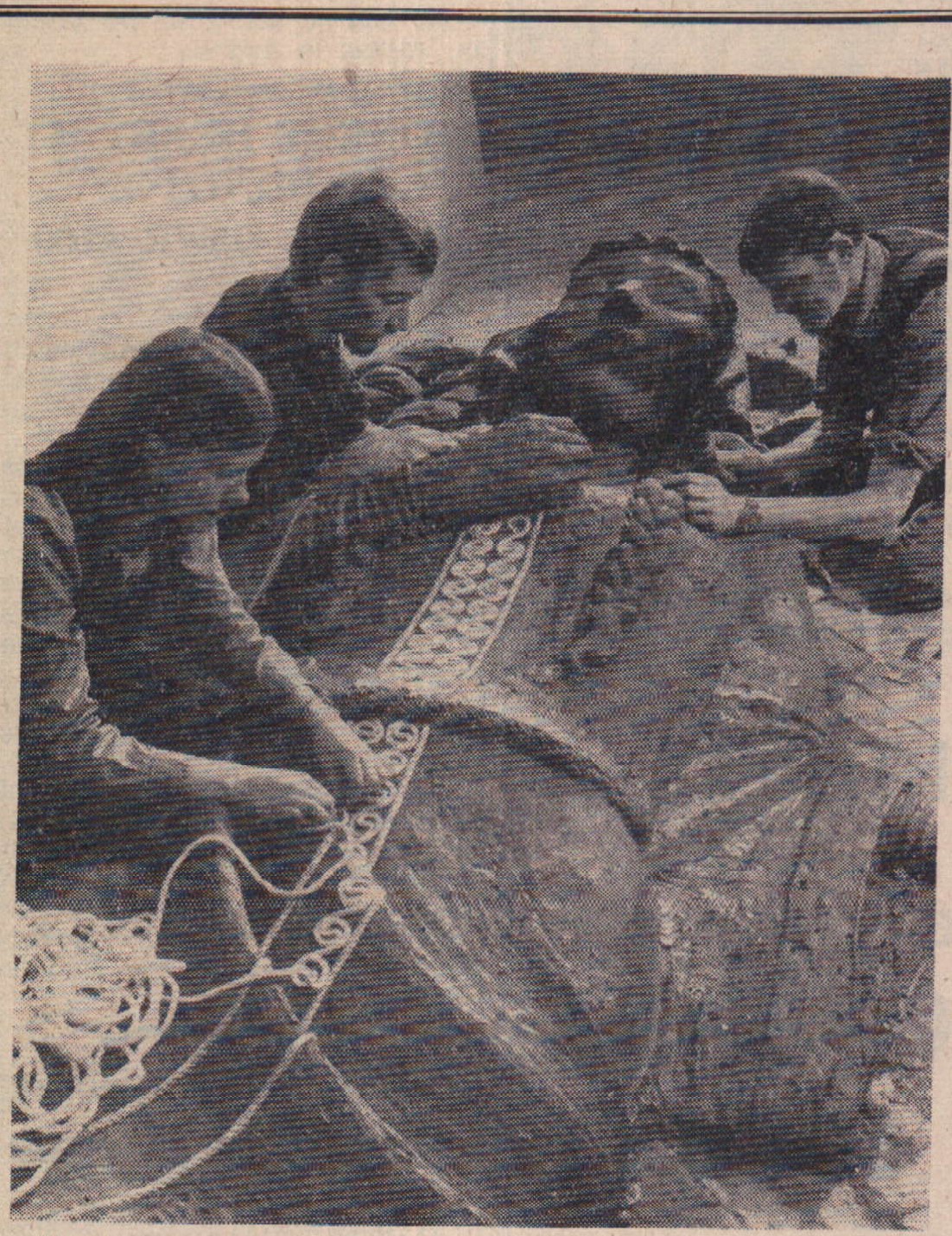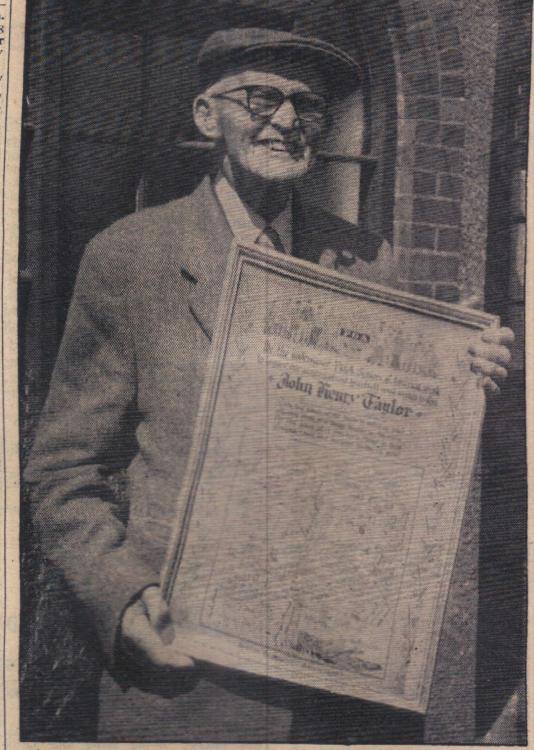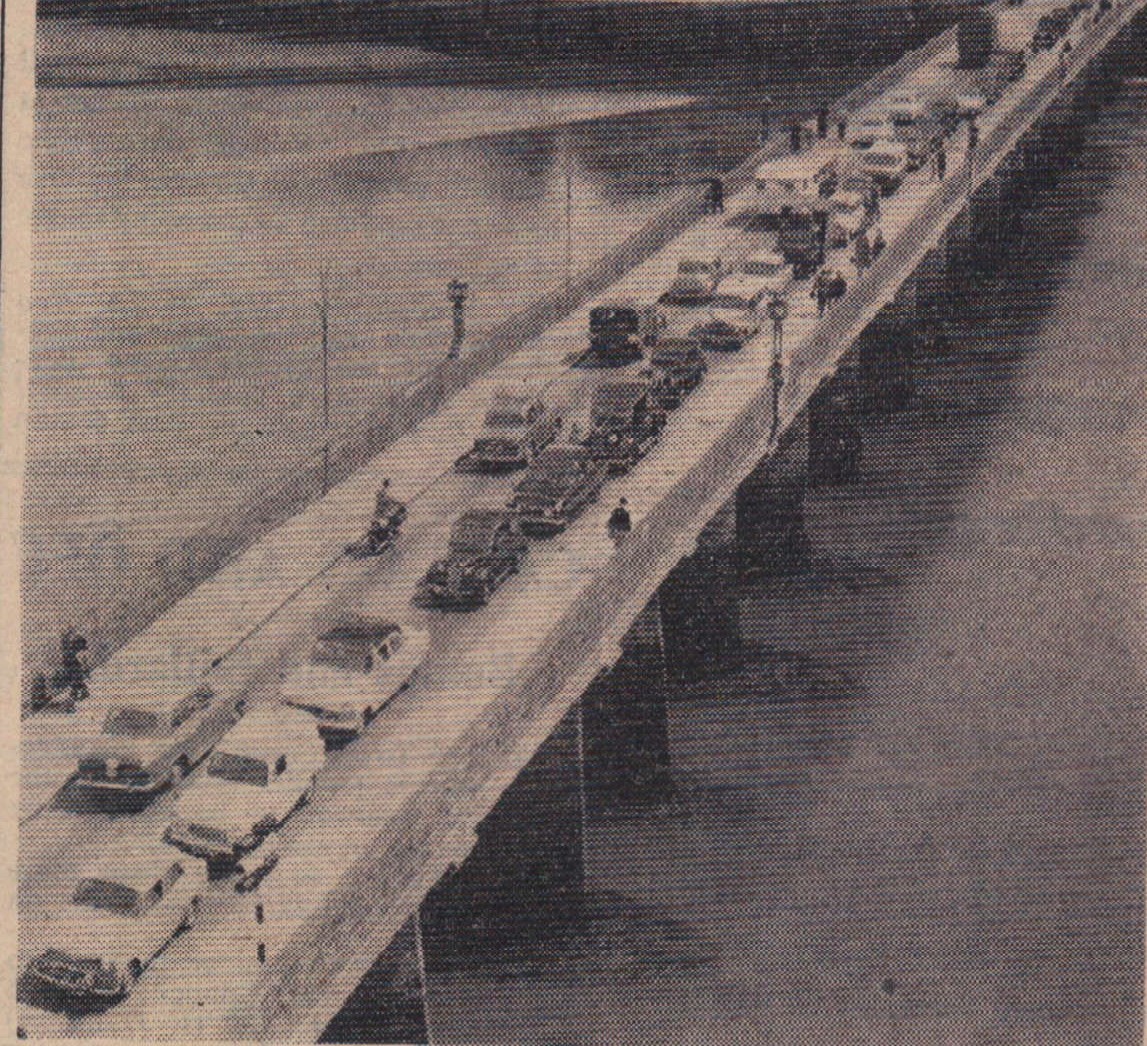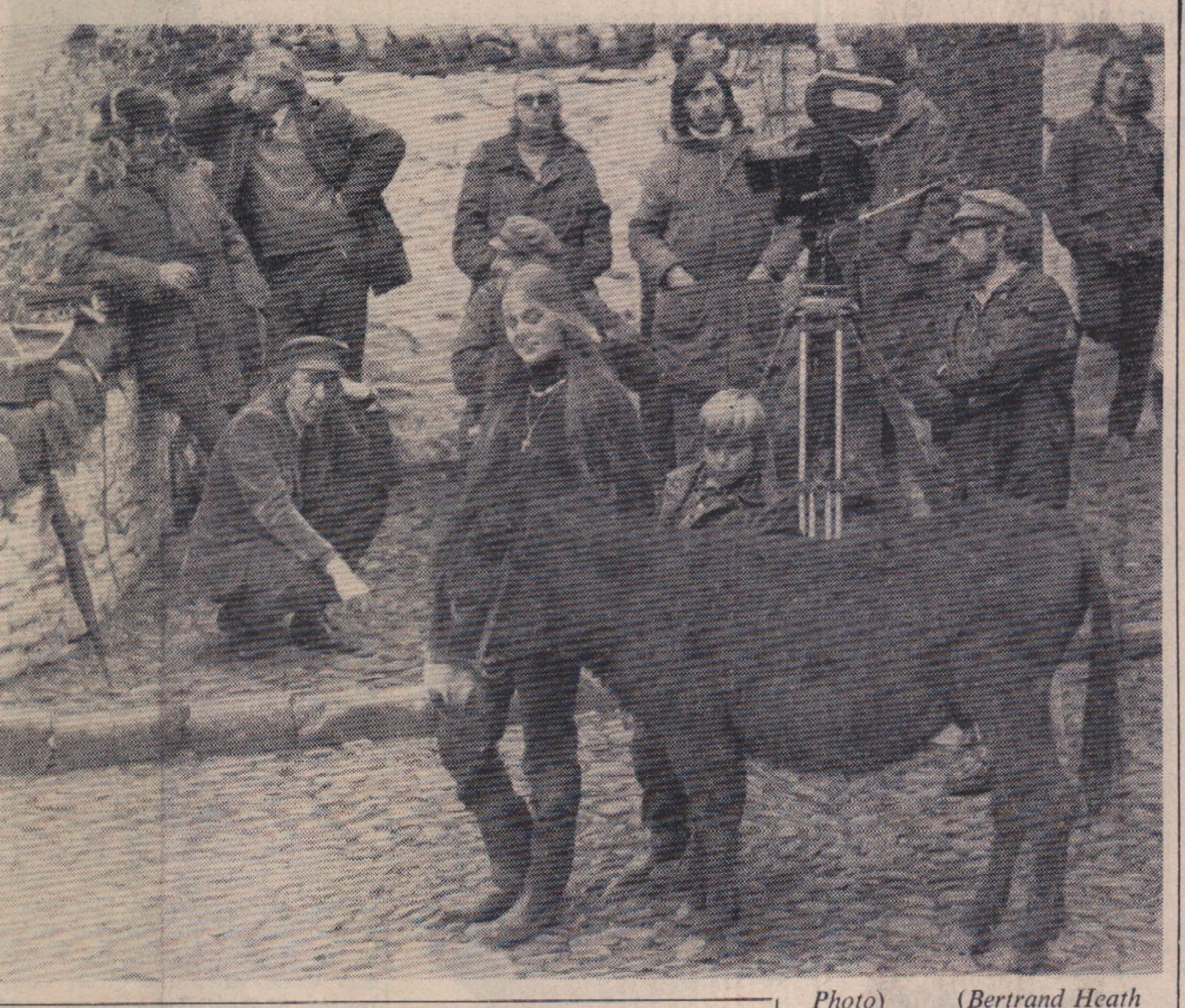
• Welcome to the Bideford & District Community Archive

    Welcome to the Bideford & District Community Archive

    ...The Gazette Newspaper 1856 onwards.

    Read More
  • Welcome to the Bideford & District Community Archive

    Welcome to the Bideford & District Community Archive

    ...The Gazette Newspaper 1856 onwards.

    Read More
  • 1
  • 2
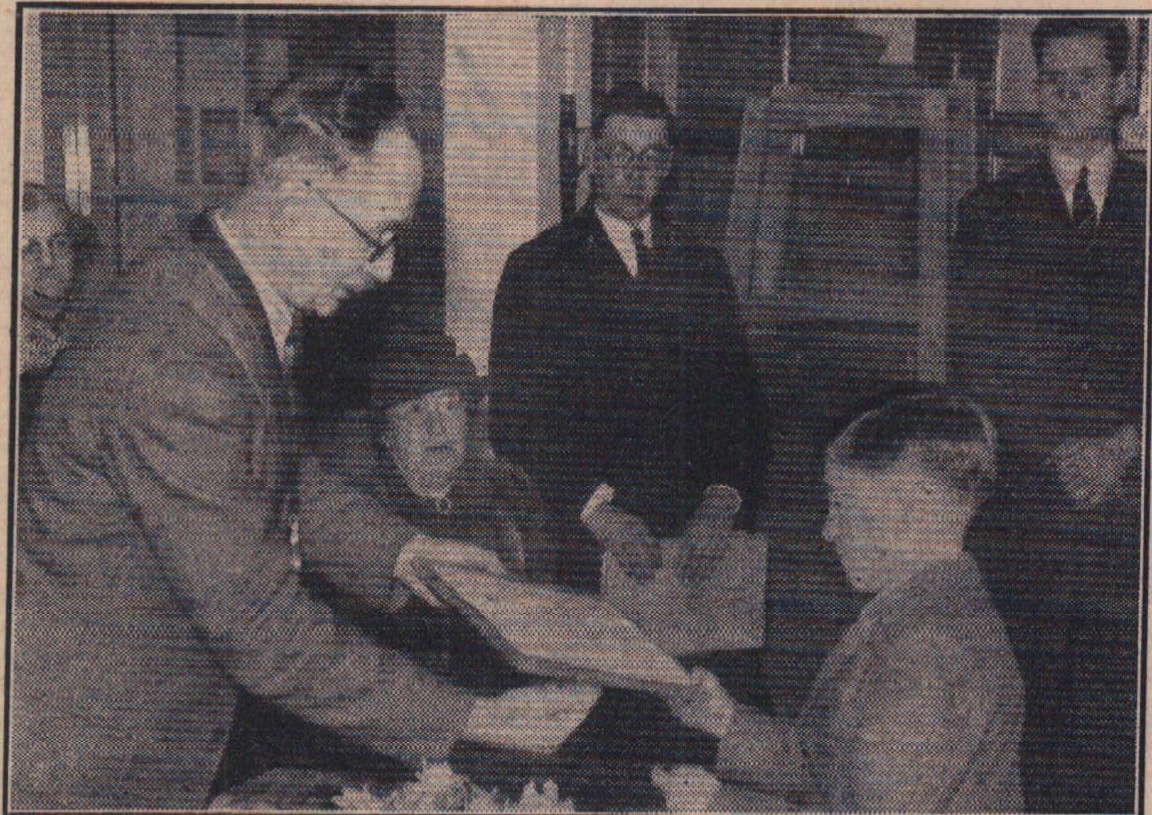
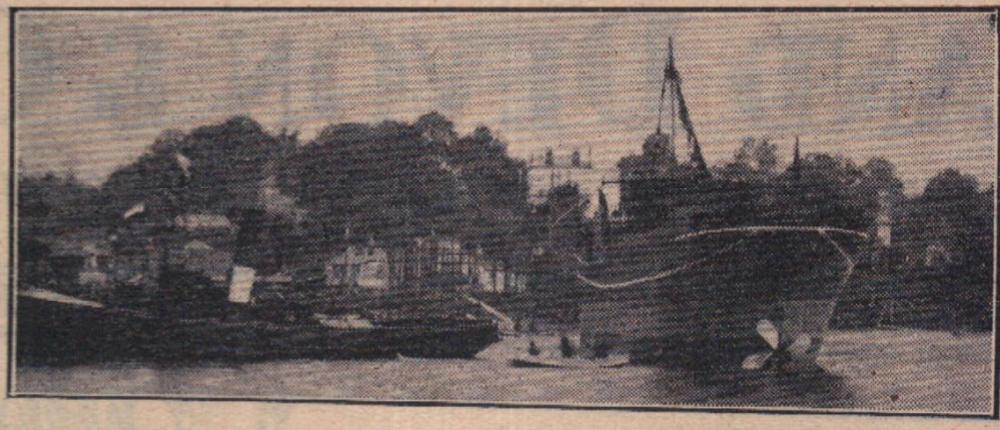
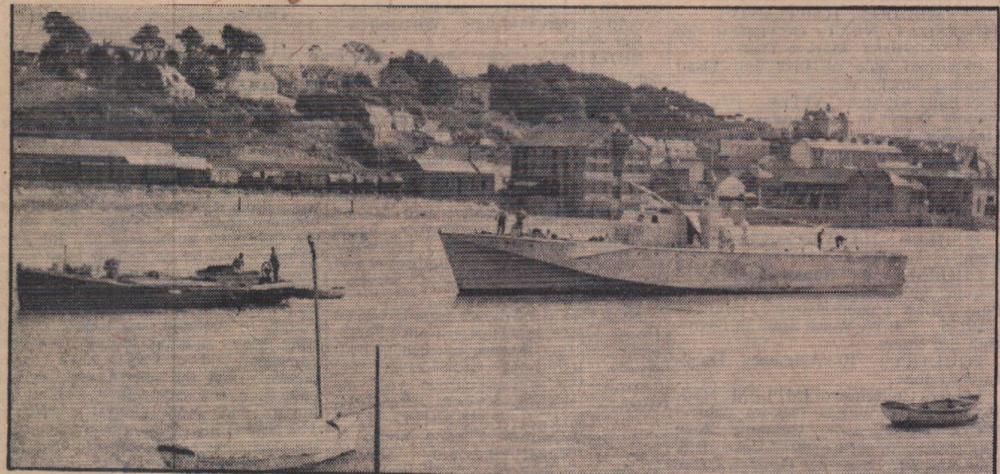
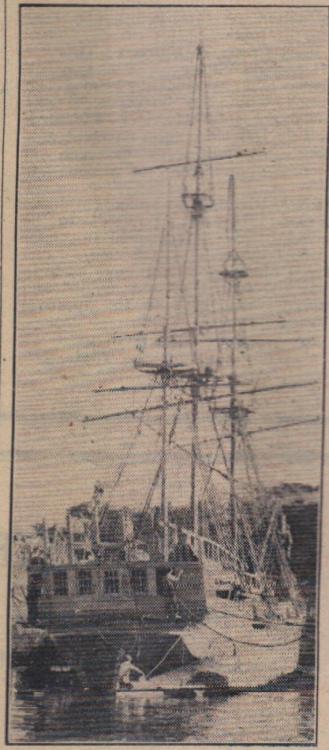
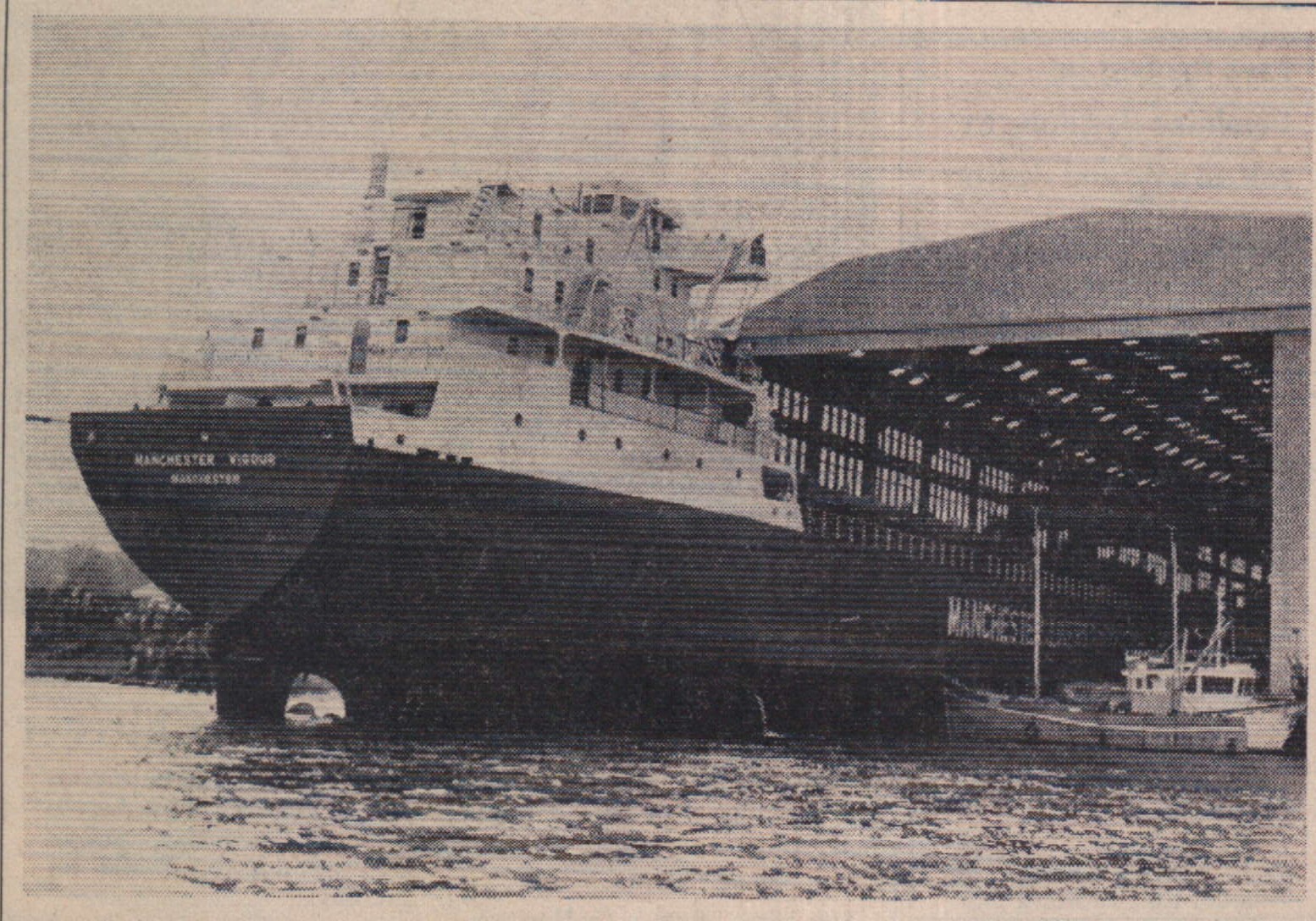
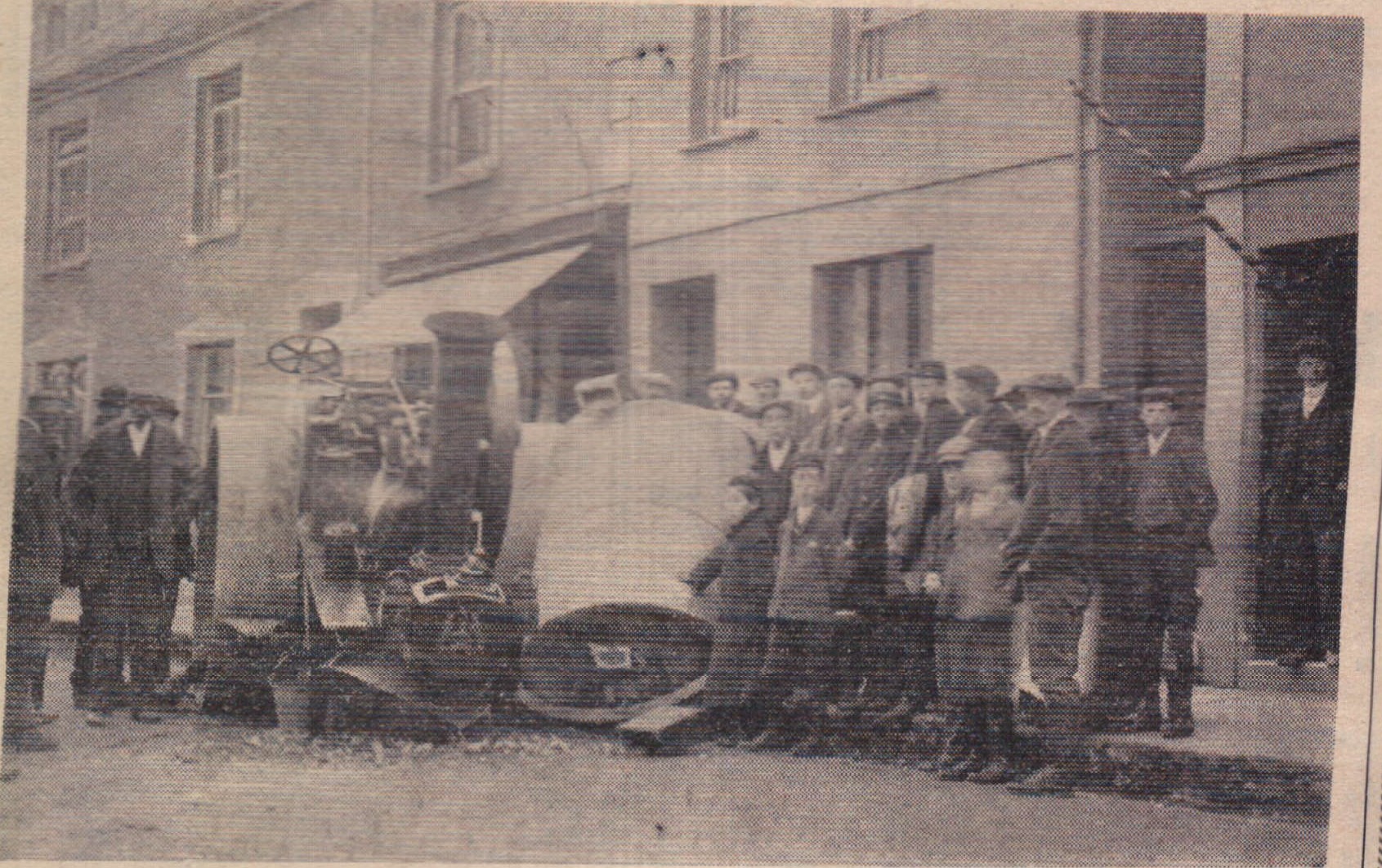
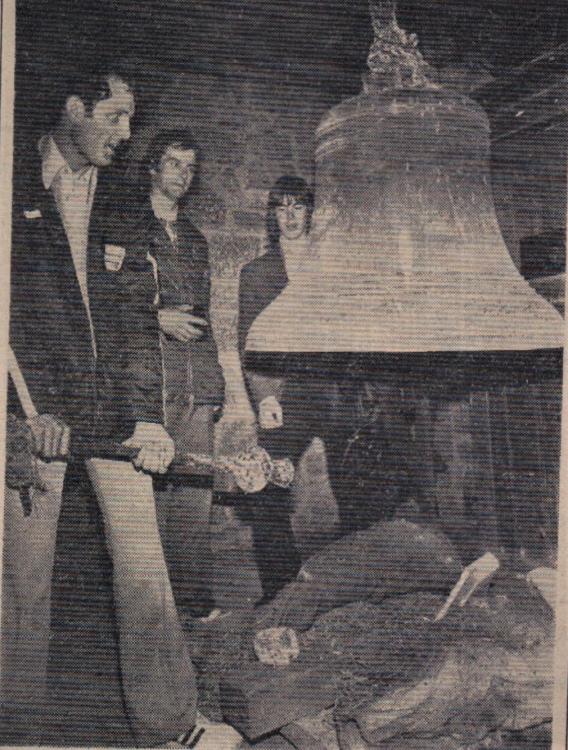
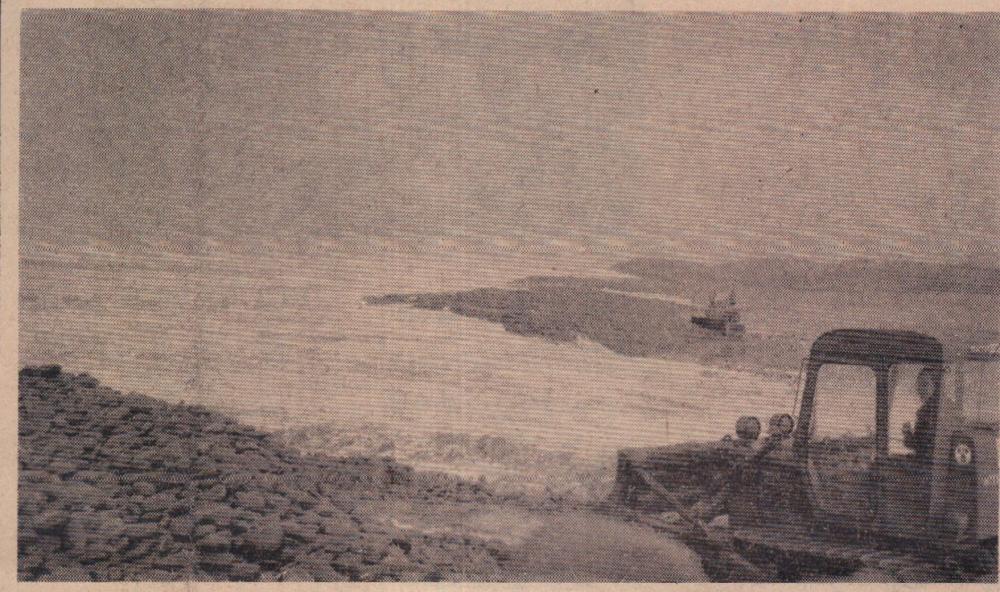
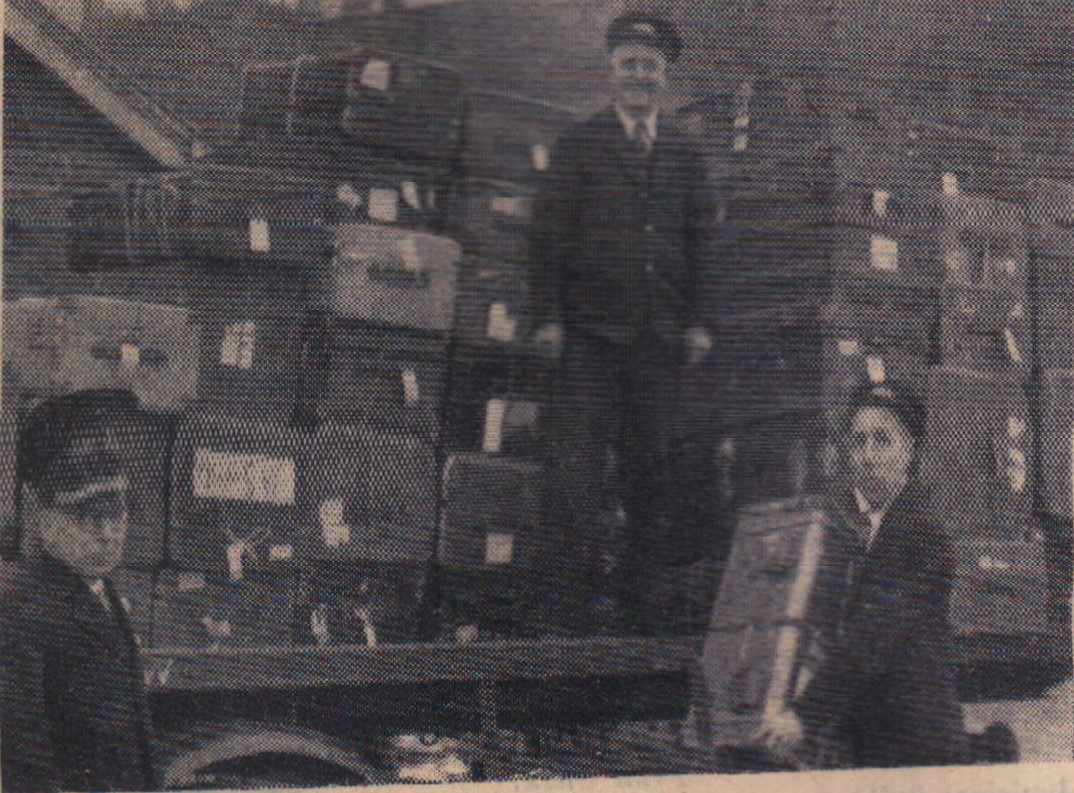
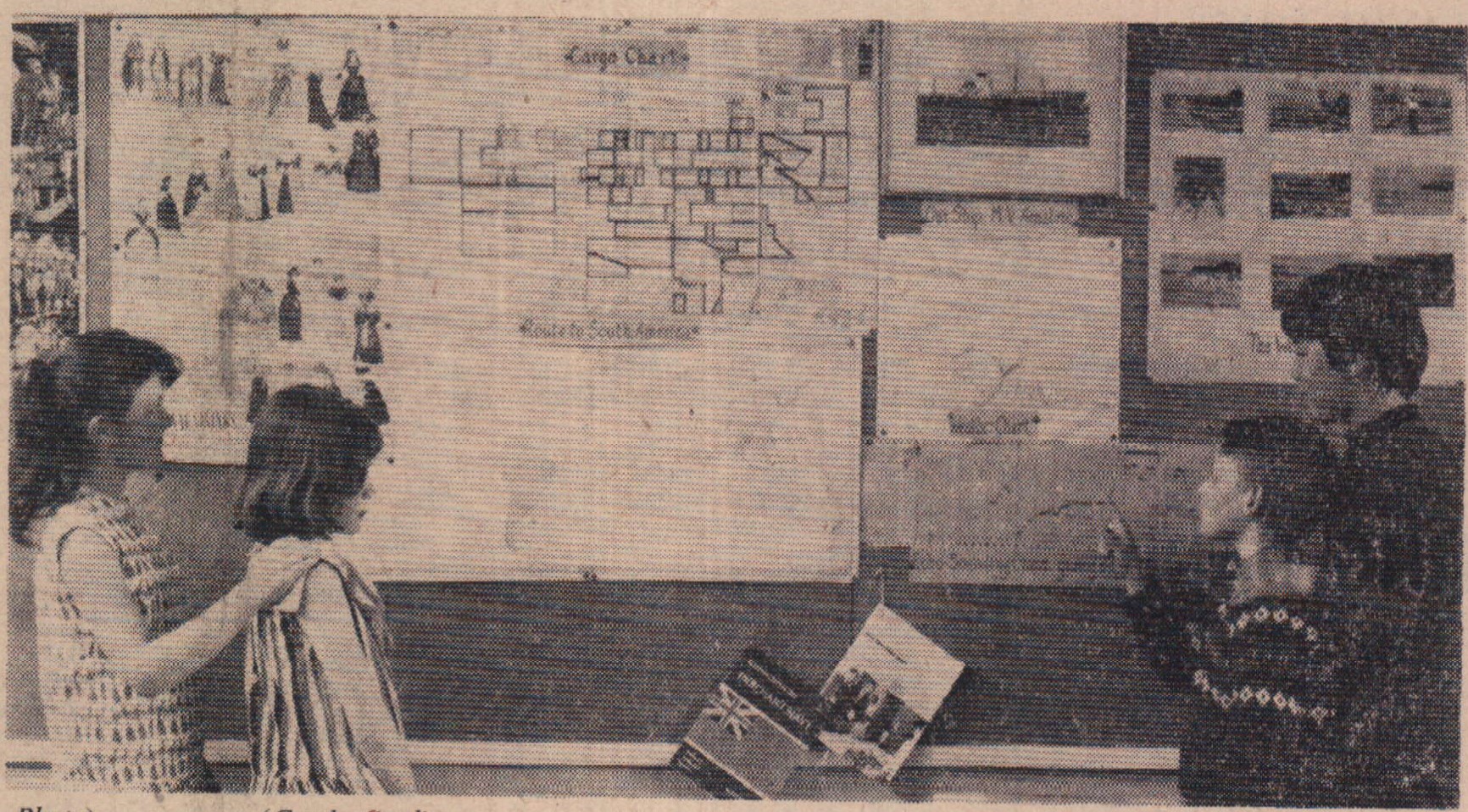
  • 1 School's link with cargo ship

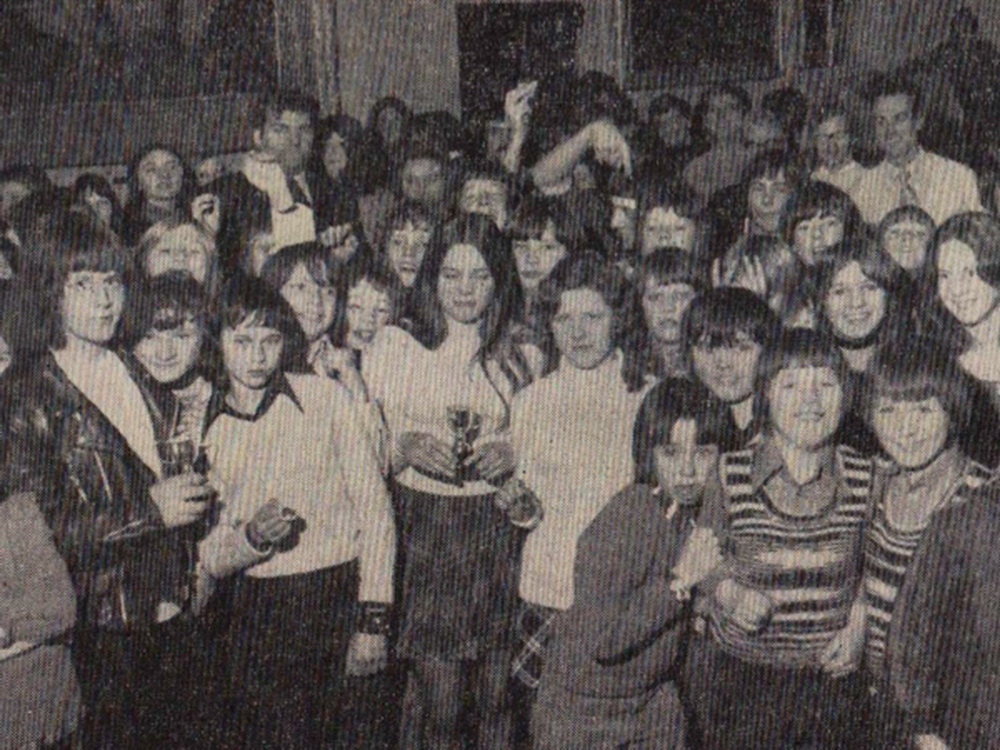
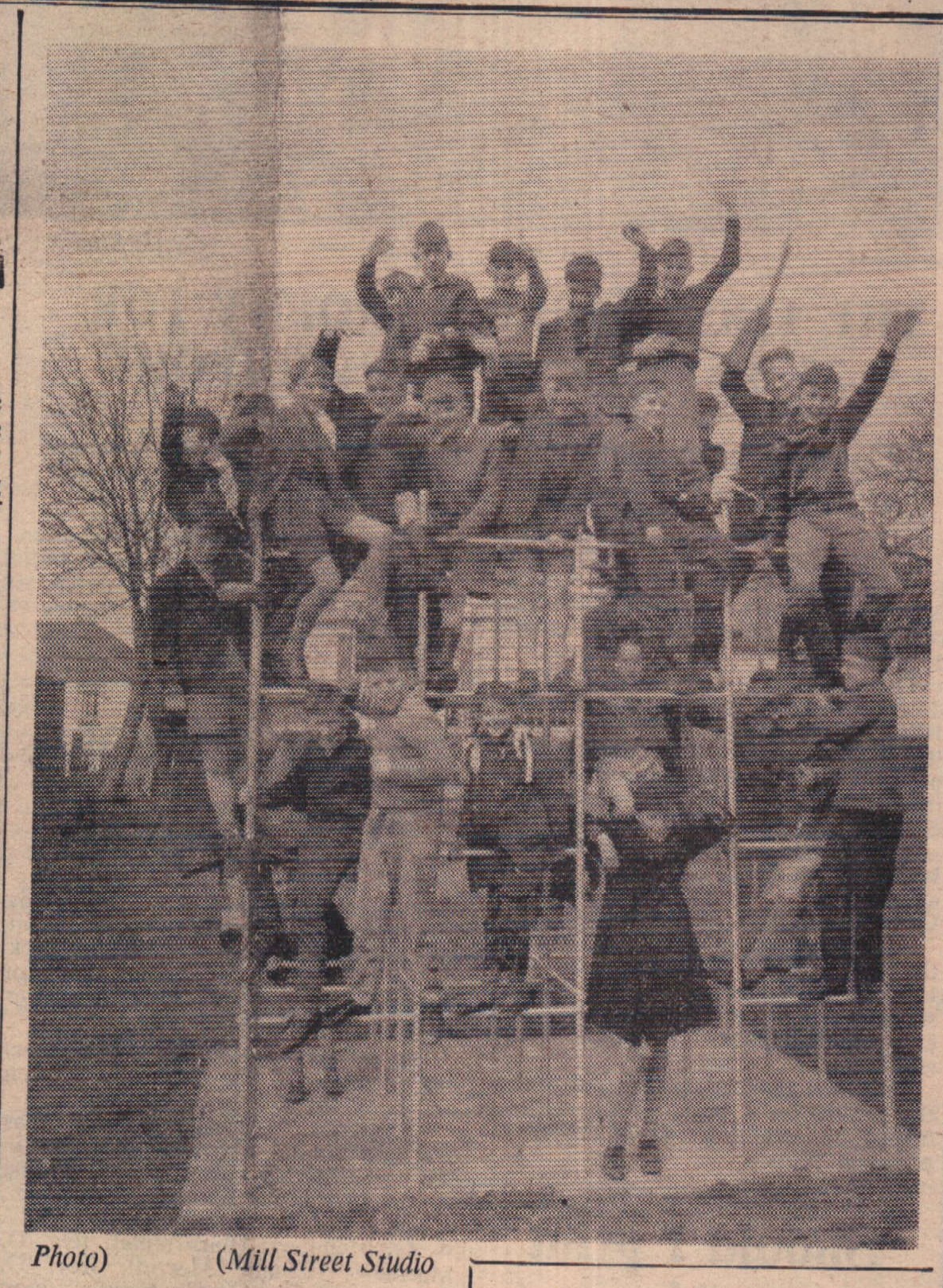
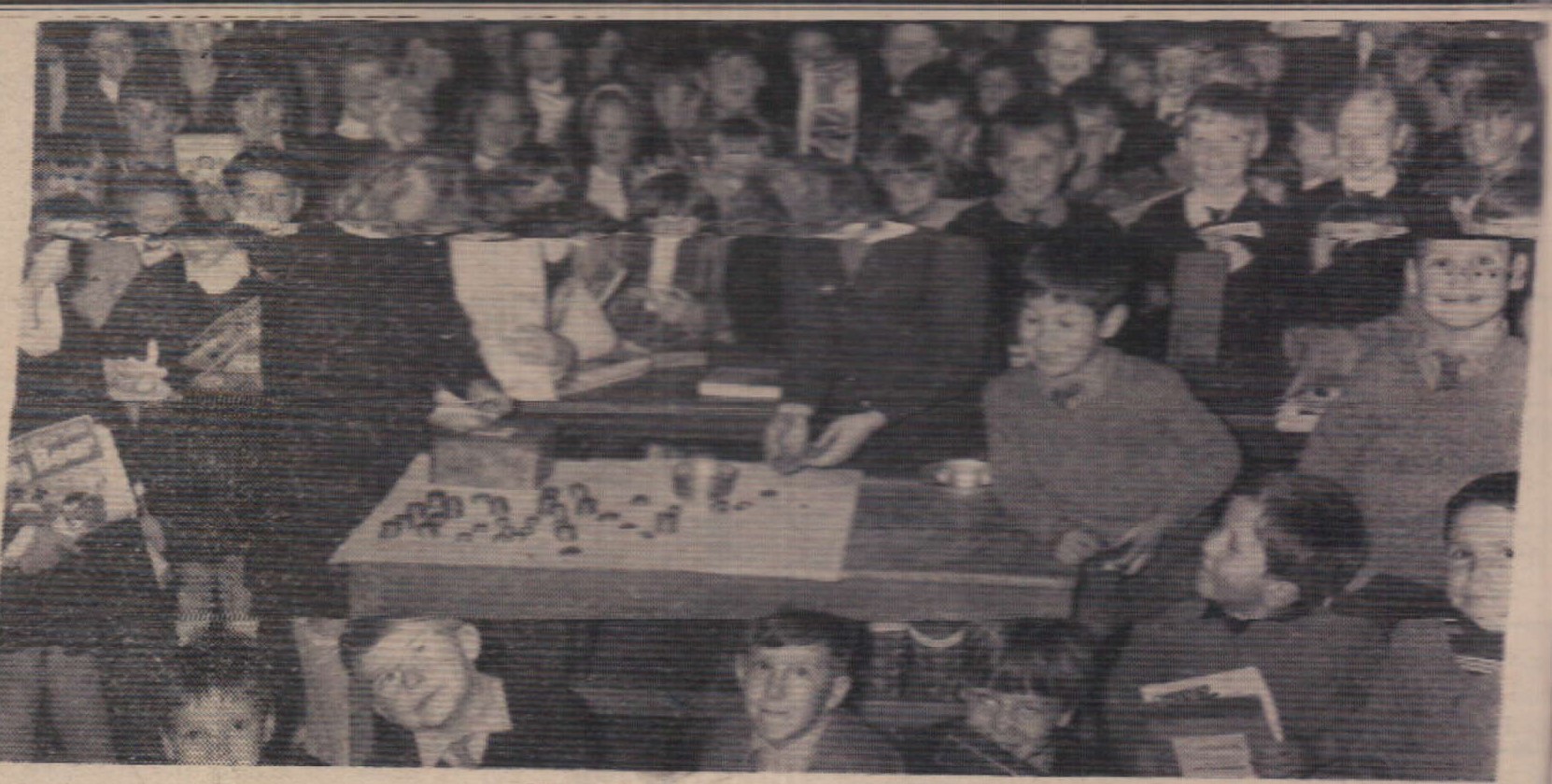
  • 2 Torrington Youth Club rewarded by party
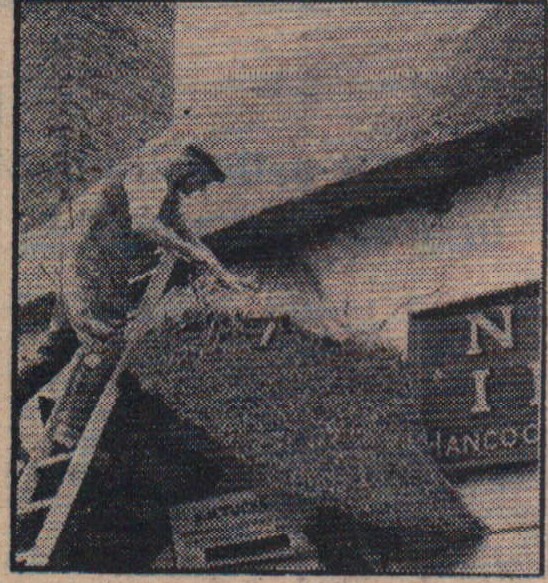
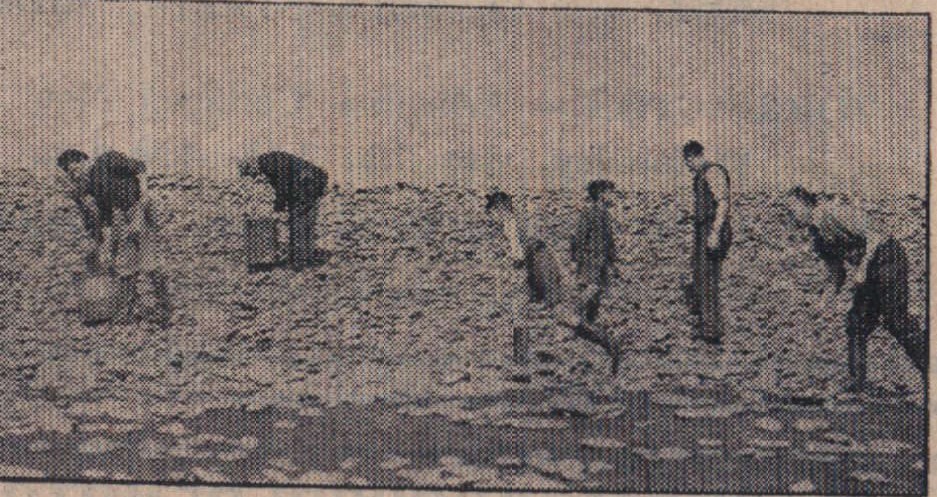
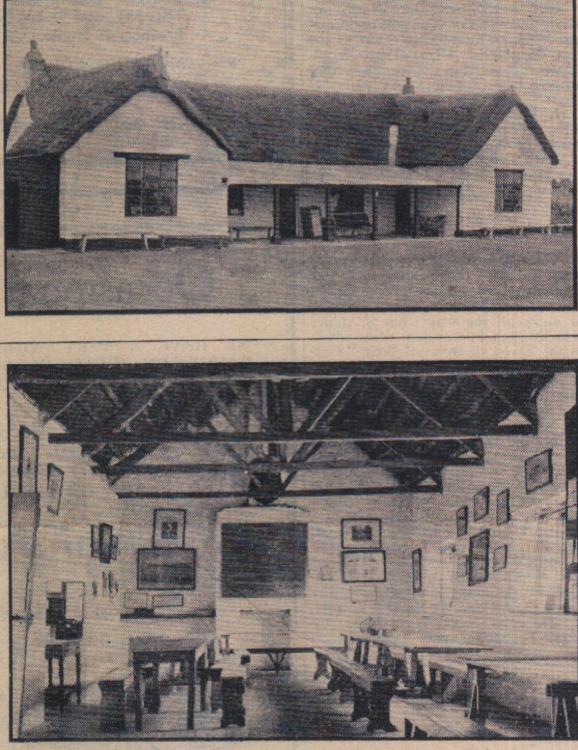
  • 3 The art of the thatcher

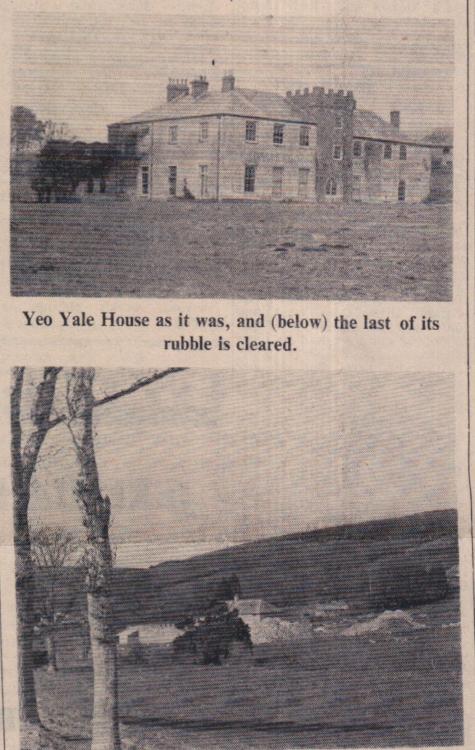
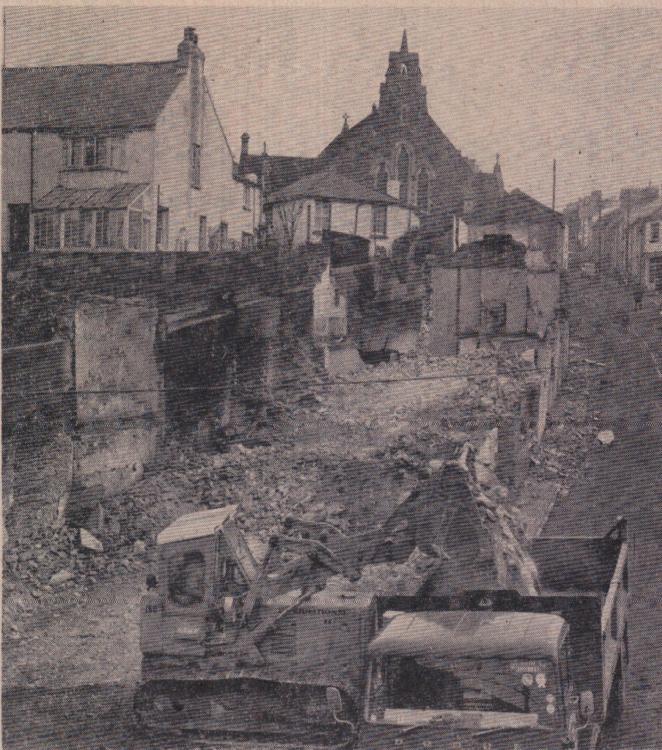
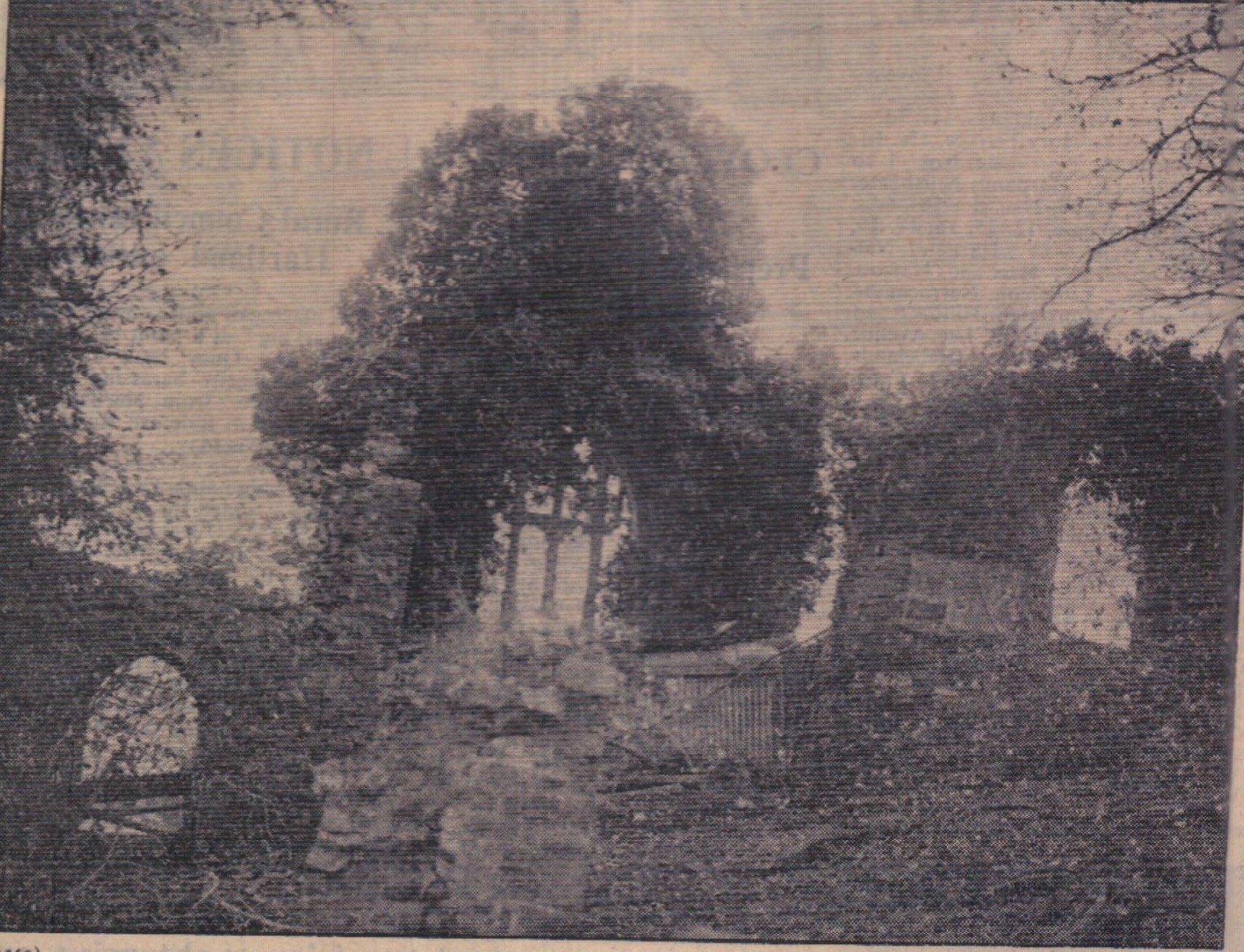
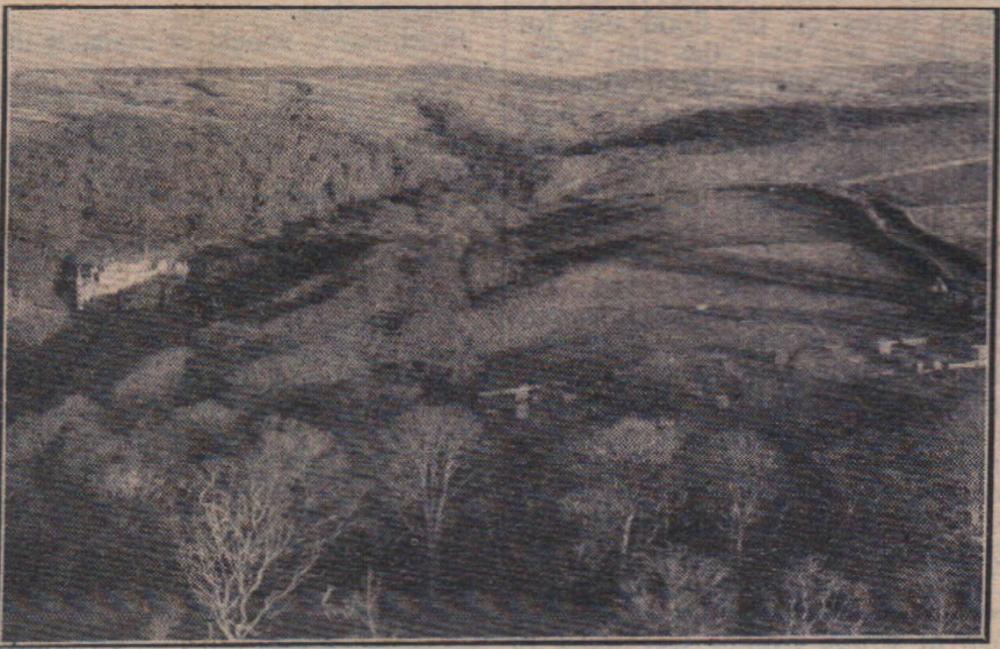
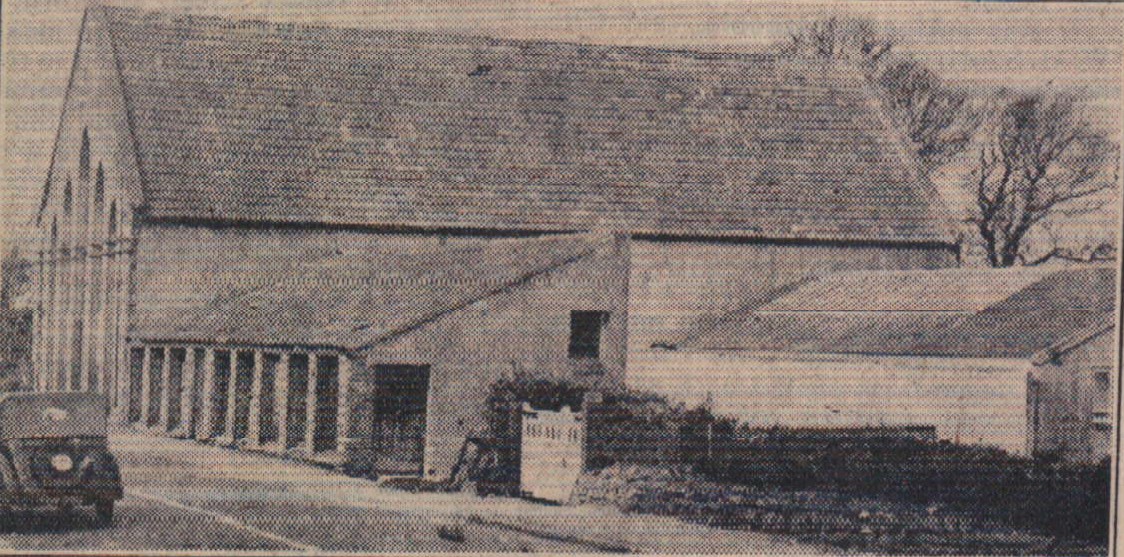
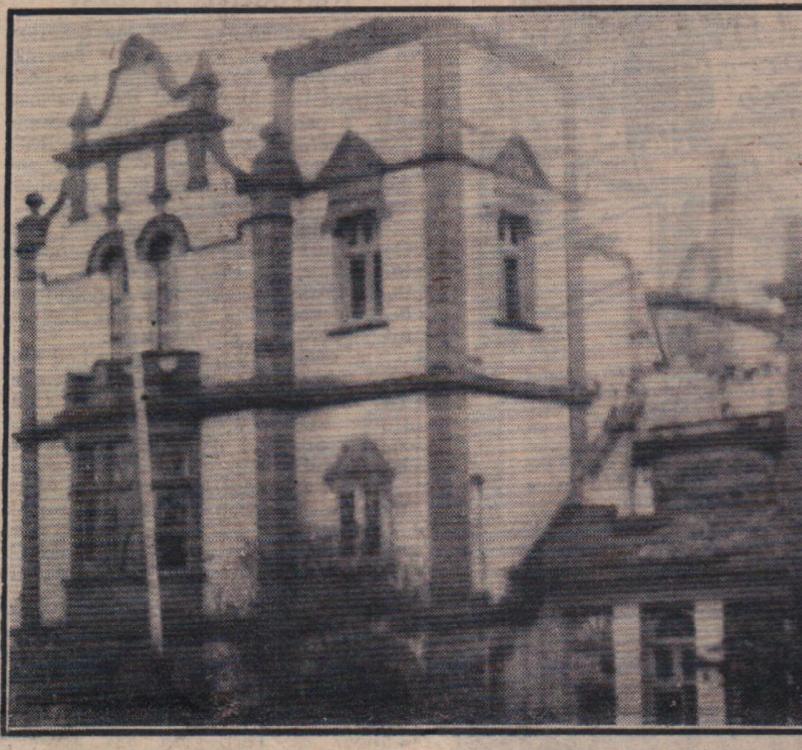
  • 4 Yeoi Vale House finally demolished

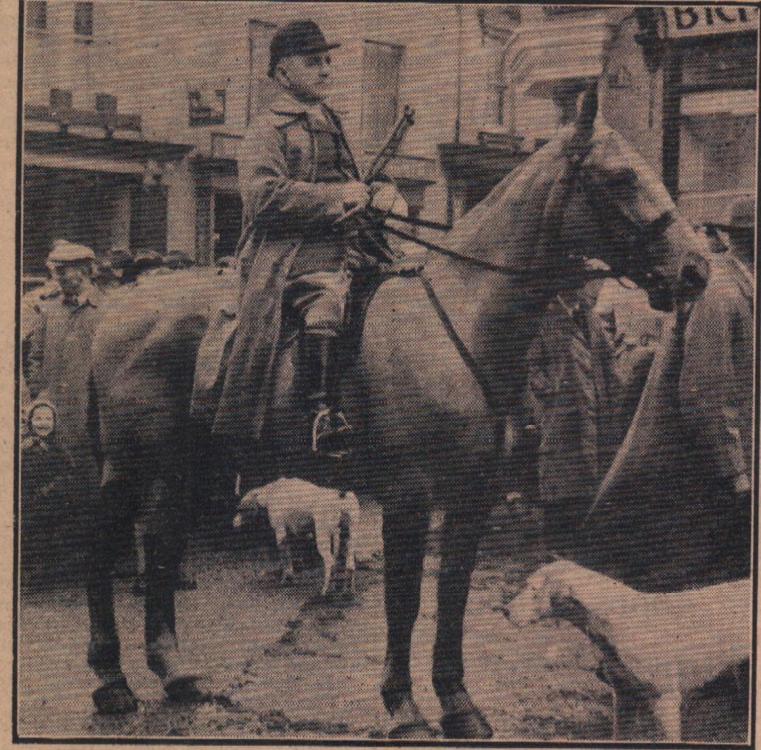
  • 5 Still hunting aged 80 and a Field Master

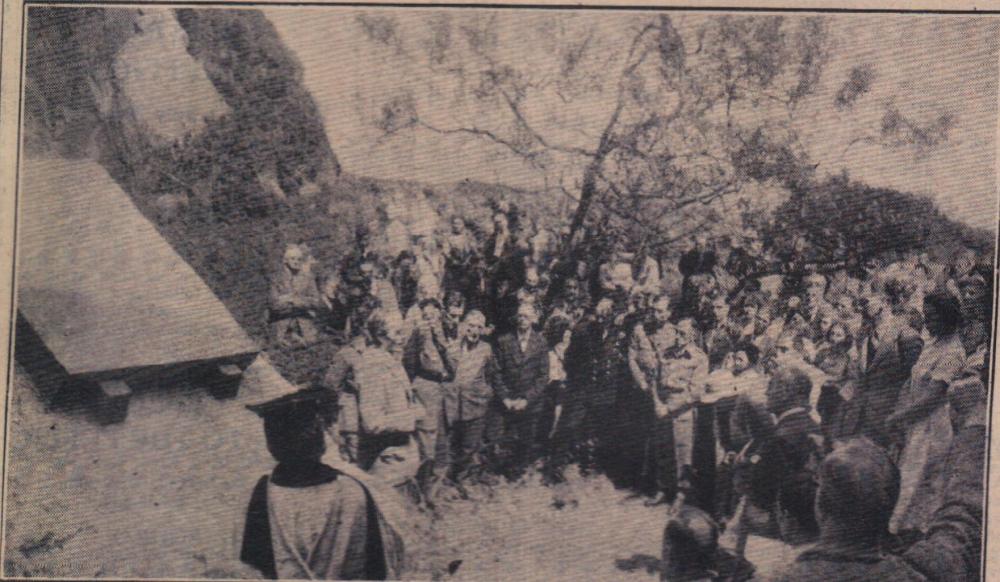
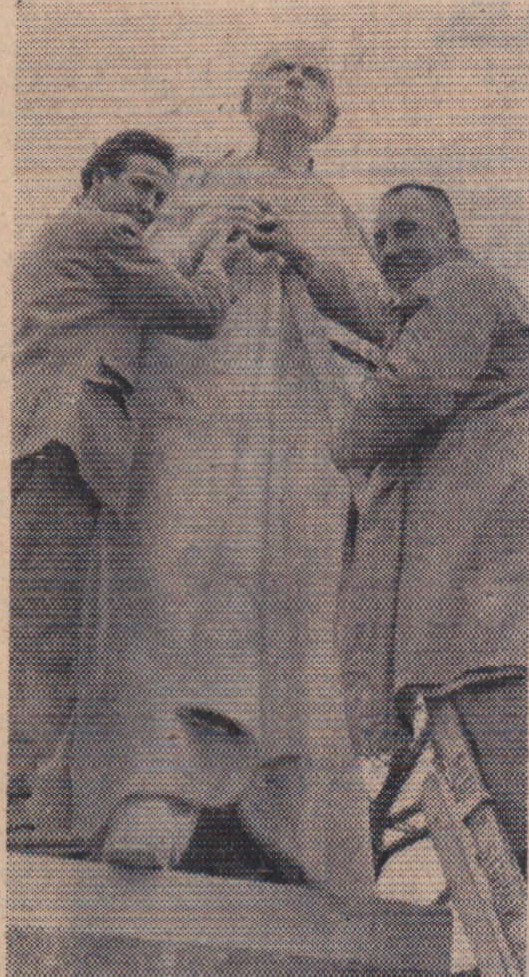
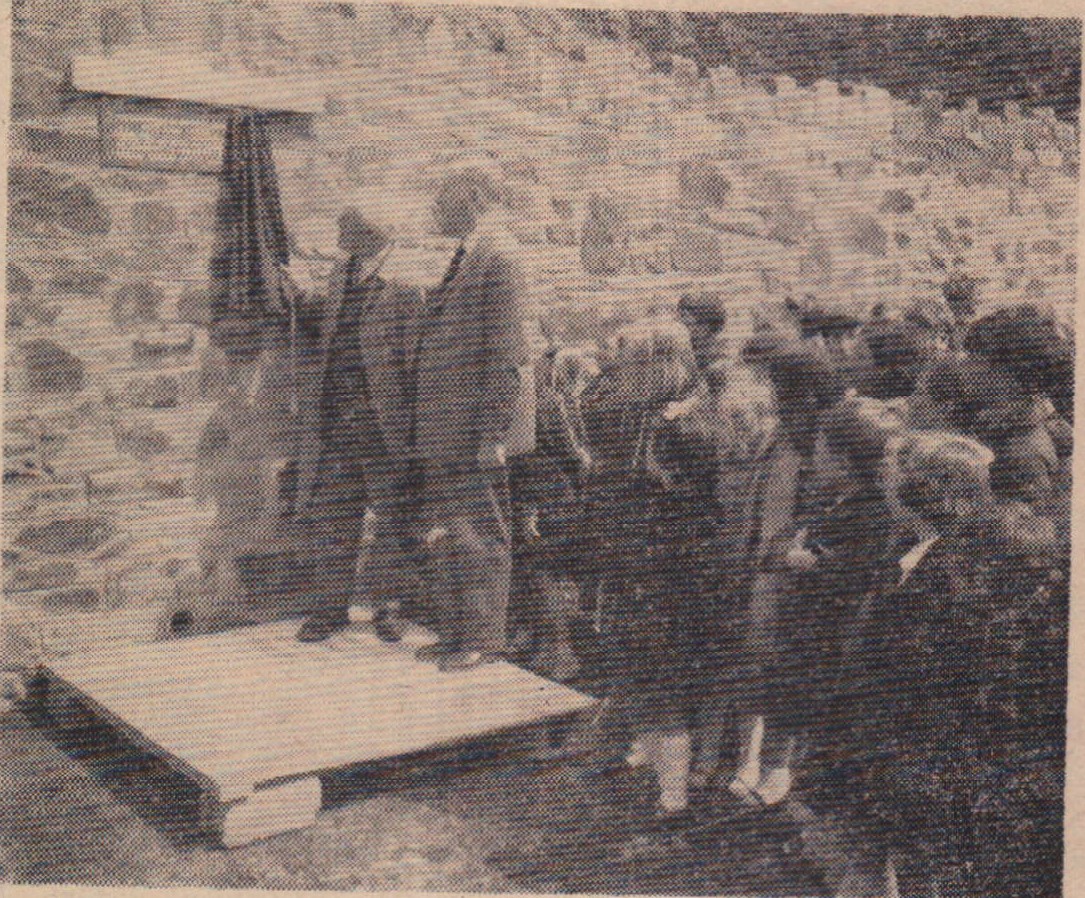
  • 6 Lundy memorial to John Pennington Harman V.C.

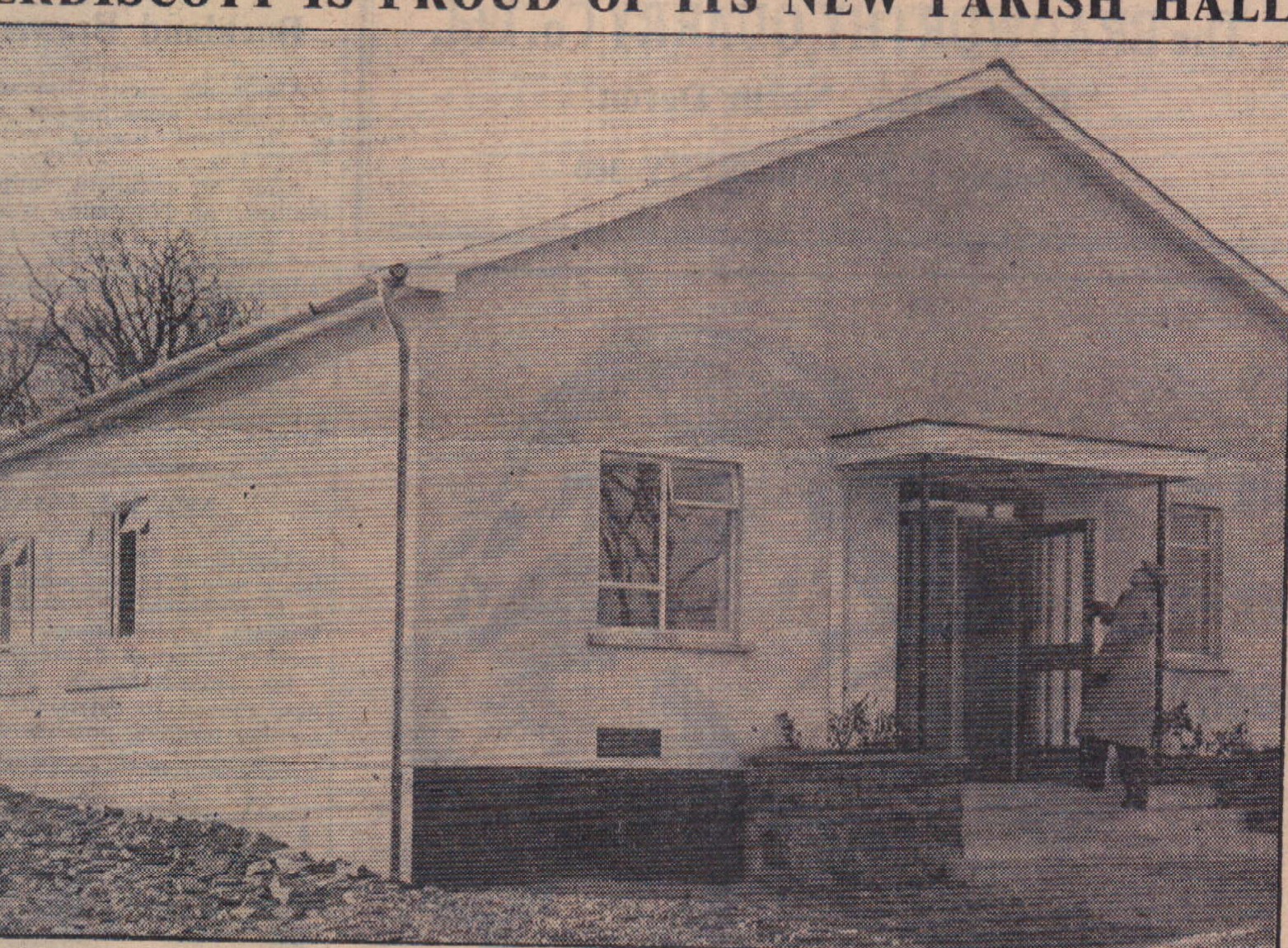
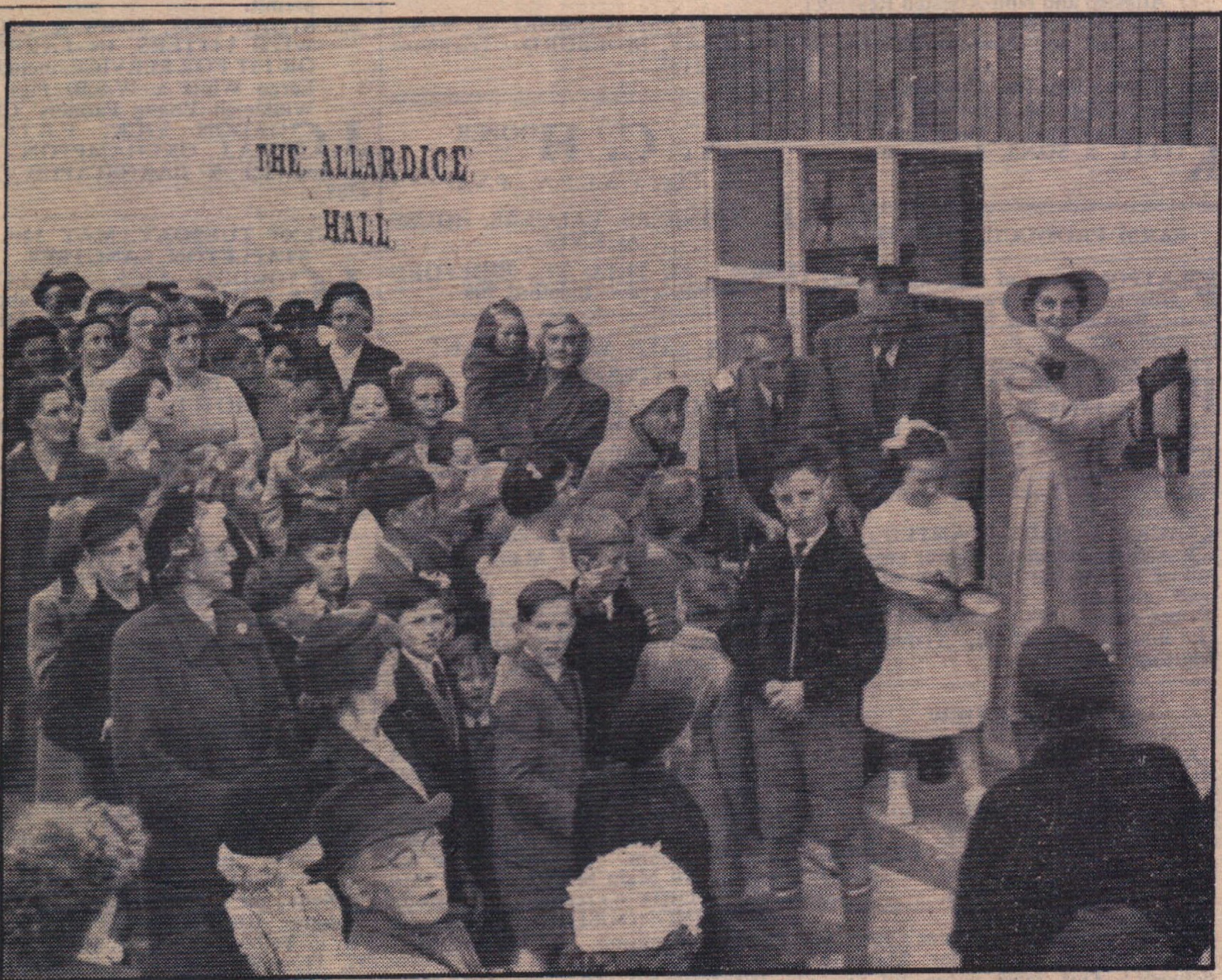
  • 7 Alverdiscott is proud of its new parish hall

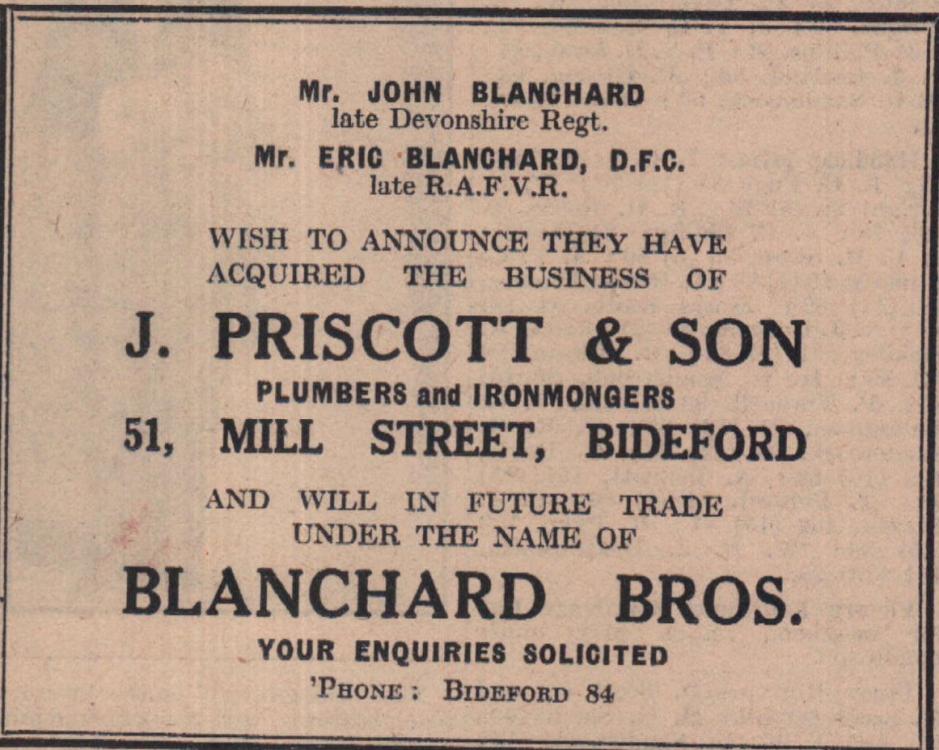
  • 8 Blanchards ad.>
  • 9 North Devon author featured in TV documentary

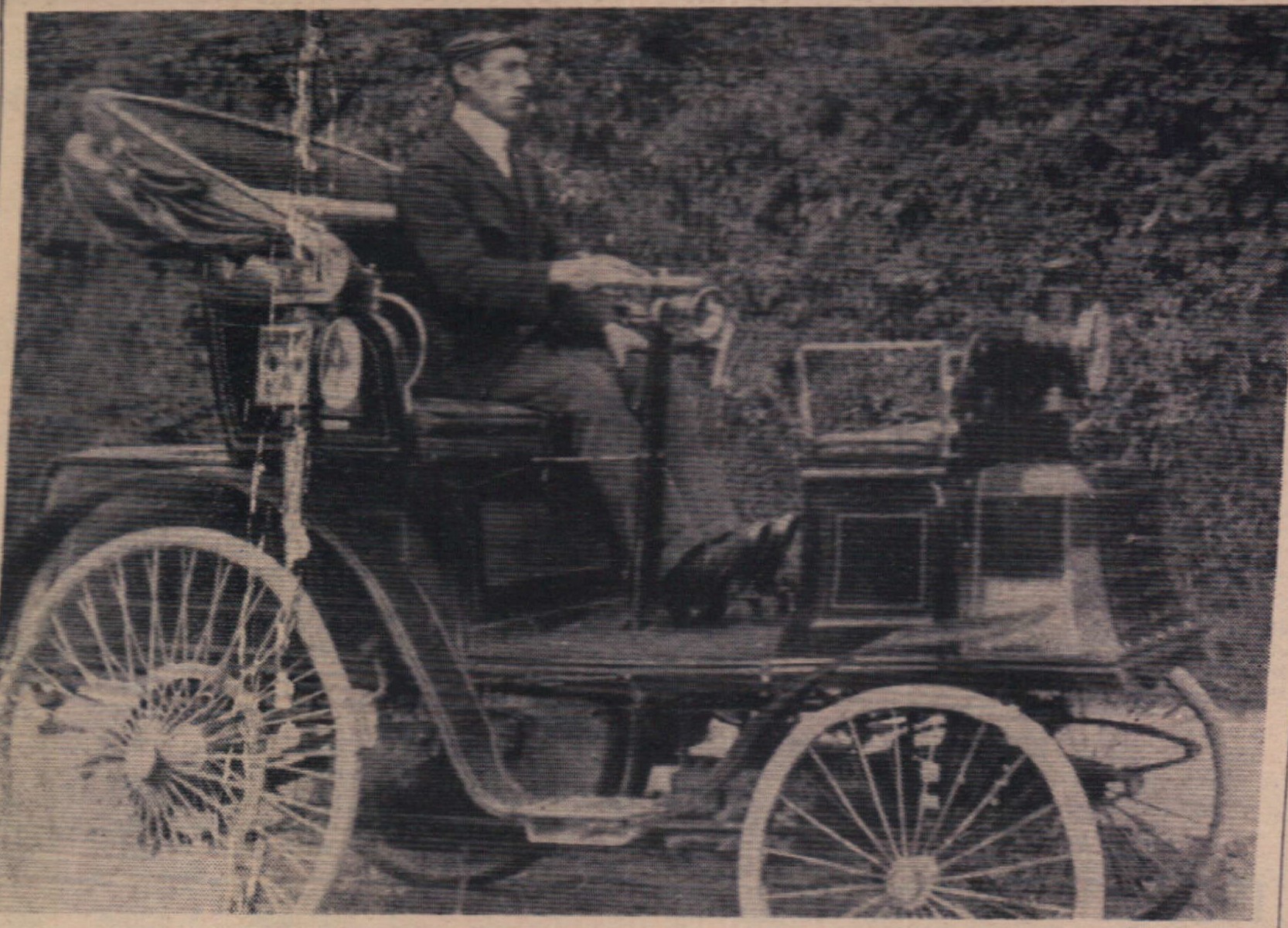
  • 10 Photo of town's first car wins prize
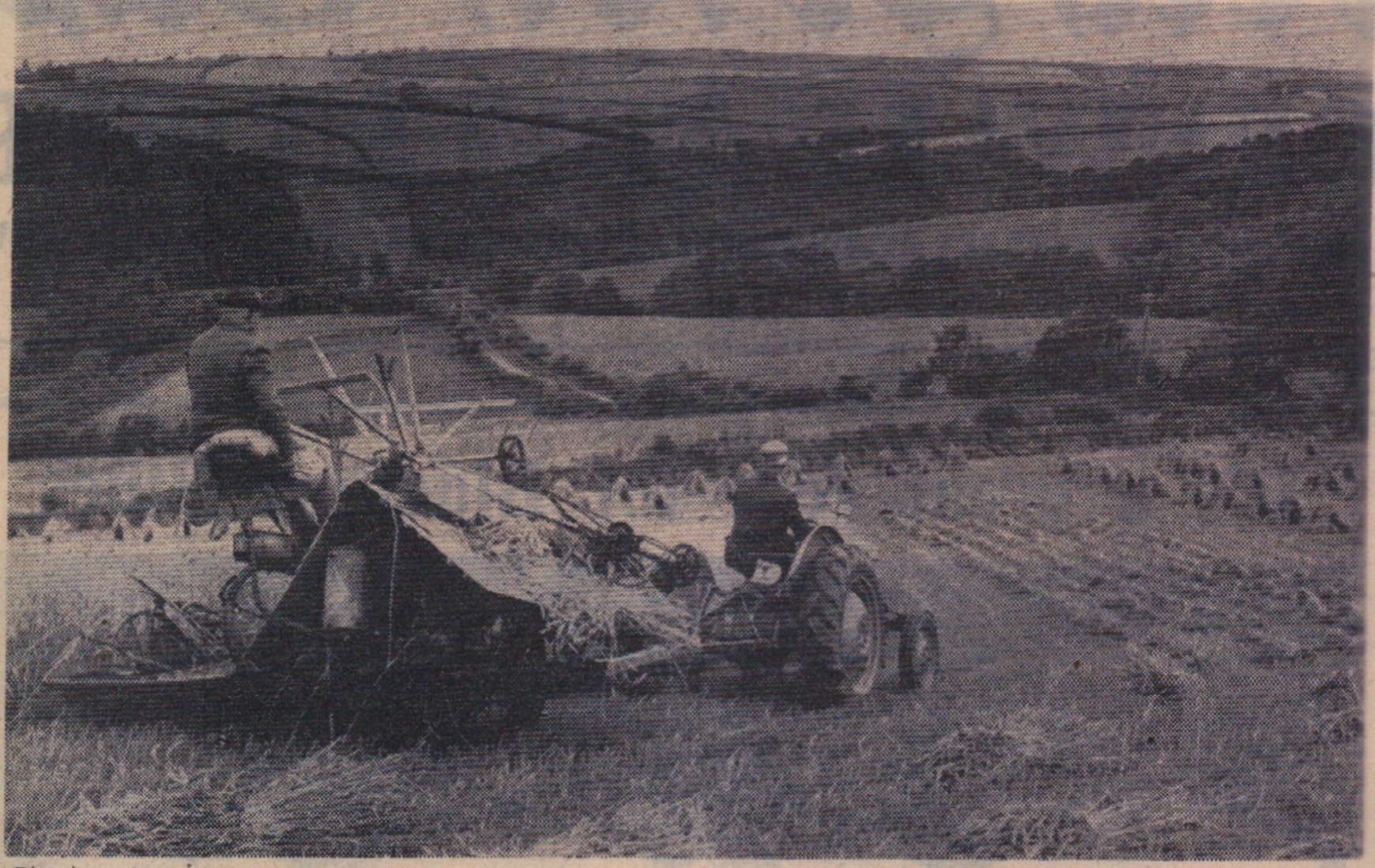
  • 11 One of the luckier farmers in getting in the problem harvest

  • 12 Torridge wins on time schedule

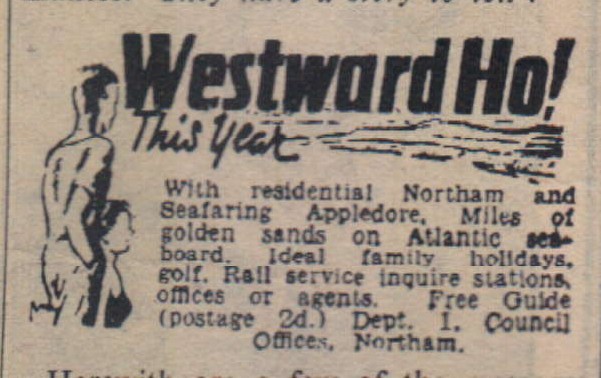
  • 13 Westward Ho! combined op

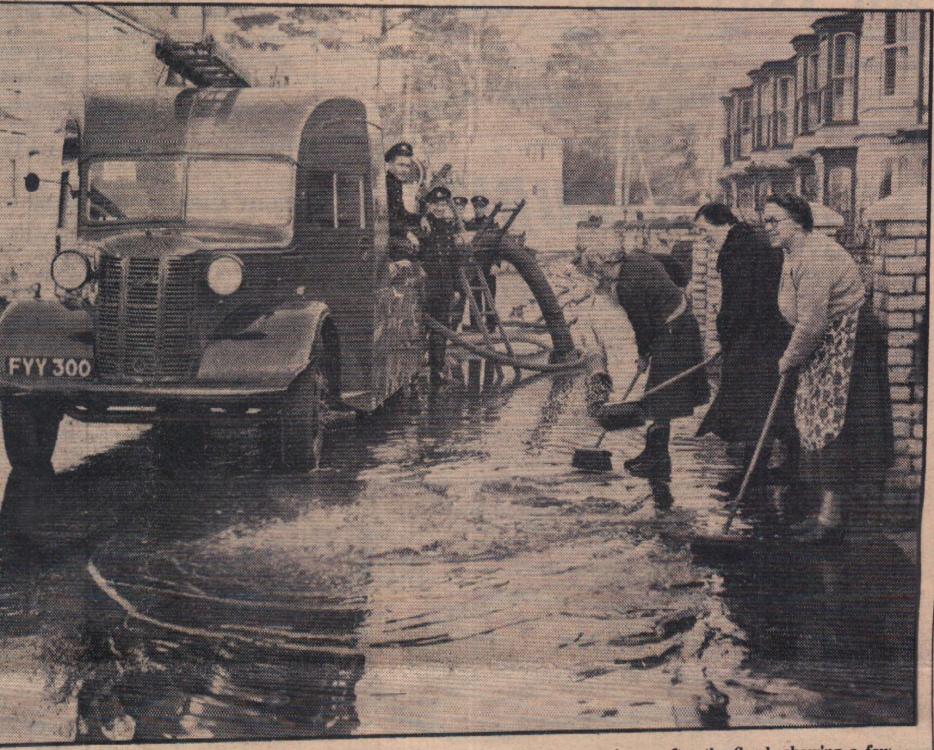
  • 14 He beat the floods

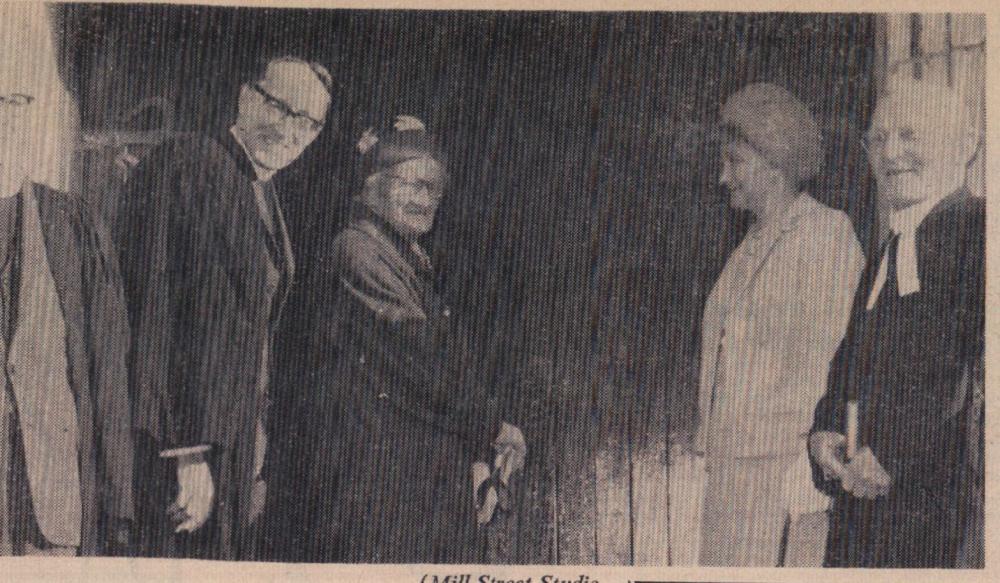
  • 15 Church renovation rejoicing at Northam
  • 16

    First prize
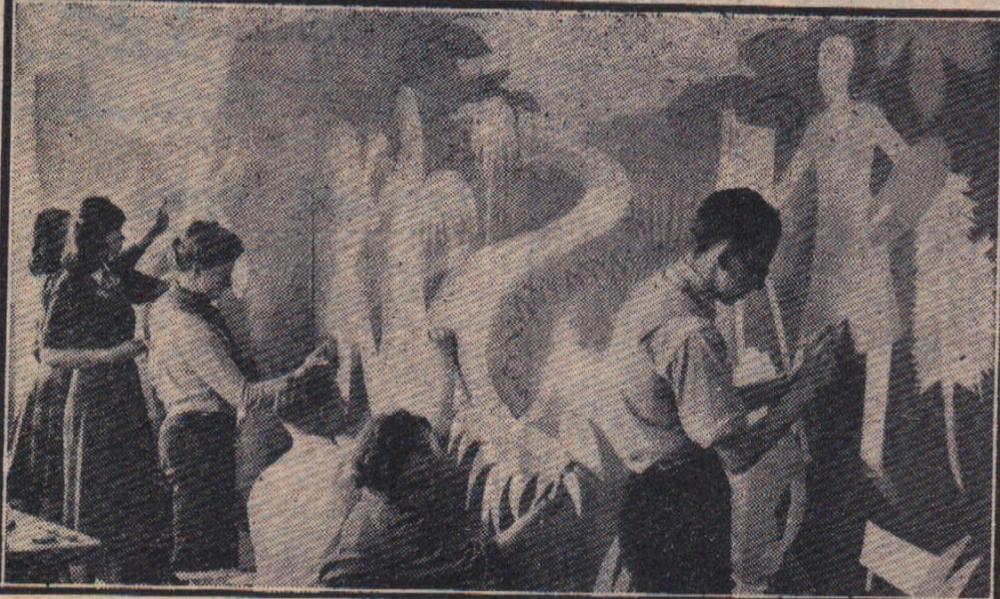
  • 17 Mural in the whimsical fashion

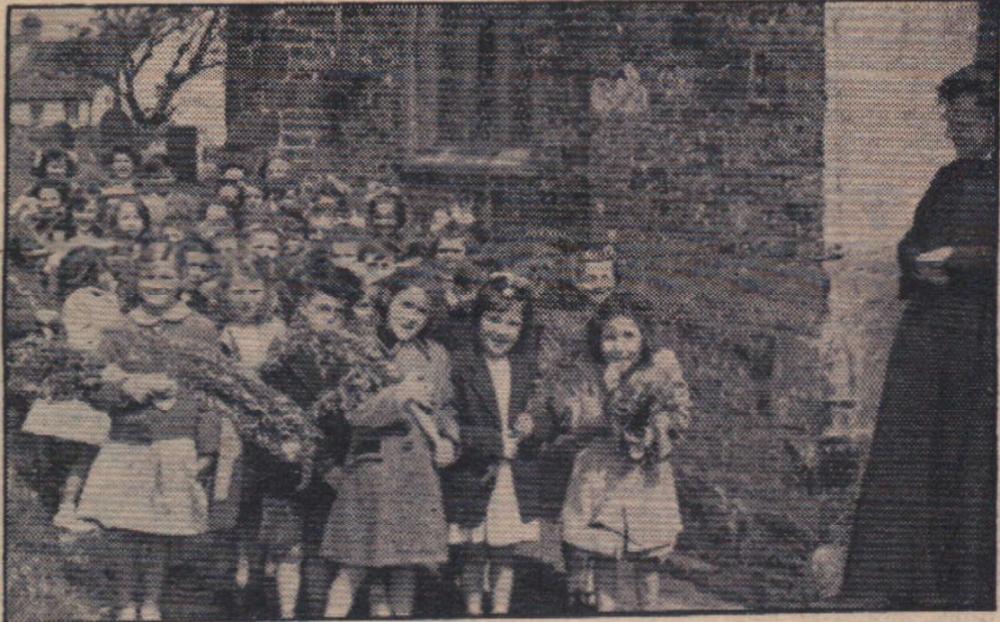
  • 18 Children's procession with foxgloves

  • 19 Television comes to Torridge District

  • 20 Over the bank together>
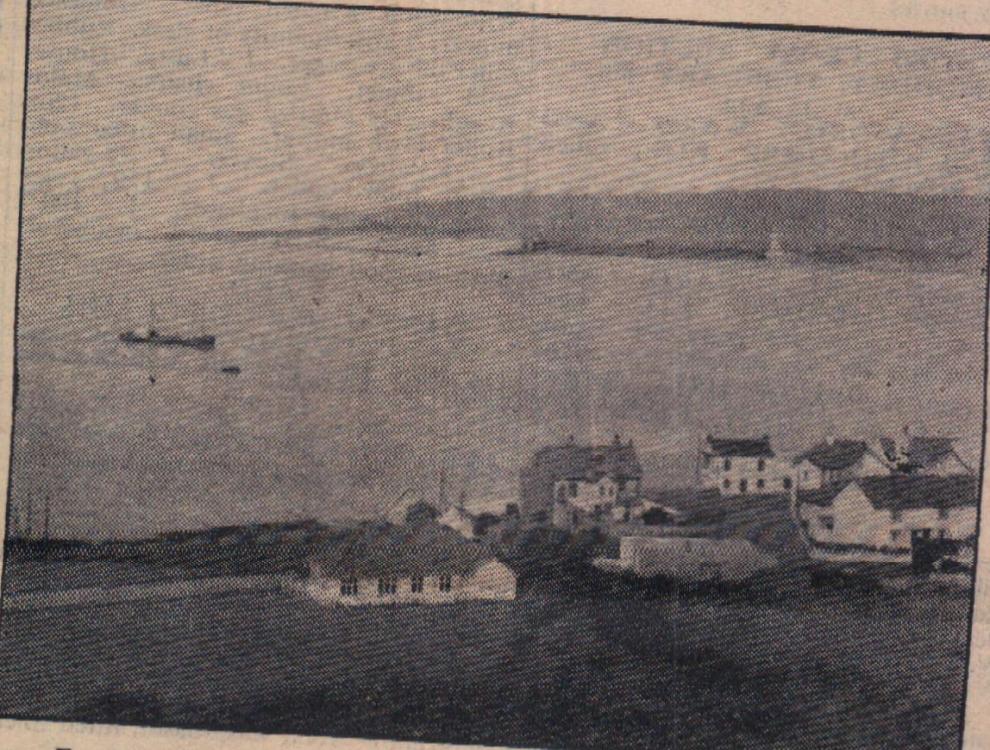
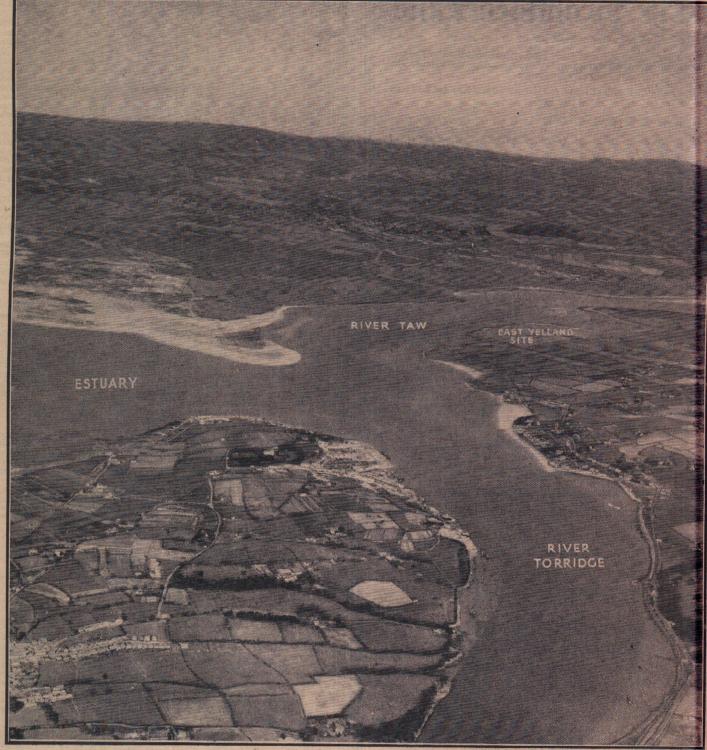
  • 21 New Estate's view of estuary activities

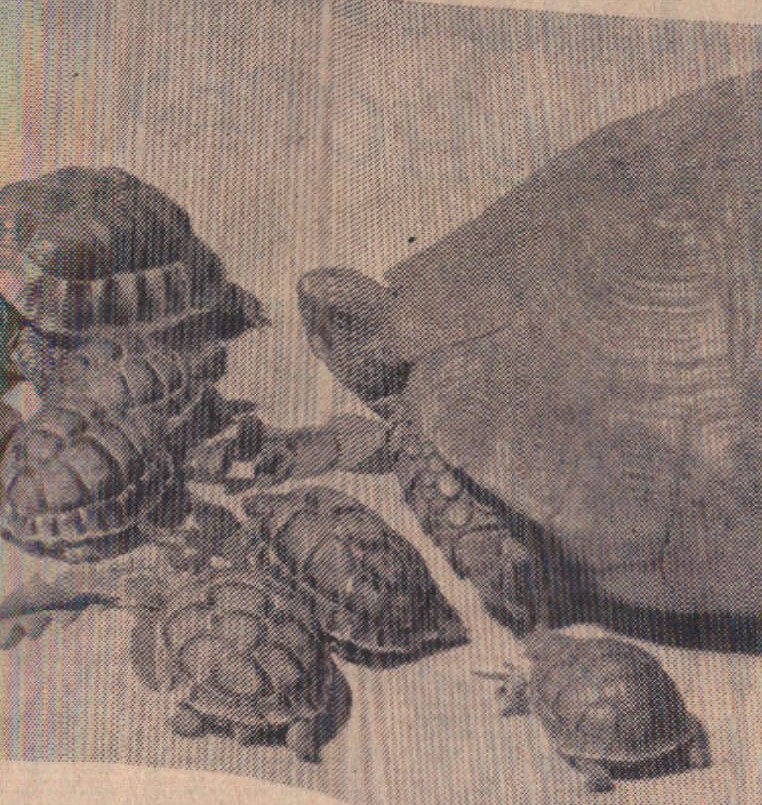
  • 22 In the tortoise nursery - eight hatched at Bideford

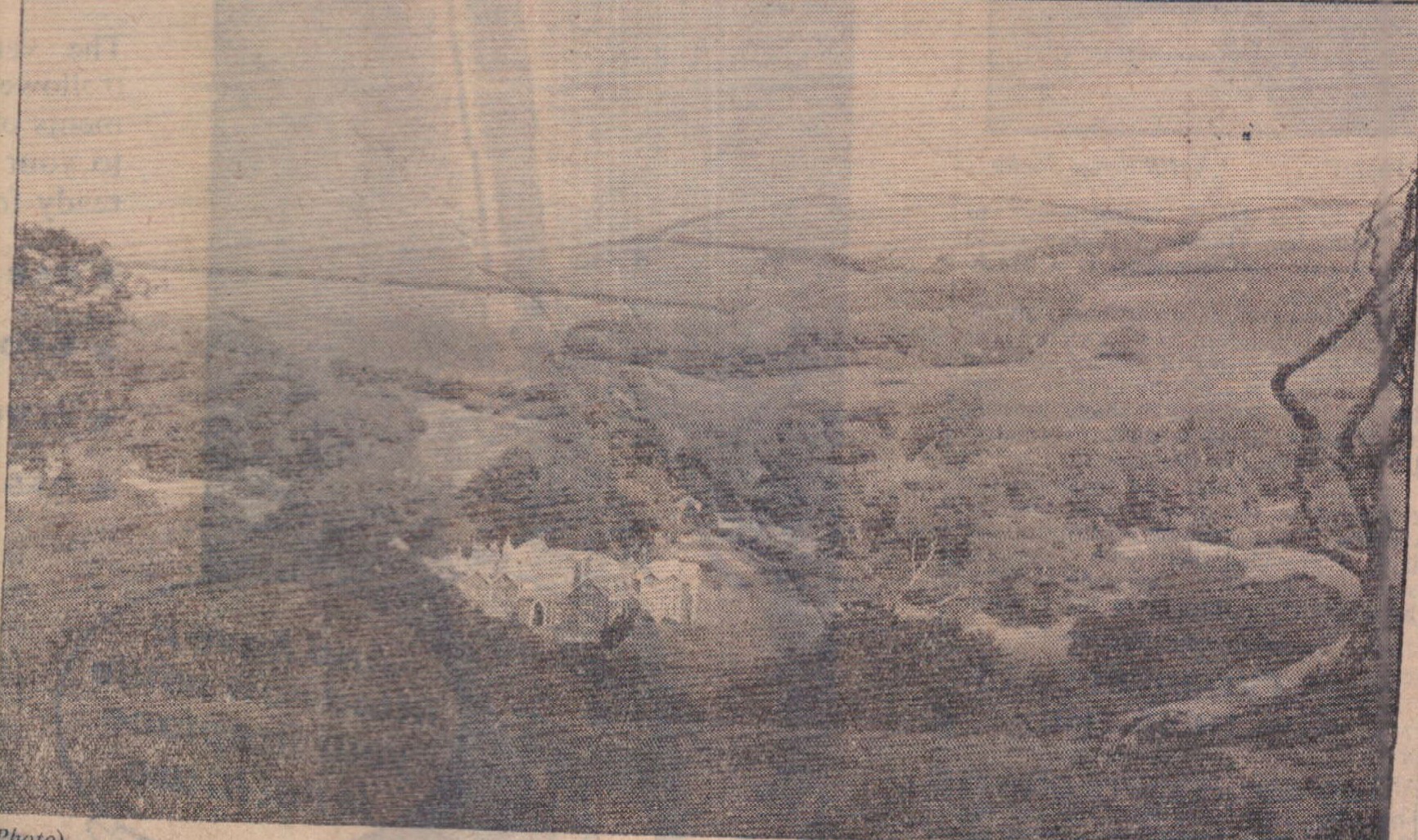
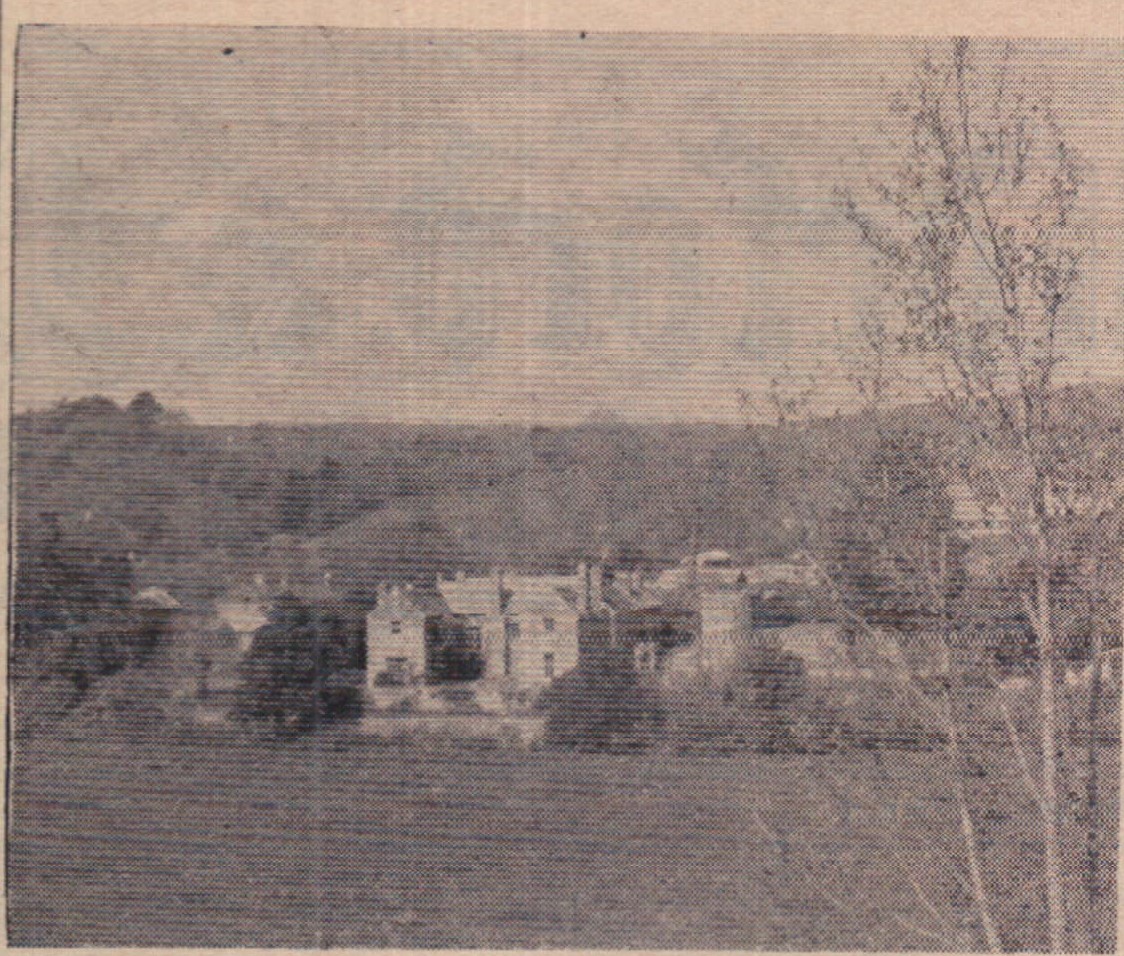
  • 23 Ancestral home nestling in lovely combe

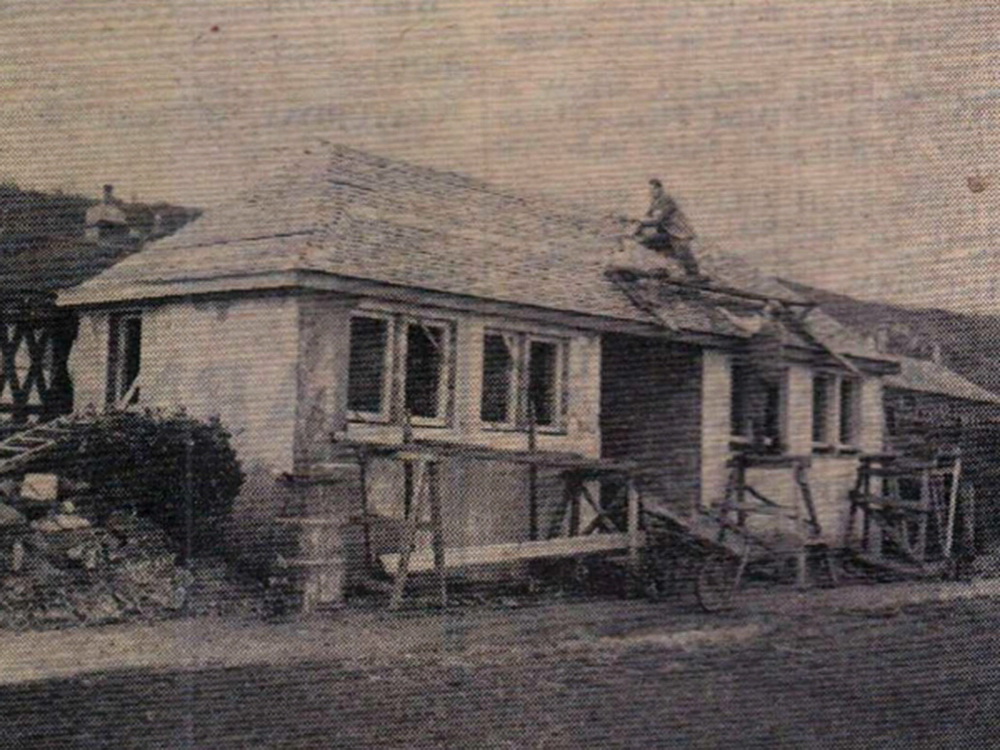
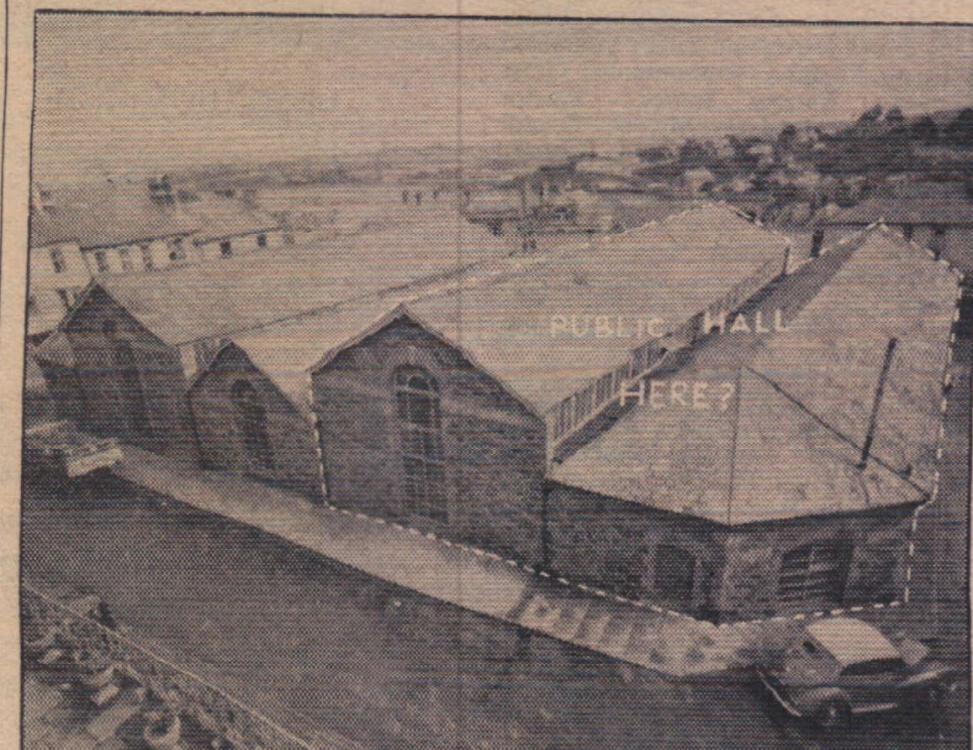
  • 24 Westward Ho! public conveniences get go ahead
  • 25 Bideford schoolboy's courage recognised

  • 26 A story to tell!

  • 27 They are parted pro-tem

  • 28

    Gift from Bideford Town Council
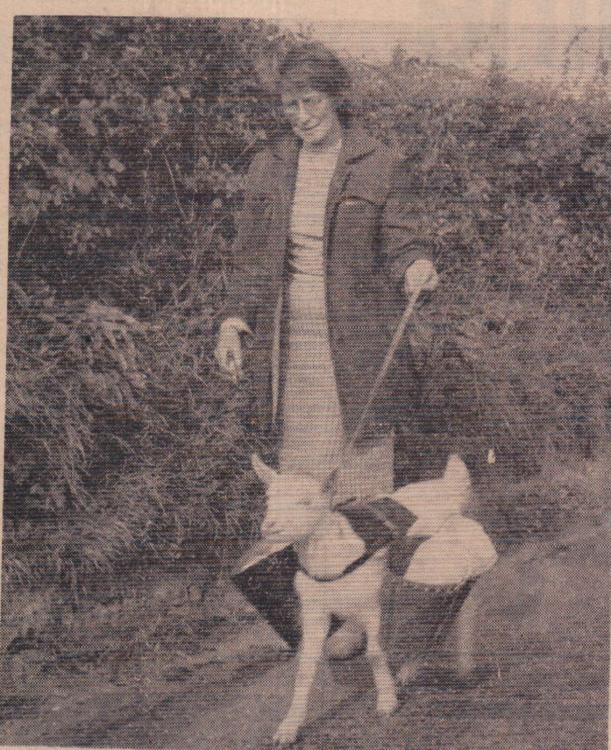
  • 29 Bringing shopping home by goat

  • 30 Simple Item 138
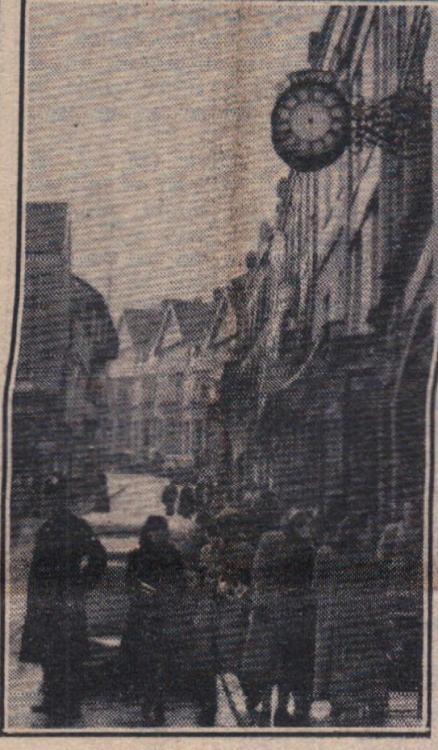
  • 31 What's the time?

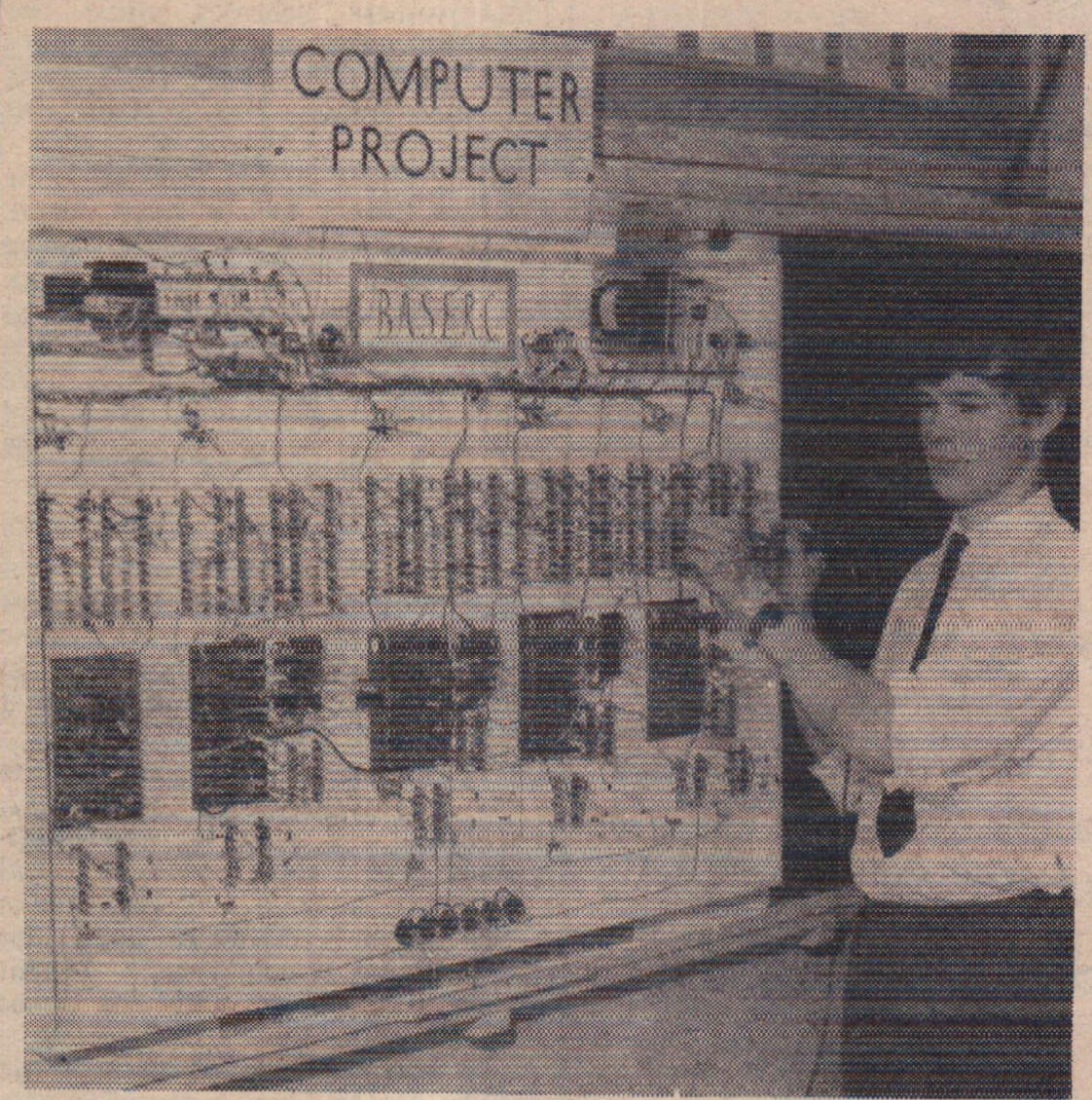
  • 32 Bideford computer stars

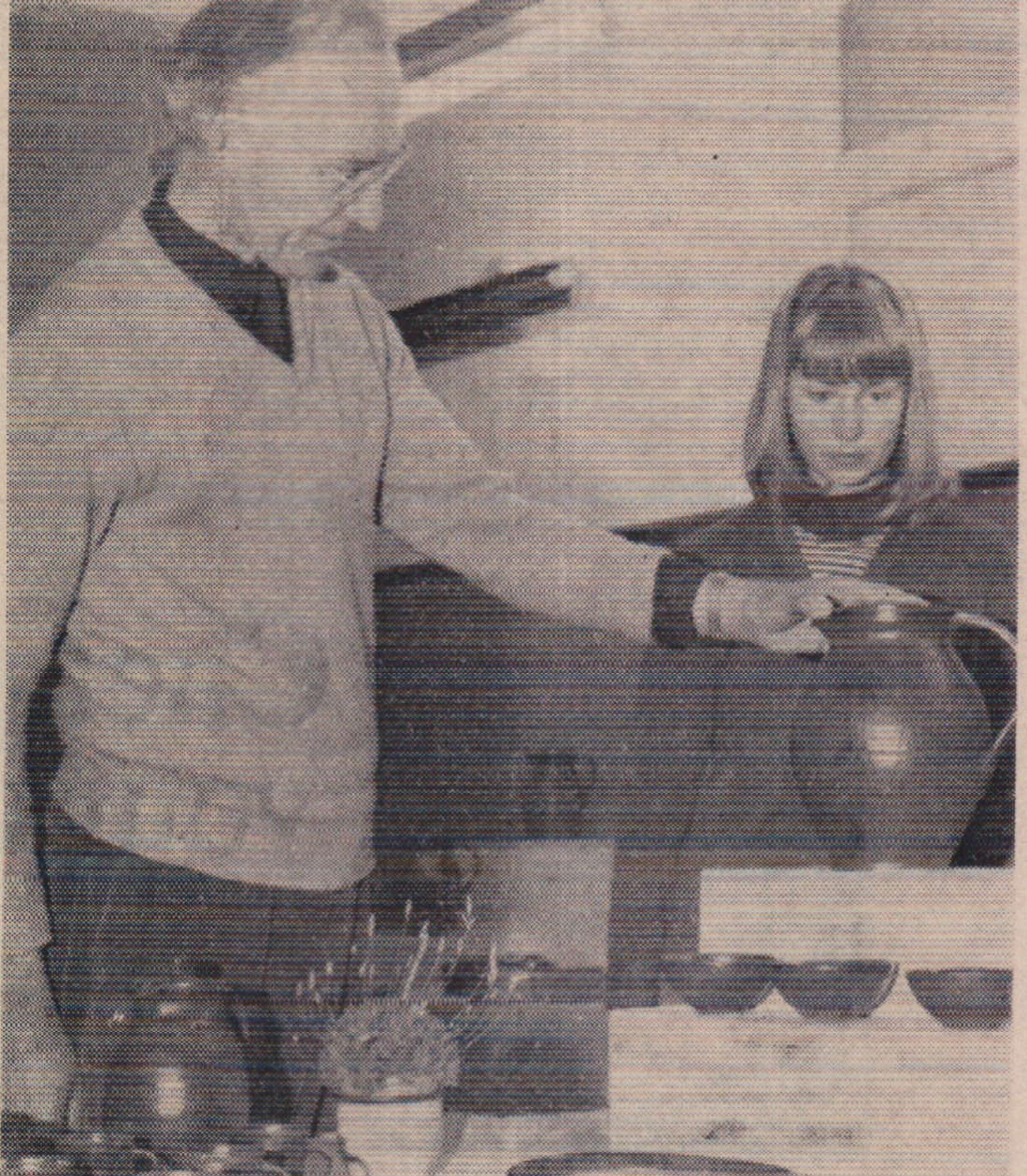
  • 33 Yelland potter's exhibition at Bideford
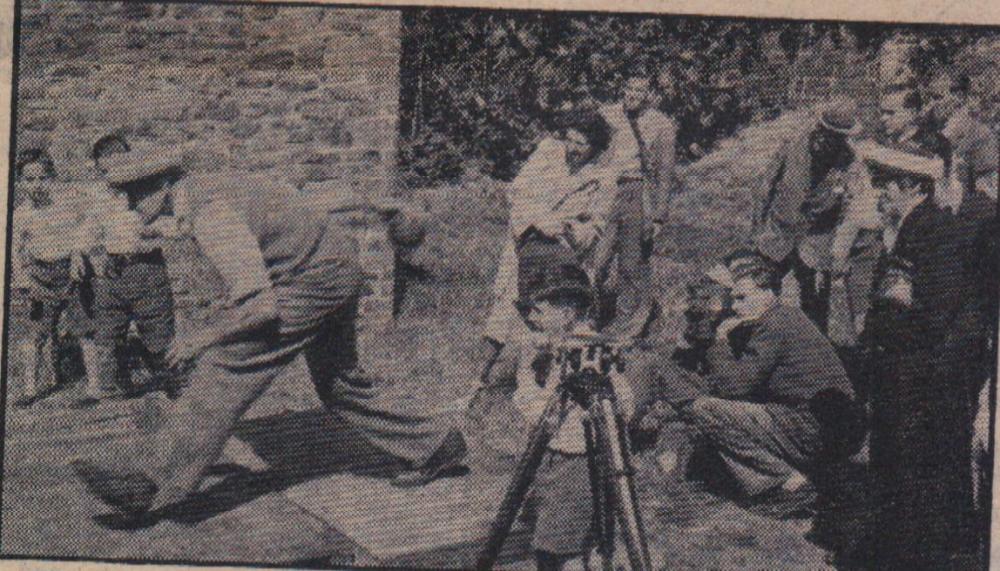
  • 34 What the television camera saw at Abbotsham

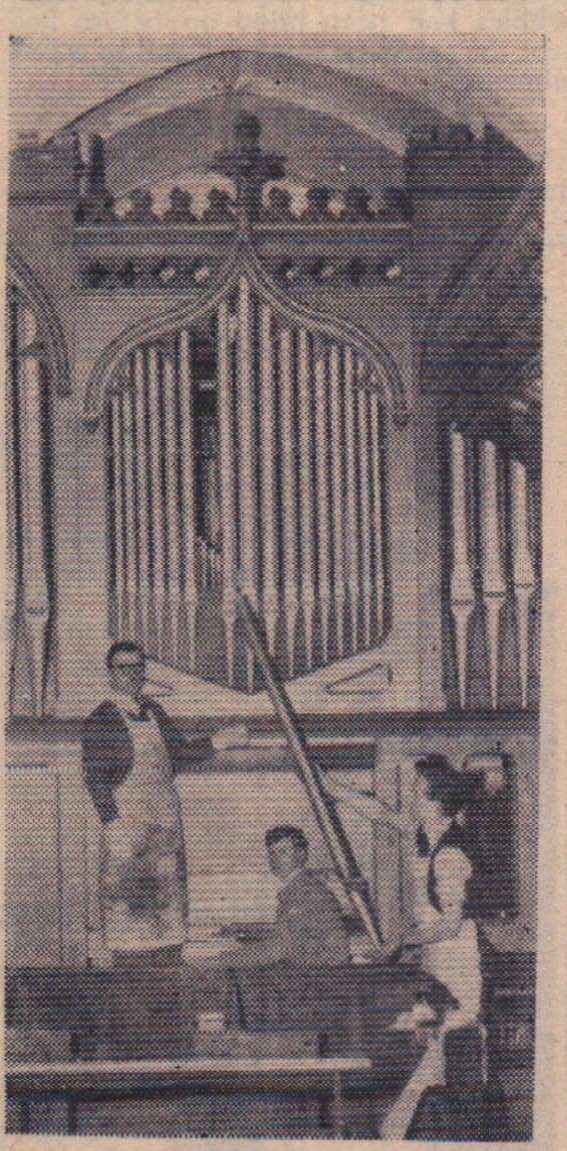
  • 35 New life for Hartland organ

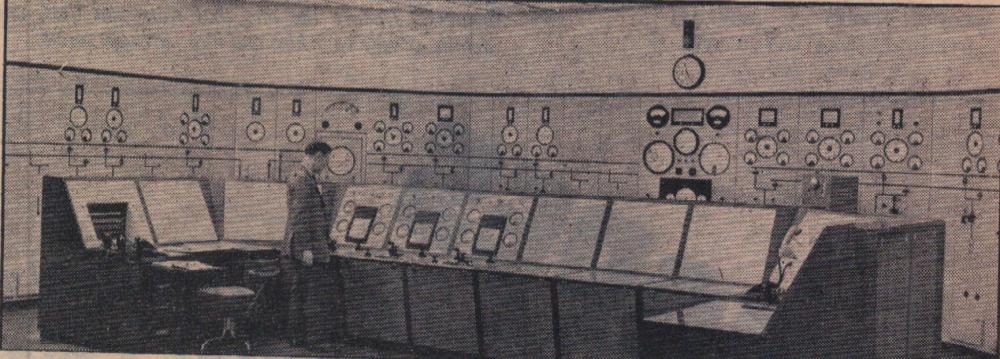
  • 36 Eleven million pound scheme's official opening

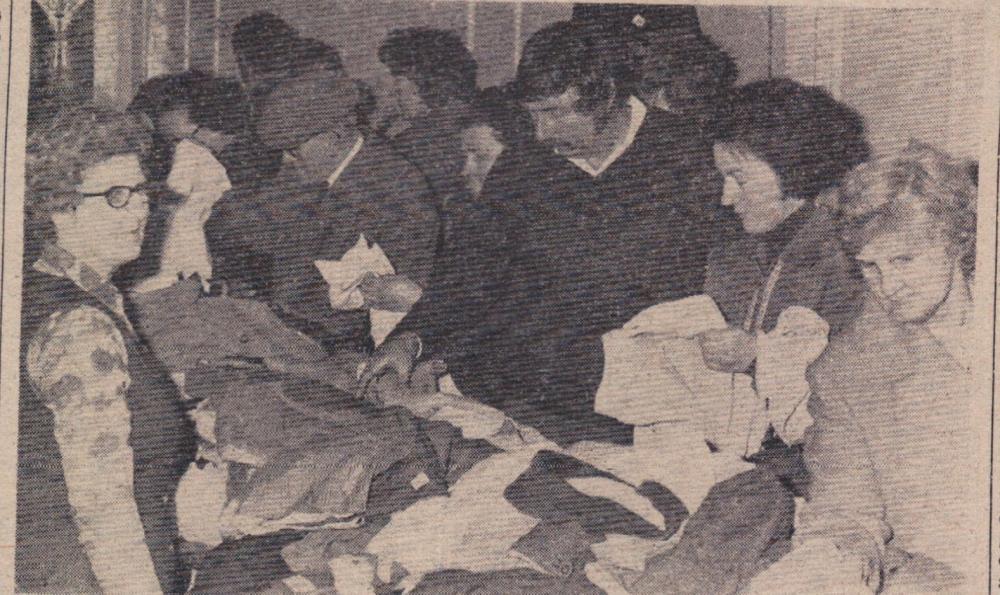
  • 37 Jumble sale fever

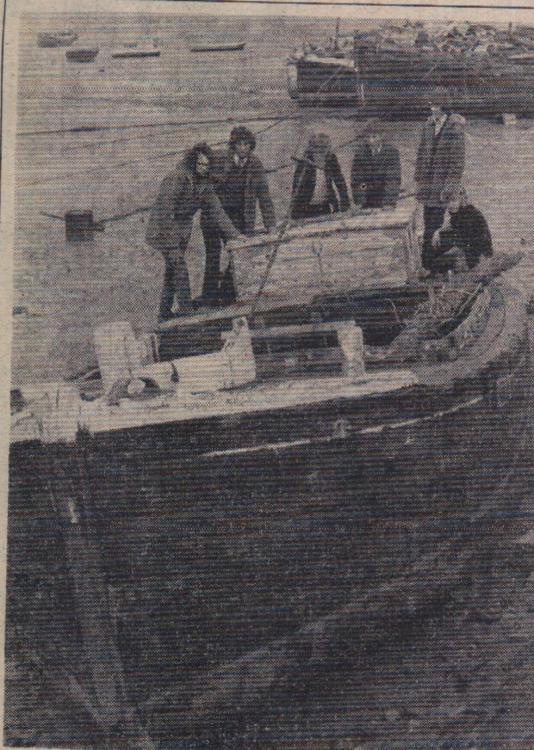
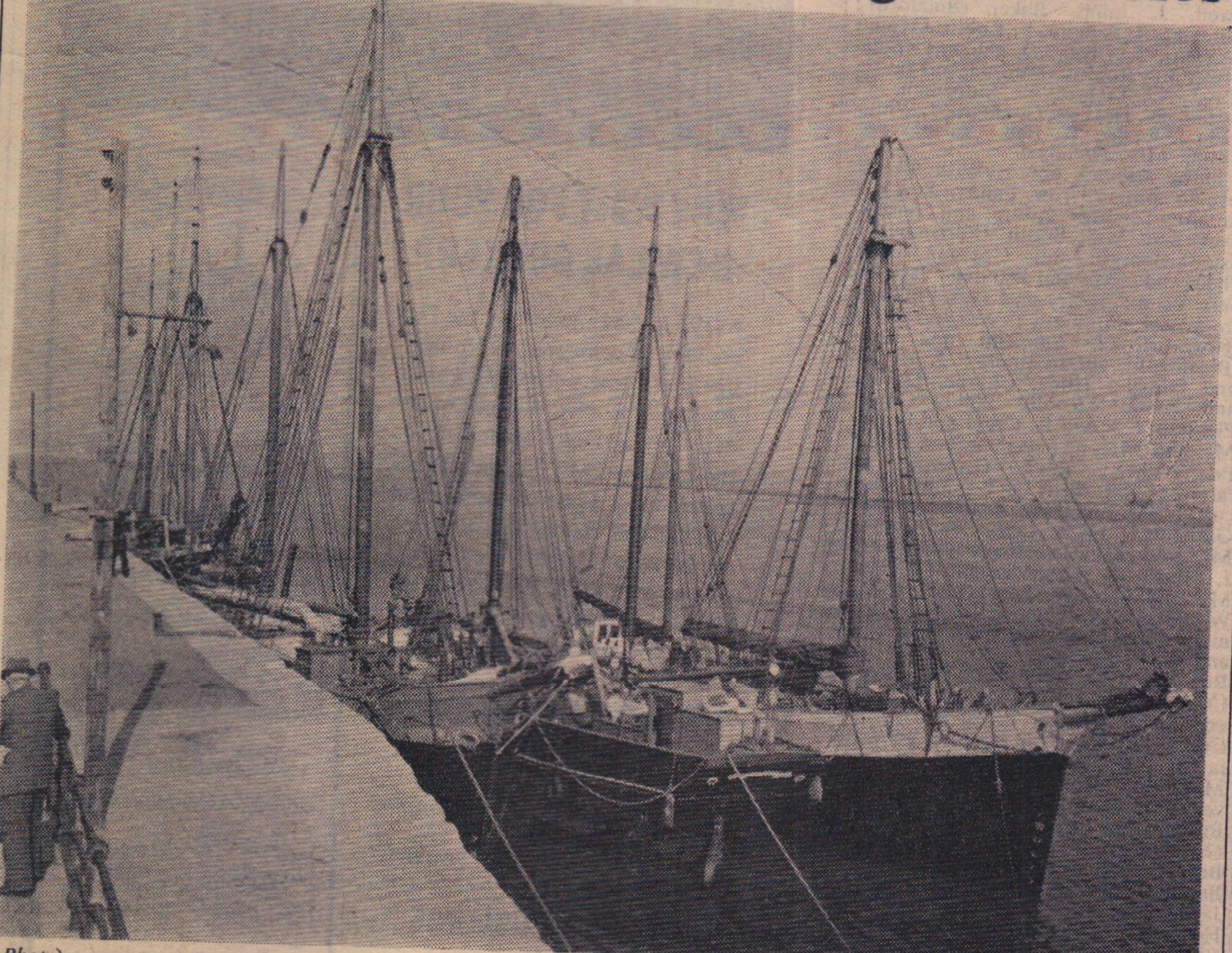
  • 38 Eleventh hour bid to save last sailing barge

  • 39 Northam wants to continue pumping from river

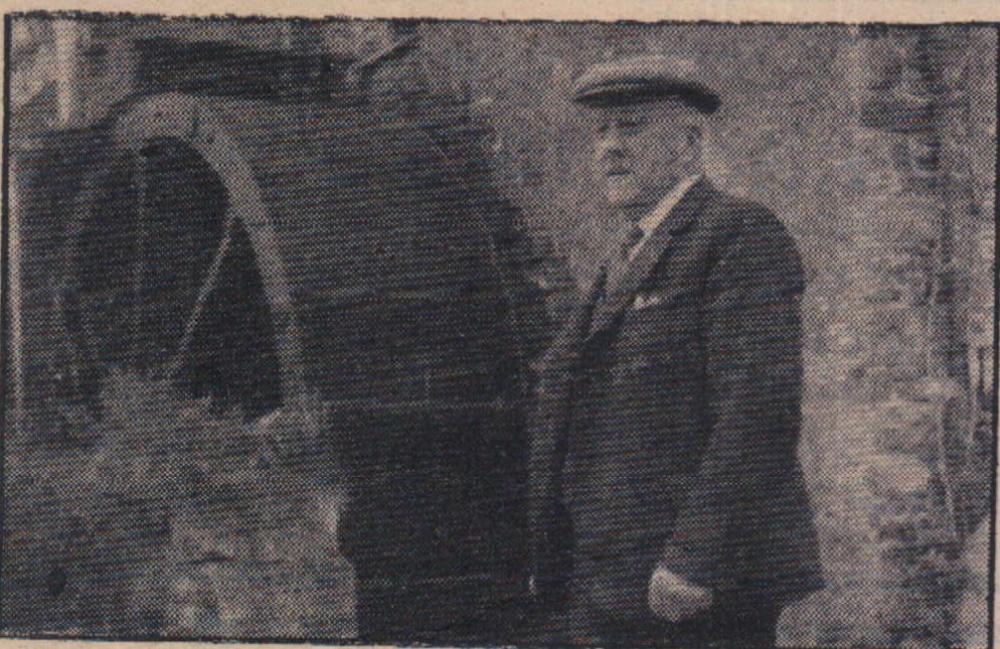
  • 40 A man and his wheel

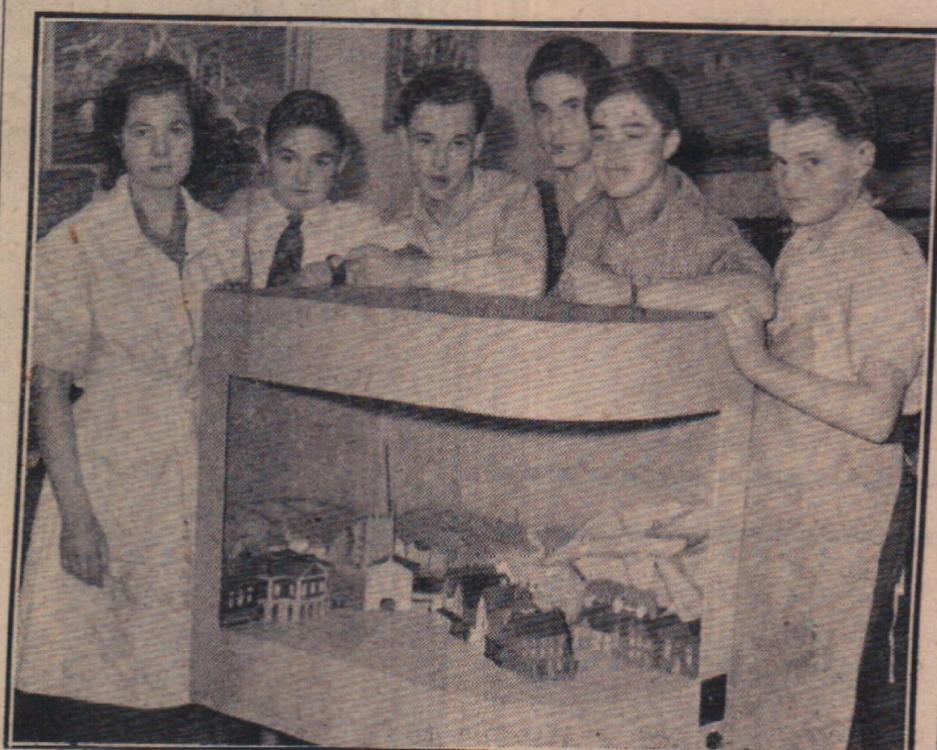
  • 41 Childrens' model of Torrington

  • 42 Centuries old but today busier than ever

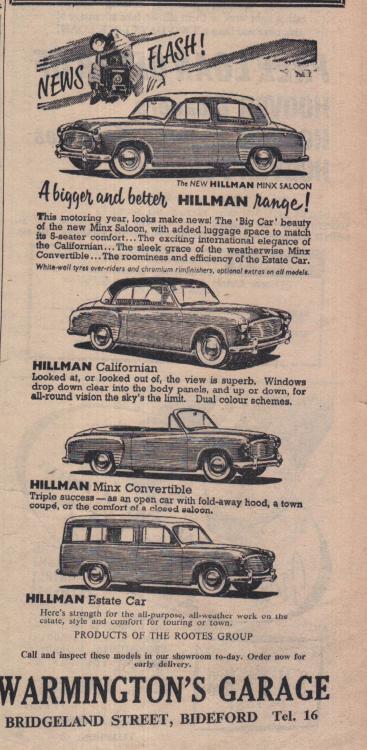
  • 43 Warmington's garage ad

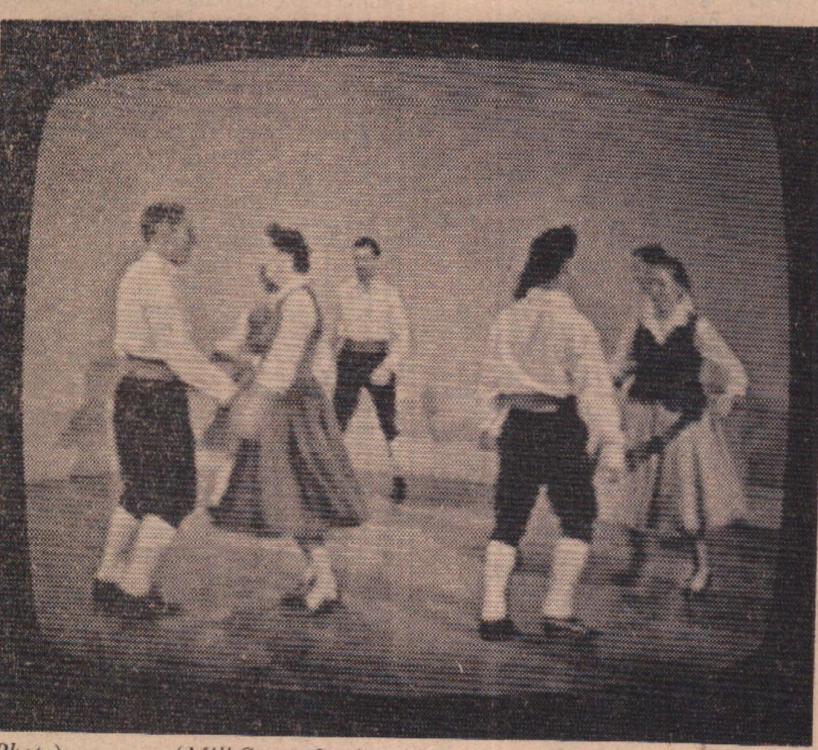
  • 44 Bideford country dancers on TV

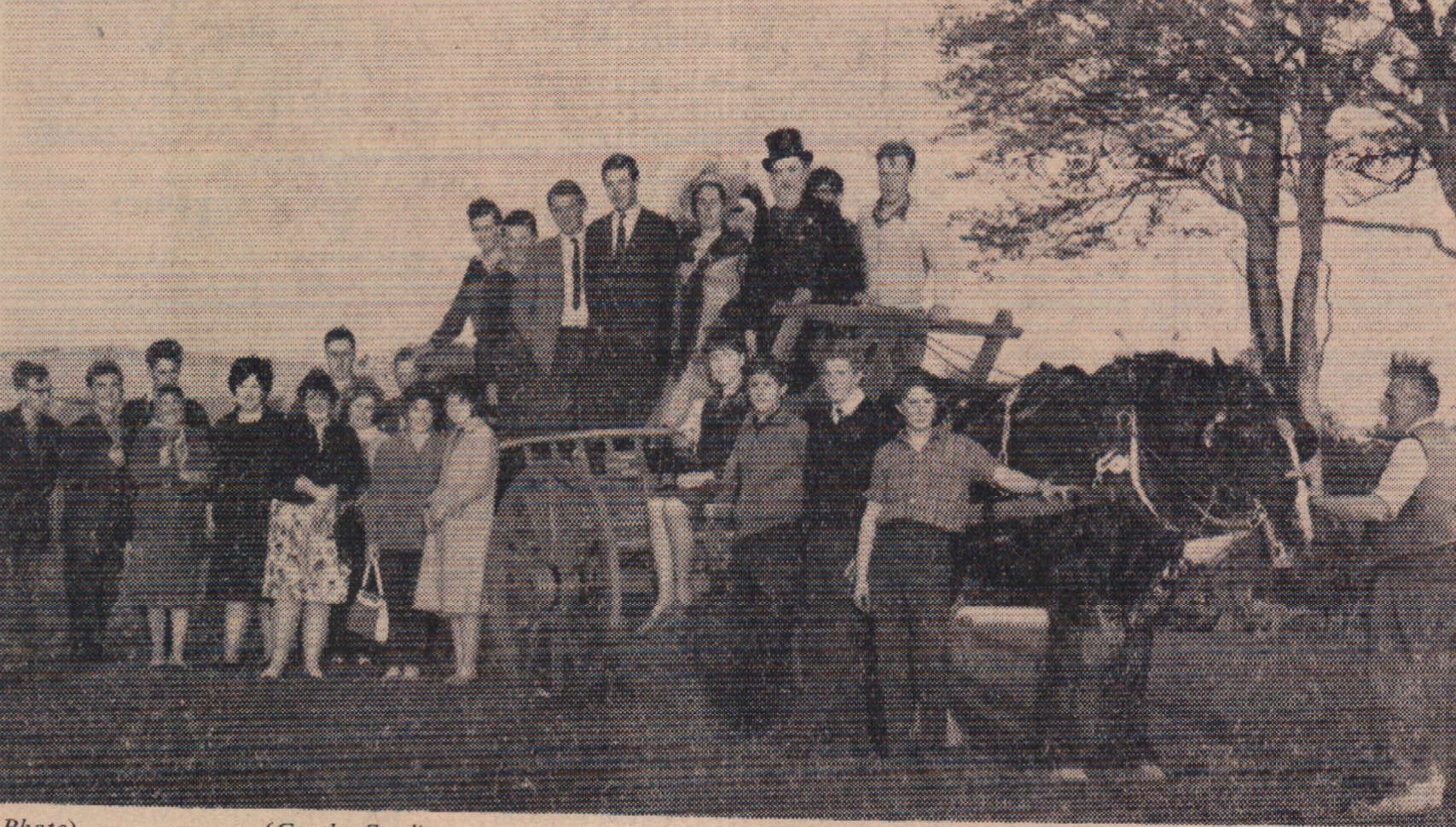
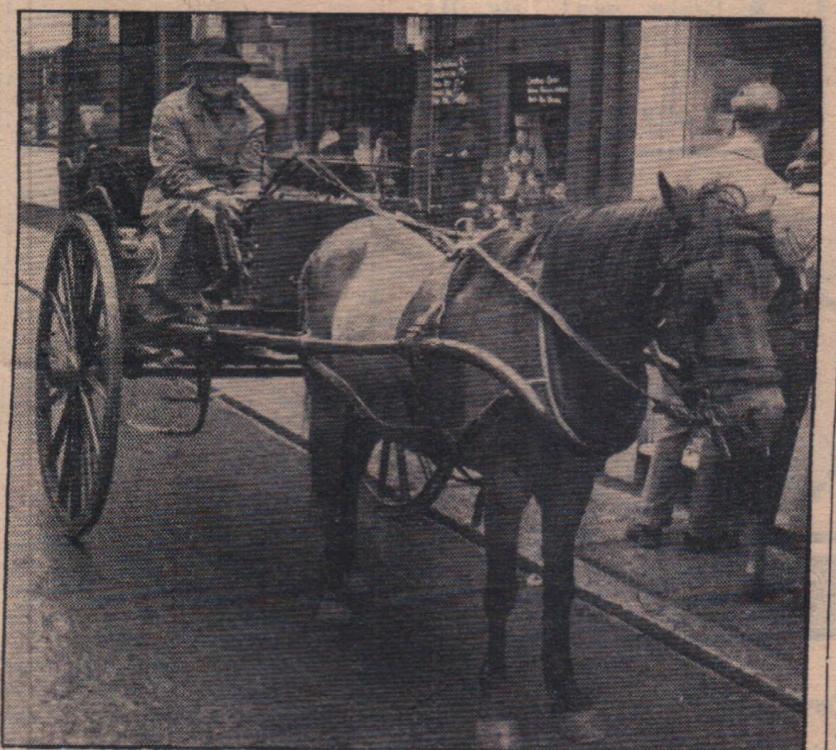
  • 45 By pony and trap to market

  • 46 Spring-cleaning the Ridge

  • 47 Safe door weighing two tons

  • 48 Last train from Torrington

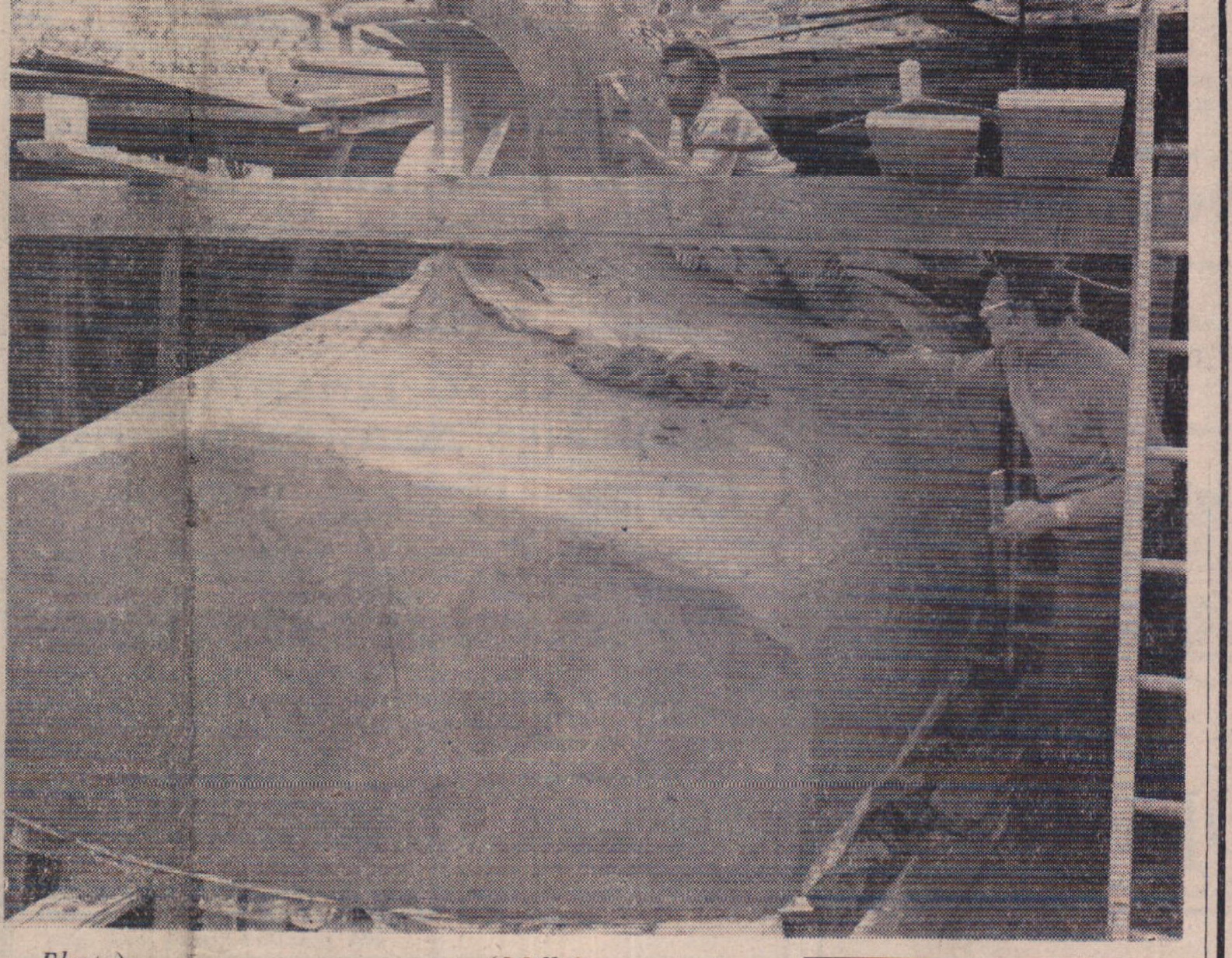
  • 49 Cement-clad boats being built at Northam

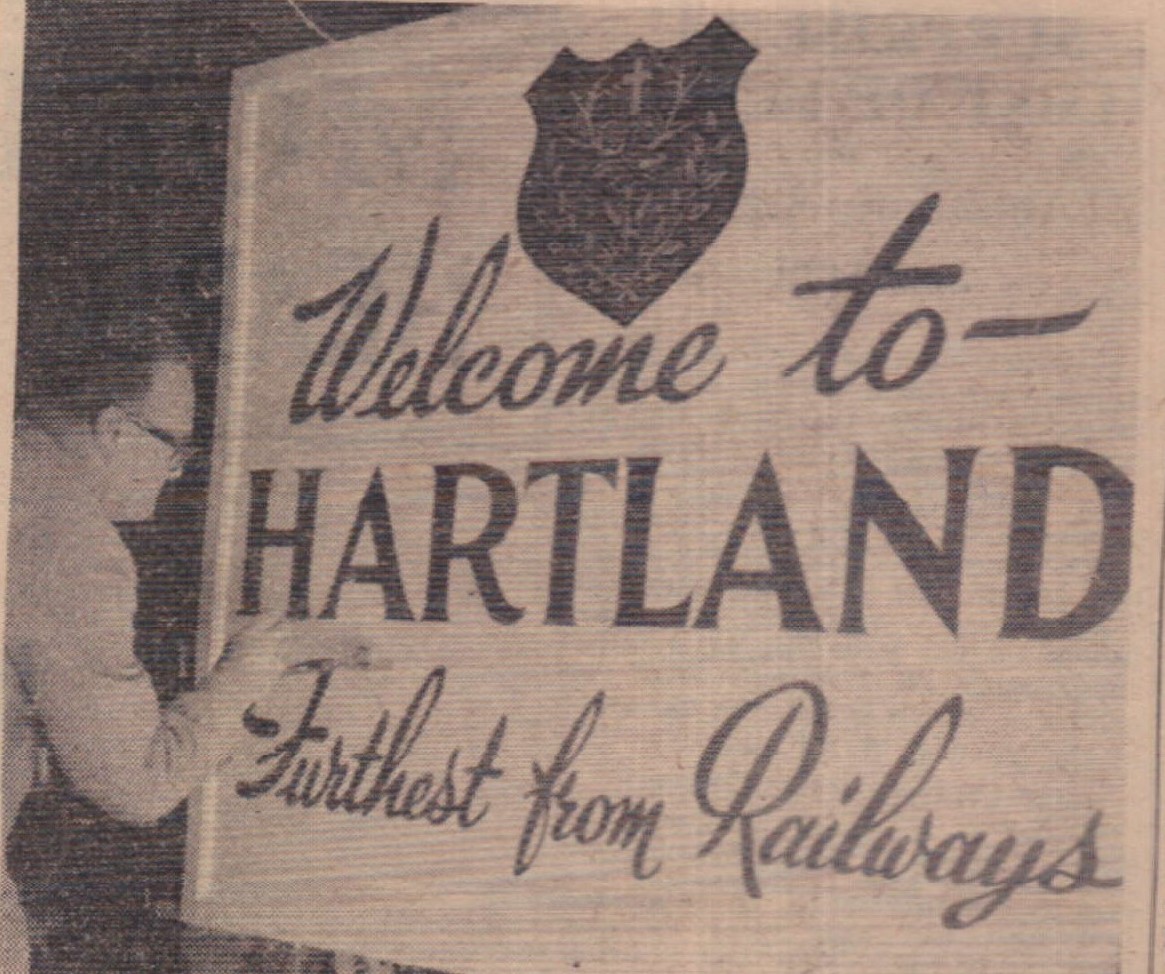
  • 50 Hartland's invitation

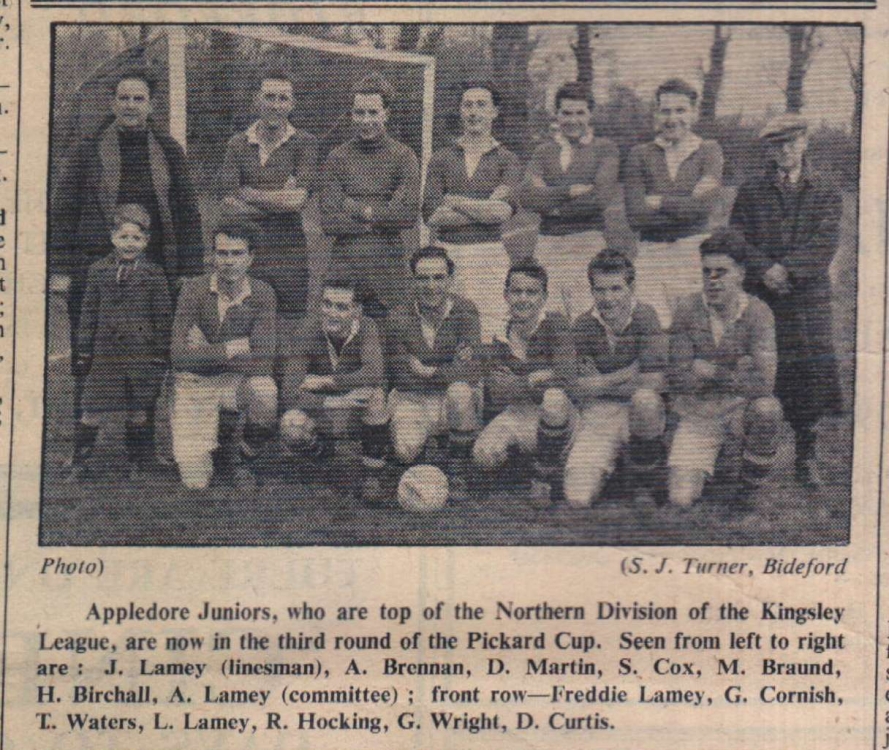
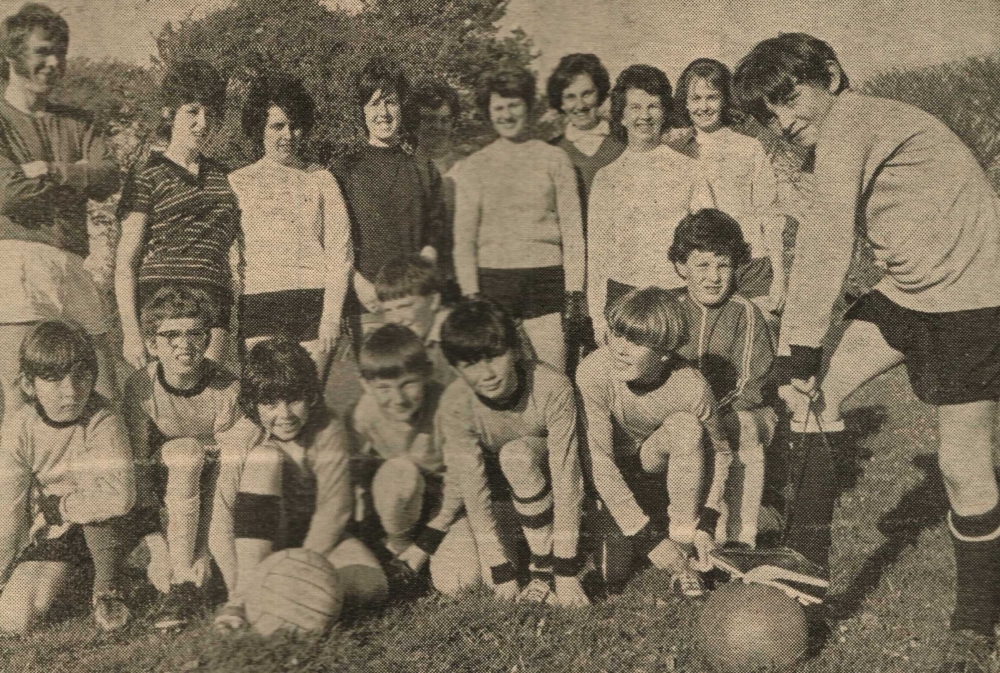
  • 51 Appledore Juniors Football
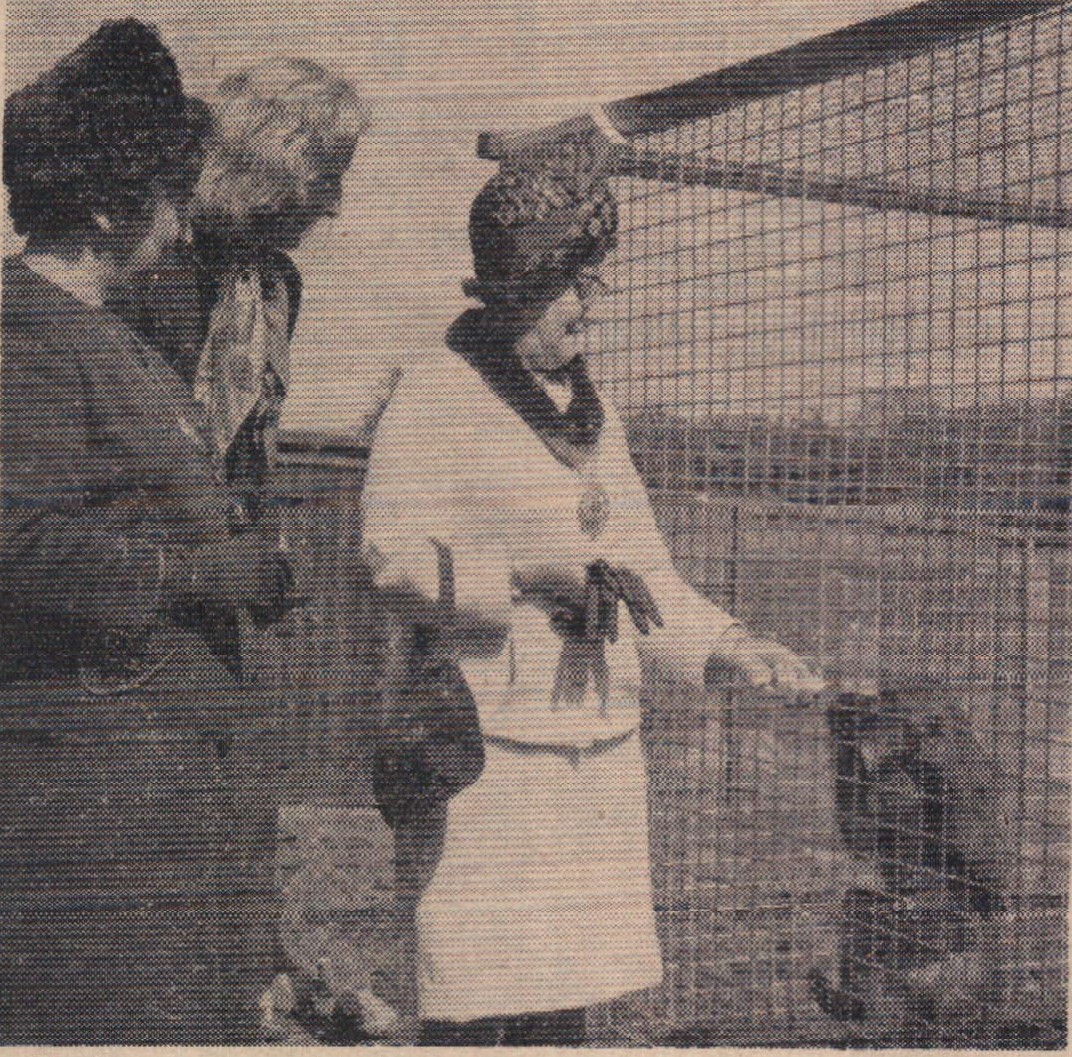
  • 52 One thousand visit zoo at Whitsun

  • 53

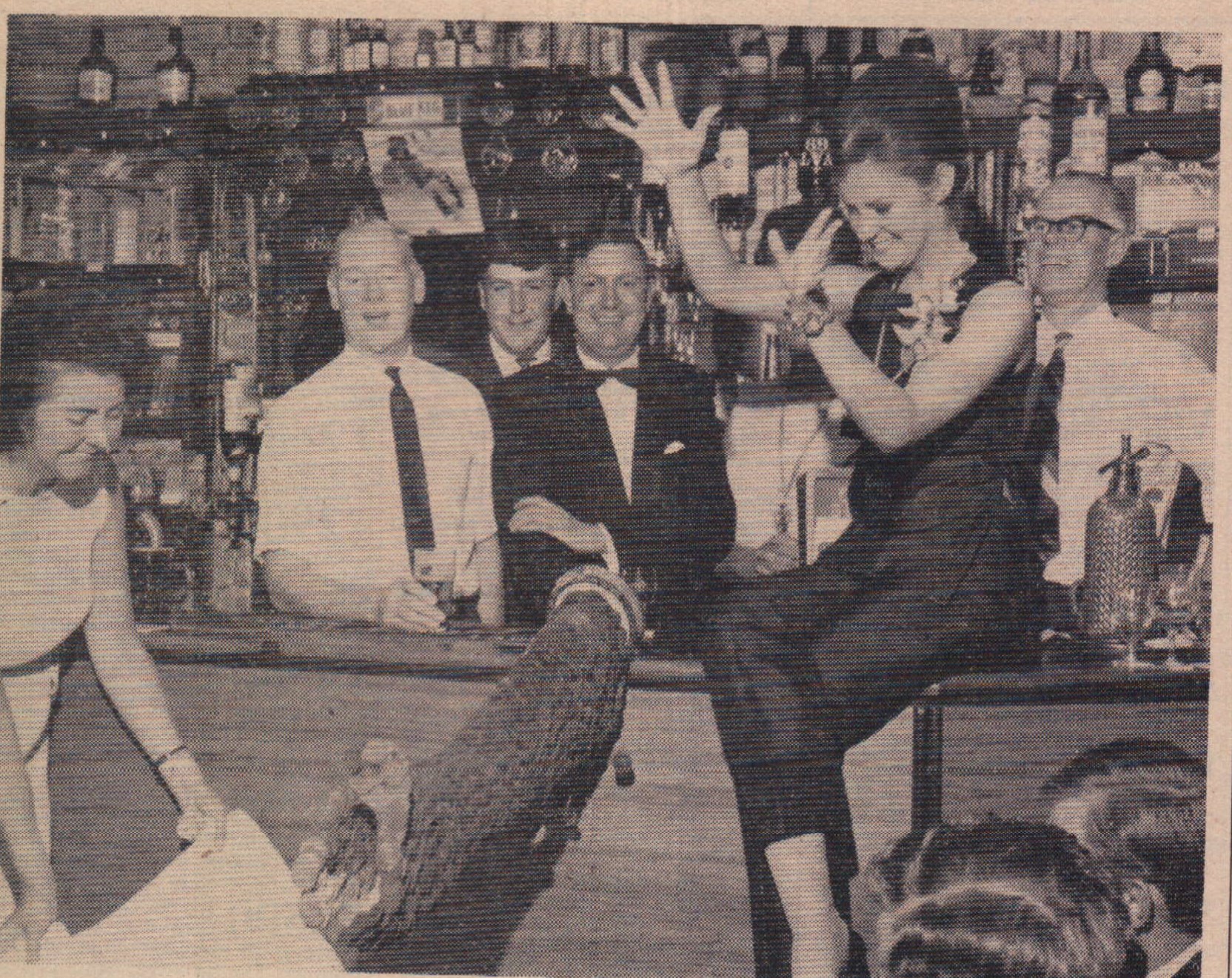
    Womens Skittles Competition in Buckland Brewer
  • 54 Twenty-one yachts

  • 55 Devil sent packing

  • 56 An early 'special' to Bideford

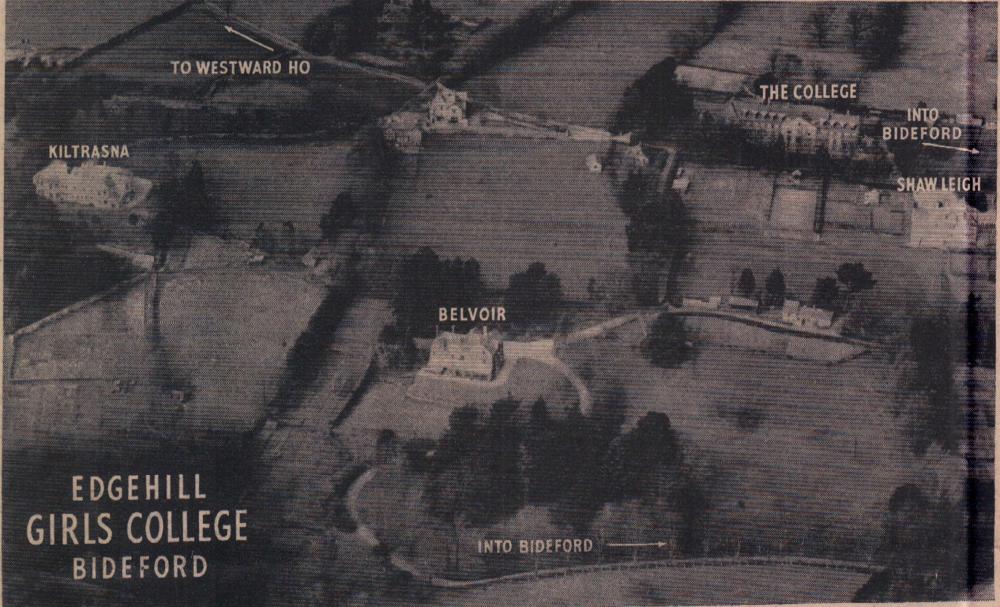
  • 57 Old Girls revisit Edgehill

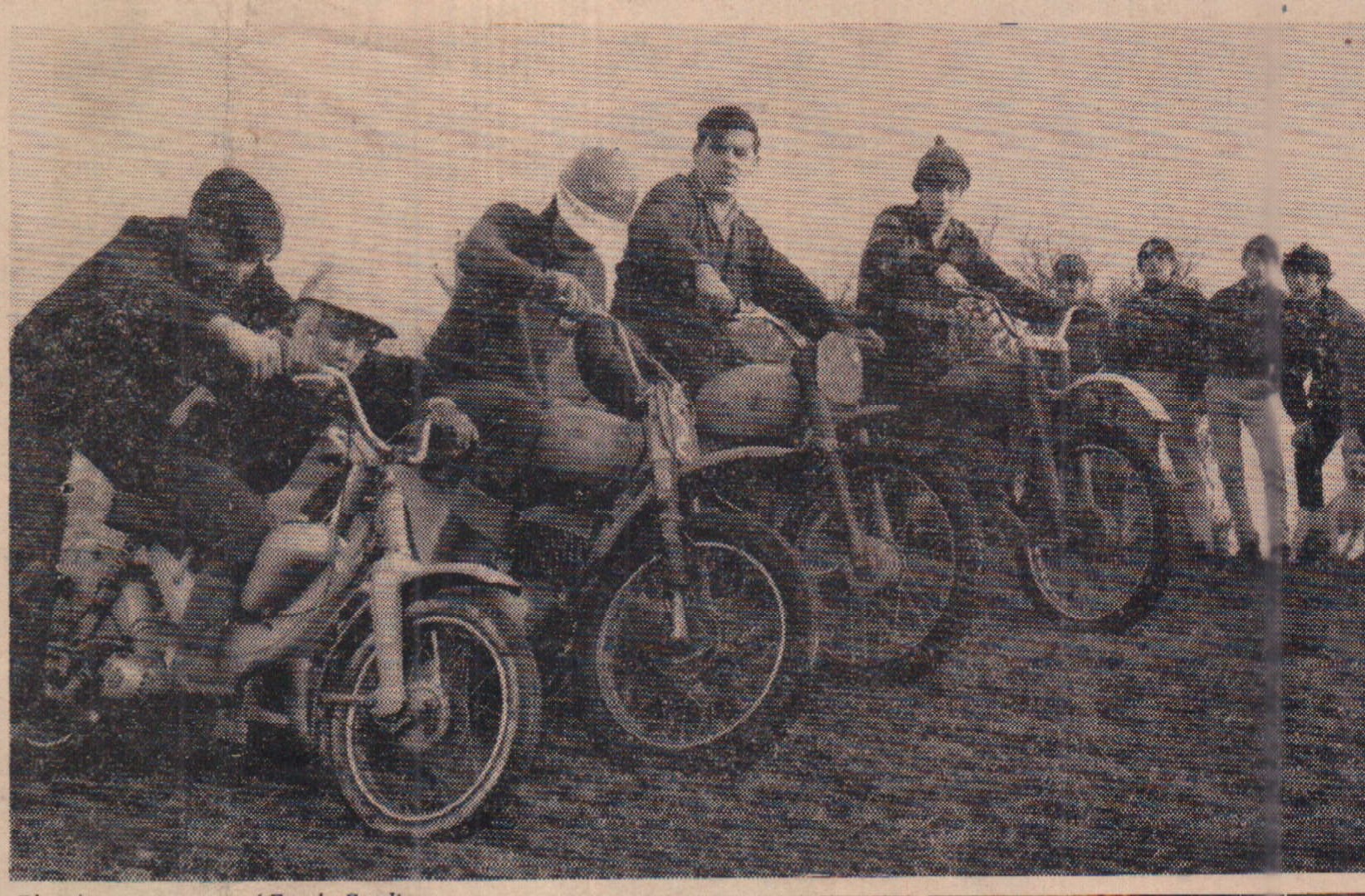
  • 58

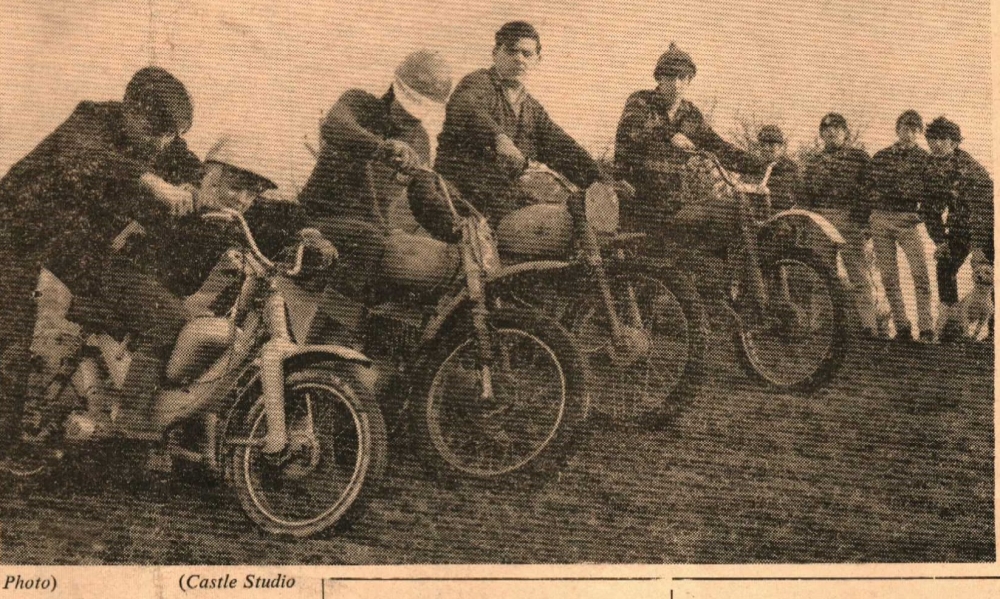
    Successful motor cycling team
  • 59

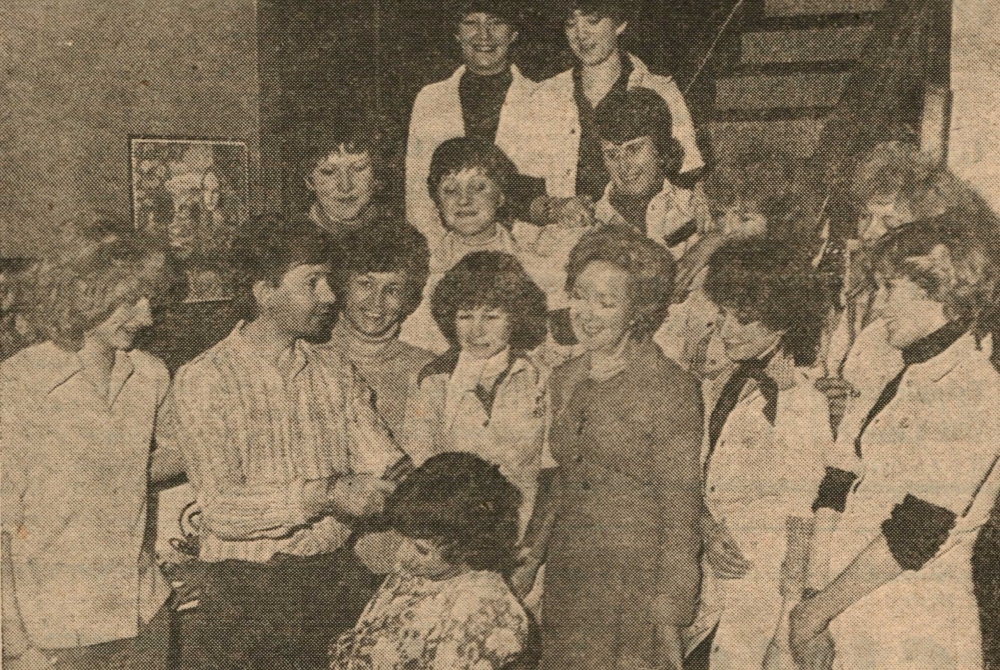
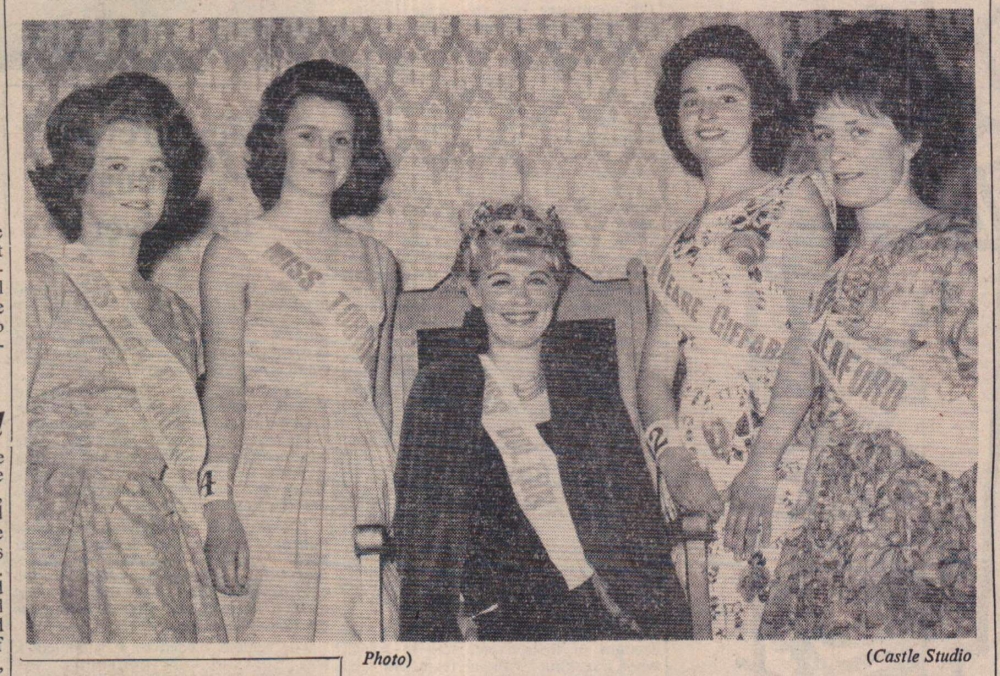
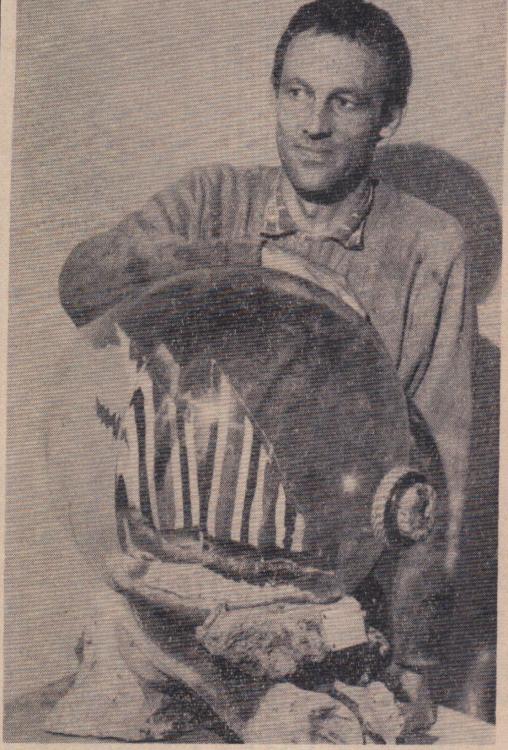
    Wynne Olley's styles impress International Hair Fashion Designer
  • 60 Torrington's enterprise's new extensions

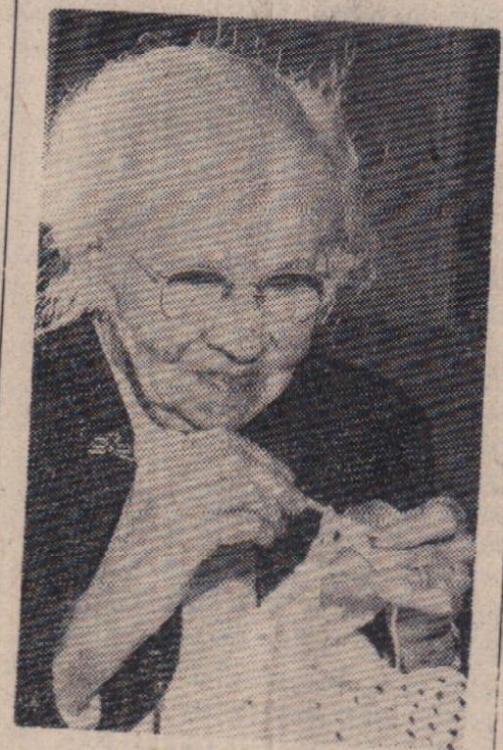
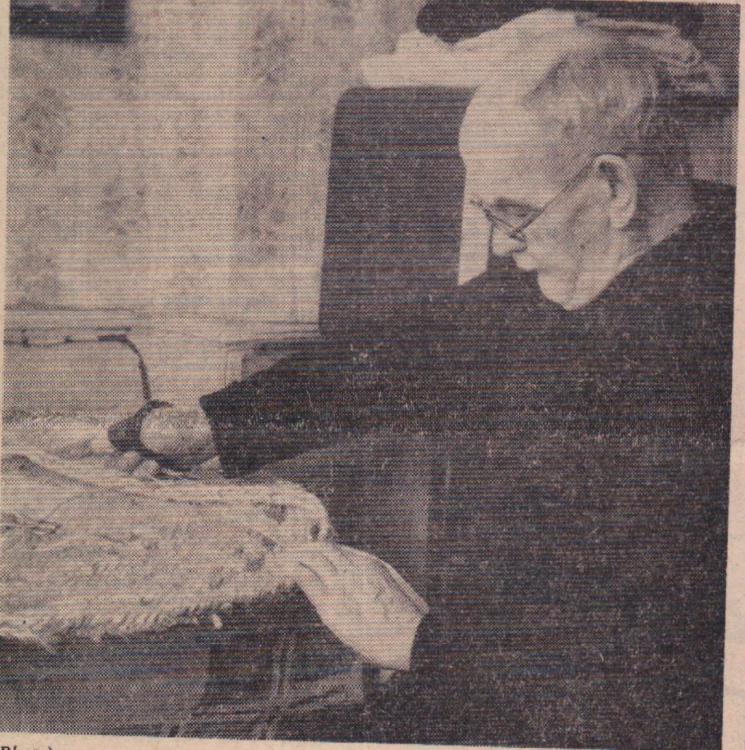
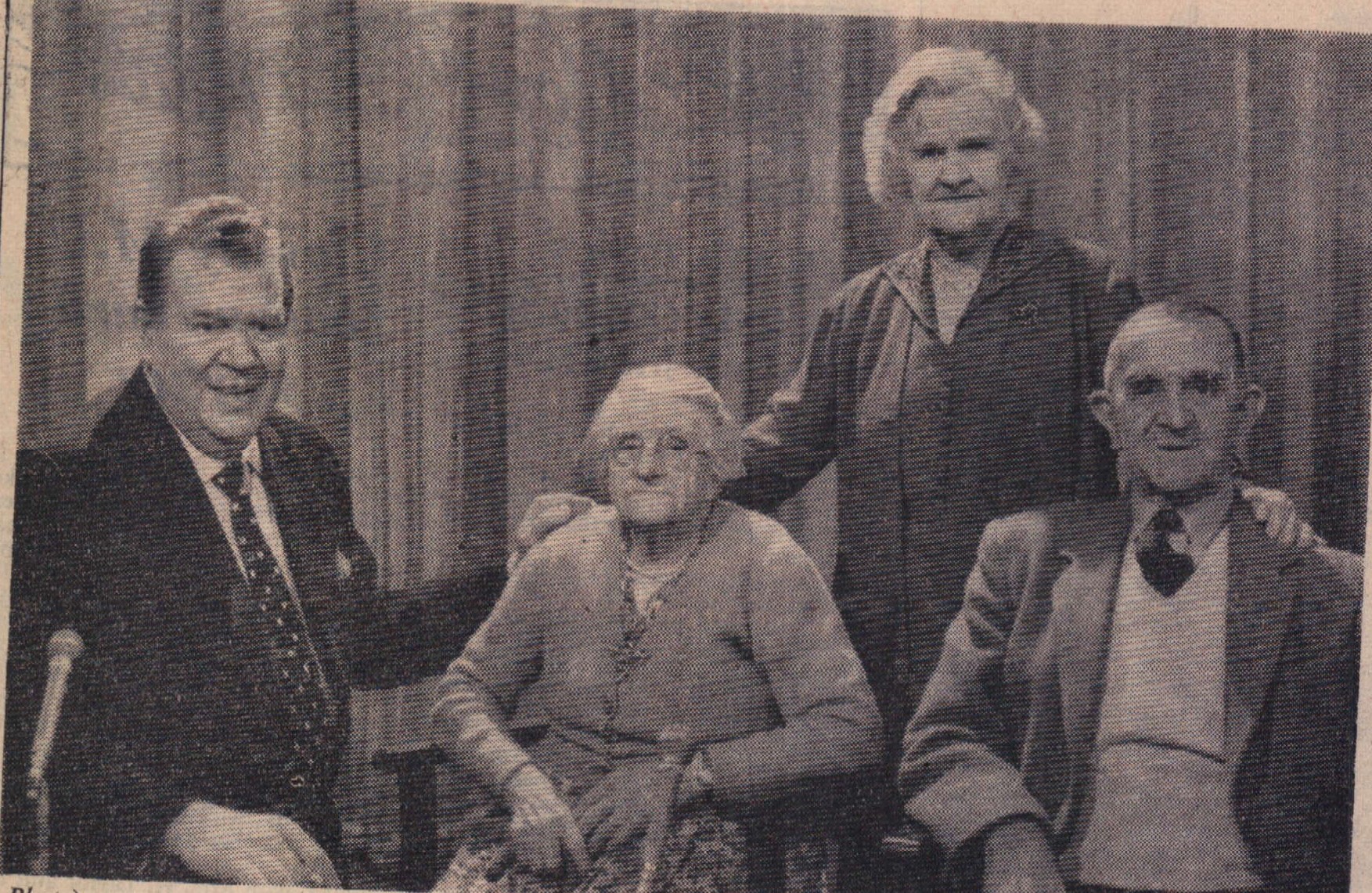
  • 61 Celebrations for 103rd birthday

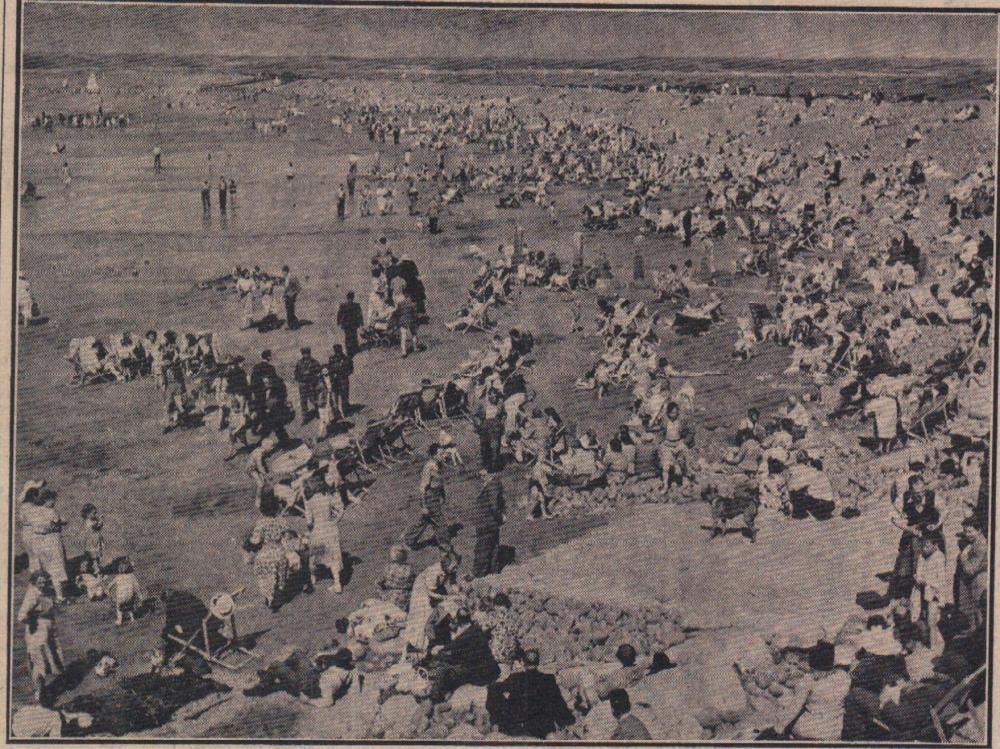
  • 62 Bank Holiday weather was beach weather

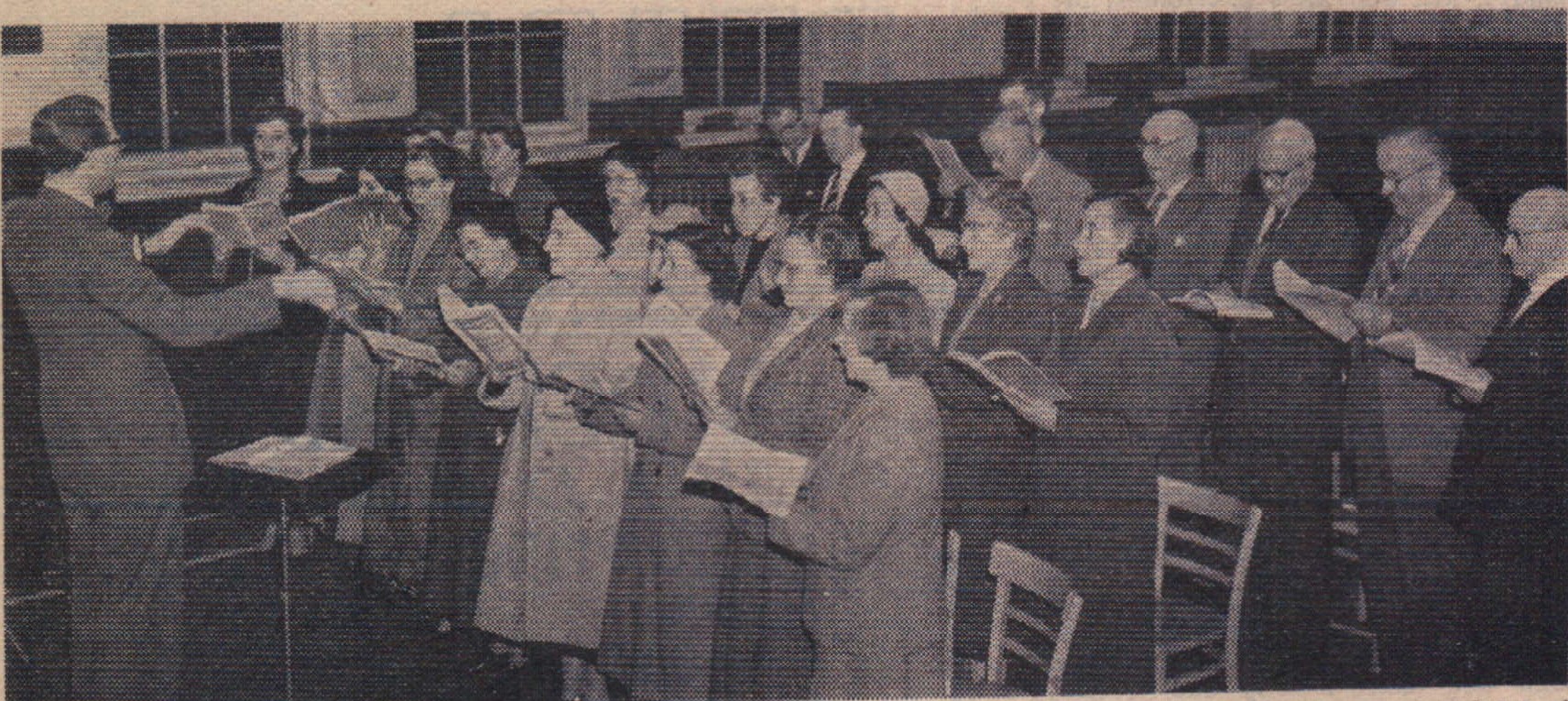
  • 63 New choral society's growing response

  • 64 Works at craft he learned over 65 years ago
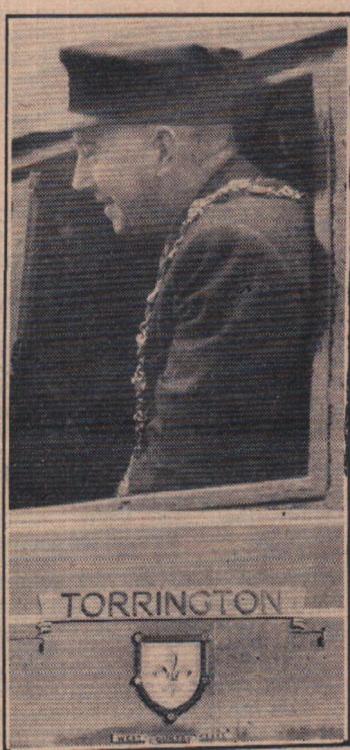
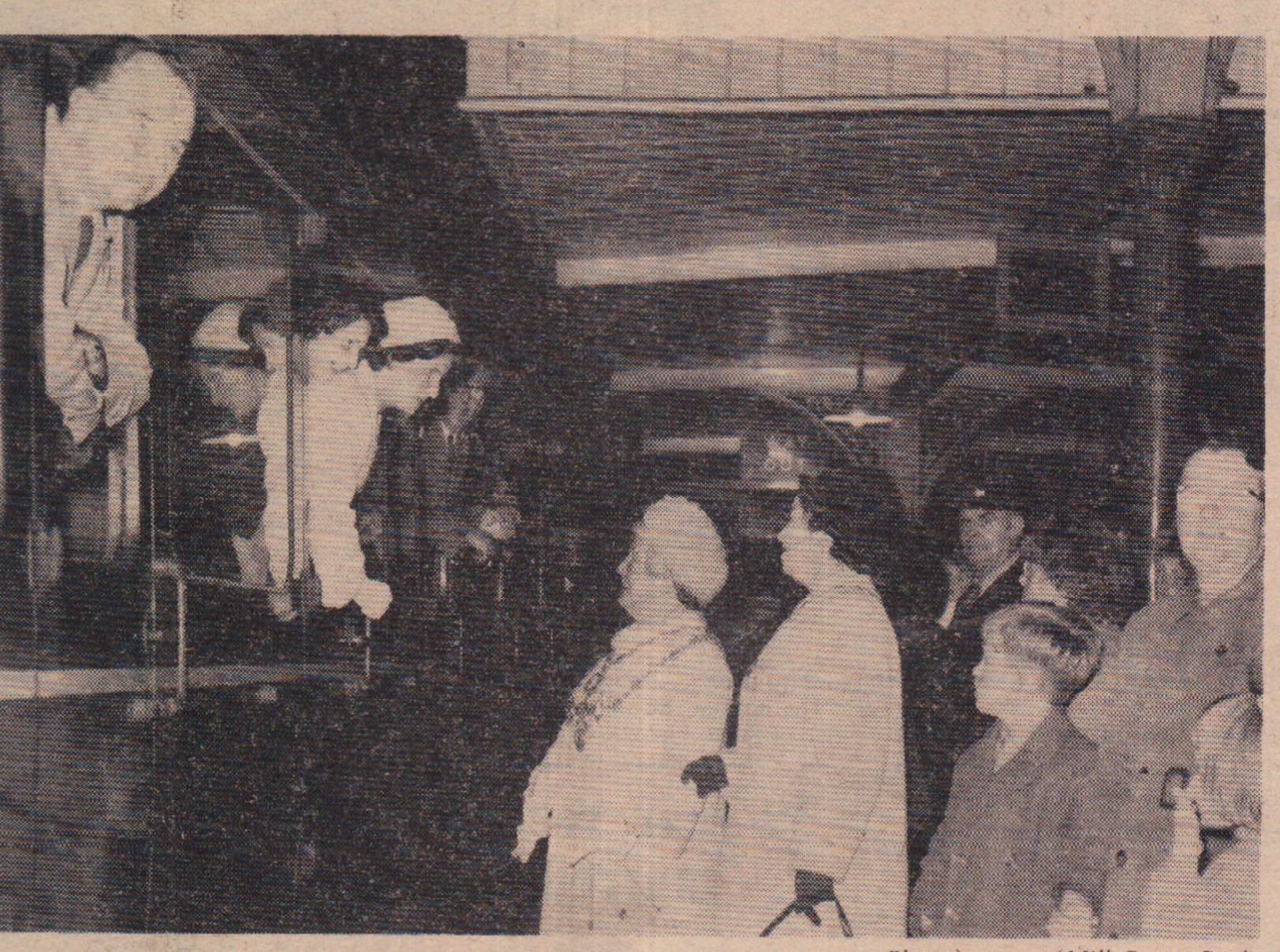
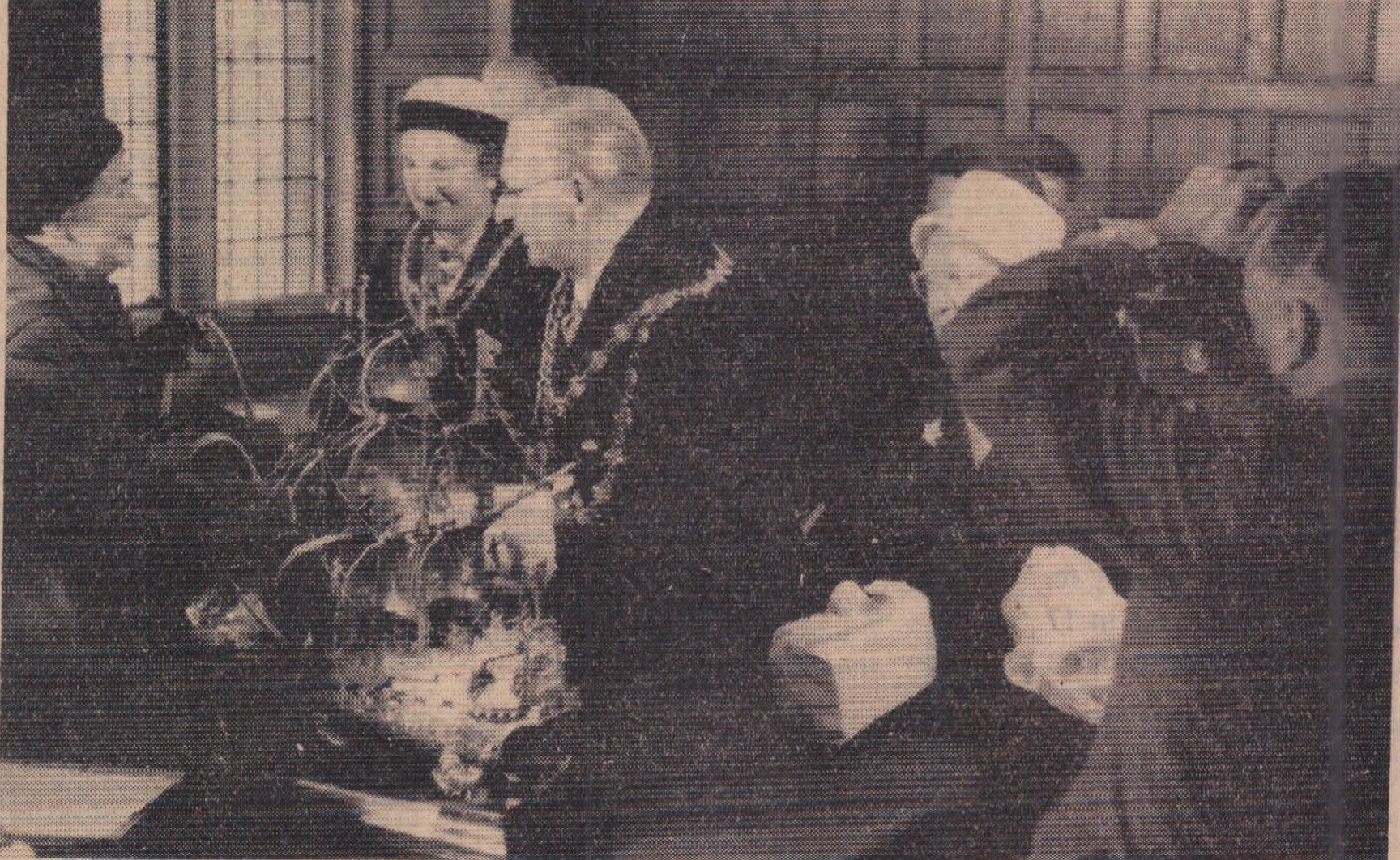
  • 65 Mayor becomes engine driver>
  • 66 Down at the 'Donkey House'

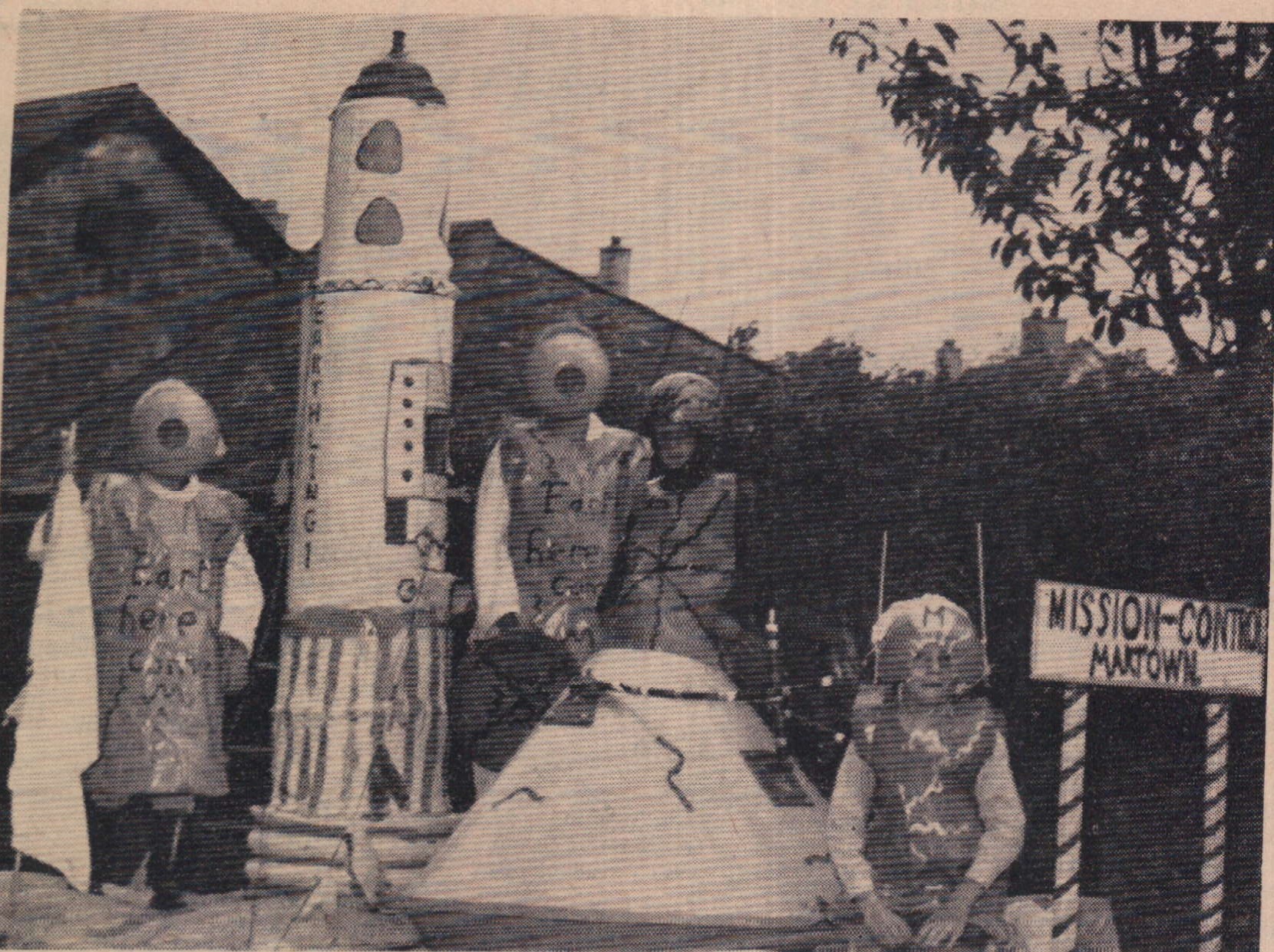
  • 67 Space dominates Hartland carnival

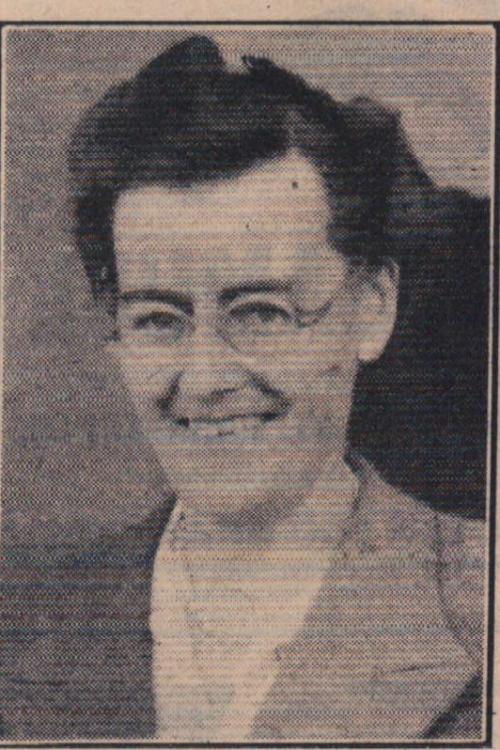
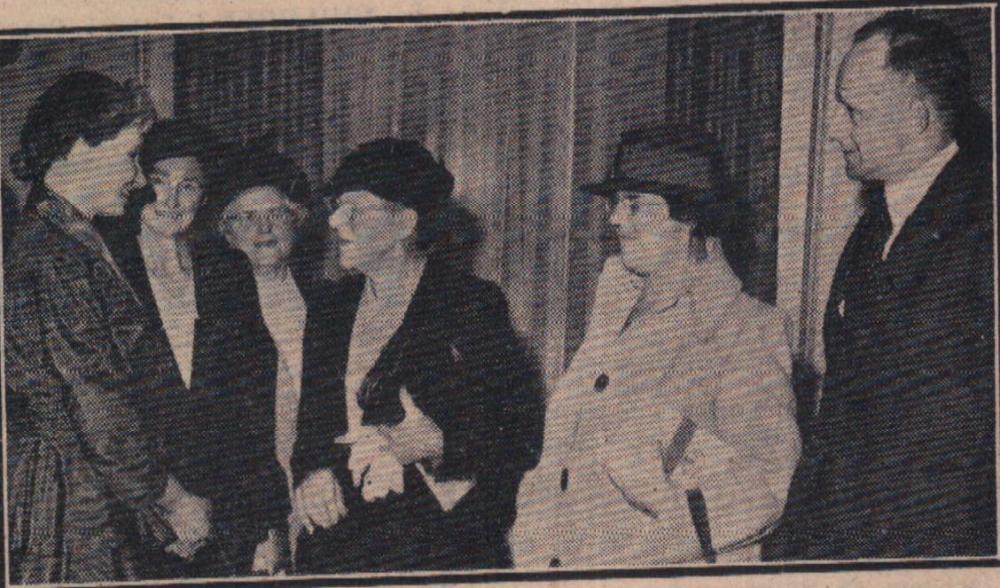
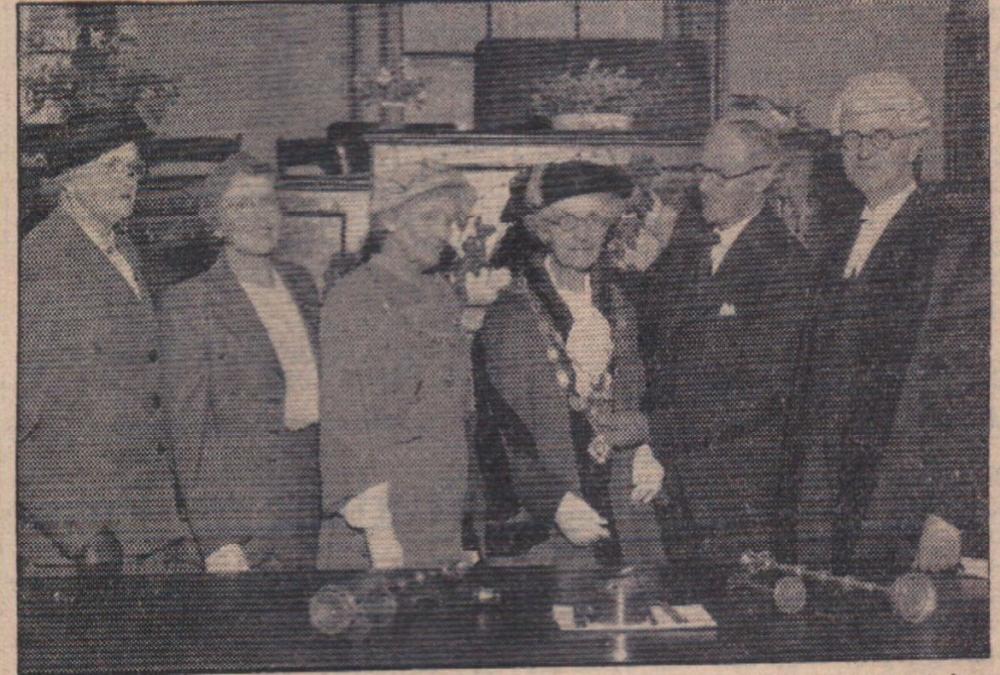
  • 68 Bideford's first woman councillor

  • 69 Making way for the double-deckers

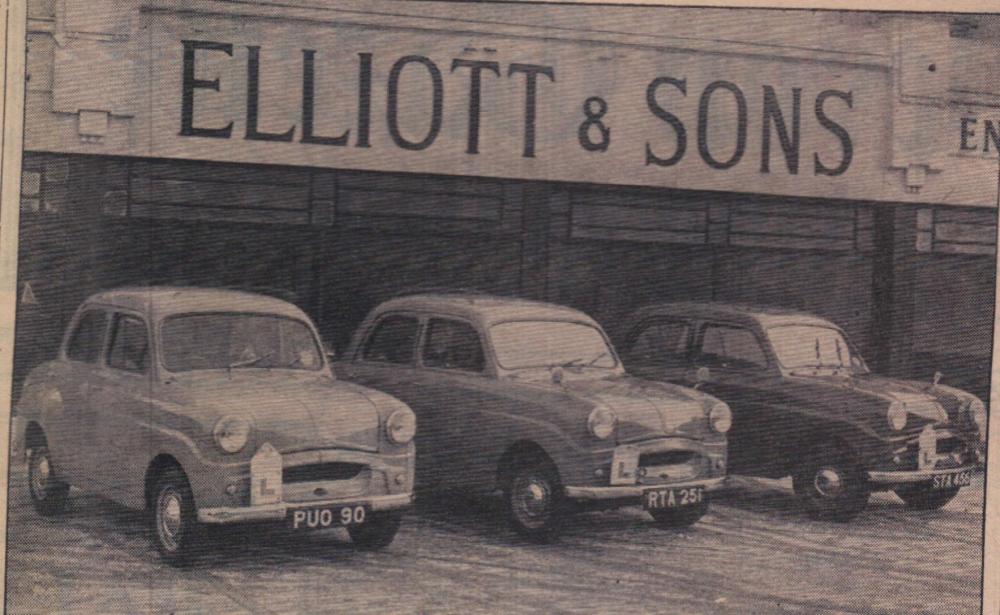
  • 70 North Devon Driving School

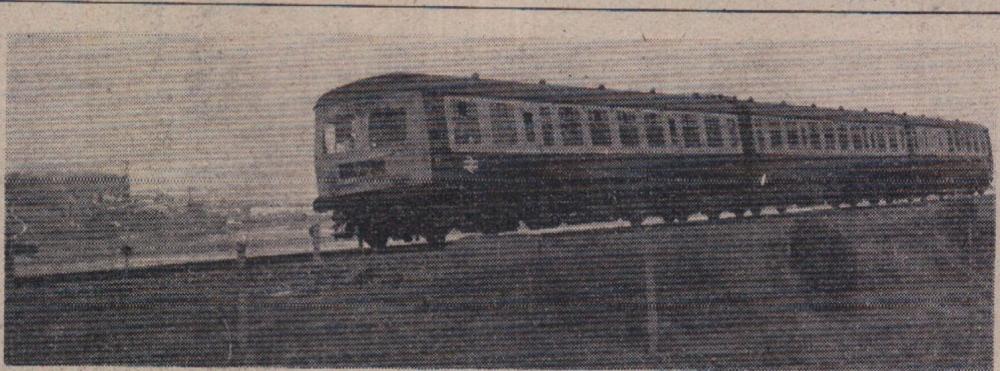
  • 71 Train returns to Westleigh straight

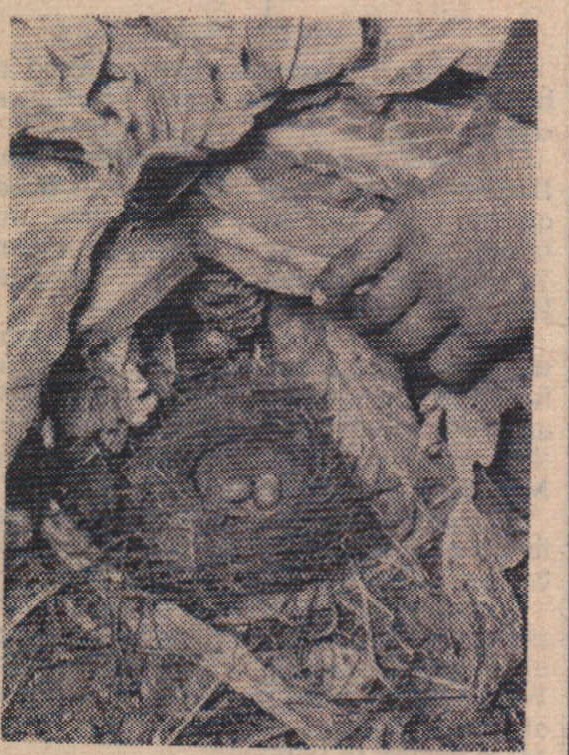
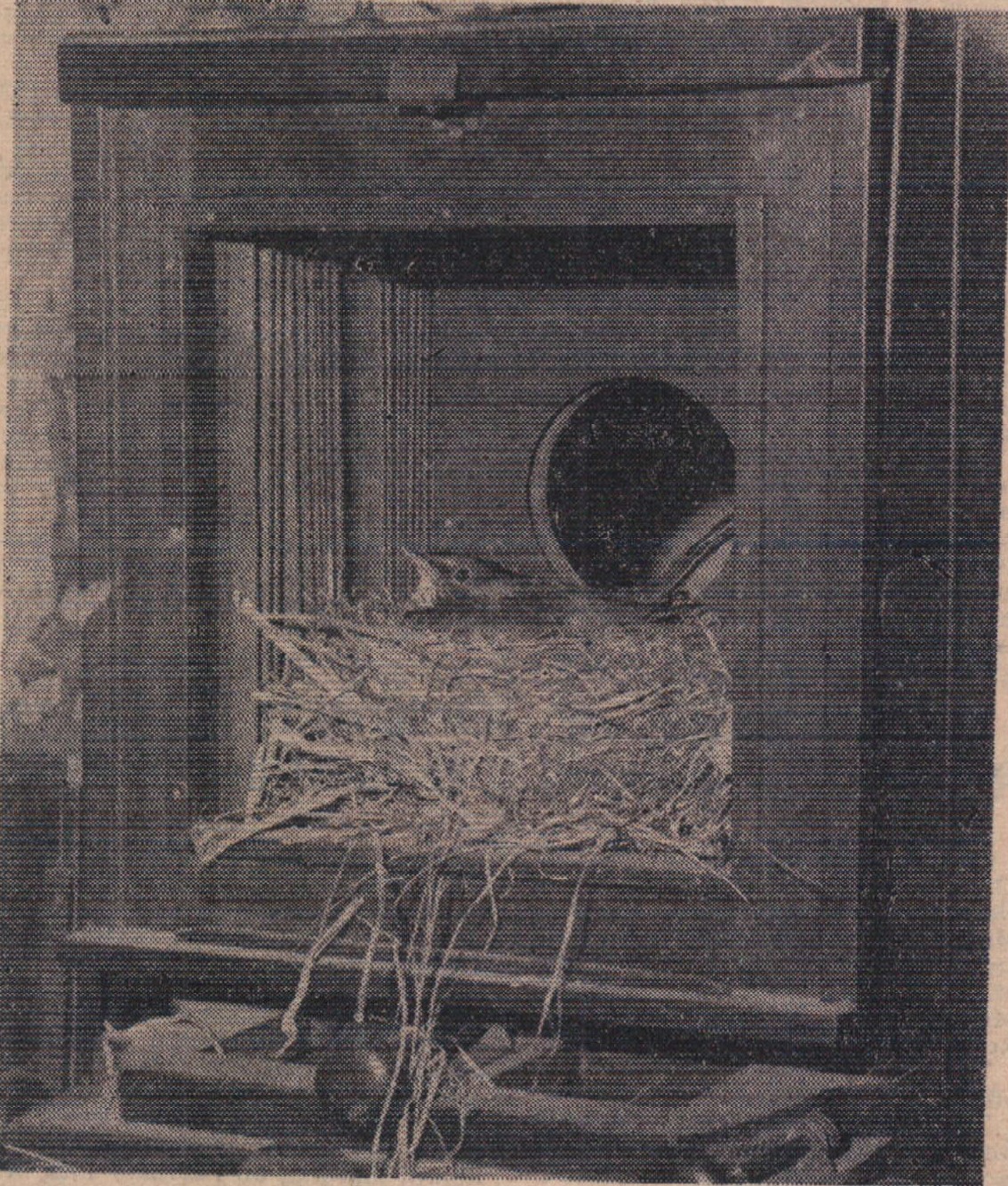
  • 72 Thrush builds nest in cauliflower

  • 73 East-the-Water sets town an example

  • 74 Filming at Hartland

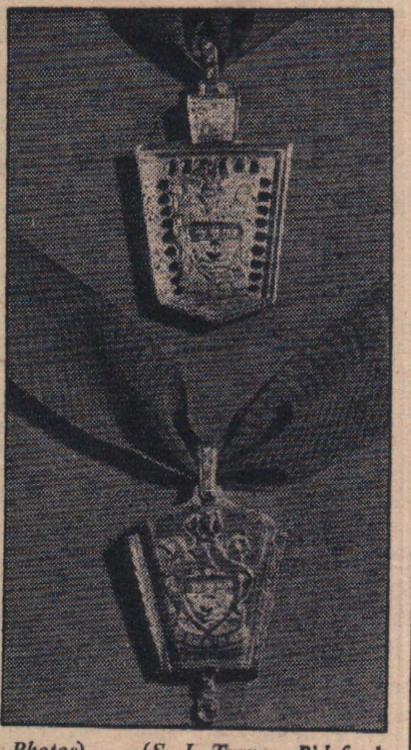
  • 75 New civic medallions

  • 76 Torrington's new amenity

  • 77 Revived market off to splendid start

  • 78

    Birgitta Whittaker
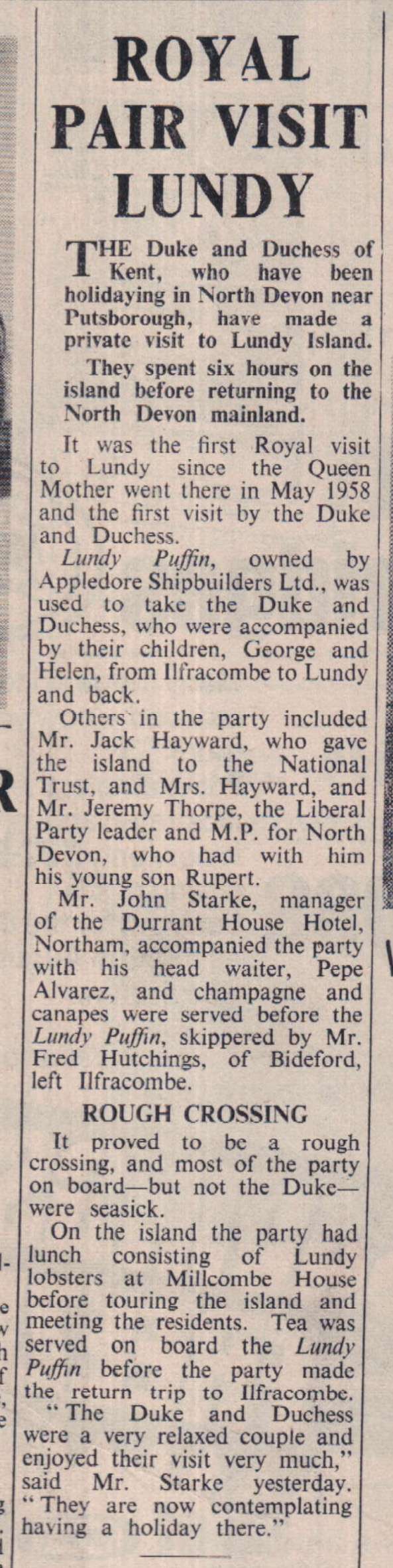
  • 79 Royal prince visits Torridge-side

  • 80

    Holidaying in north Devon
  • 81 New shipyard on schedule

  • 82 Variety in summer weather

  • 83 Found the answer waiting for him>
  • 84 In their new robes and hats

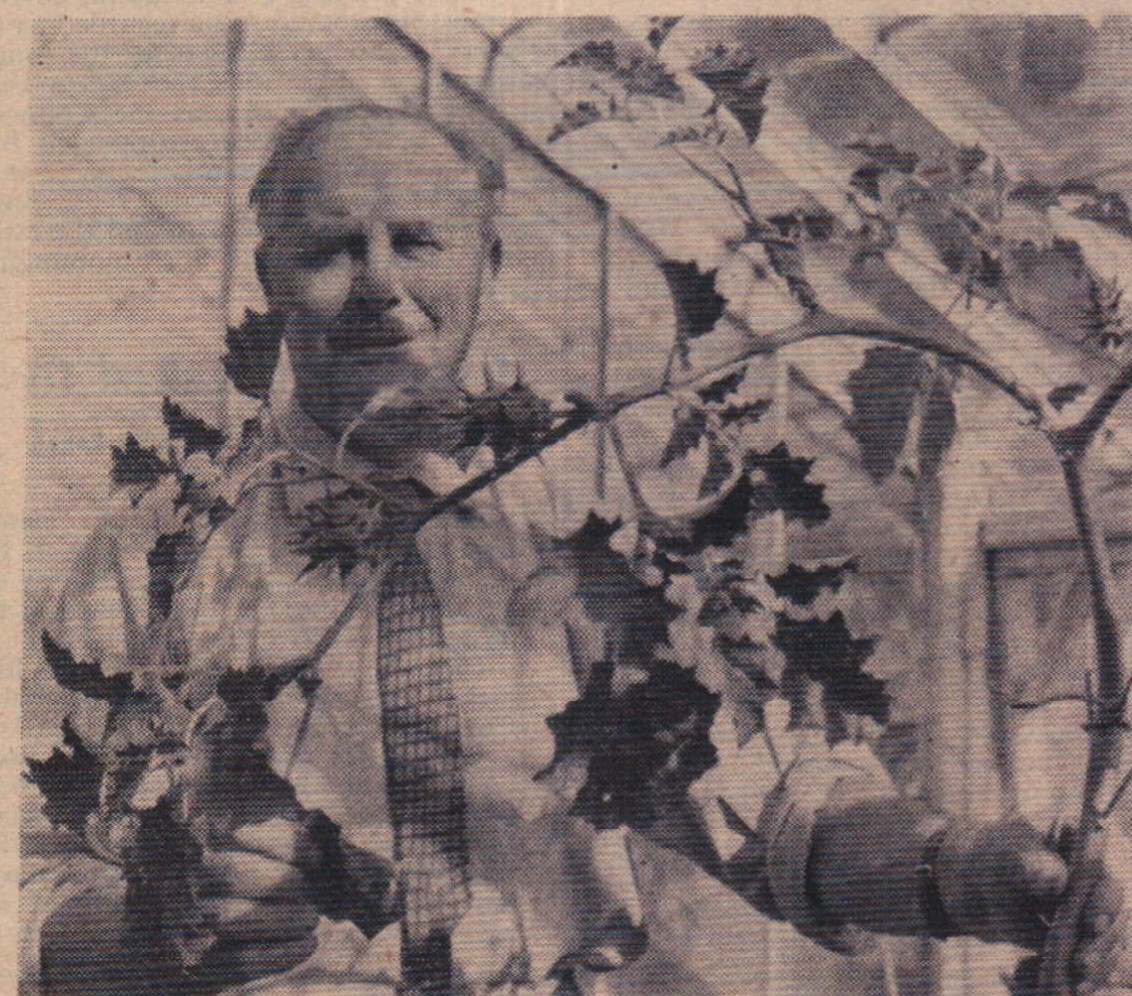
  • 85 Thorn-apple found in Littleham conservatory

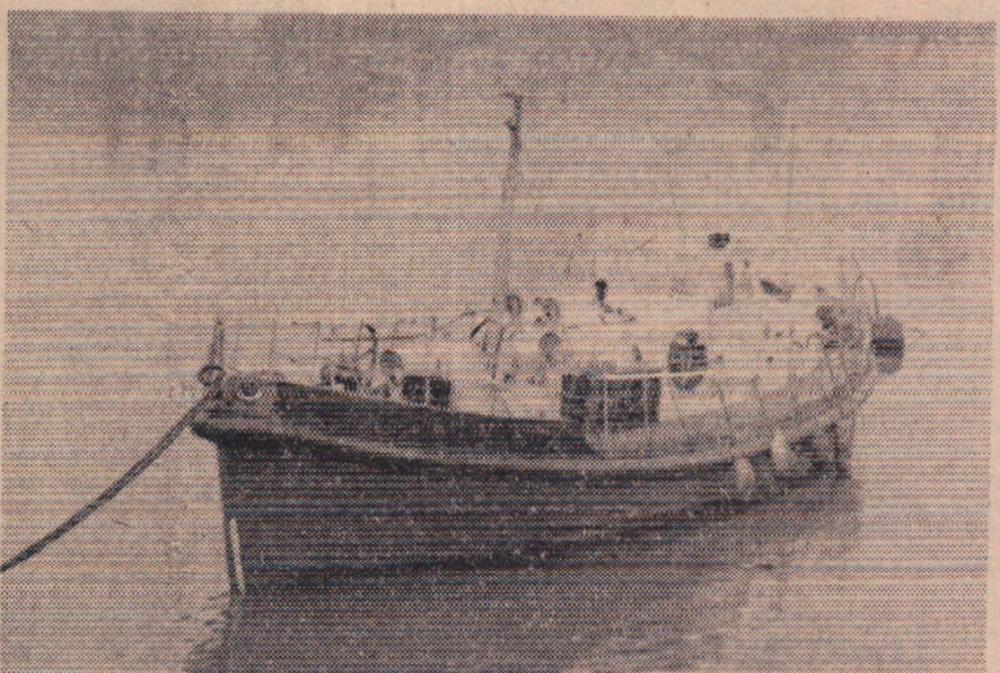
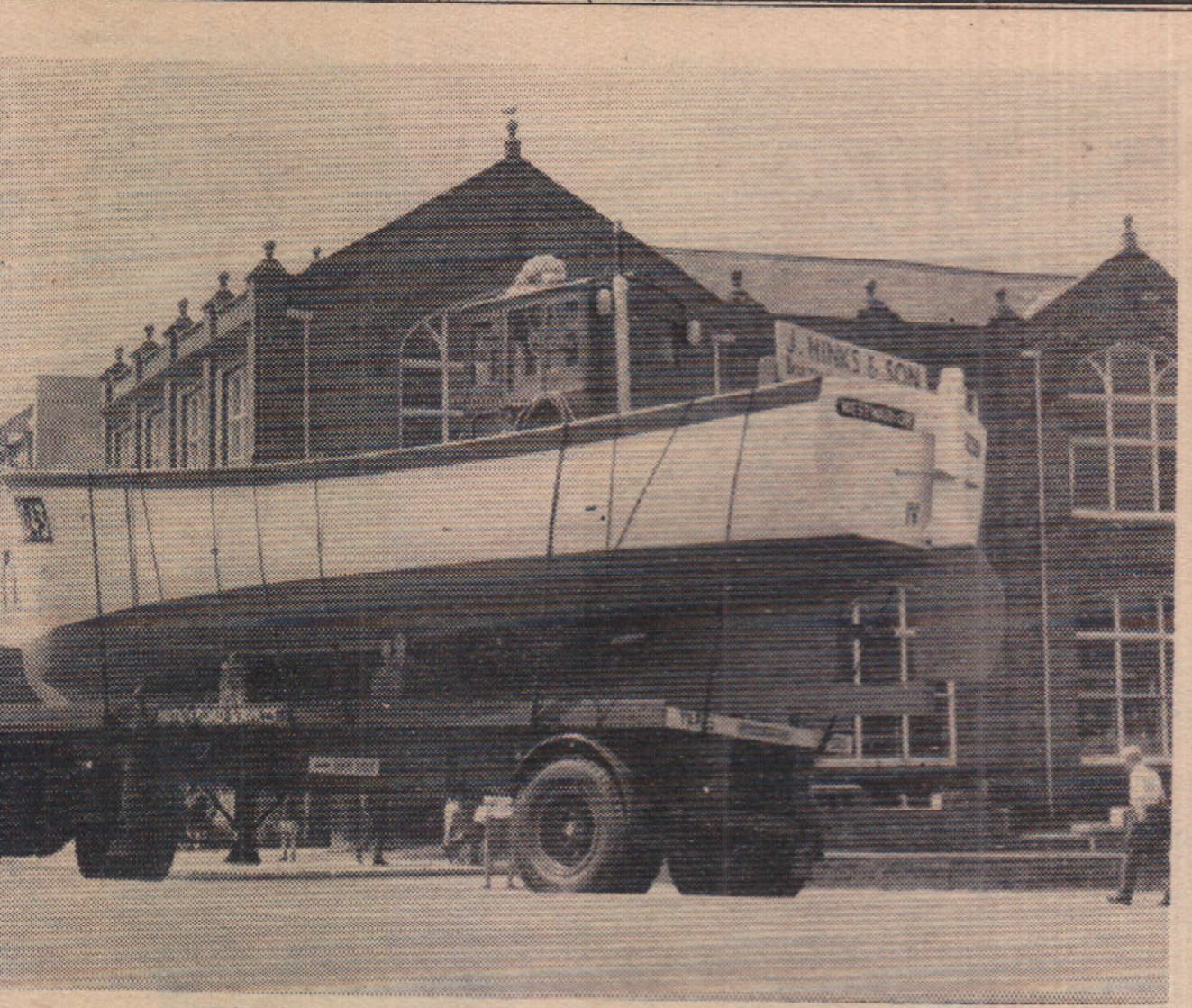
  • 86 Appledore's new lifeboat

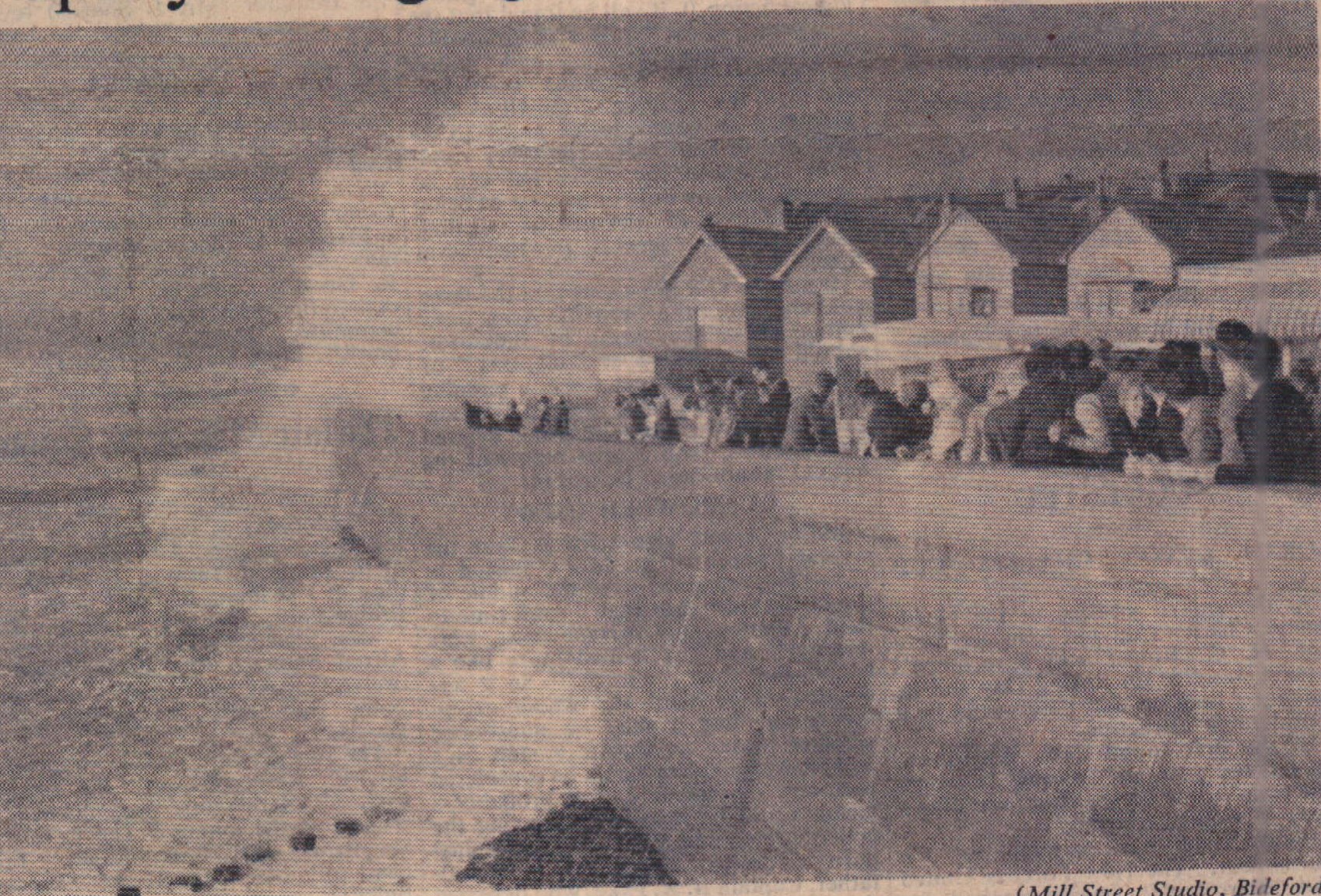
  • 87 Spray dodging - the new pastime

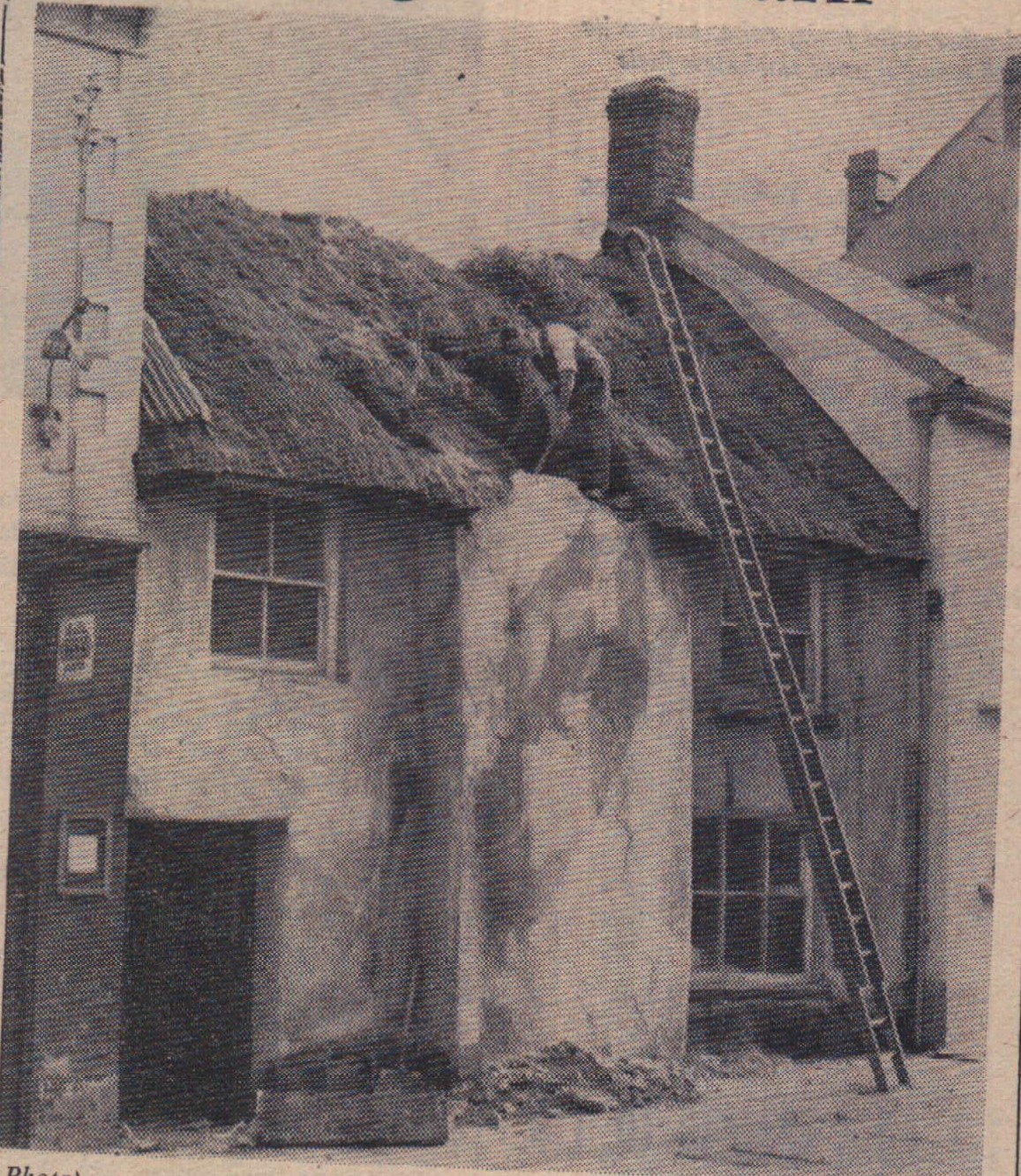
  • 88 Northam loses thatched cottage landmark

  • 89 Recognise this resort?

  • 90 No laughing matter

  • 91 Bicycle now does donkey work

  • 92

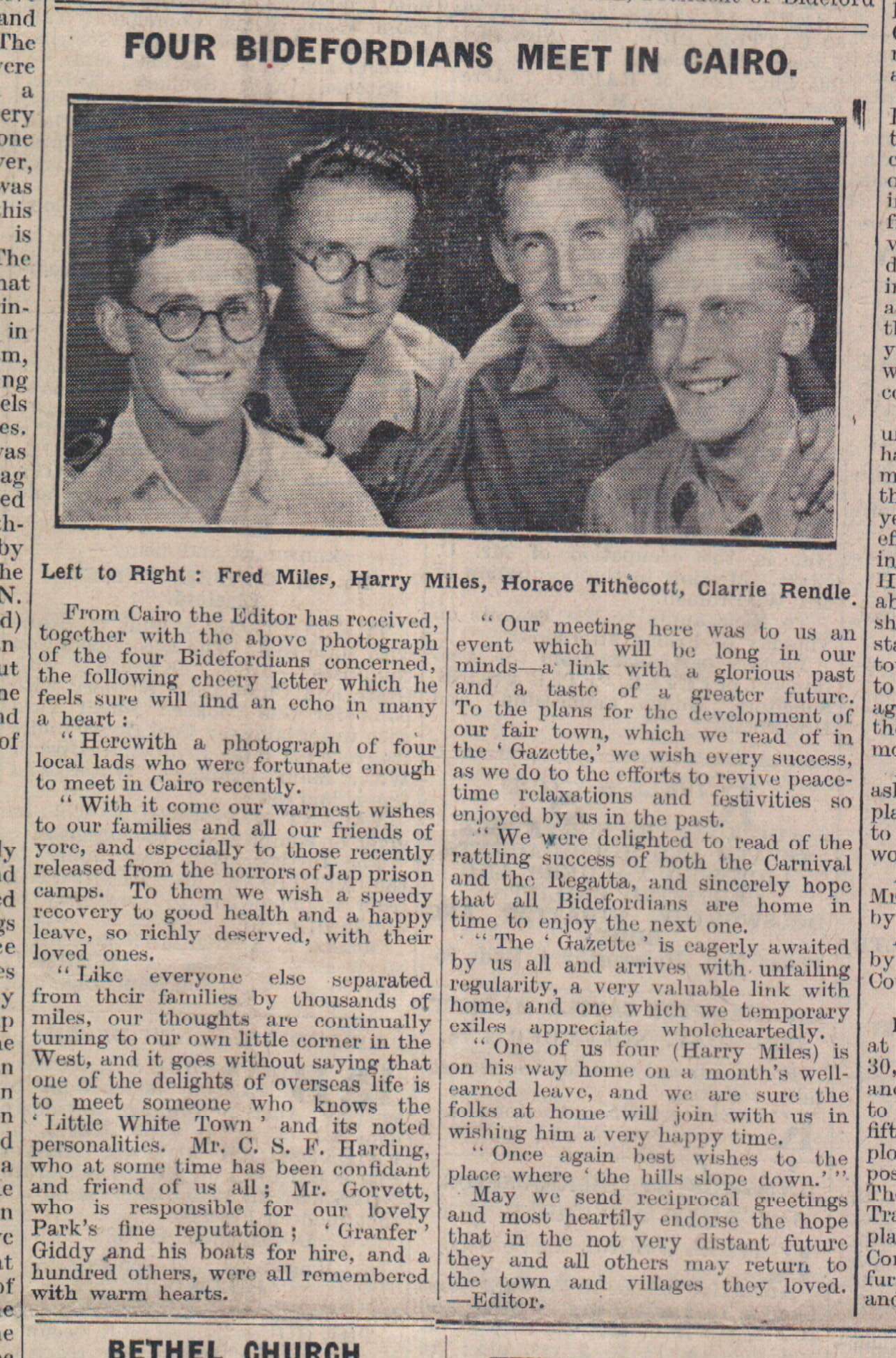
    Bidefordians
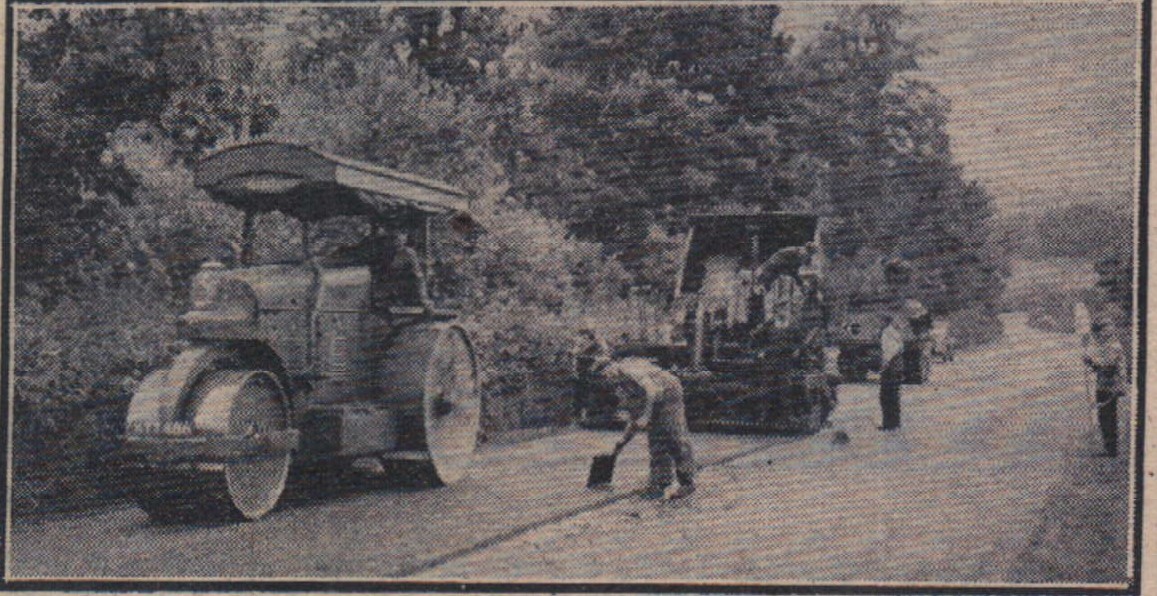
  • 93 Bideford-Torrington road gets 'carpet coat'

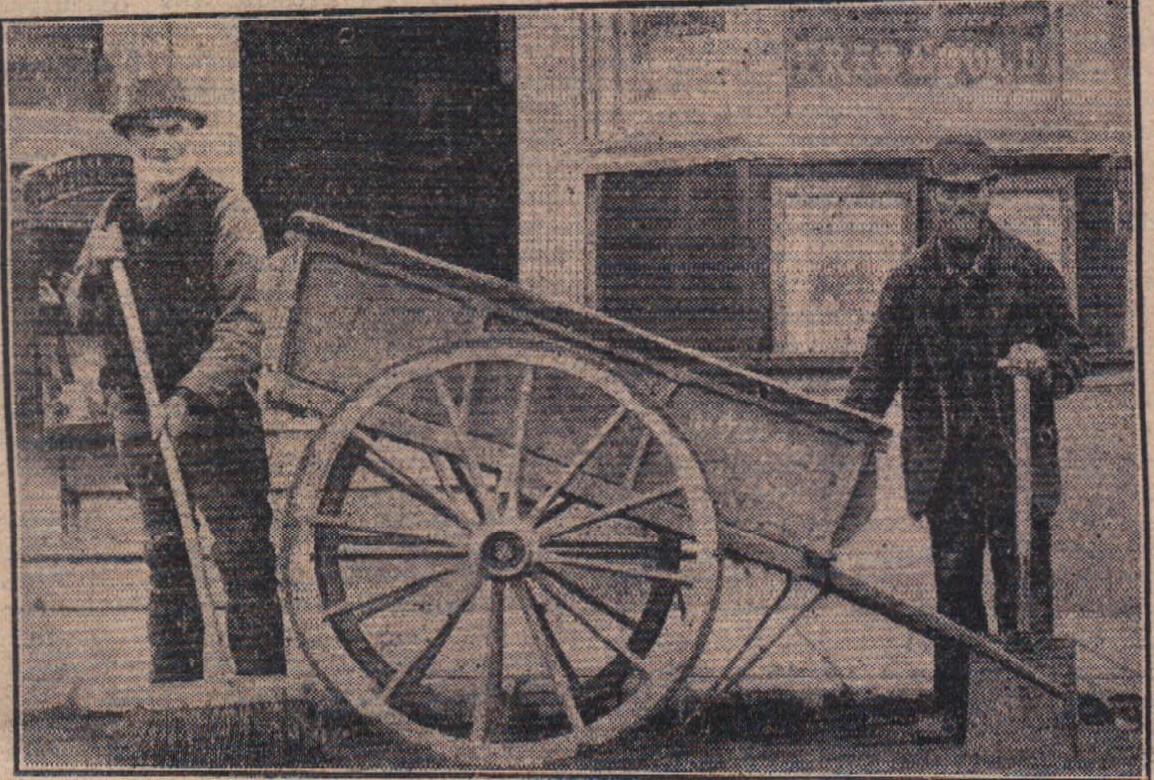
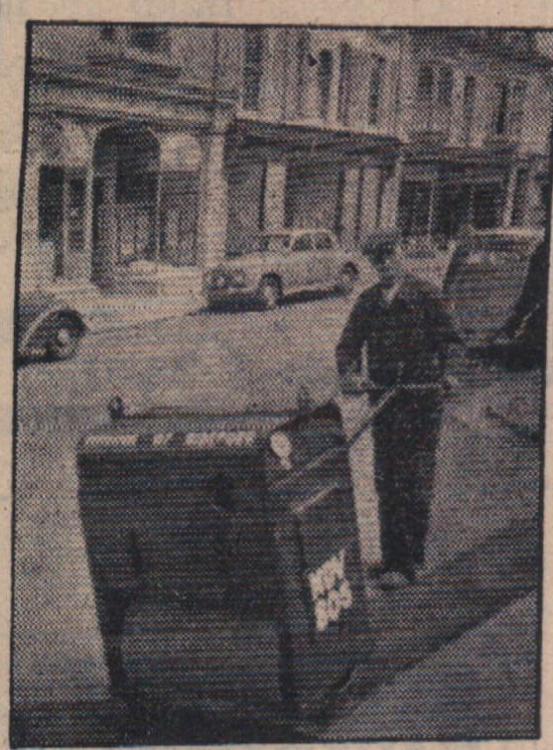
  • 94 Dustmen of the days of yore>
  • 95 New look for Torrington Lane

  • 96 Panto time at Westward Ho!

  • 97 Ten year old scrambler

  • 98 First steel ship built at Bideford

  • 99 Fishermen of Greencliff

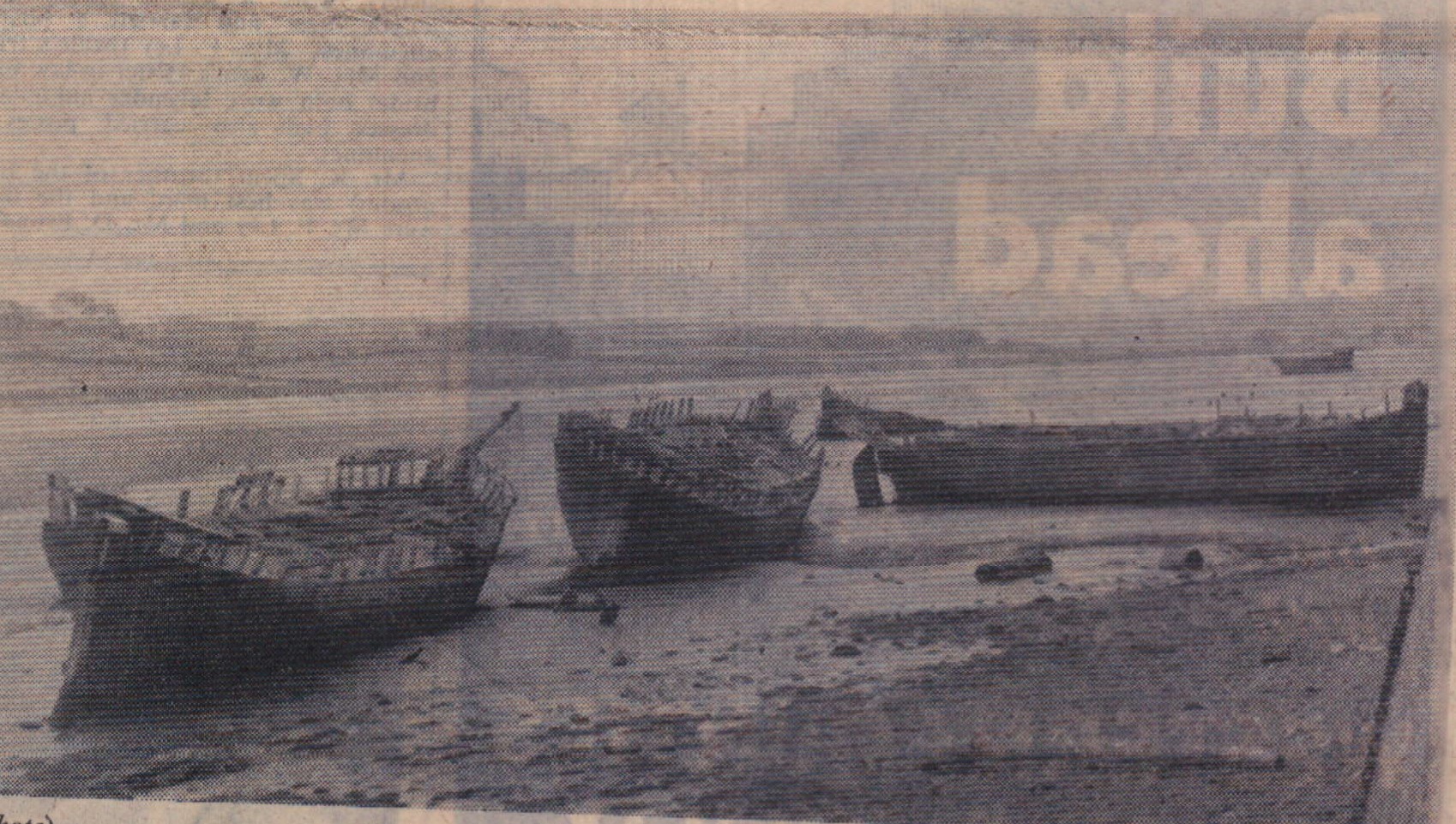
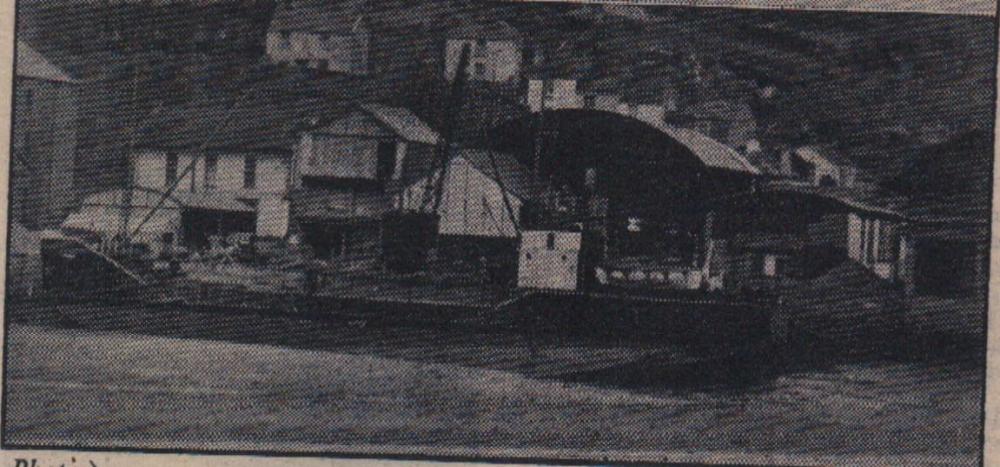
  • 100 Torridge graveyard of wooden hulks

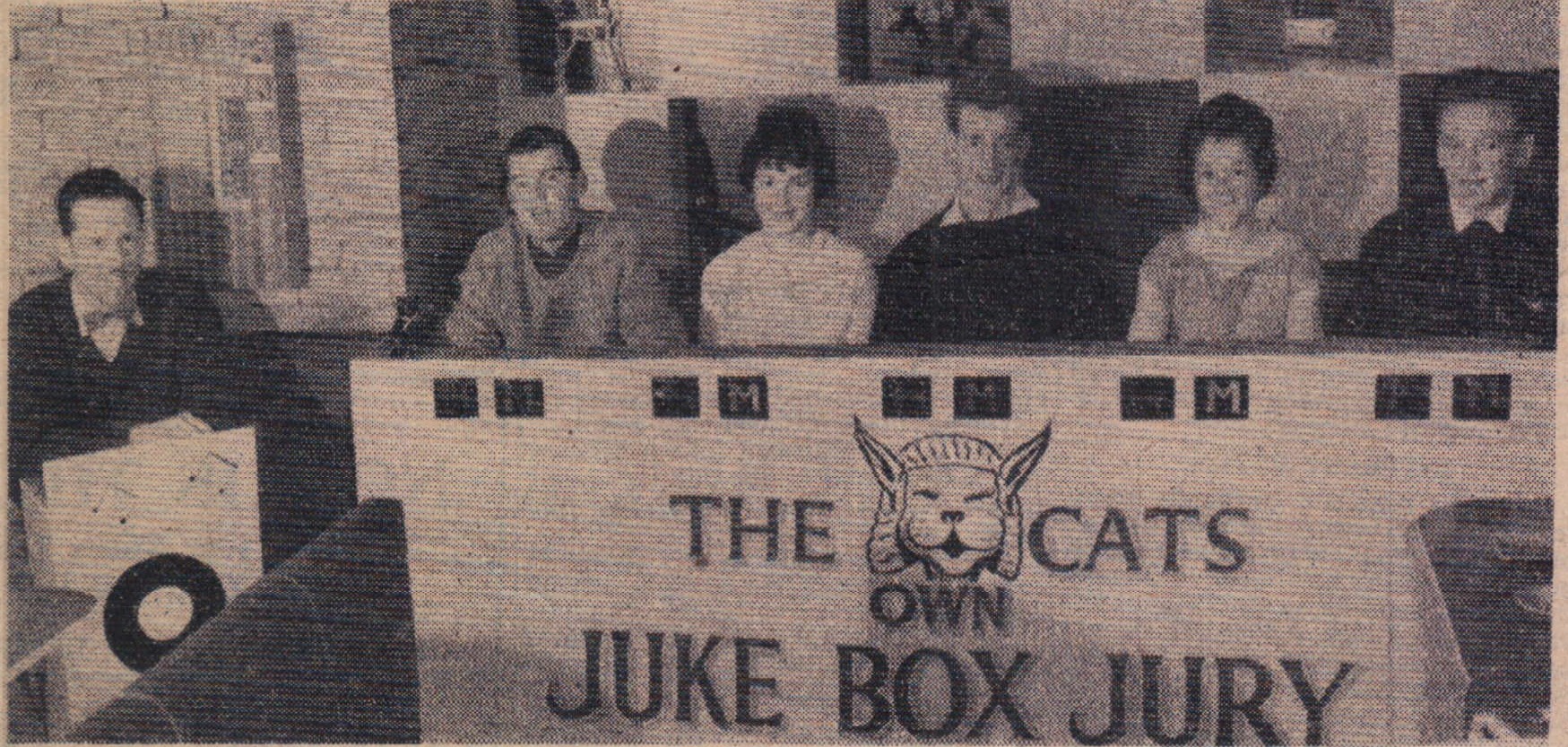
  • 101 Picking the pops

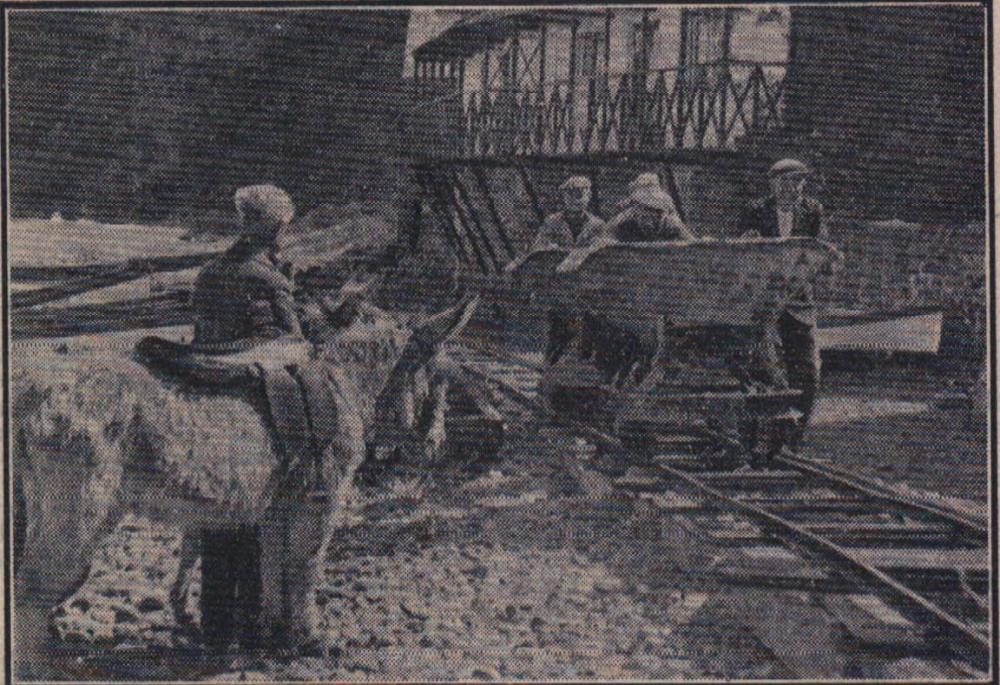
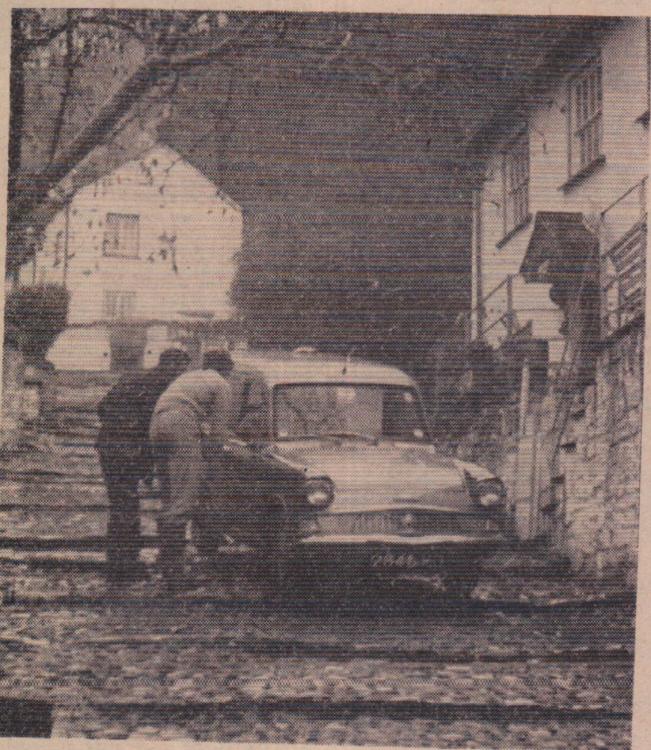
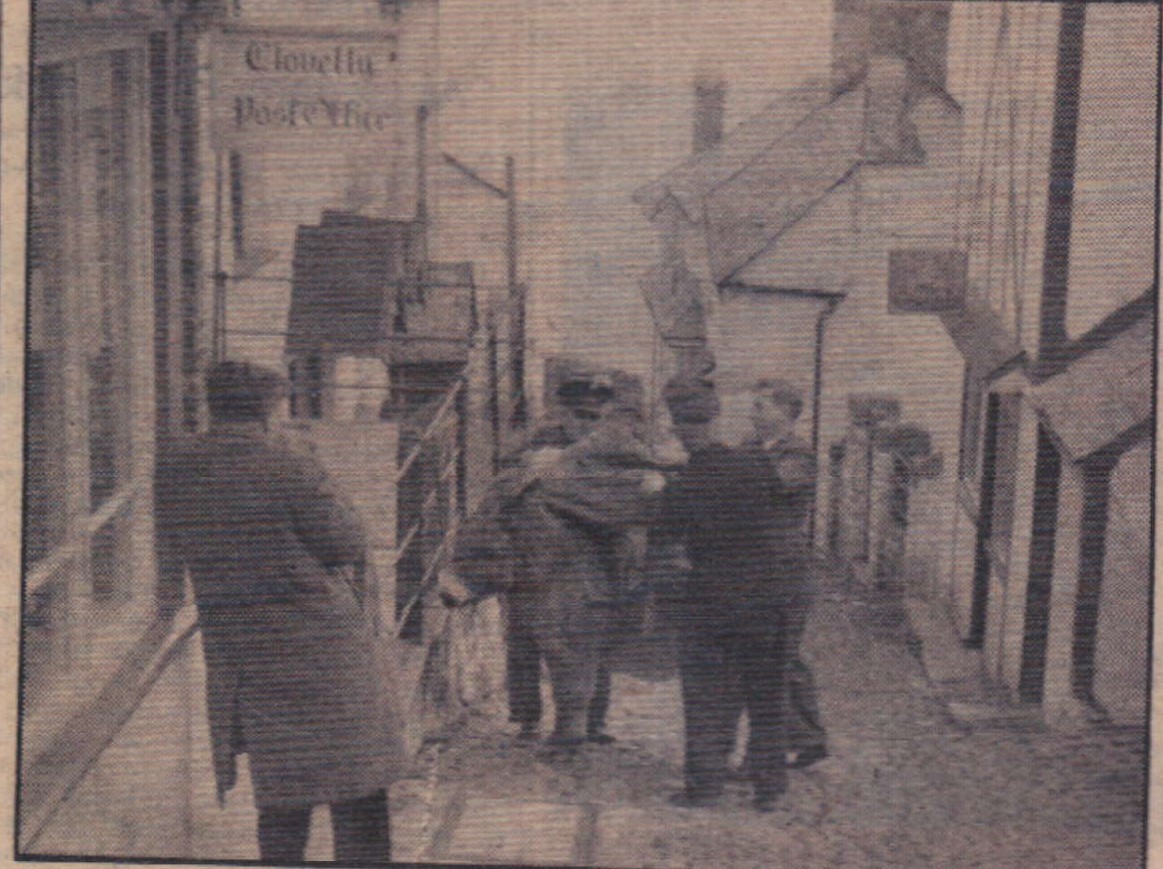
  • 102 Donkey work made easier at Clovelly

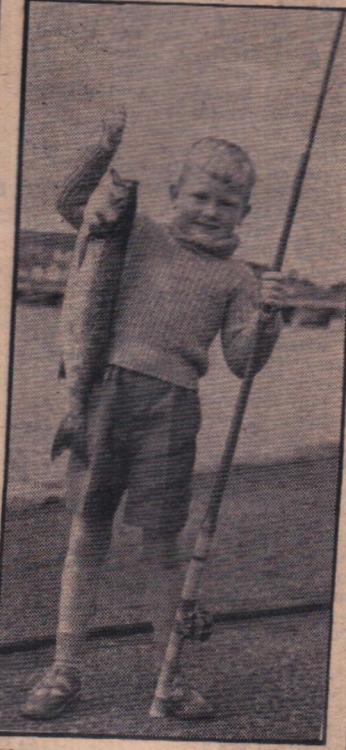
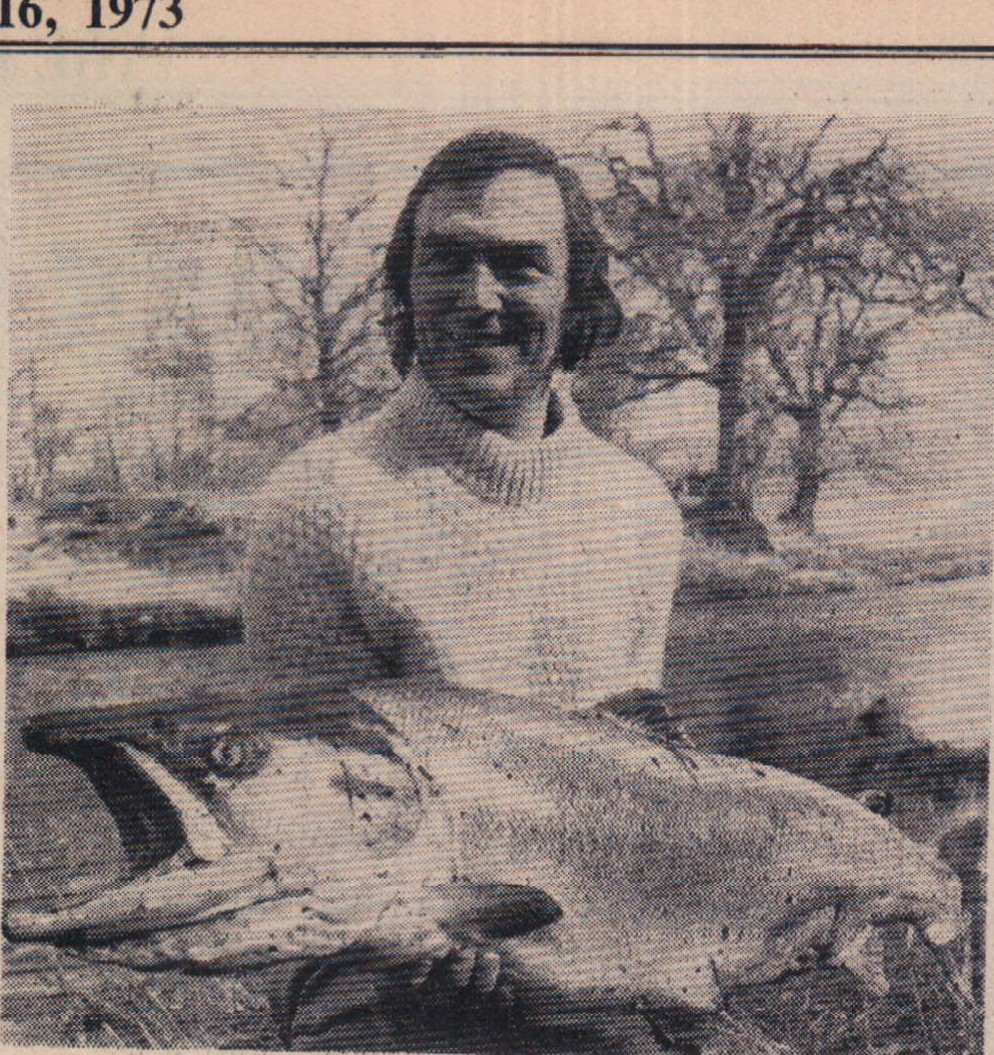
  • 103 Fish nearly pulled him in

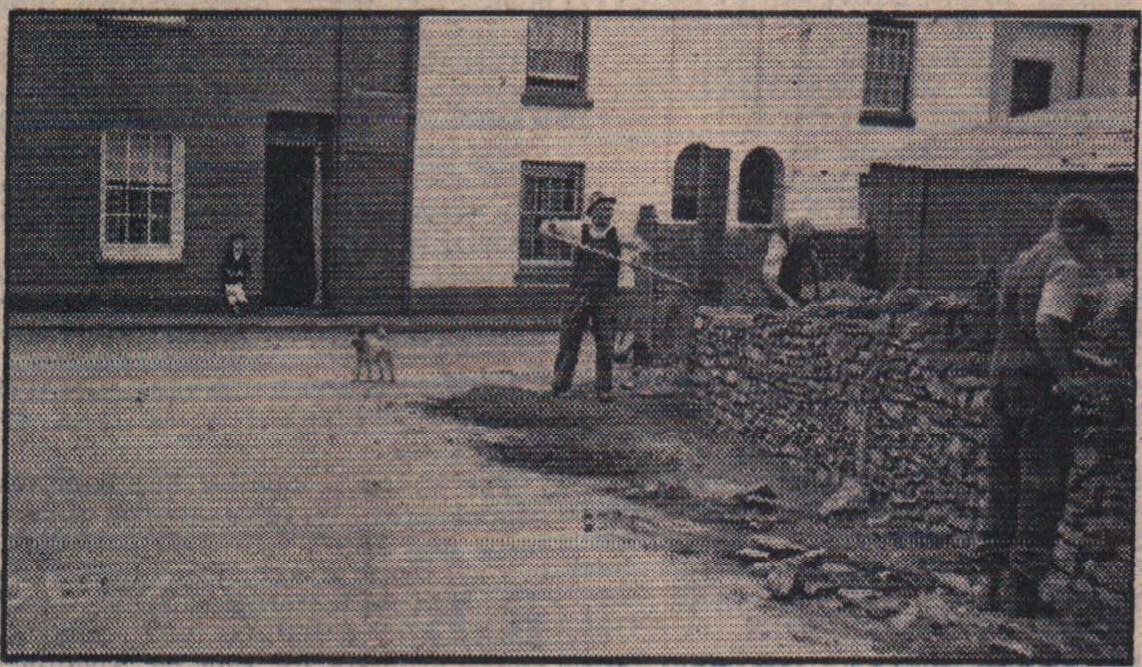
  • 104 TV features Bideford's New Year bread ceremony

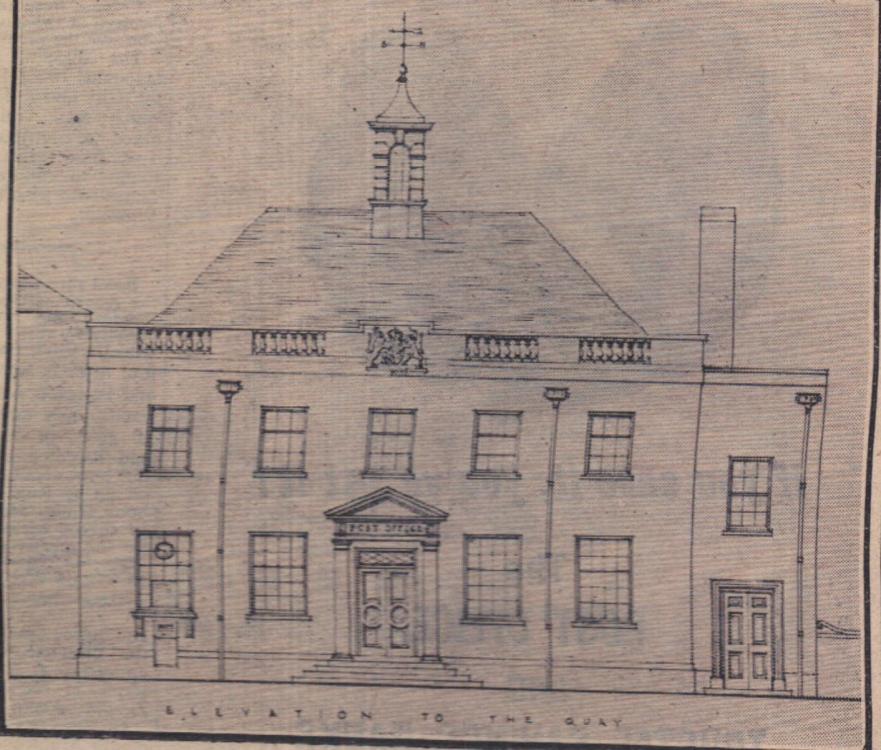
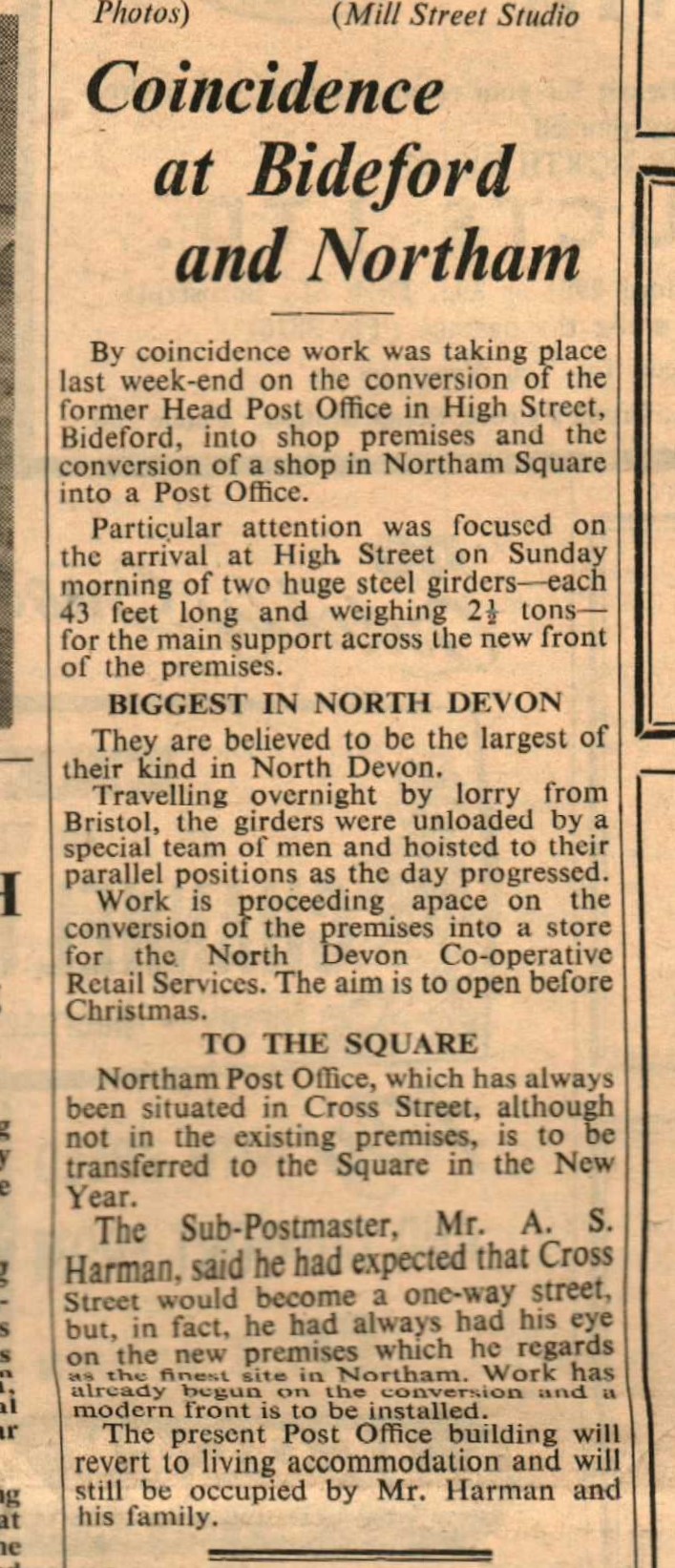
  • 105 New Post Office

  • 106 Parkham plan realised

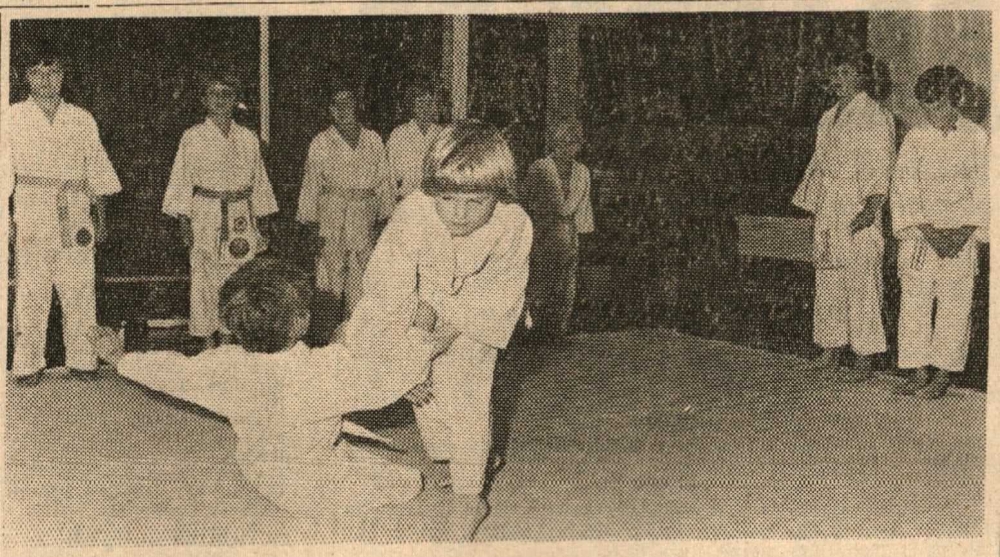
  • 107

    Andre Veillett and Quentin Reed in Judo Demonstration
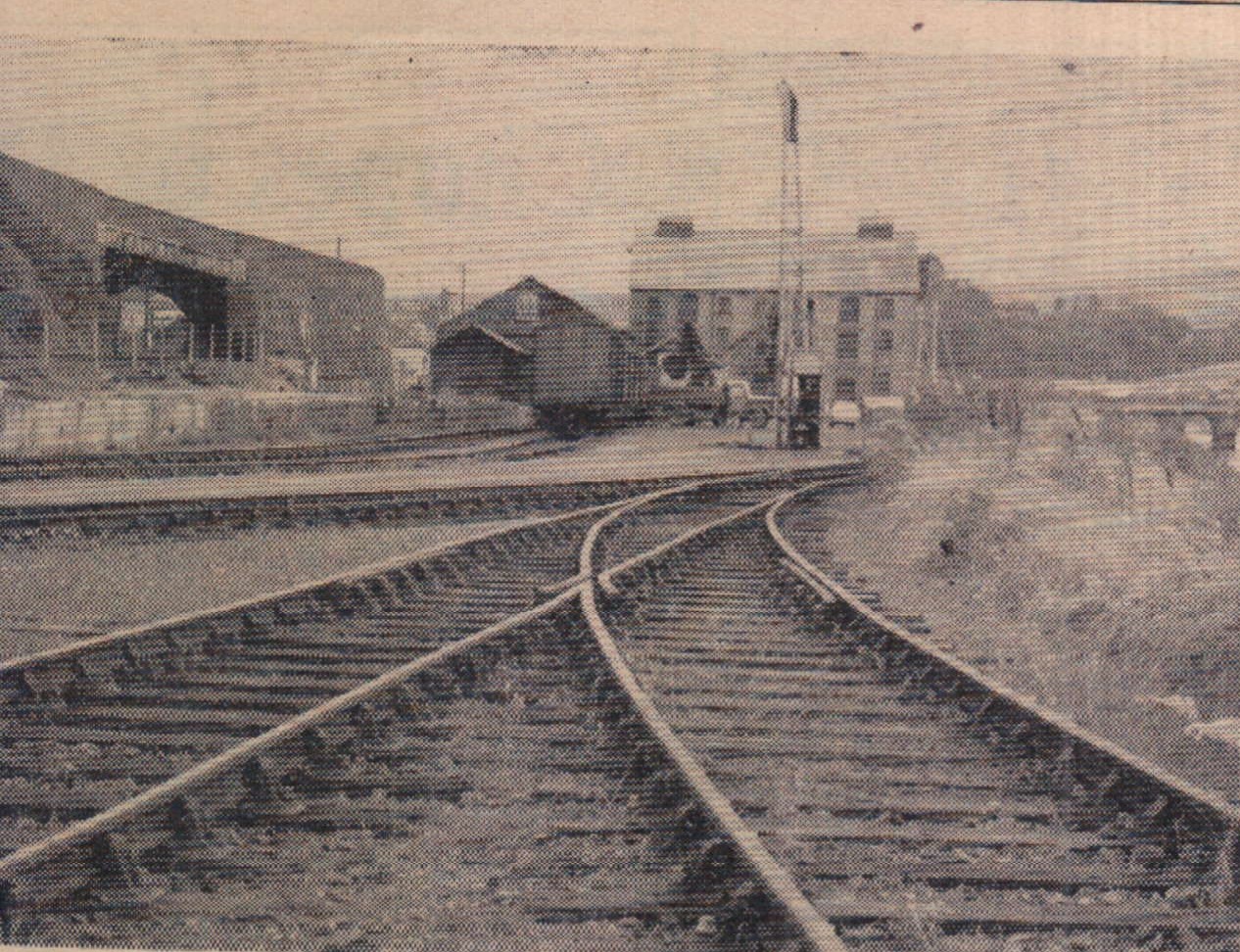
  • 108 What is future of railway goods yard?
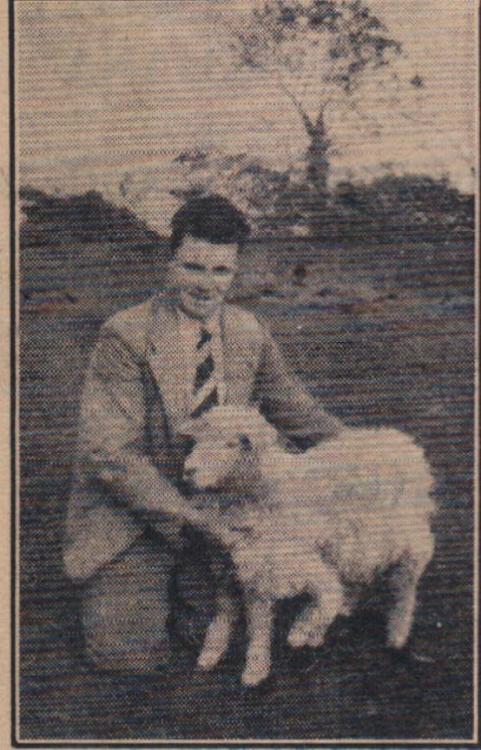
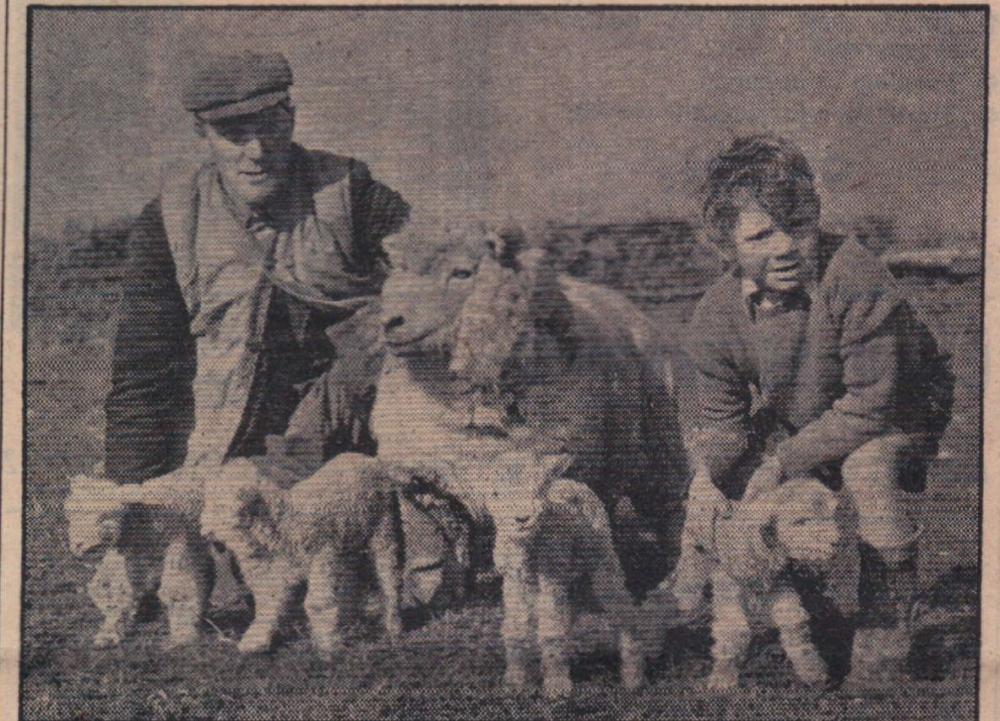
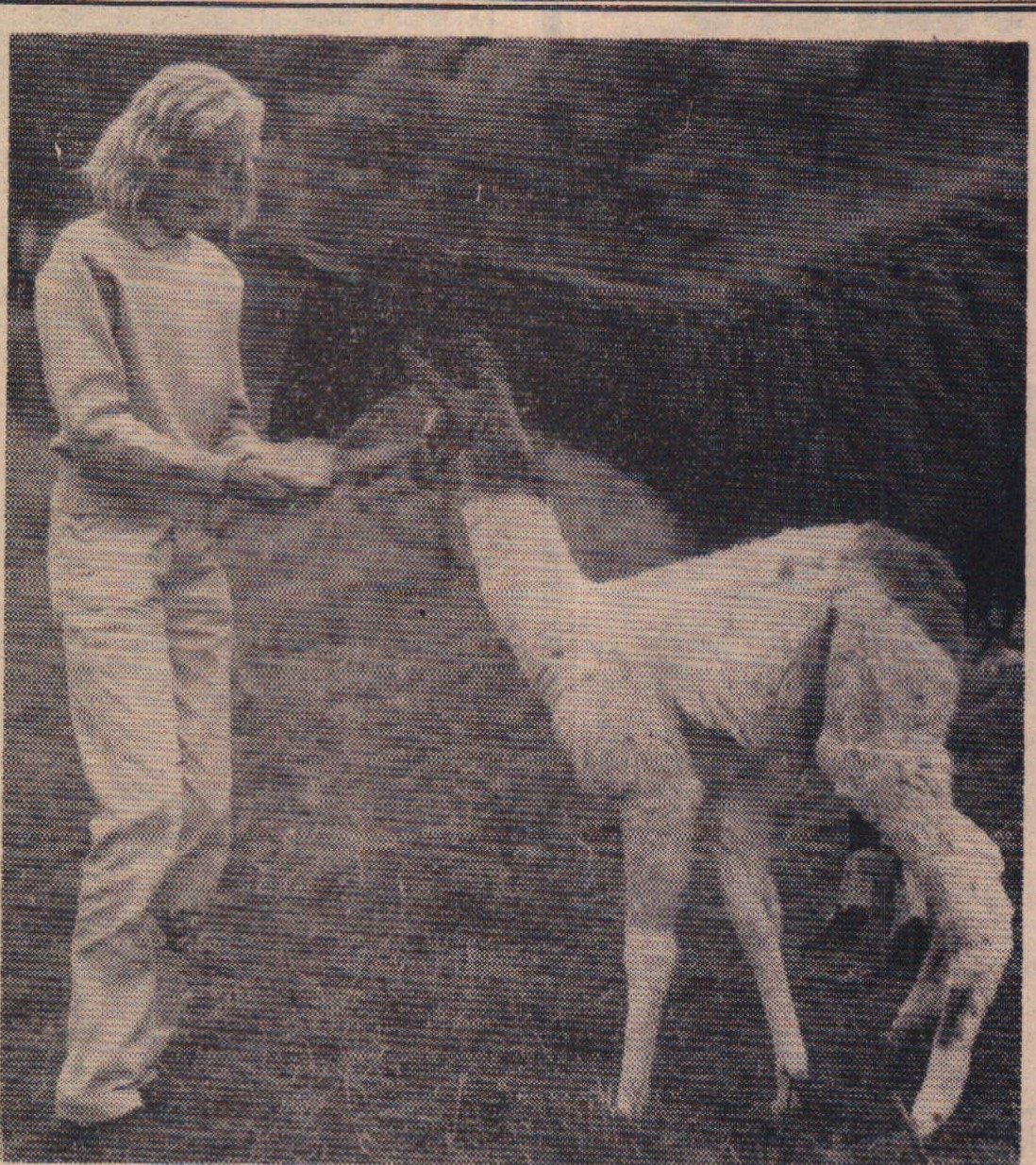
  • 109 Six footed lamb

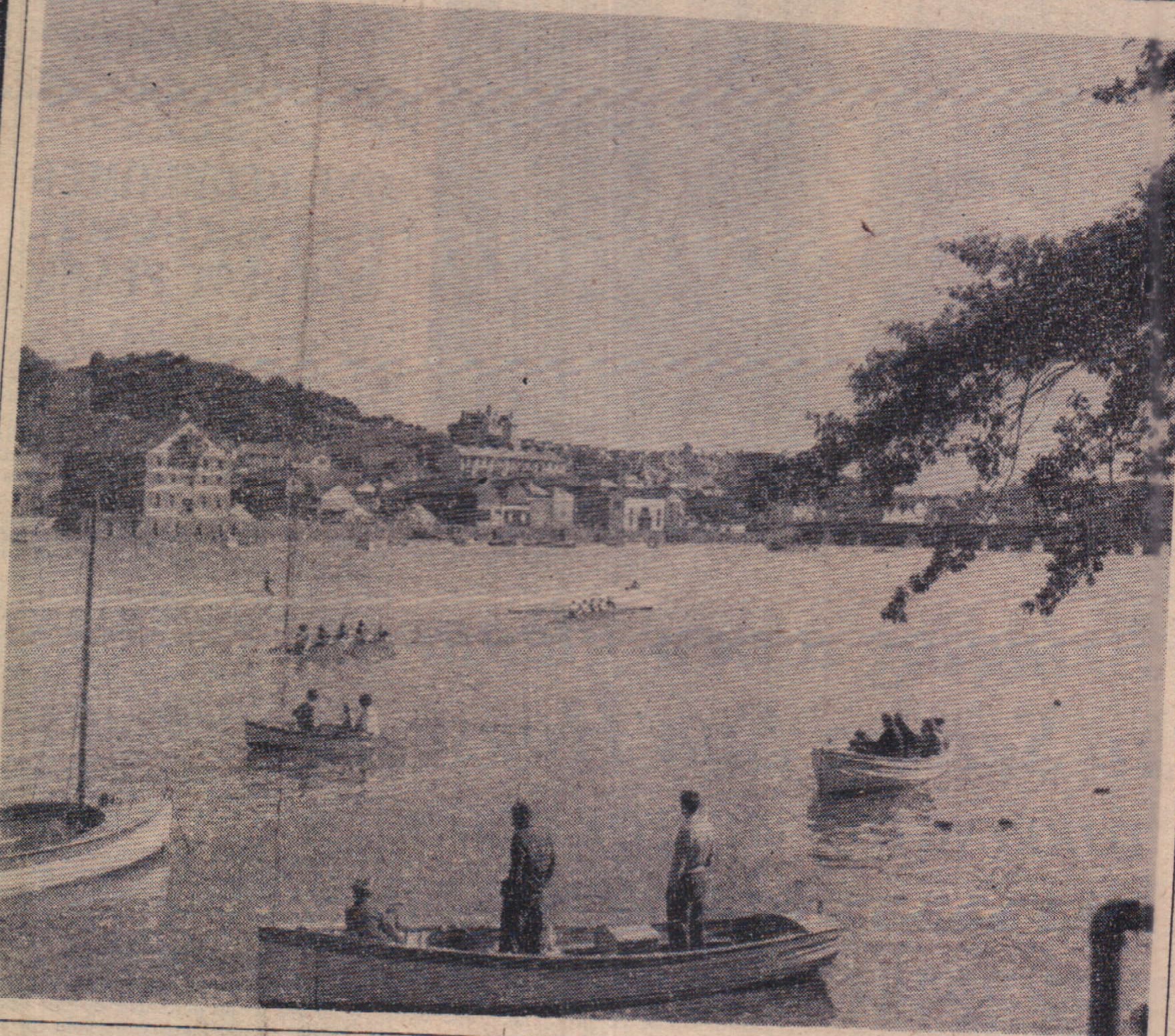
  • 110 Bideford regatta

  • 111 Traditions and skills still there

  • 112 'Out of Appledore' sailing memories

  • 113 Eight to strike and a race to win

  • 114 Watch the dicky bird!

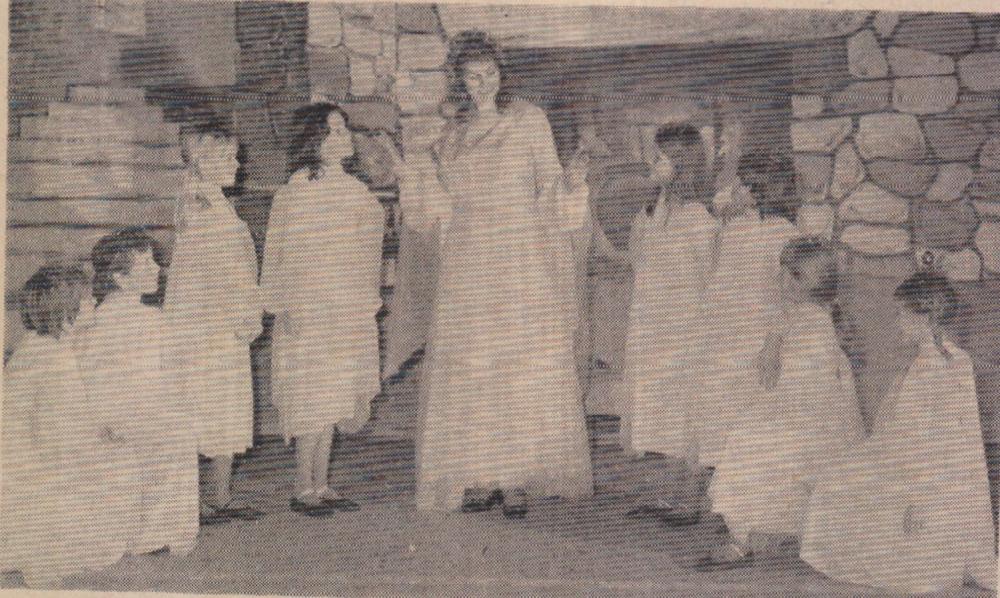
  • 115

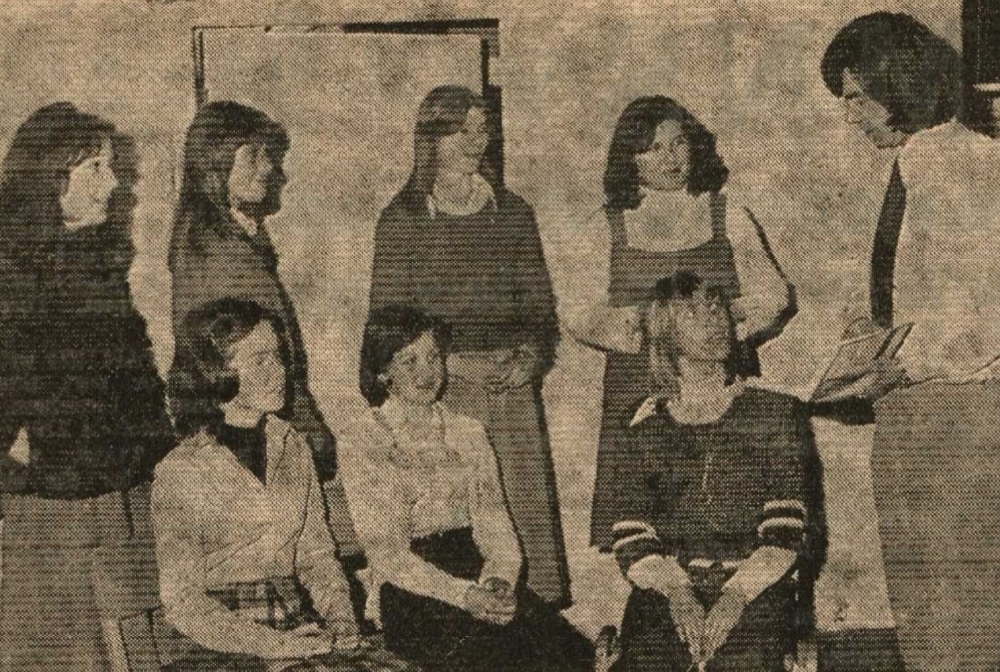
    First Girls at Bideford Grammar School take part in Play
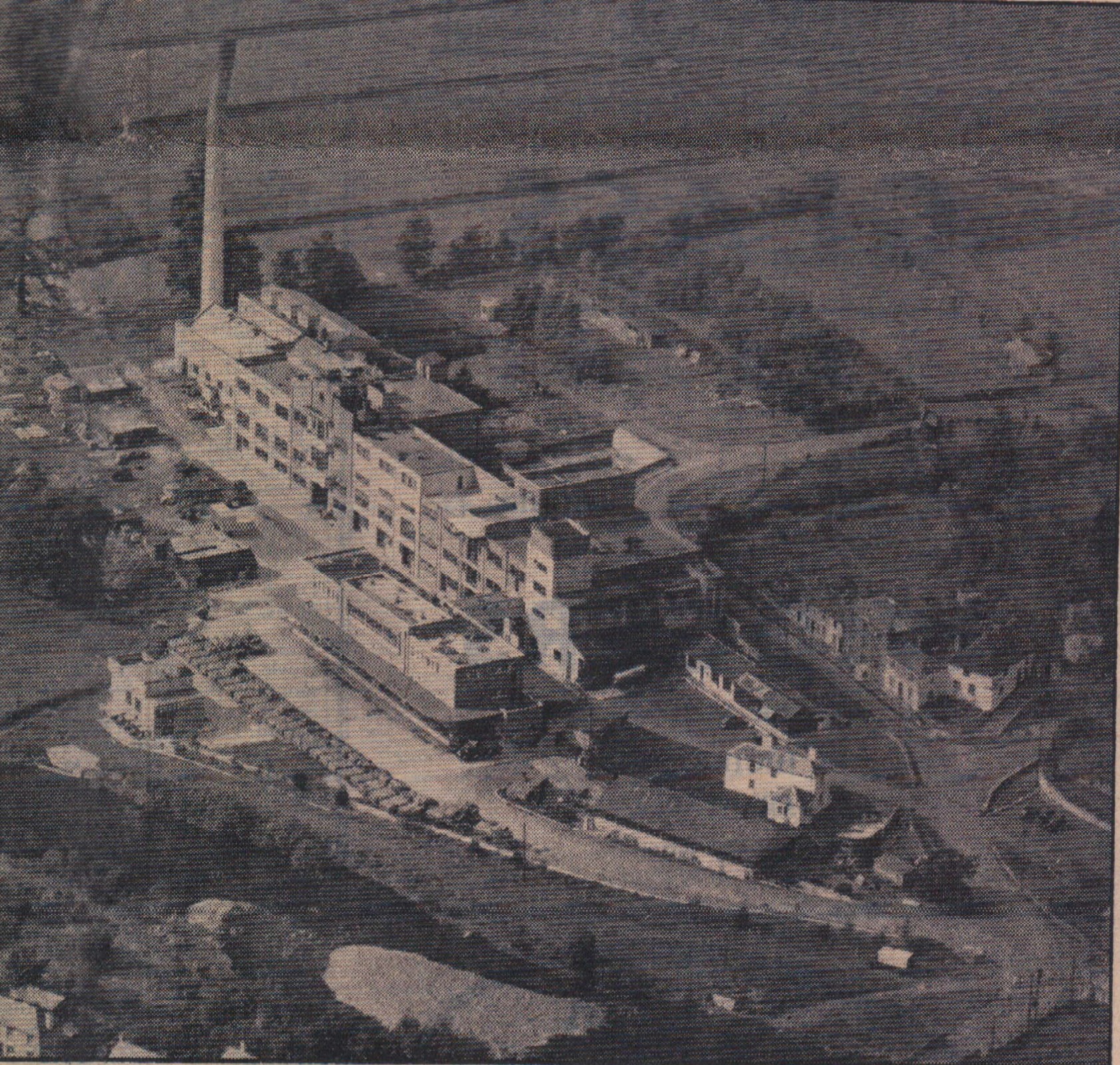
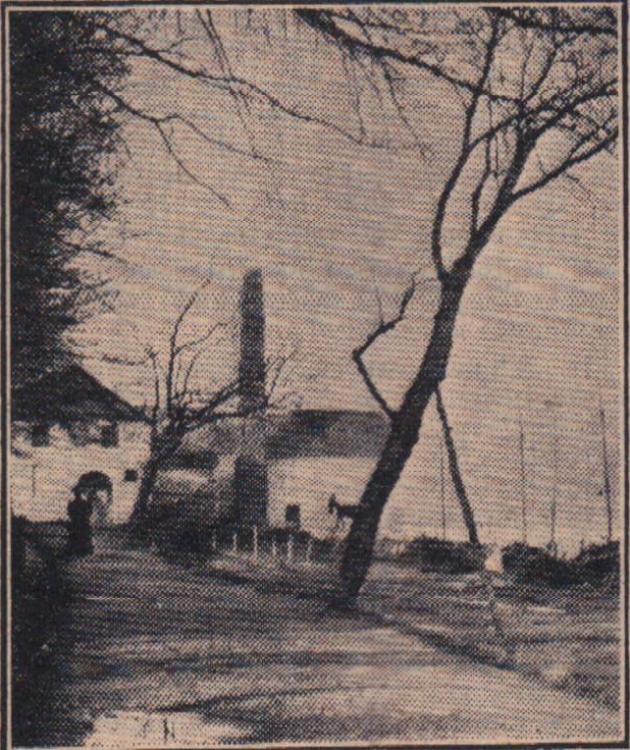
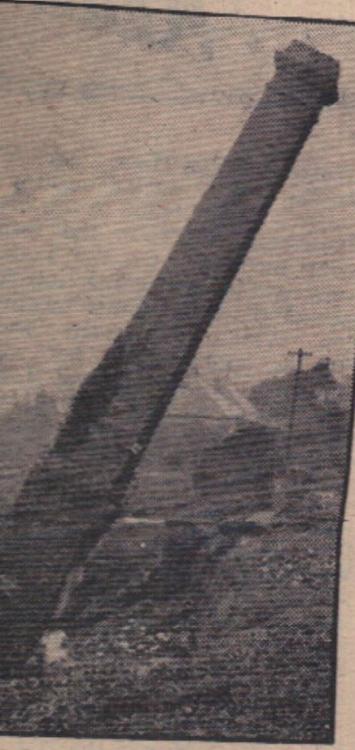
  • 116 Last of Bideford factory chimney

  • 117

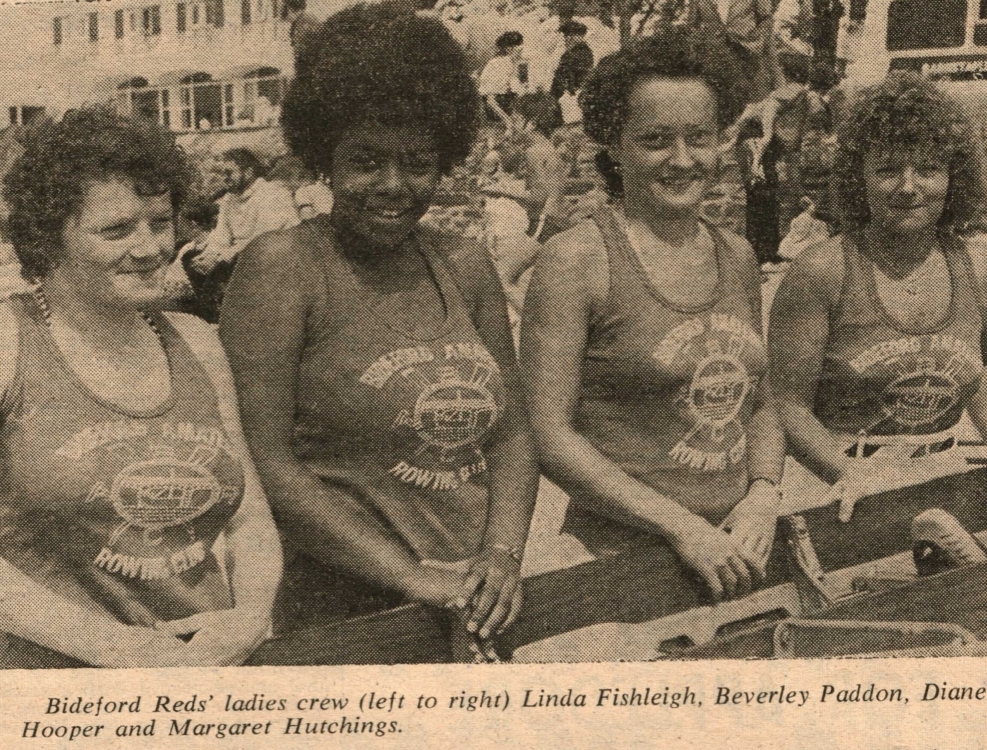
    Reds Womens Team Are First To Compete Throughout Season
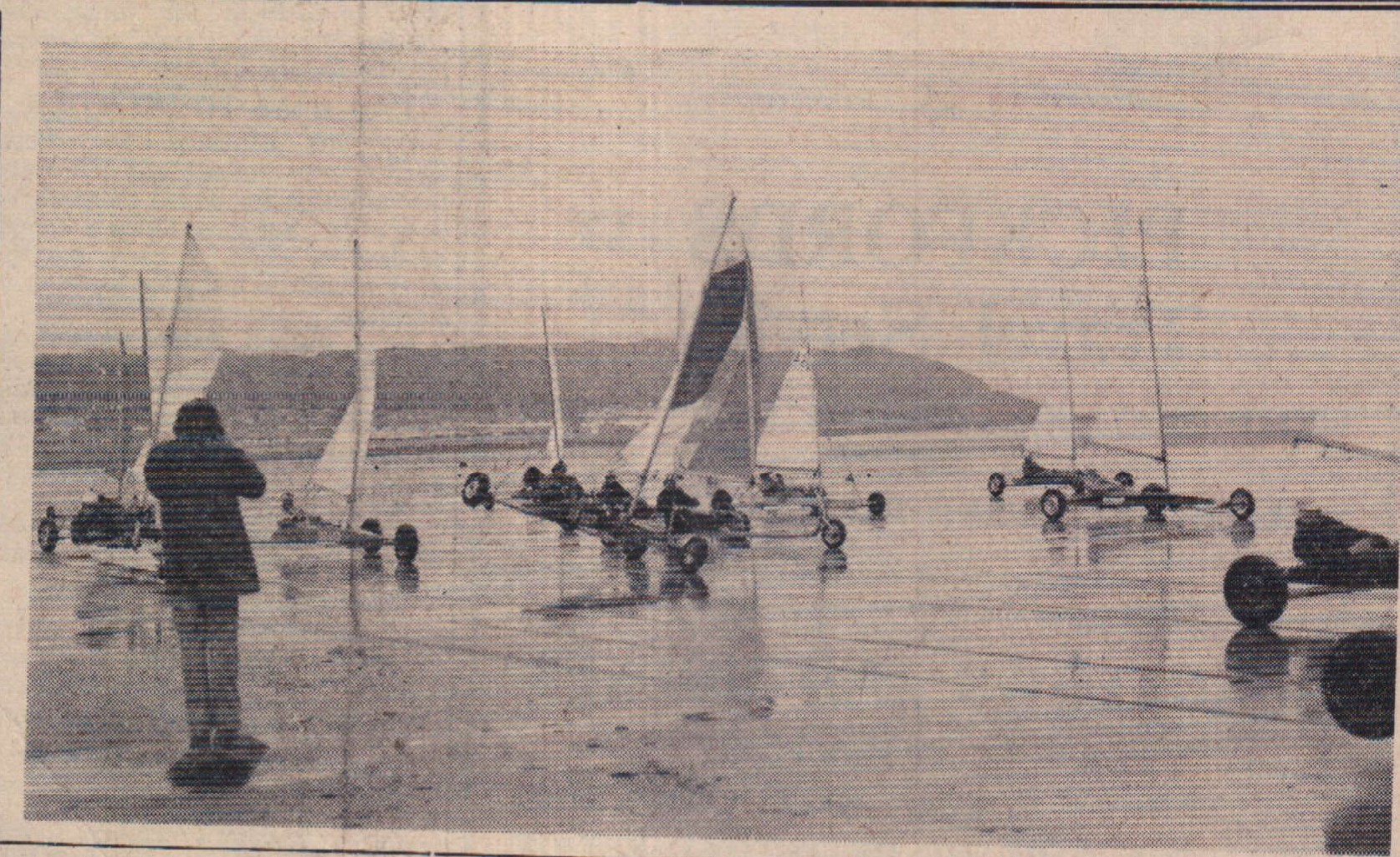
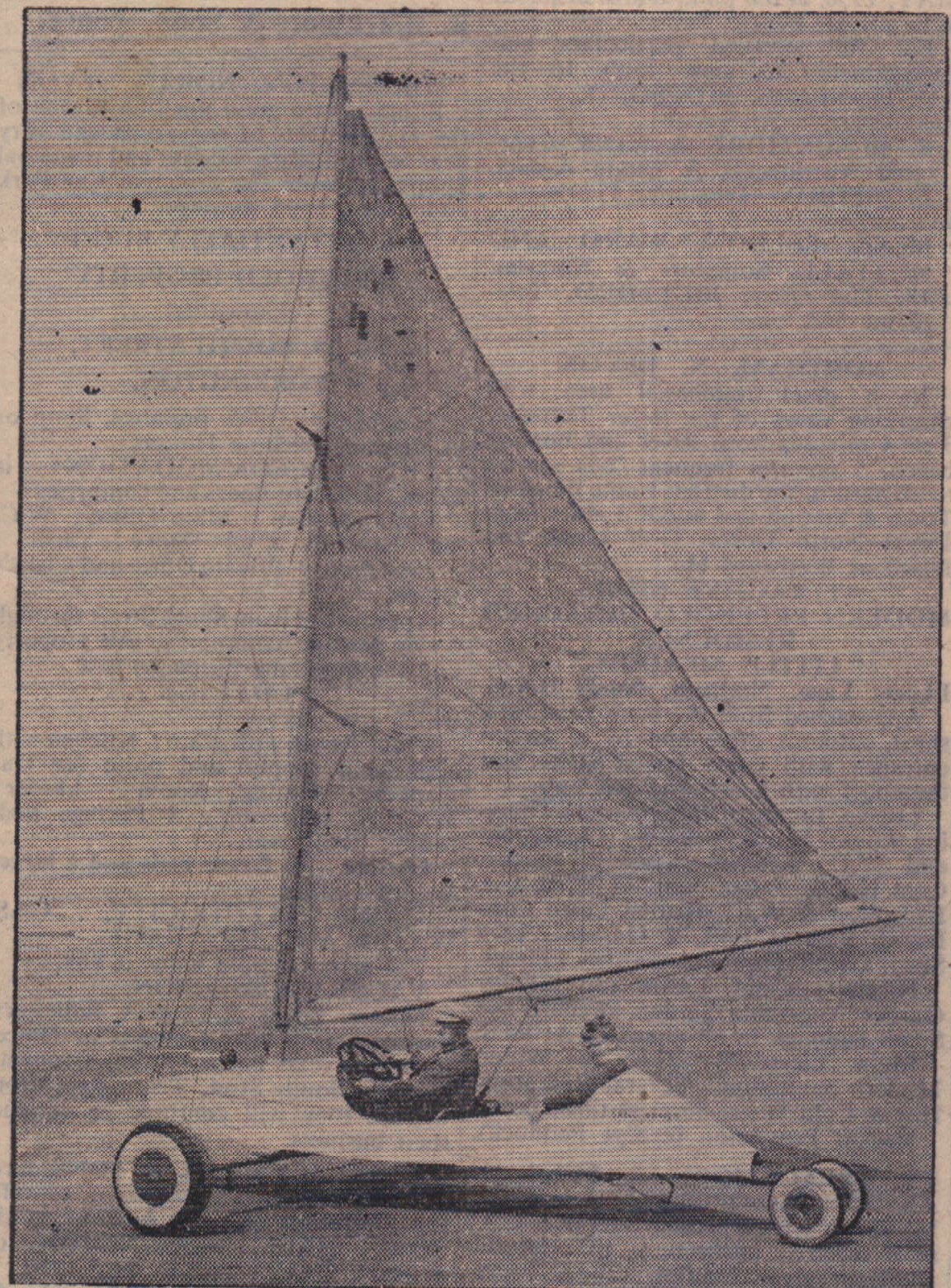
  • 118 Westward Ho! sand yacht to challenge speed record

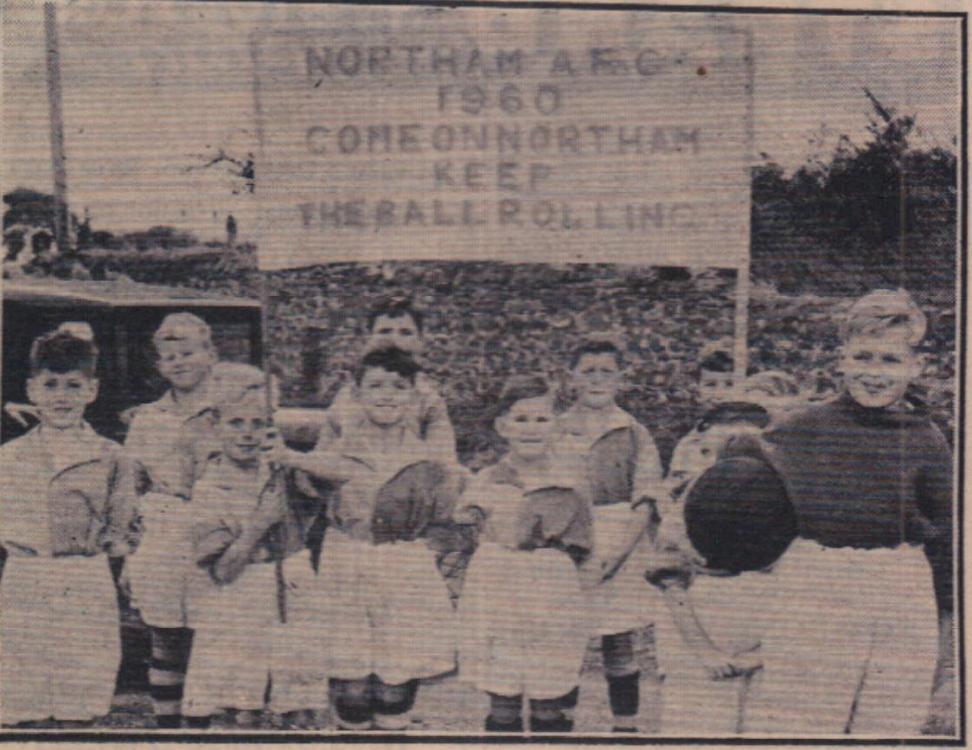
  • 119 Northam footballers of the future

  • 120 Buckland farm workers to receive long-service awards

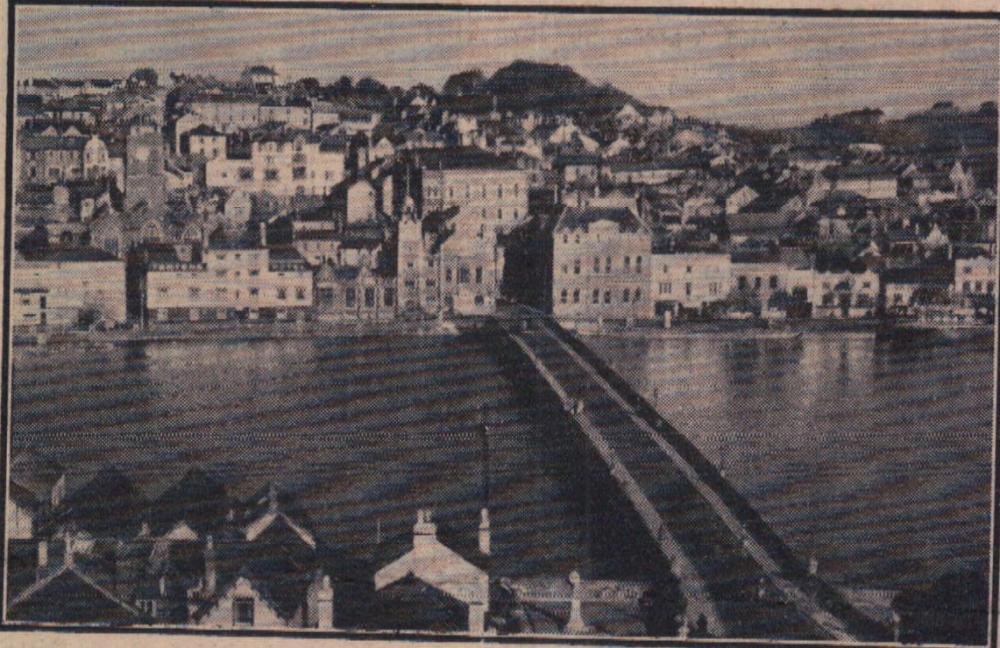
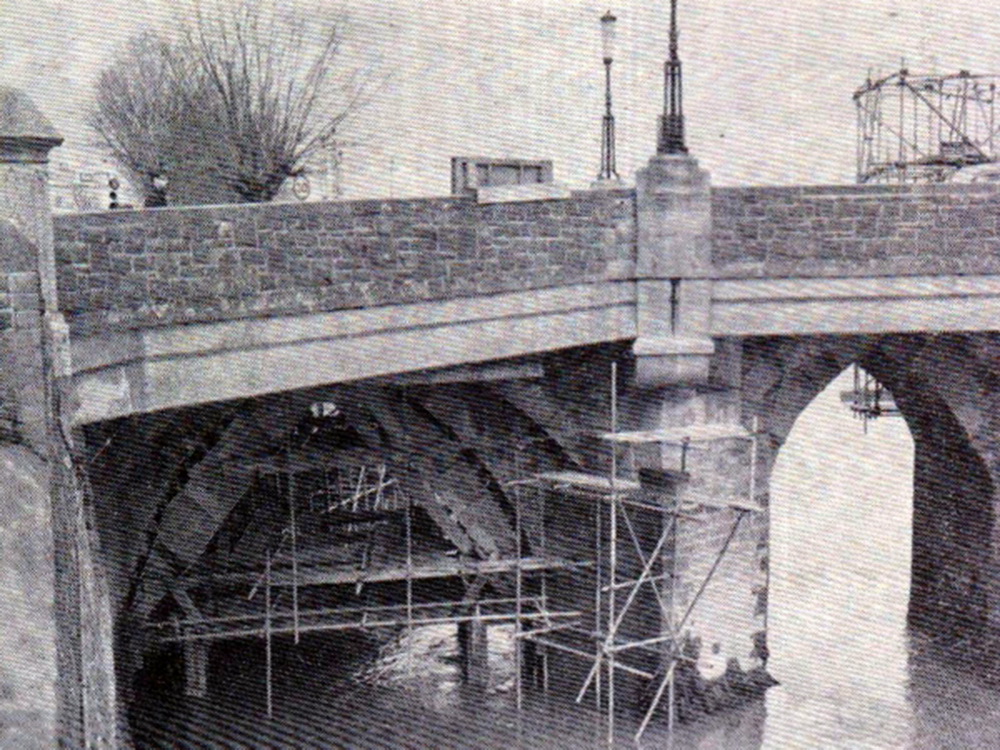
  • 121 Repair work on Long Bridge
  • 122 Town's second woman mayor in 392 years
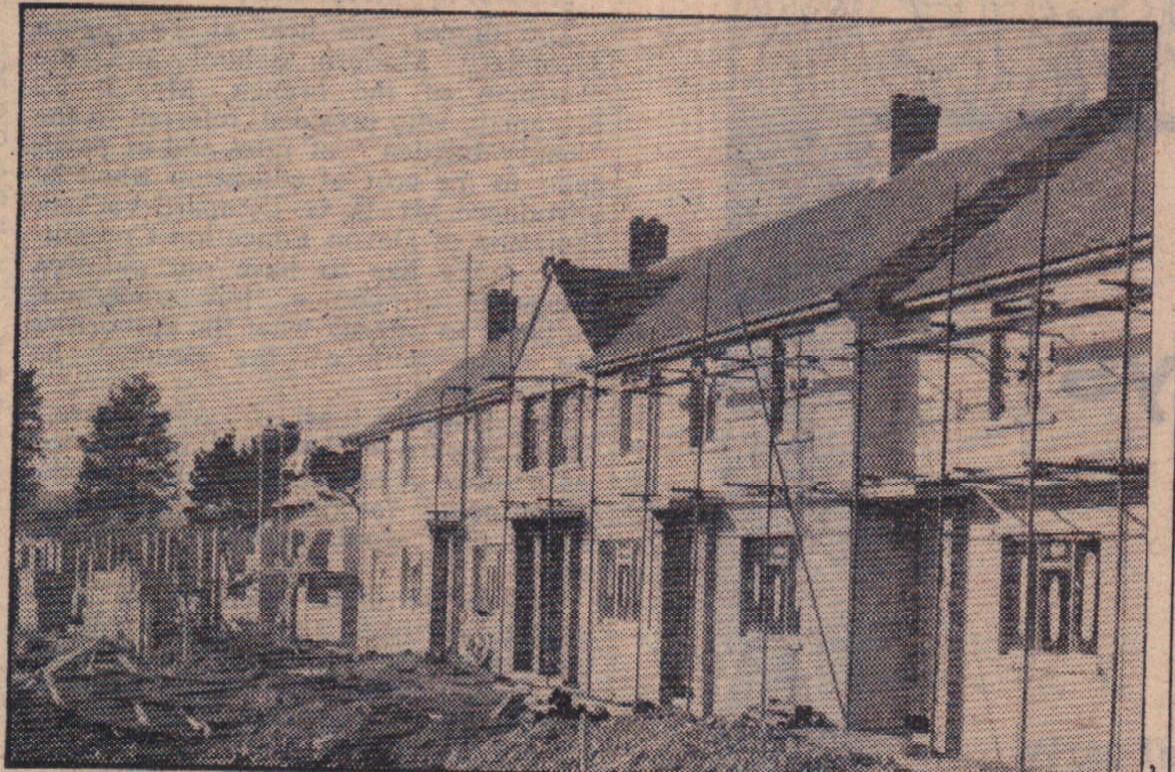
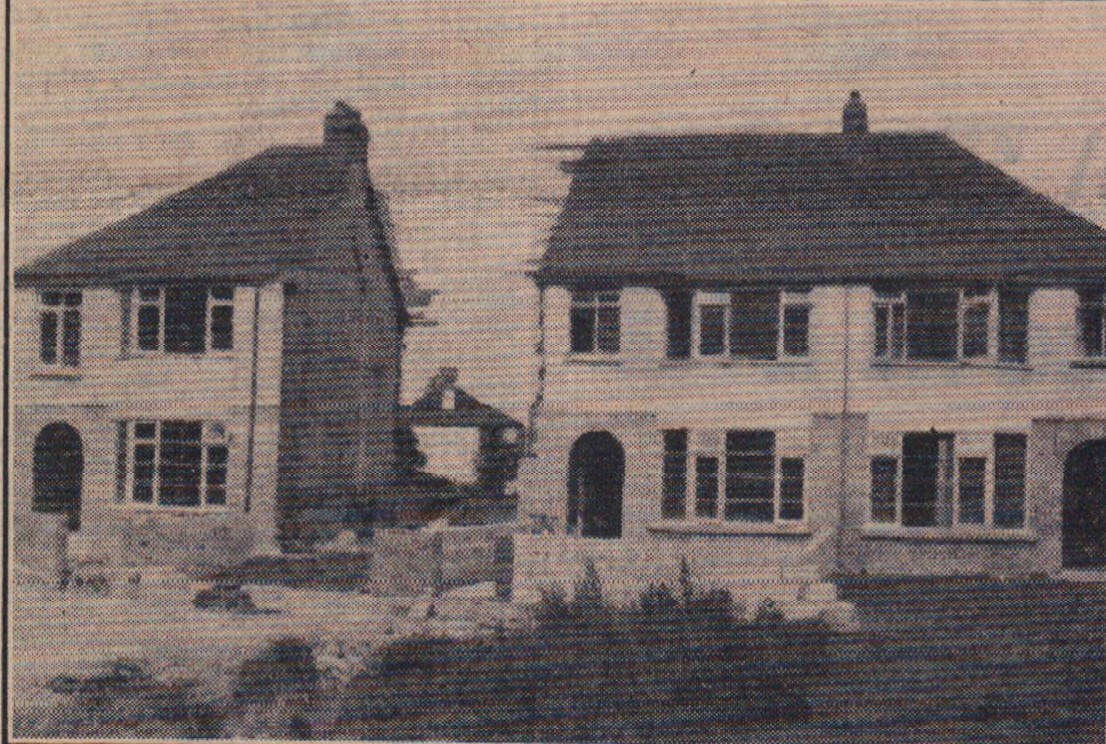
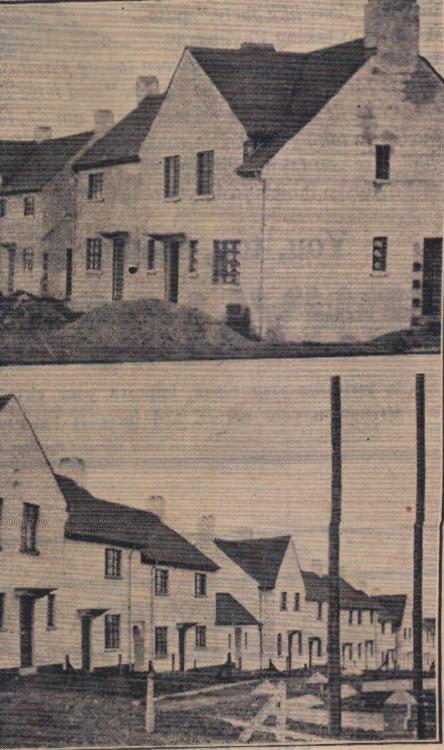
  • 123 Bideford has built over 500 post-war homes

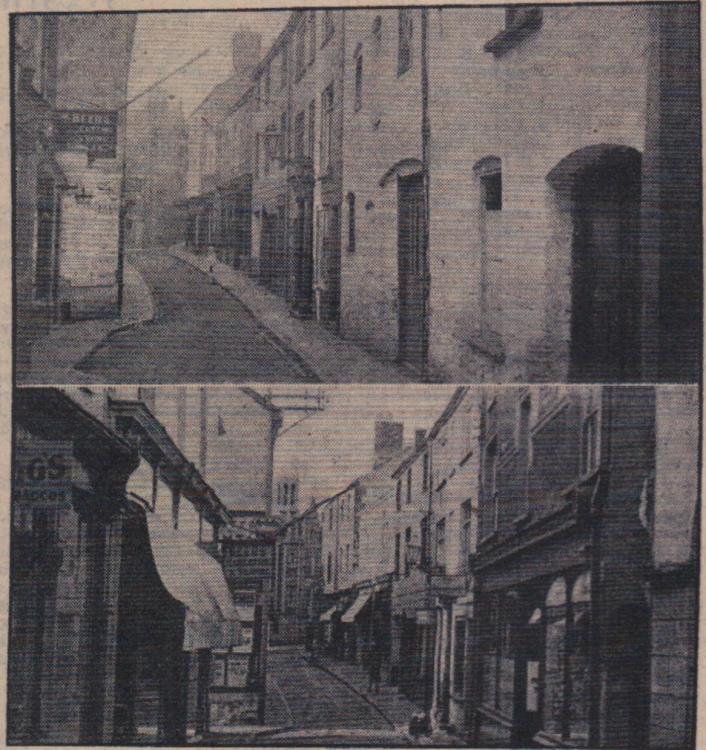
  • 124 Allhalland Street - then and now

  • 125 Some 240 exhibits

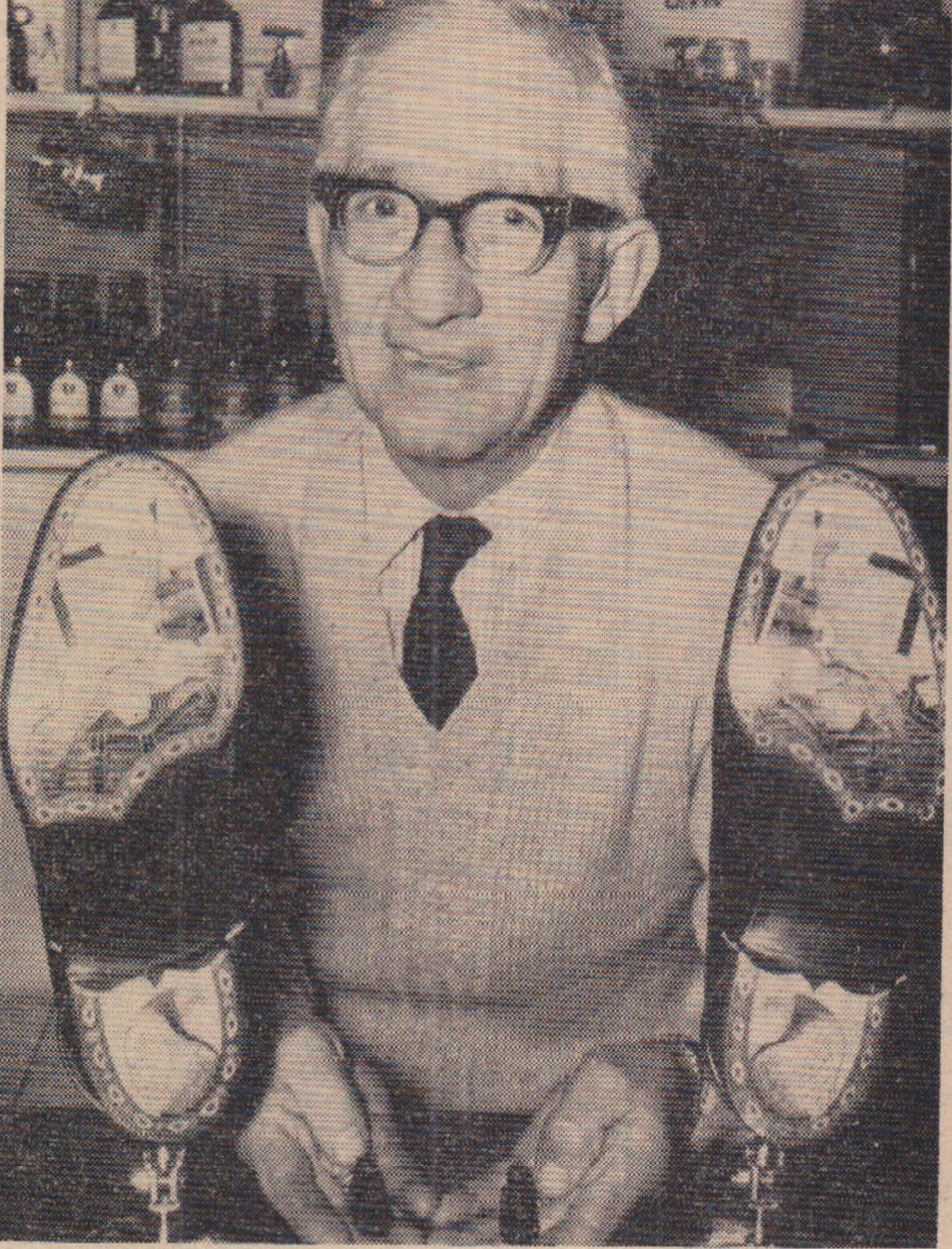
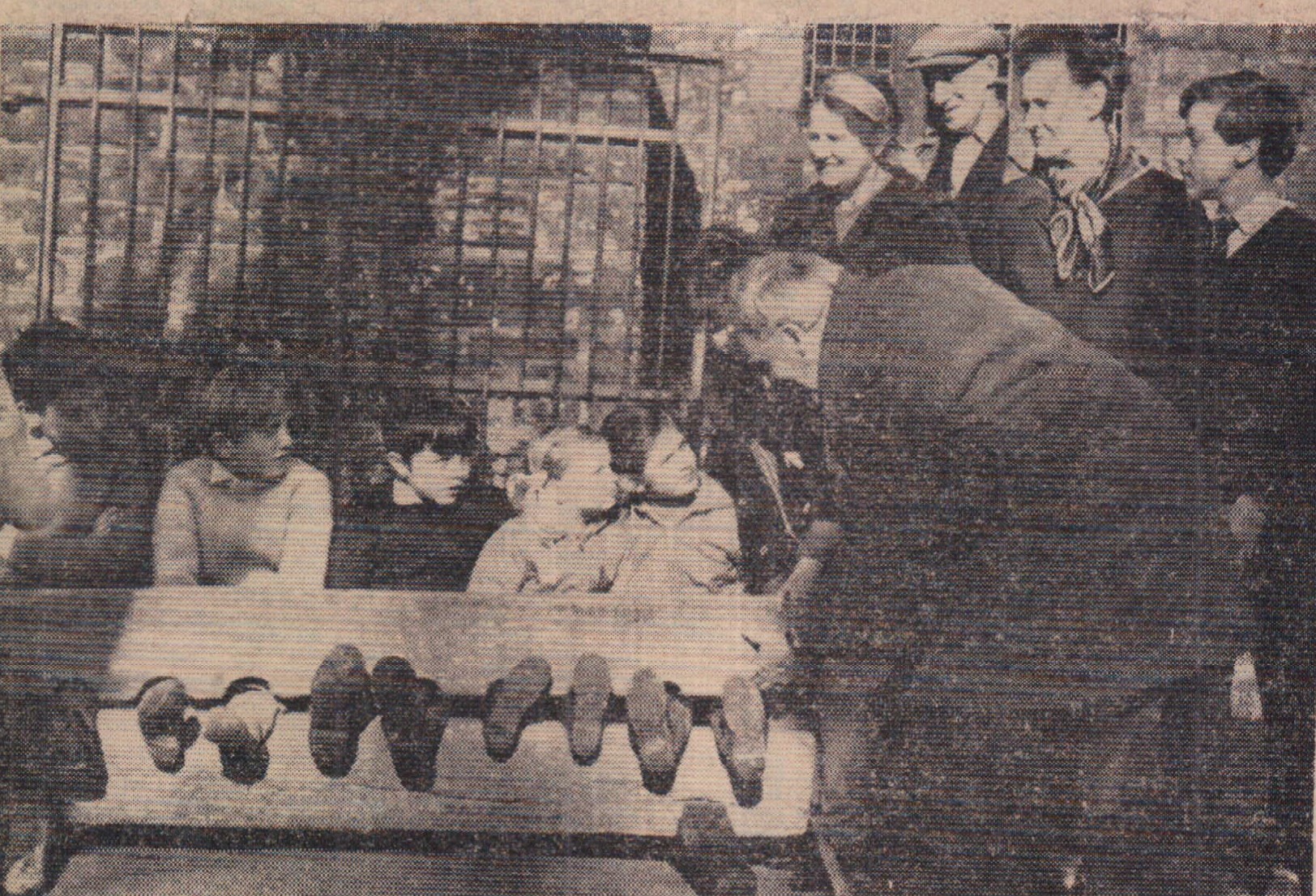
  • 126 Shoes certainly not made for walking

  • 127 Bideford loses training ship

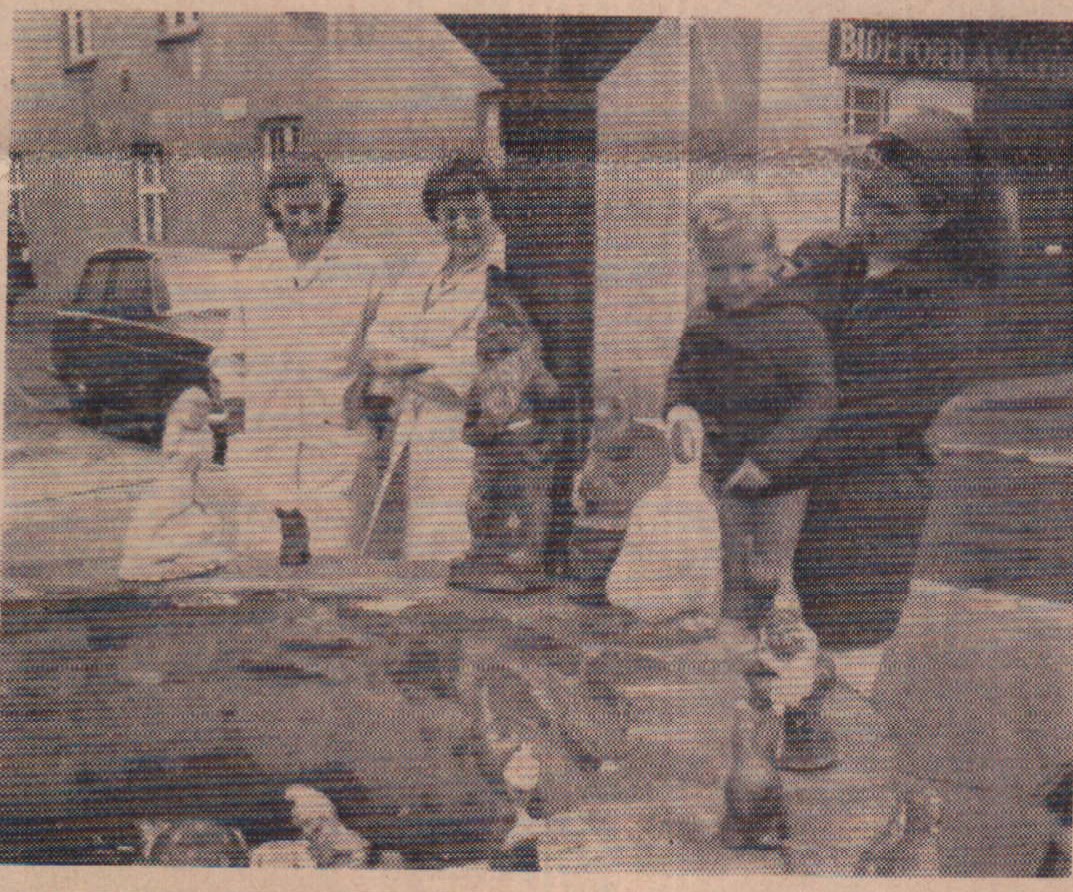
  • 128 Wishing well is pixielated

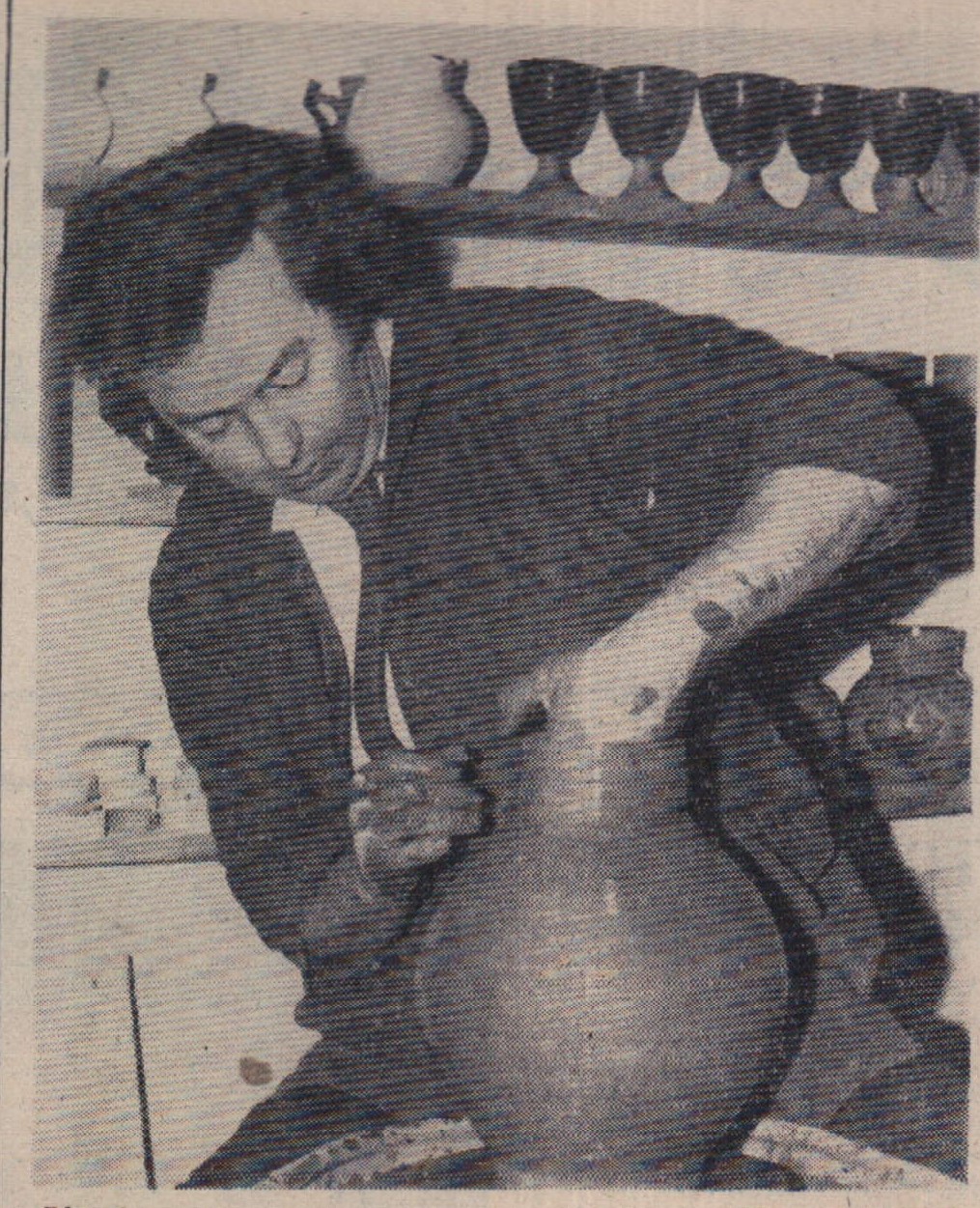
  • 129 A craftsman's 'potted' history

  • 130 Quads at Thornhillhead

  • 131 Yeo vale road ruin provides a mystery

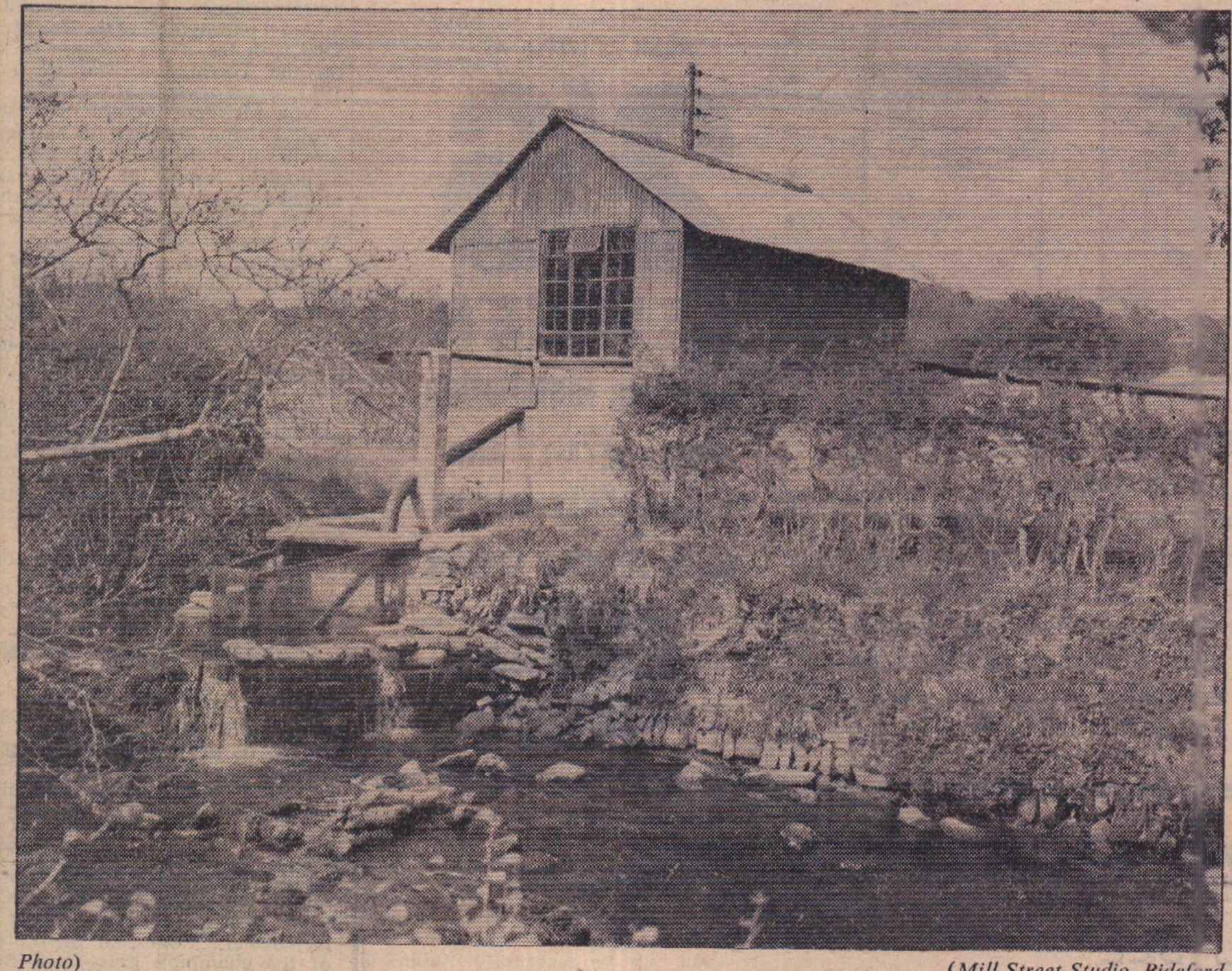
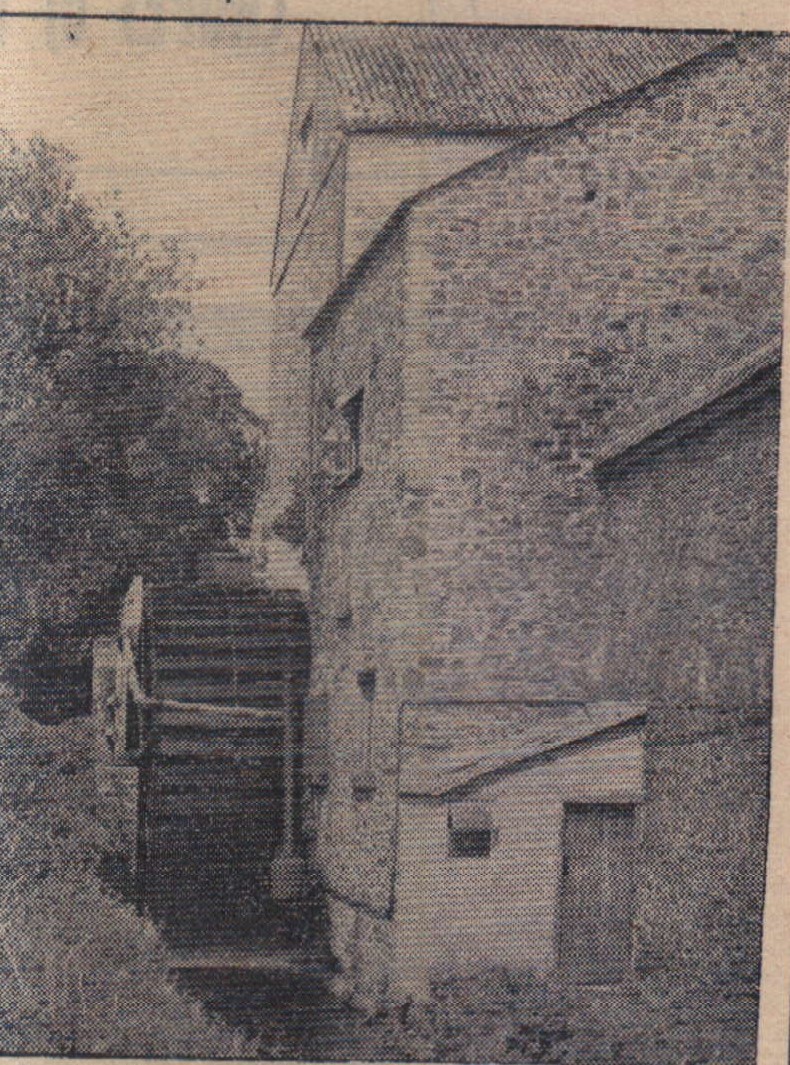
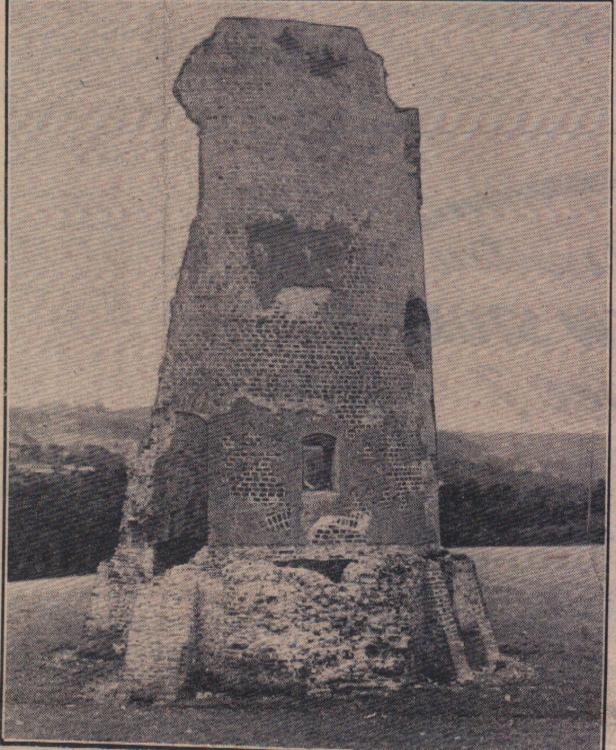
  • 132 Do recall the old windmill at Northam?

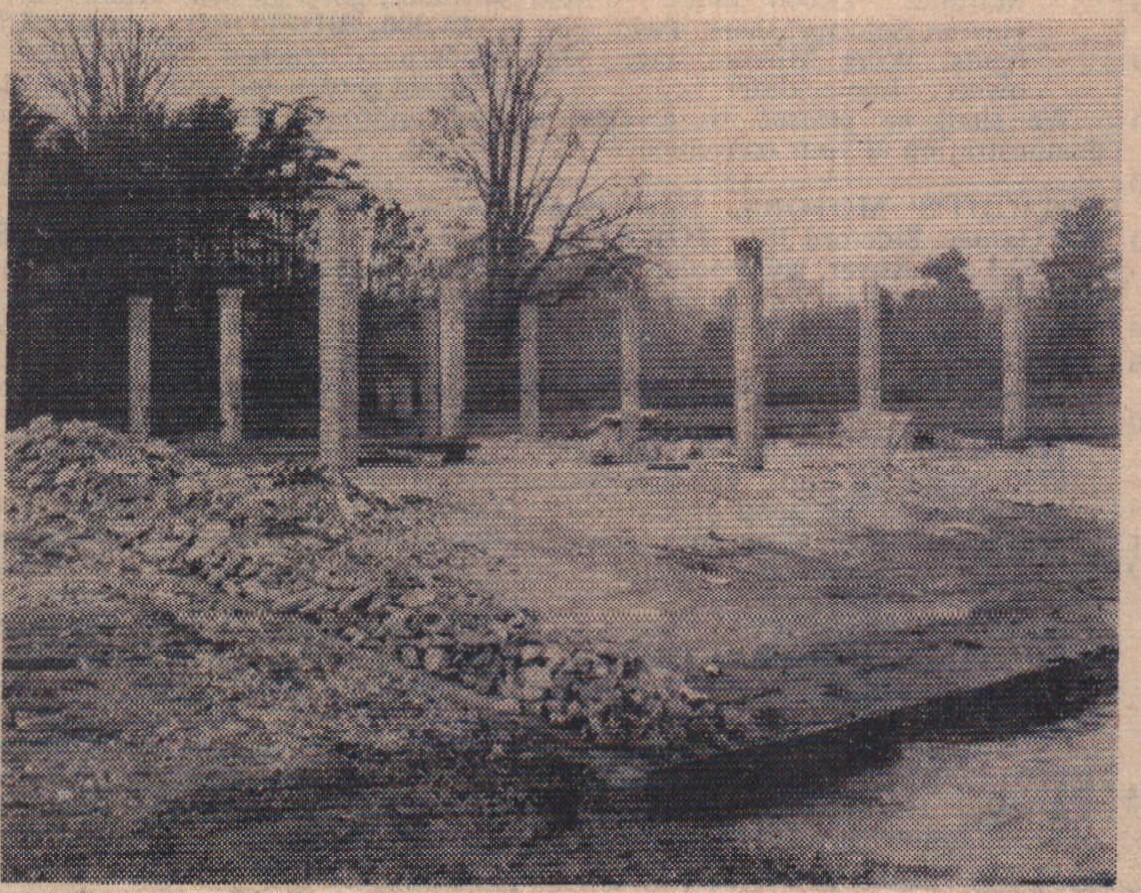
  • 133 No ancient Grecian temple this

  • 134 Torrington acclaims 400th anniversary of granting of charter

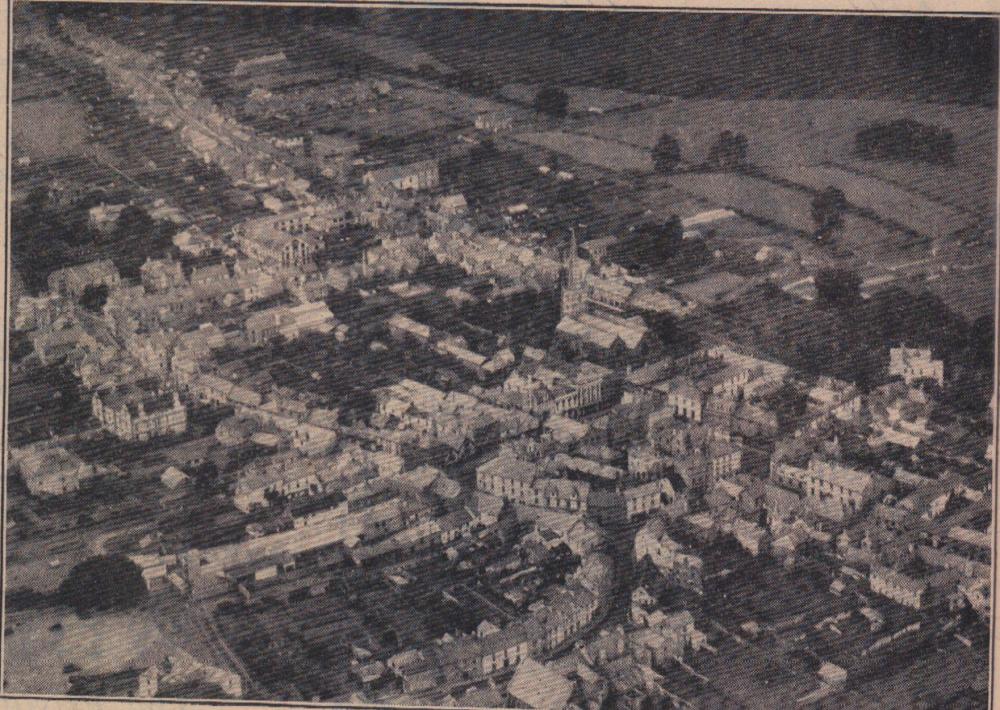
  • 135 A roof-top view - where?

  • 136 Hartland postman retires

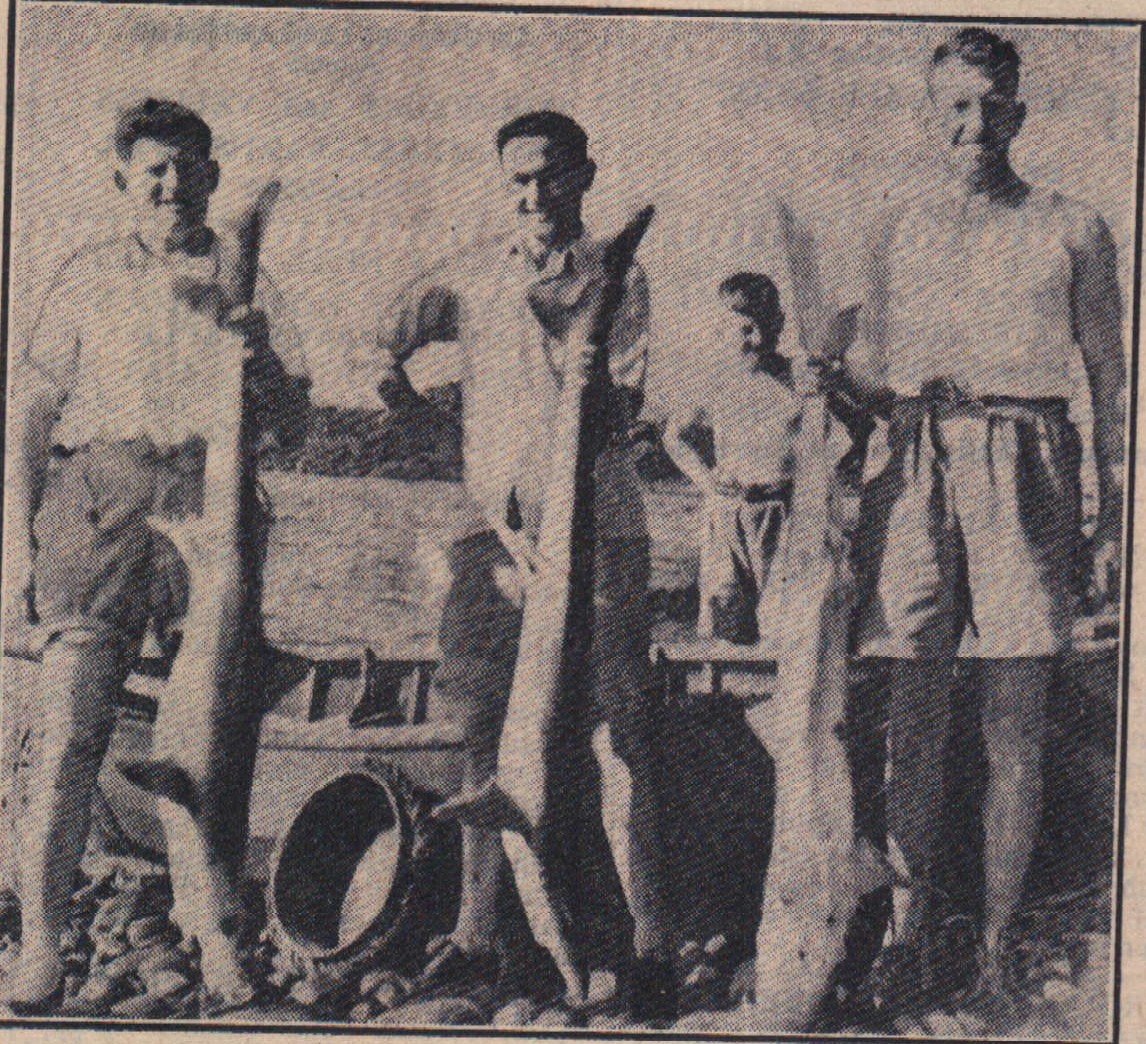
  • 137 Largest salmon caught in Torridge

  • 138 Weare Giffard Hall sold for £11,300

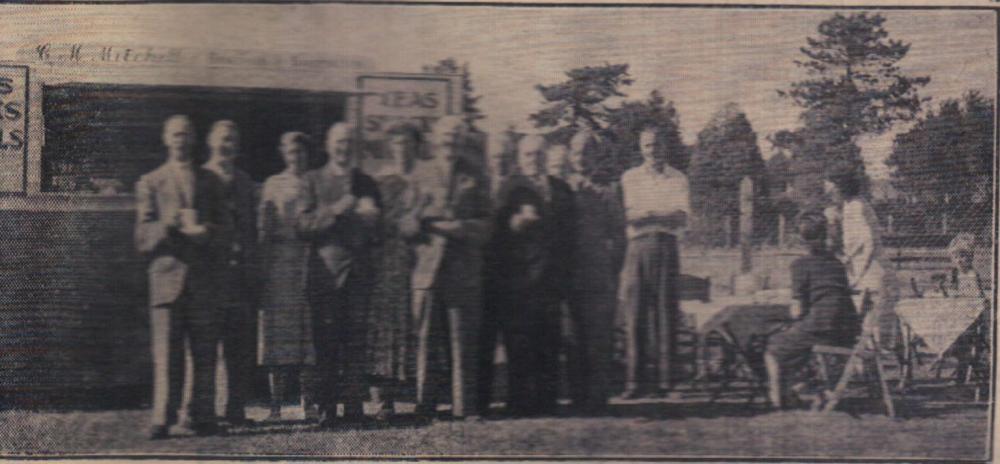
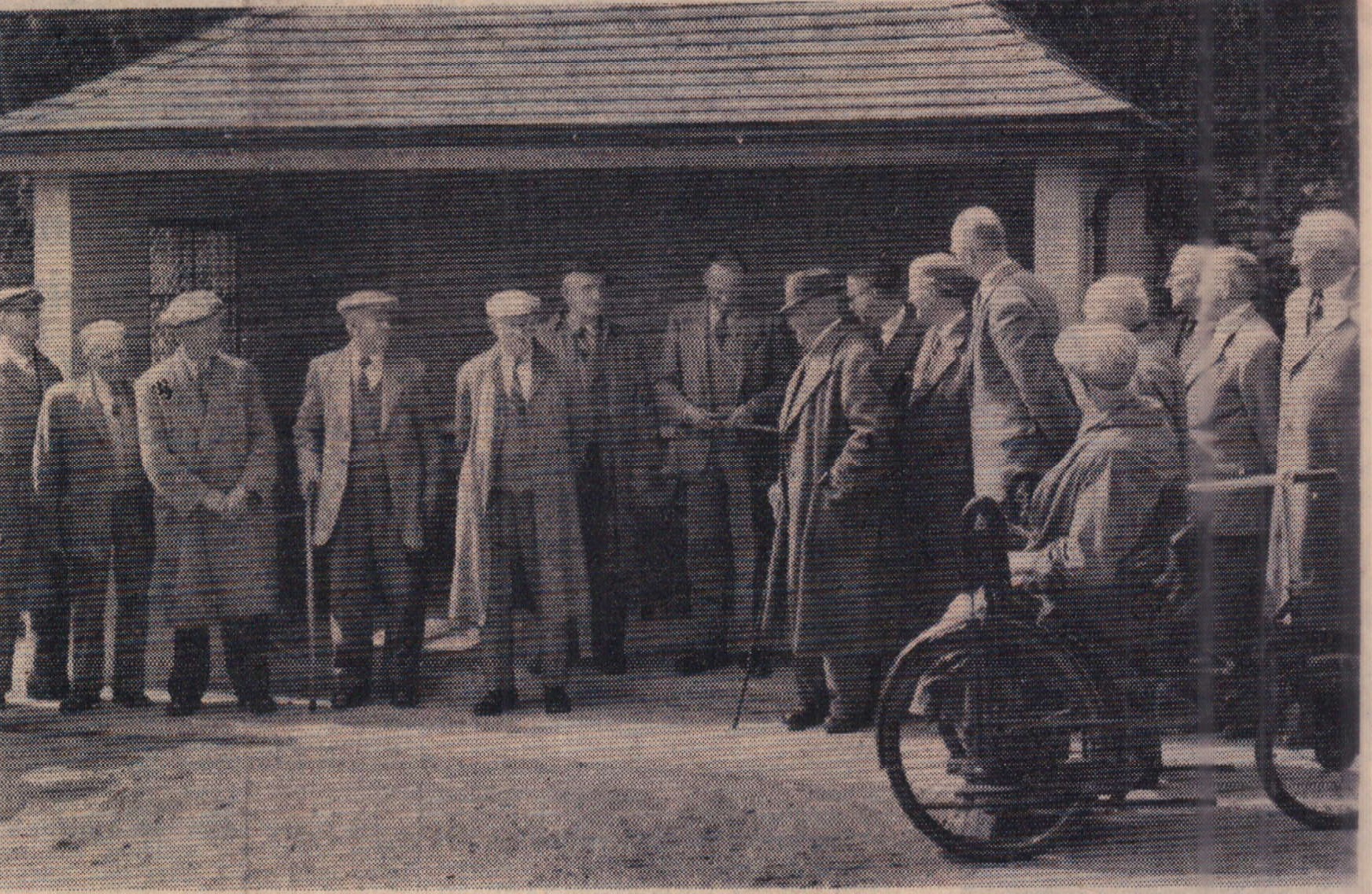
  • 139 Afternoon tea in the park

  • 140 Circus comes to town

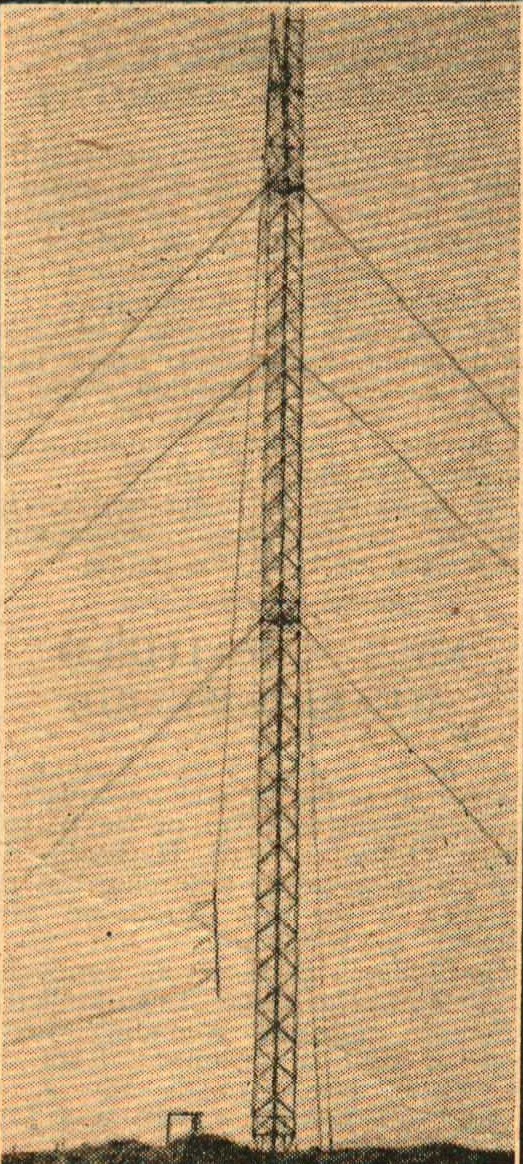
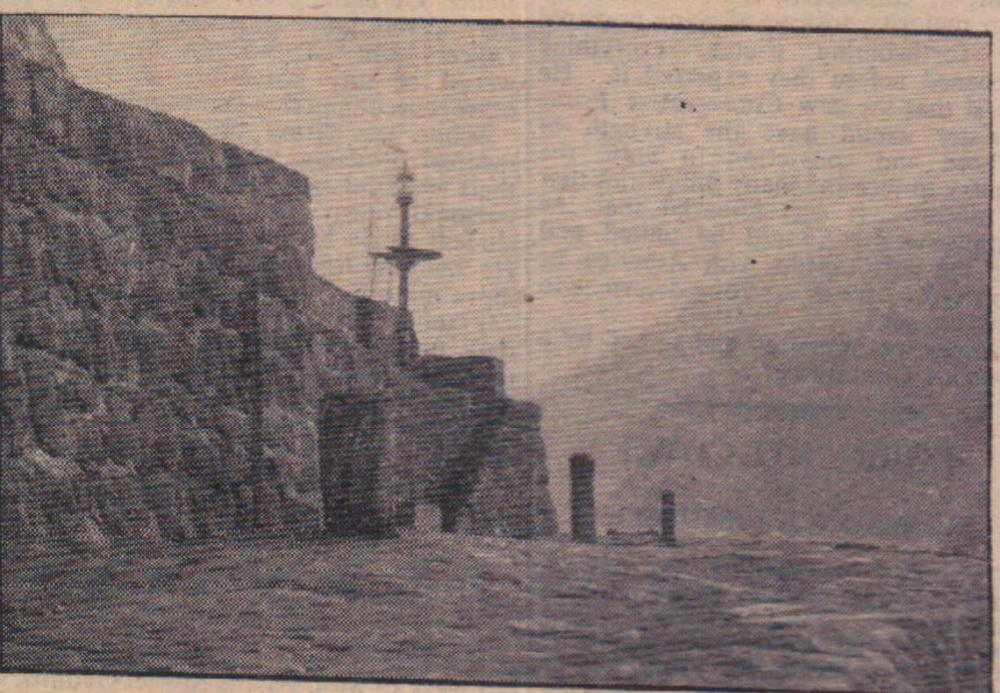
  • 141 Dismantling of wireless mast

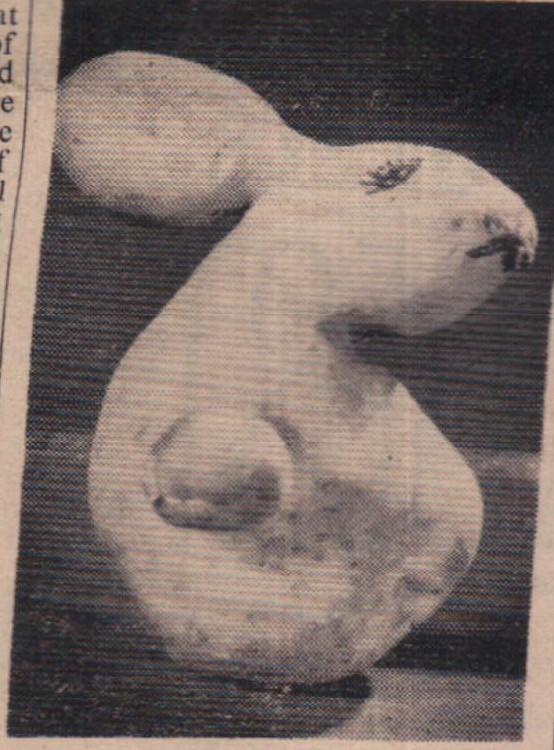
  • 142 Weare Giffard potato

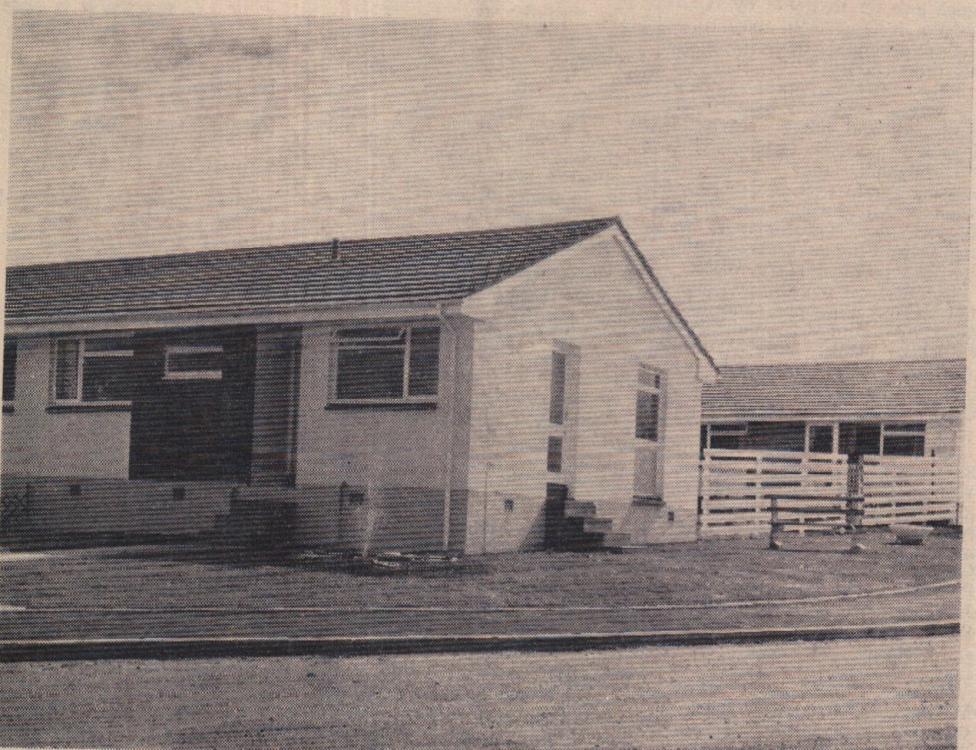
  • 143 Modern living at Bideford

  • 144 Capers on the cobbles

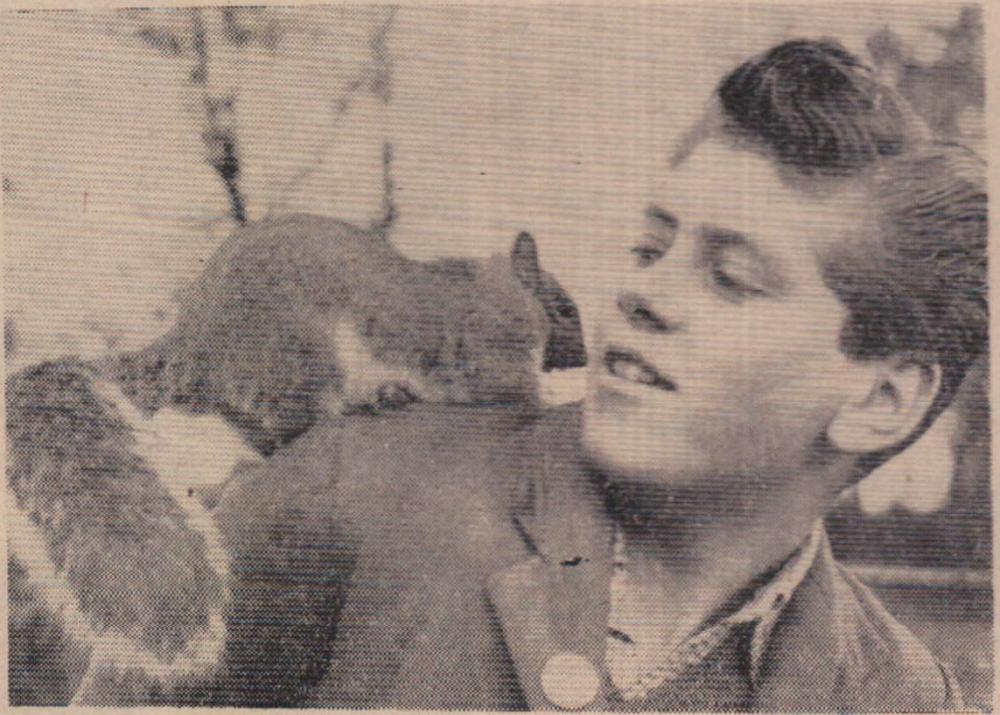
  • 145 Pet squirrels at Monkleigh

  • 146 Homage to a well-loved sovereign

  • 147

    Toasted with musical honours
  • 148 Bideford childrens' cinema opens

  • 149 Westward Ho! Tennis Club Winners
  • 150 Cruising down the river

  • 151 They never miss a game at Torrington

  • 152 Open-air art exhibition by 'under 40' group

  • 153 Bideford Zoo's first baby is big draw
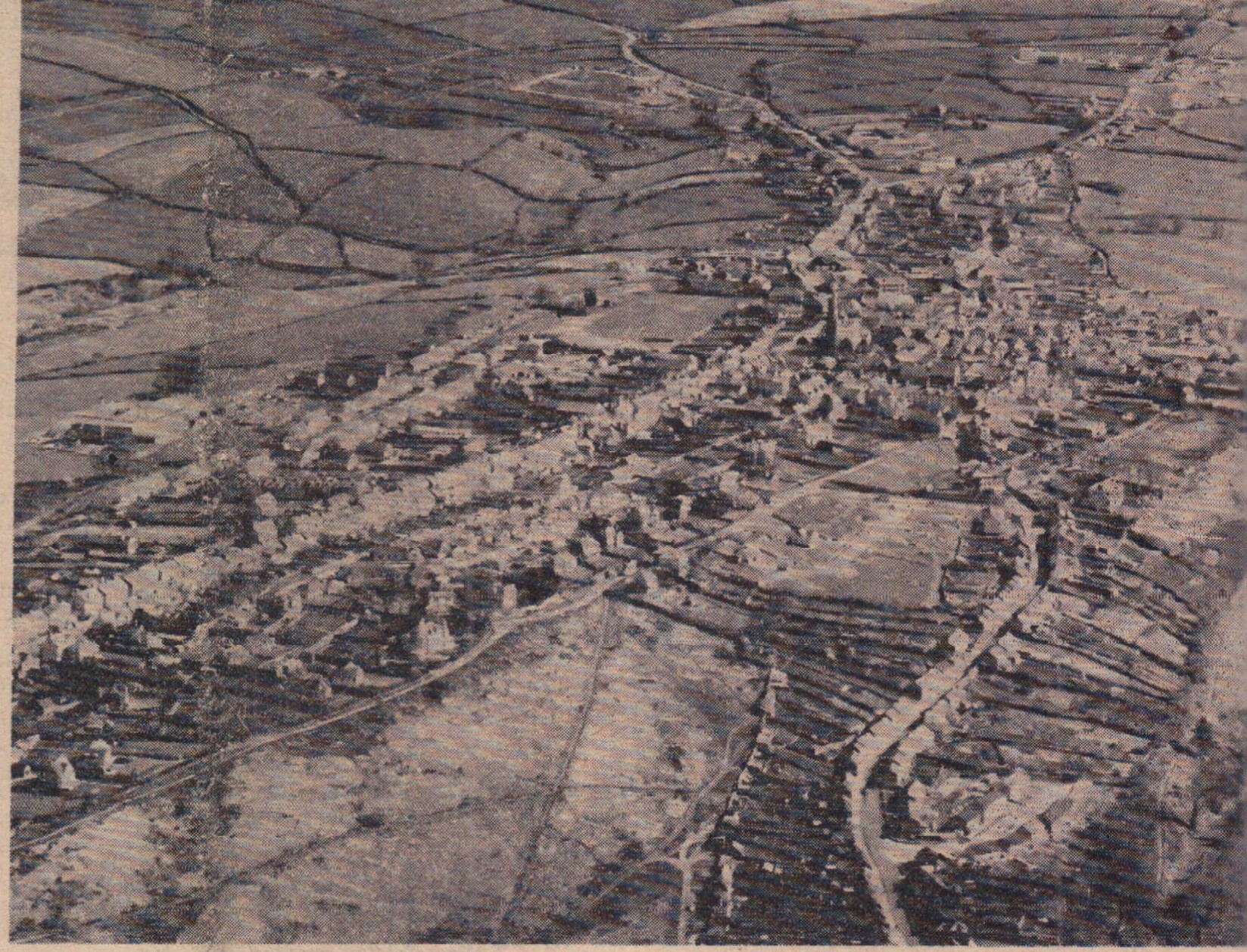
  • 154 Torrington in 1967

  • 155 Appledore skill brings 'Hispaniola' to life

  • 156 Meeting at 10 Downing Street

  • 157 Alderman Anstey's dream comes tru

  • 158 Community centre opened at Westward Ho!

  • 159 Eight and a half million pound Taw development scheme

  • 160 They set out for Bideford and became lost

  • 161 So this is the mainland!

  • 162 Sixty-two year old Picarooner makes ready for season

  • 163 Can spring be far away?

  • 164

    School of Dancing's Annual Display
  • 165 For South Africa from Westward Ho!

  • 166 Thriving 'orphan of the storm'

  • 167 River scenes that enchant the visitors

  • 168 Penny for the guy

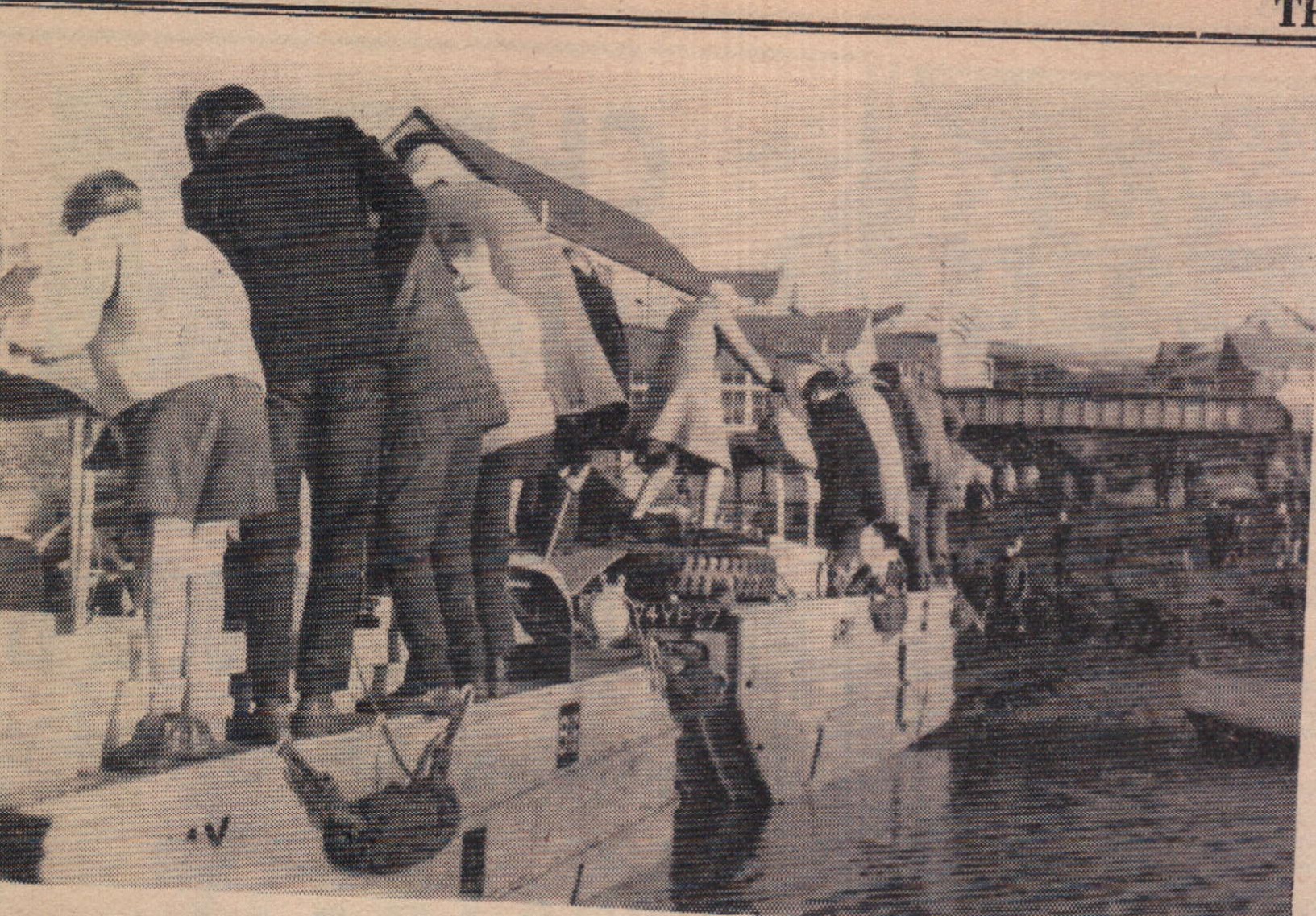
  • 169 Move for oldest boatyard on Torridge

  • 170 Quads join a Langtree happy family

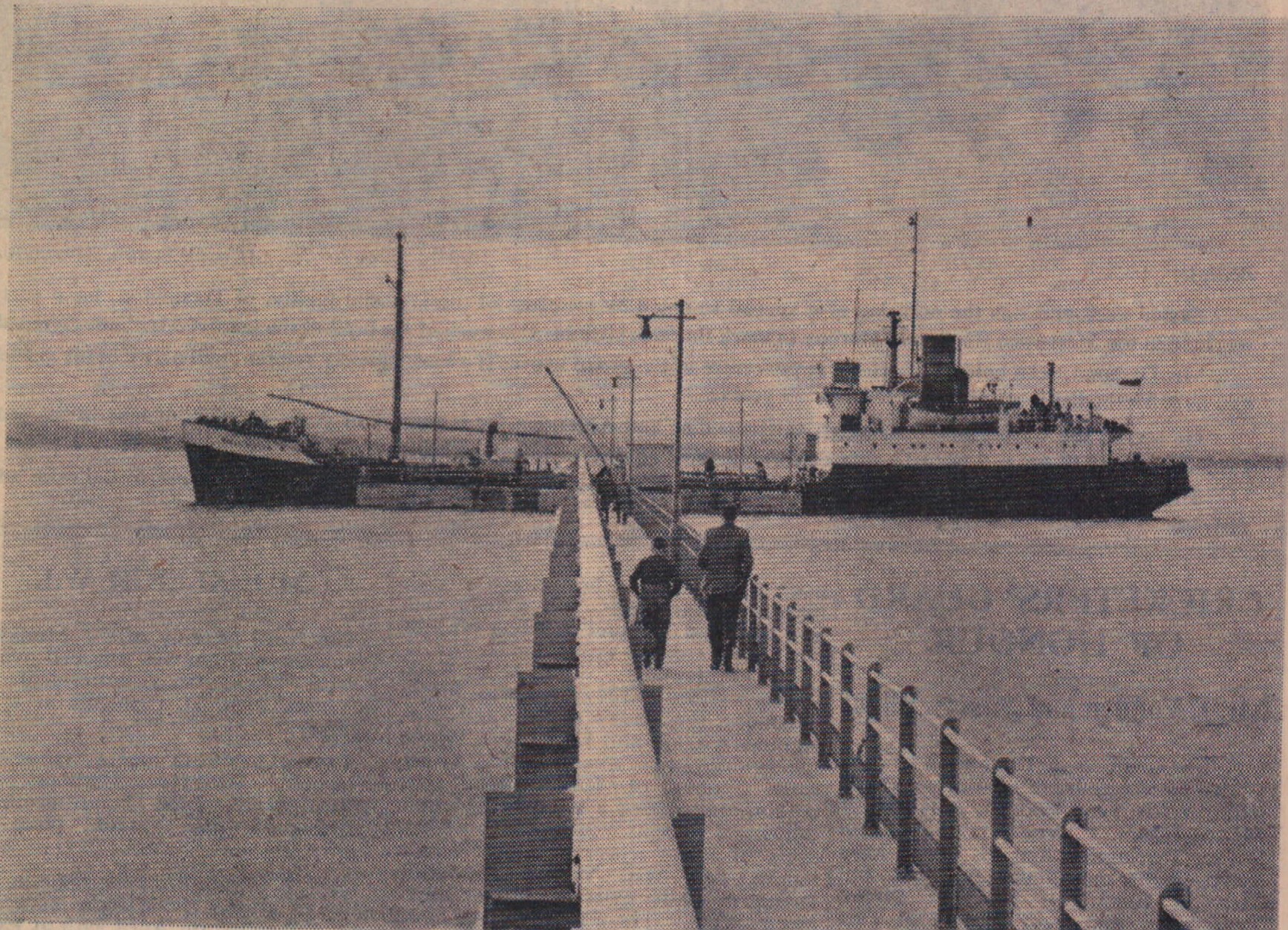
  • 171 First tankers arrive at new depot

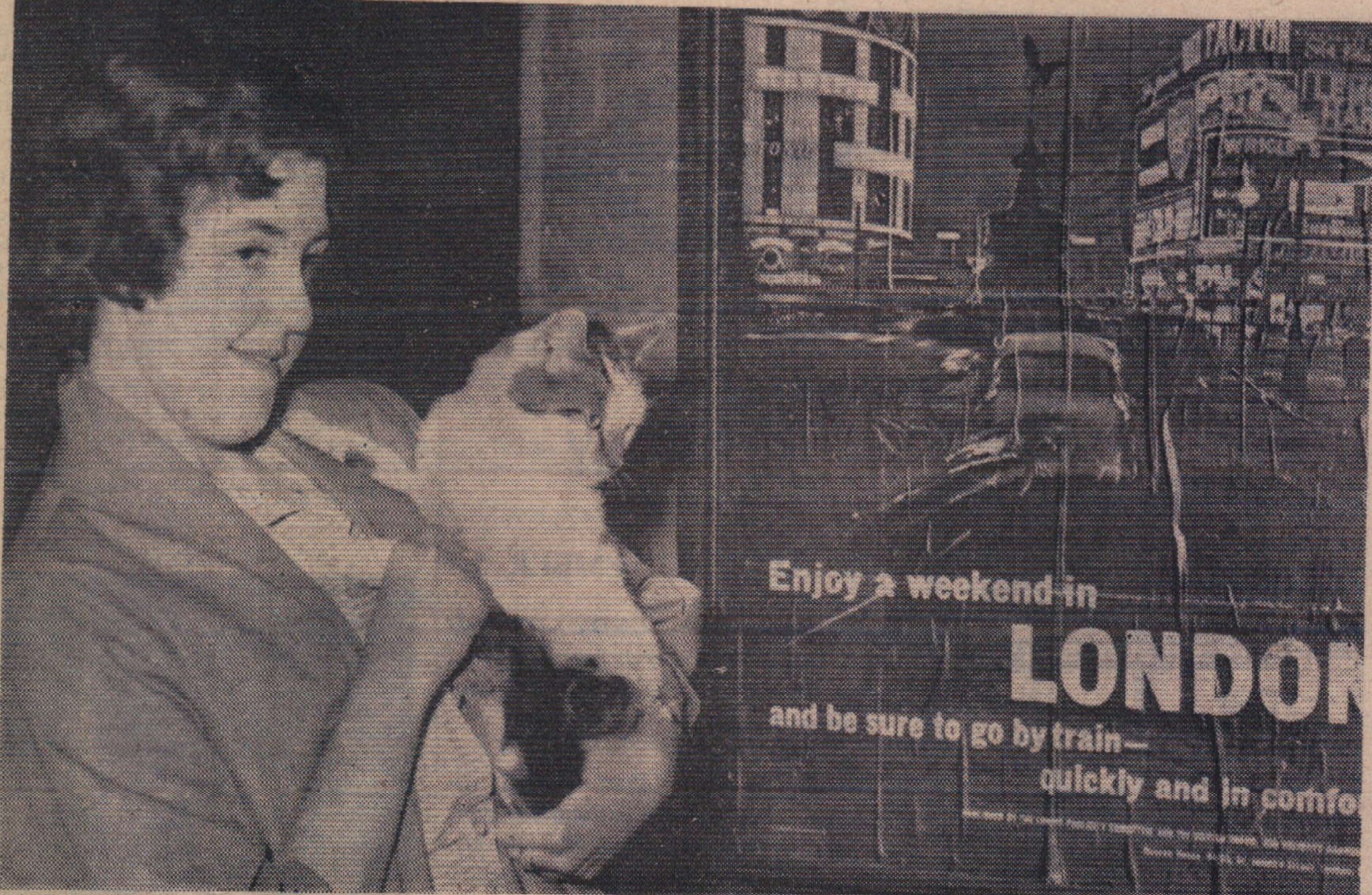
  • 172 Tibbles home again - and fish supper

  • 173 Appledore's largest

  • 174 A Weare Giffard speciality - delicious strawberries

  • 175 Colour TV salesman at eight

  • 176 Speeding communications: Bideford firm's new installation

  • 177 Holiday scene near Sandymere

  • 178 Out of puff!

  • 179 TV contest means big job for Bideford Guides

  • 180 Calligrapher extraordinary

  • 181 Caught in the act>
  • 182 Head Barman appointed Torrington Town Crier
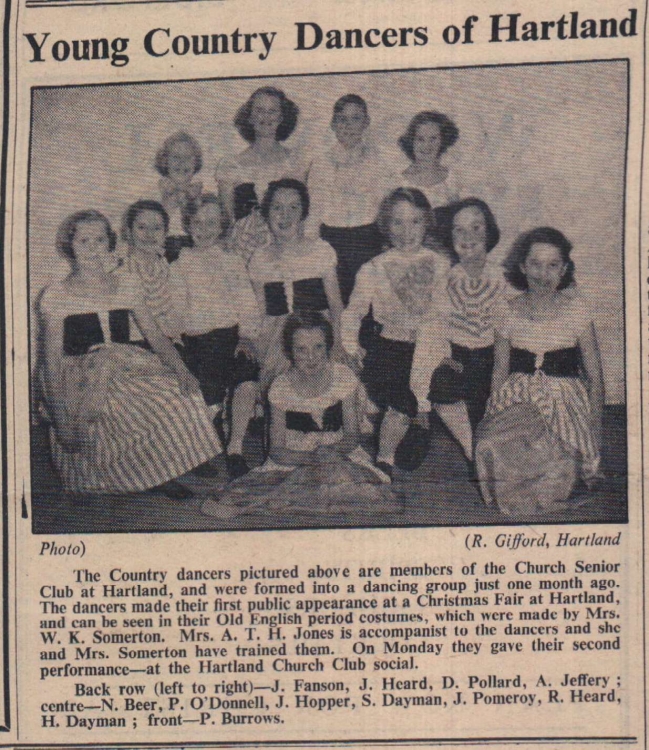
  • 183 Hartland Dancers
  • 184

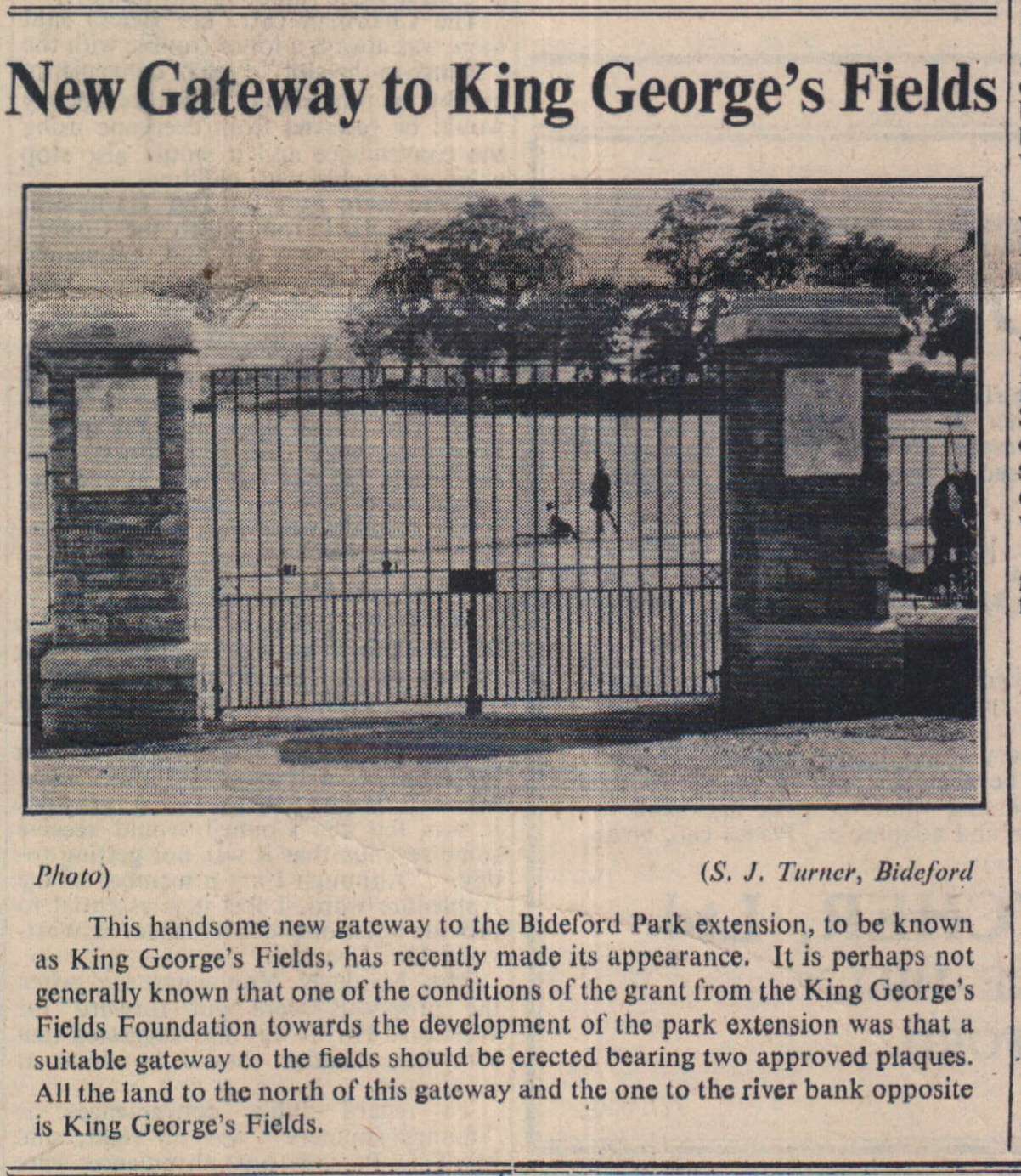
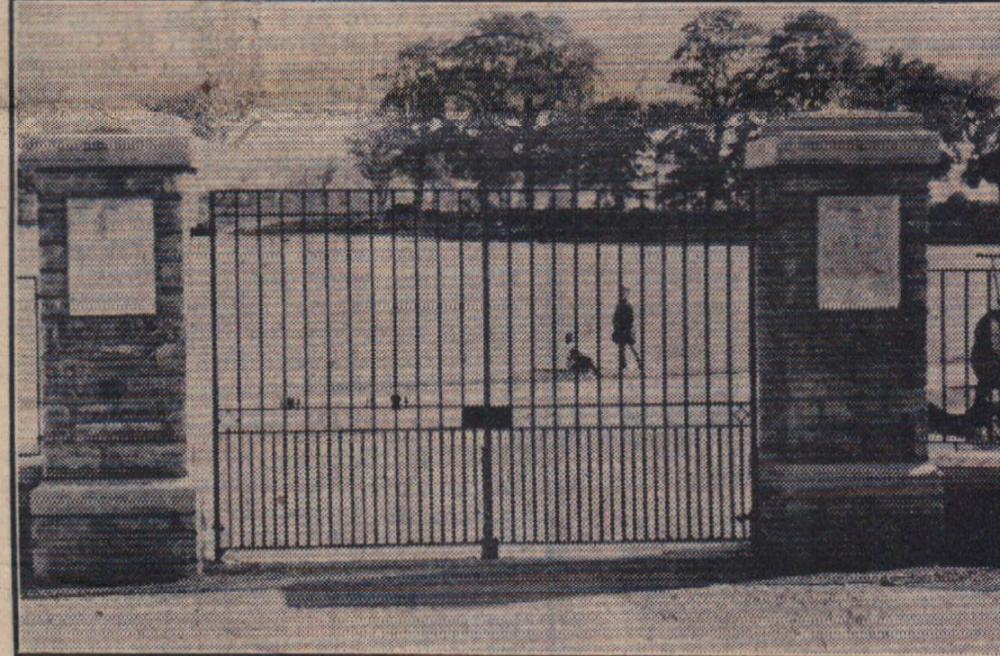
    New gateway
  • 185 Fishing light goes out at close of poor season

  • 186 Designed all furnishing of new chapel
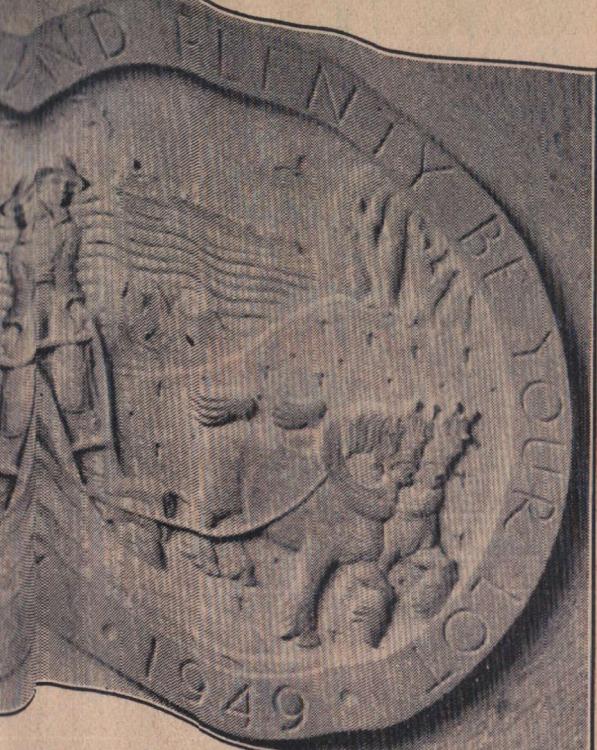
  • 187 Gift plaque on Clovelly council houses

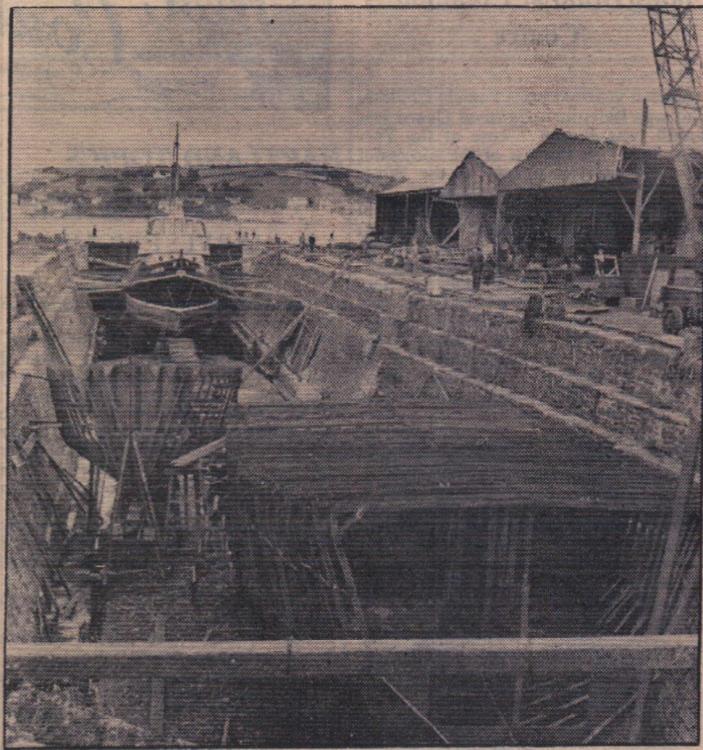
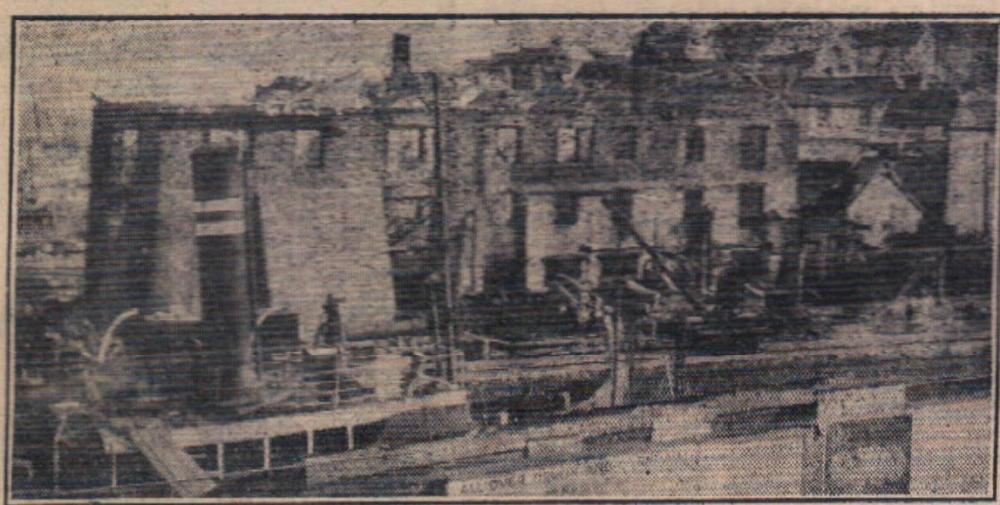
  • 188 Disastrous dock fire at Appledore>
  • 189 Emergency ferry services

  • 190 Championship Trophy for Hartland
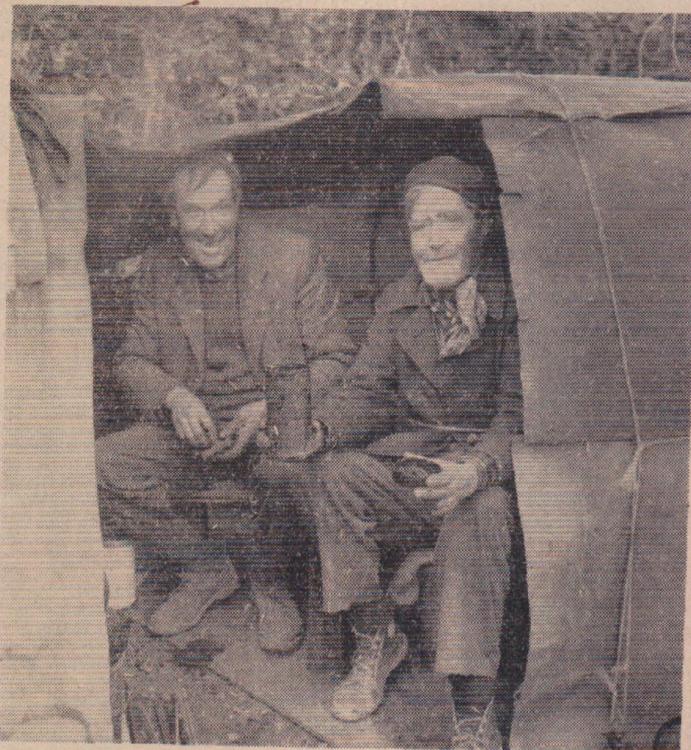
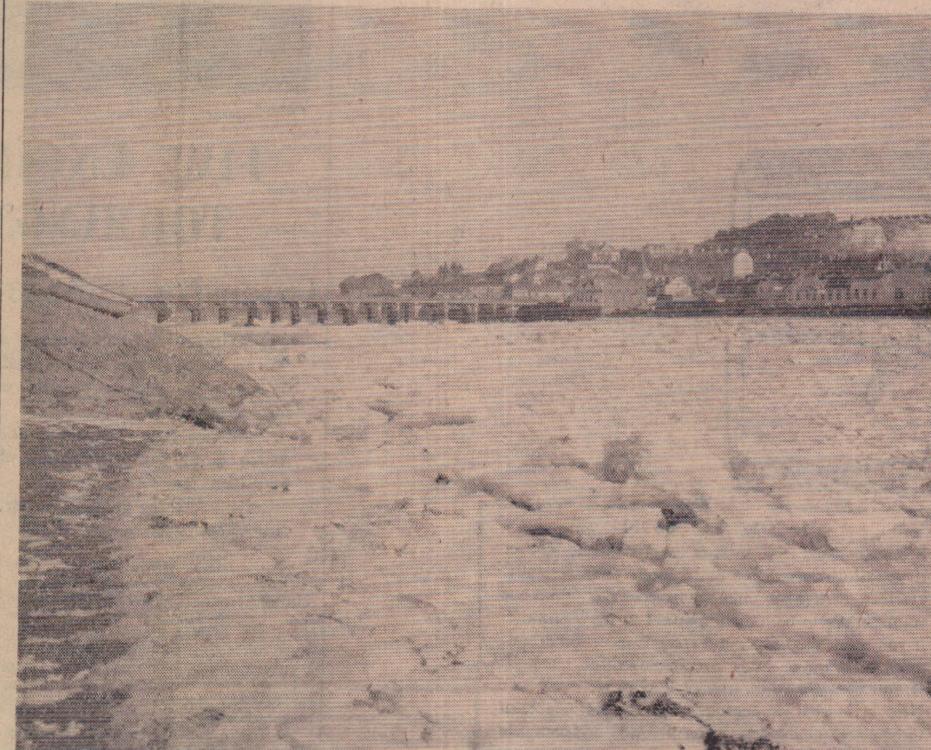
  • 191 Tramps camp by riverside throughout arctic weather

  • 192 Artisans' Club

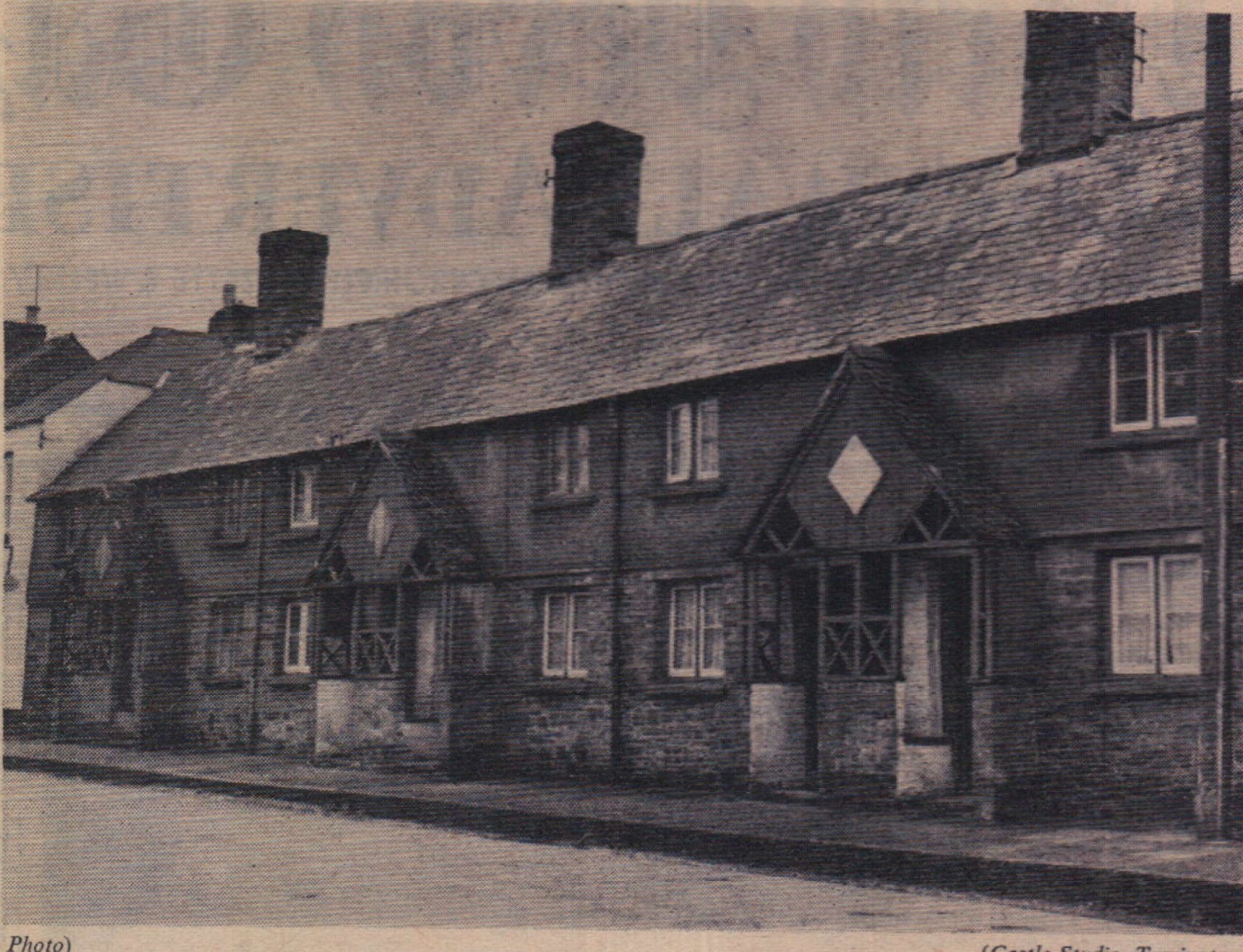
  • 193 Future of Torrington almshouses

  • 194 Unique holiday adventure!

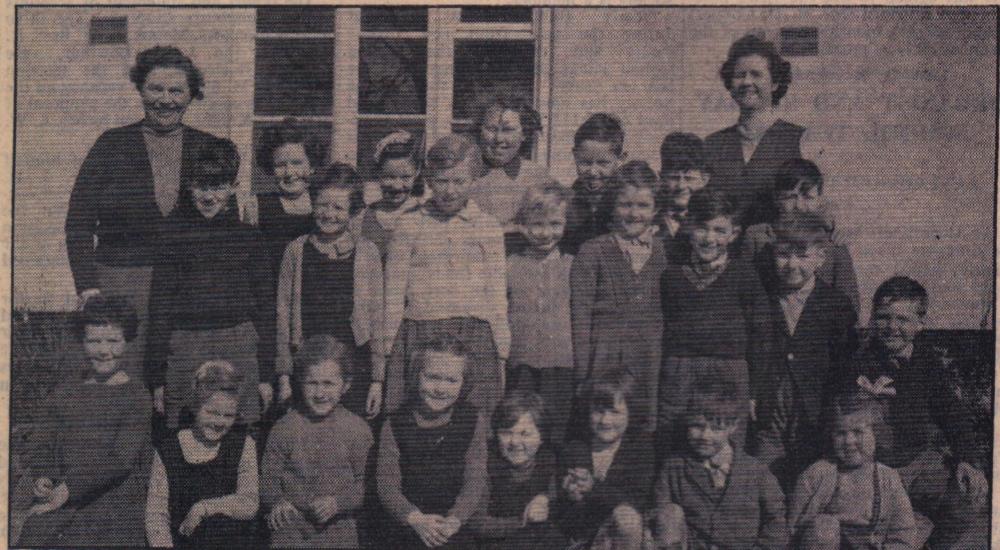
  • 195 Sweet success at Langtree School

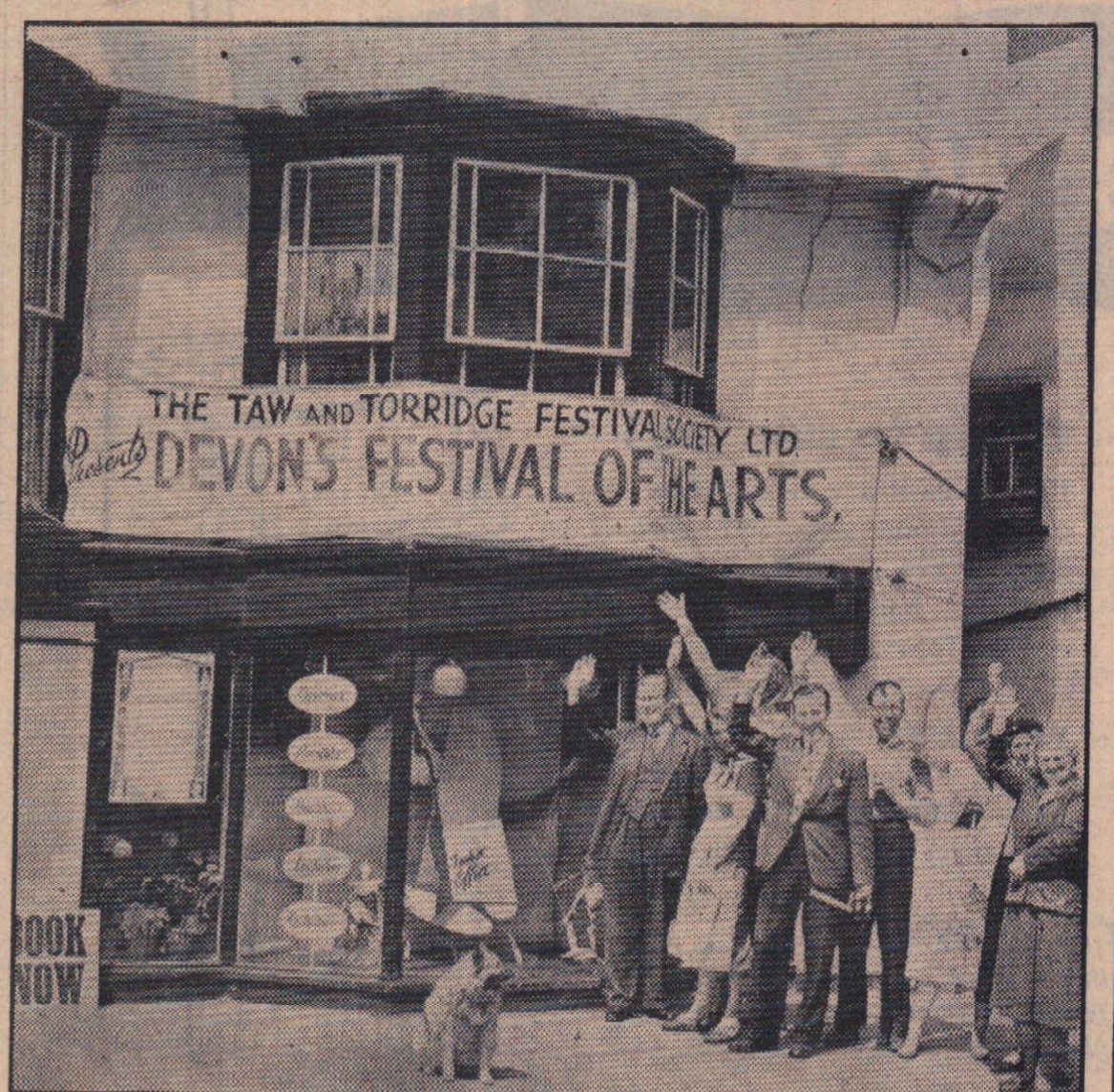
  • 196 Success to Festival of the Arts

  • 197 Sight of a lifetime

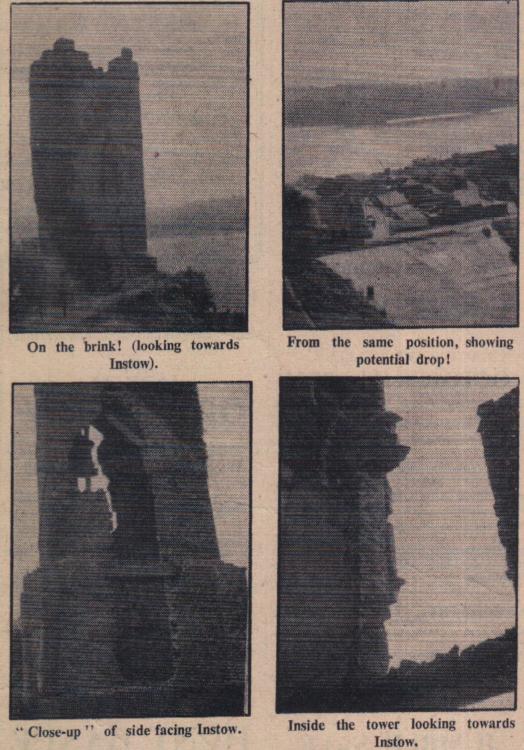
  • 198 Council agree to demolition of Chanter's Folly

  • 199

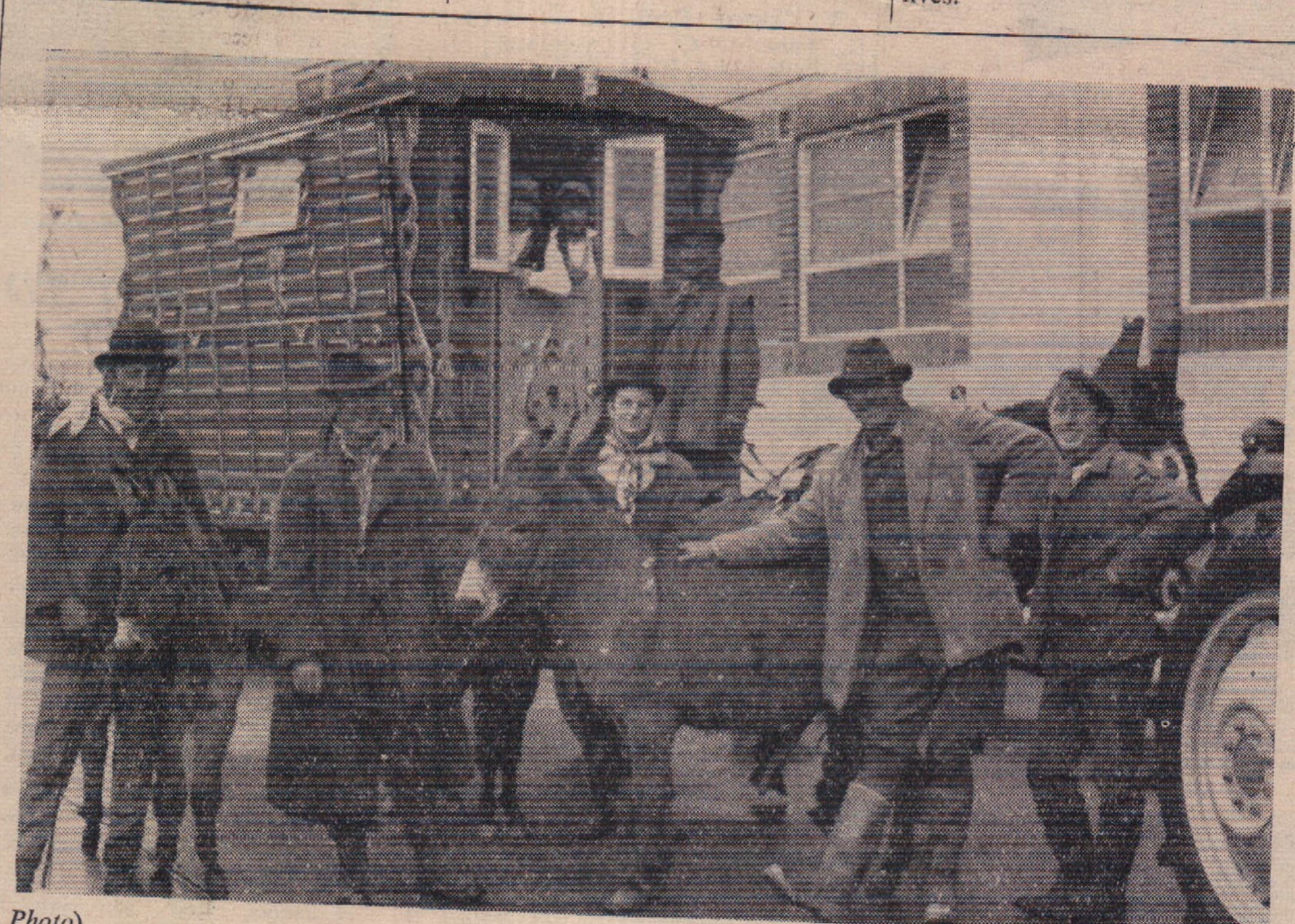
    Exhibition of school work
  • 200 Bideford Liberal club new lounge bar opened
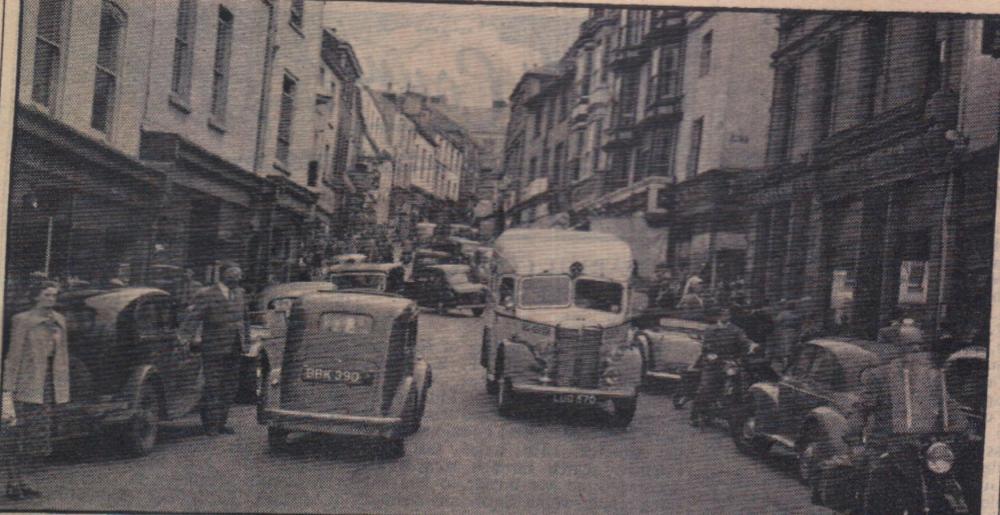
  • 201 Holiday traffic in Bideford High Street

  • 202 Smiling welcome to Hartland visitors

  • 203 Appledore schooner broadcast

  • 204 Big develolpment at Calveford

  • 205 Where Bideford rope-makers walked>
  • 206 Students help model St Sidwell

  • 207 America's tribute to 'J.H.'

  • 208 Tide sweeps under and over the old bridge

  • 209 Clovelly donkey film star

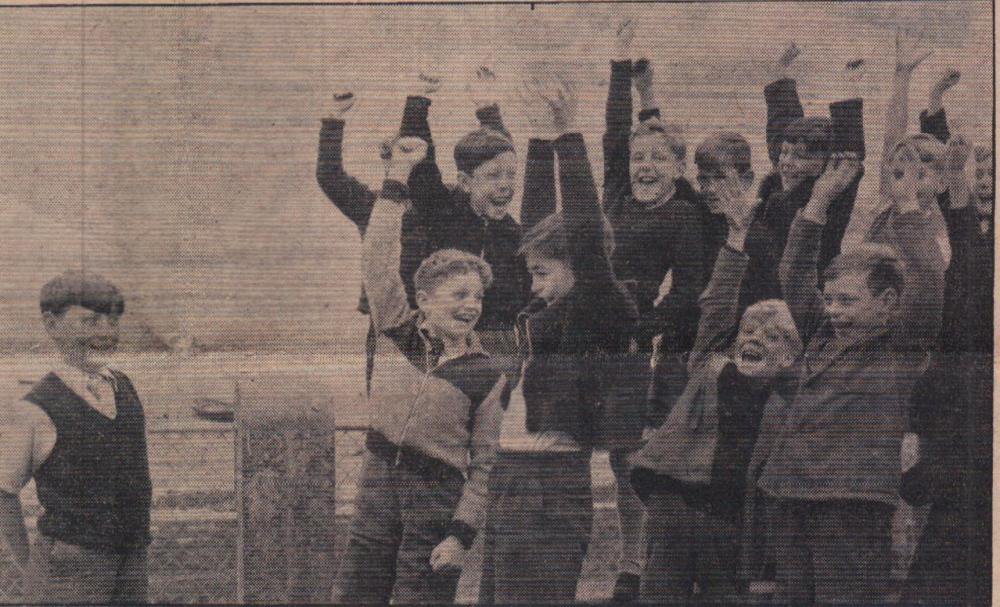
  • 210 Happy Days!

  • 211 Revenge in style

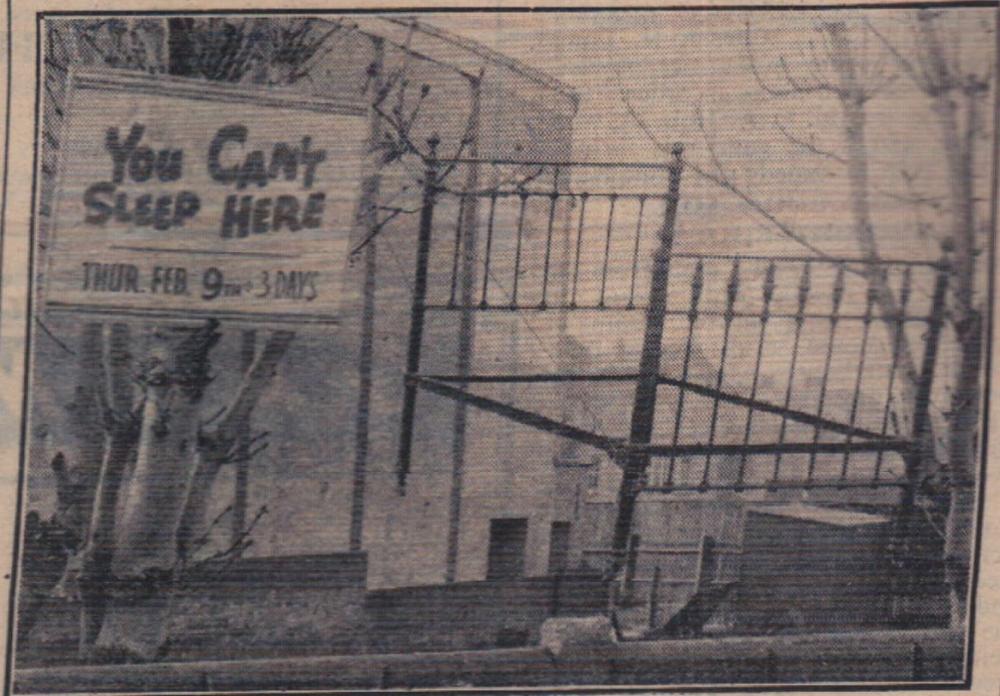
  • 212 A sense of humour in advertising

  • 213 Farewell to passenger trains

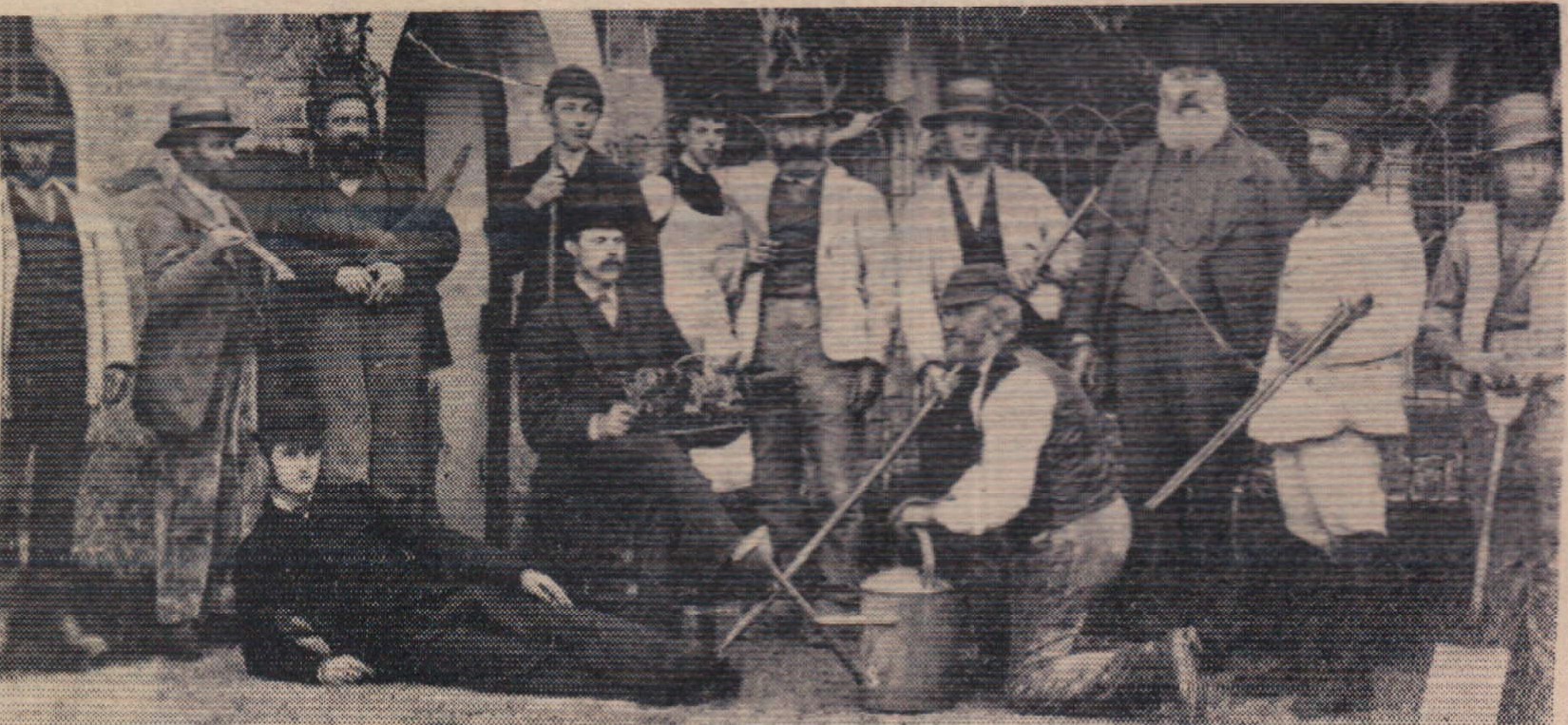
  • 214 Hartland Abbey outdoor staff 60 years ago
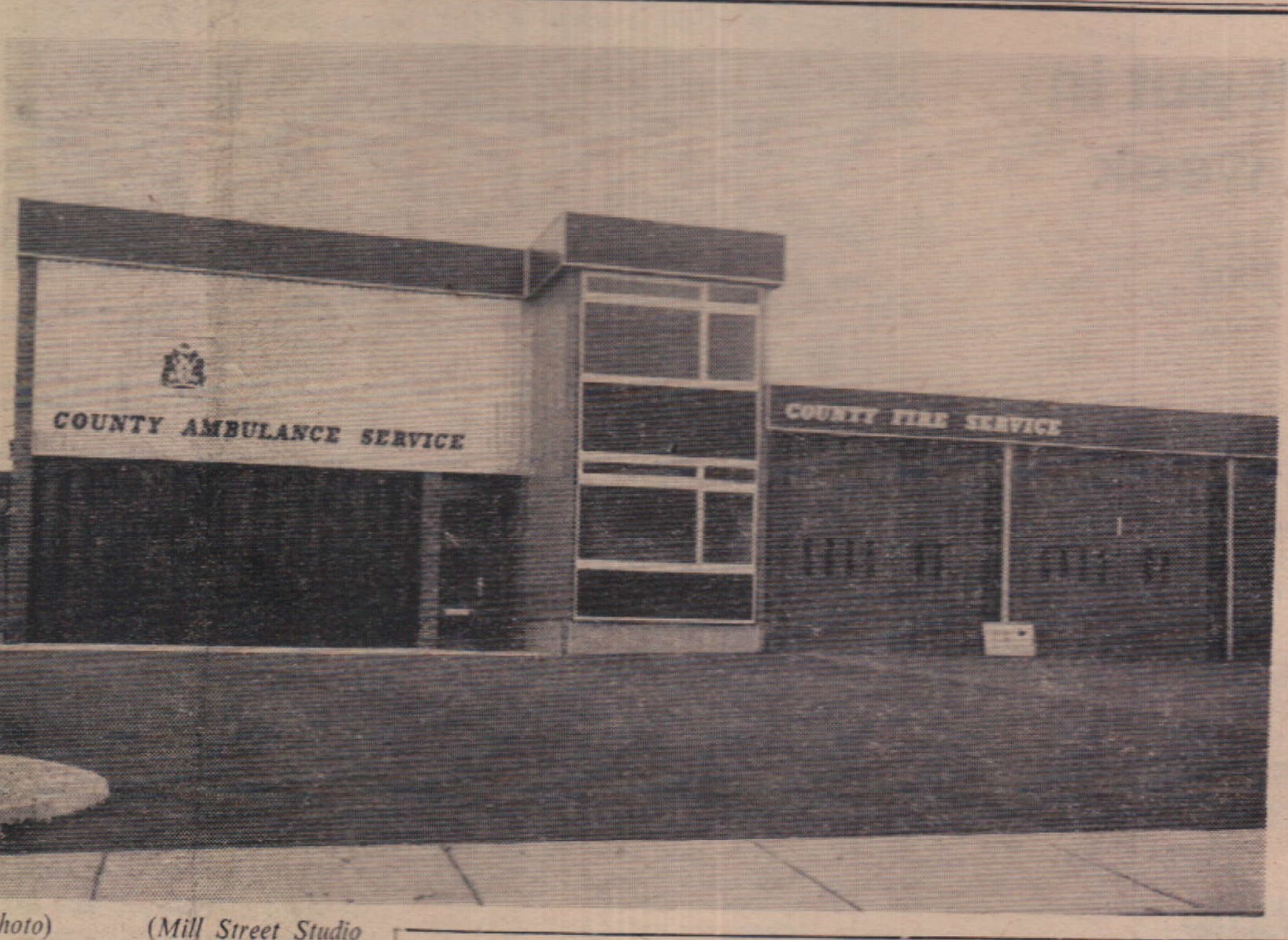
  • 215 New fire and ambulance stations

  • 216 Practical sympathy at Northam

  • 217 First ship in 8 years

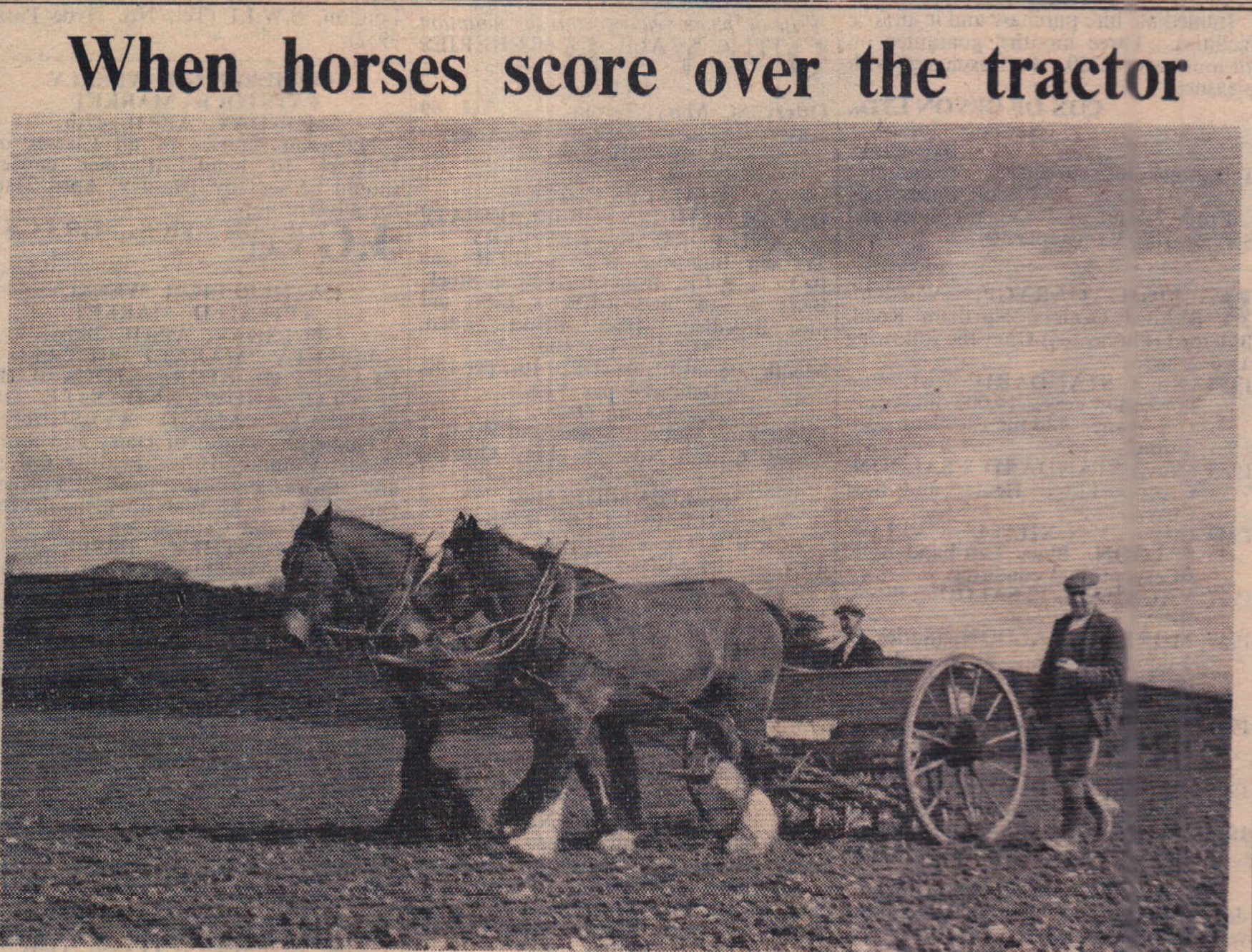
  • 218 When horses score over the tractor

  • 219 No ancient Grecian temple this

  • 220 Fundraising trip for RNLI

  • 221 Battle of the gap at Westward Ho!

  • 222 Pannier Market's future?

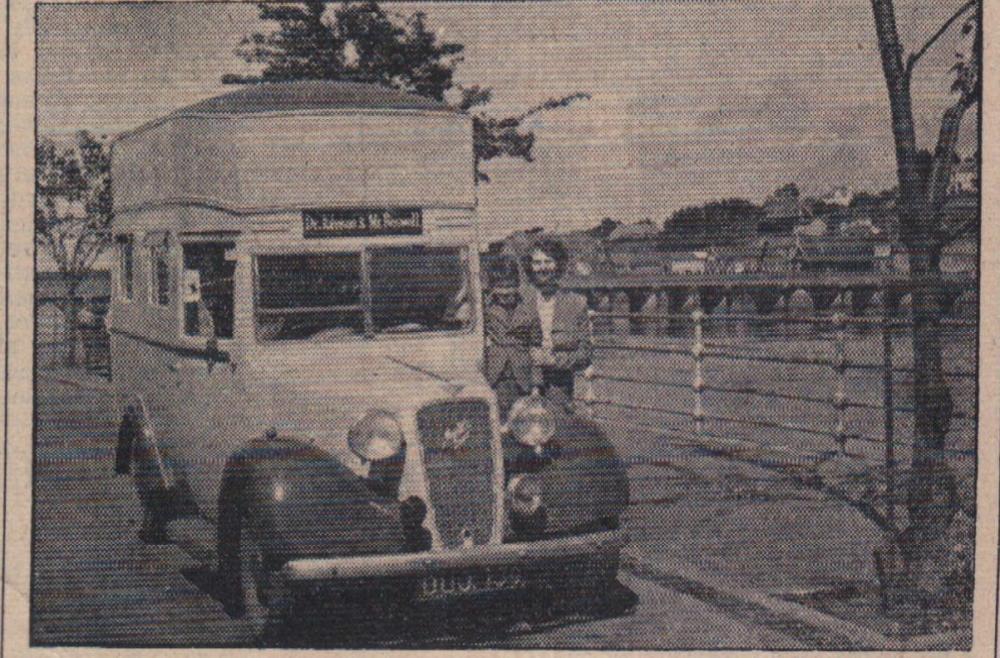
  • 223 Mobile missionary

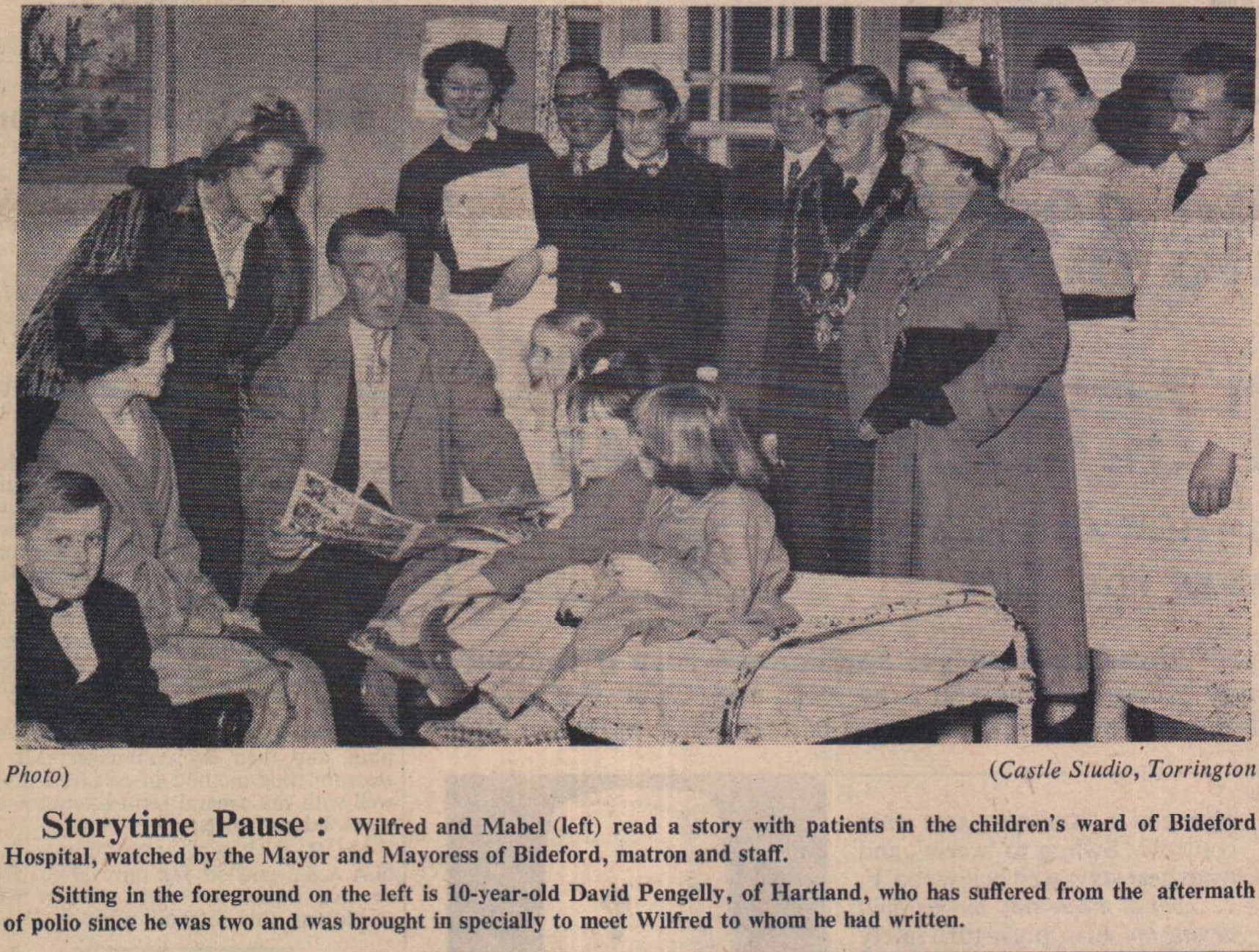
  • 224 Wilfred and Mabel visit schools and hospital

  • 225 113 years at Instow

  • 226 Passing of a Torrington landmark

  • 227 Donkey and horses enjoy carnival drink
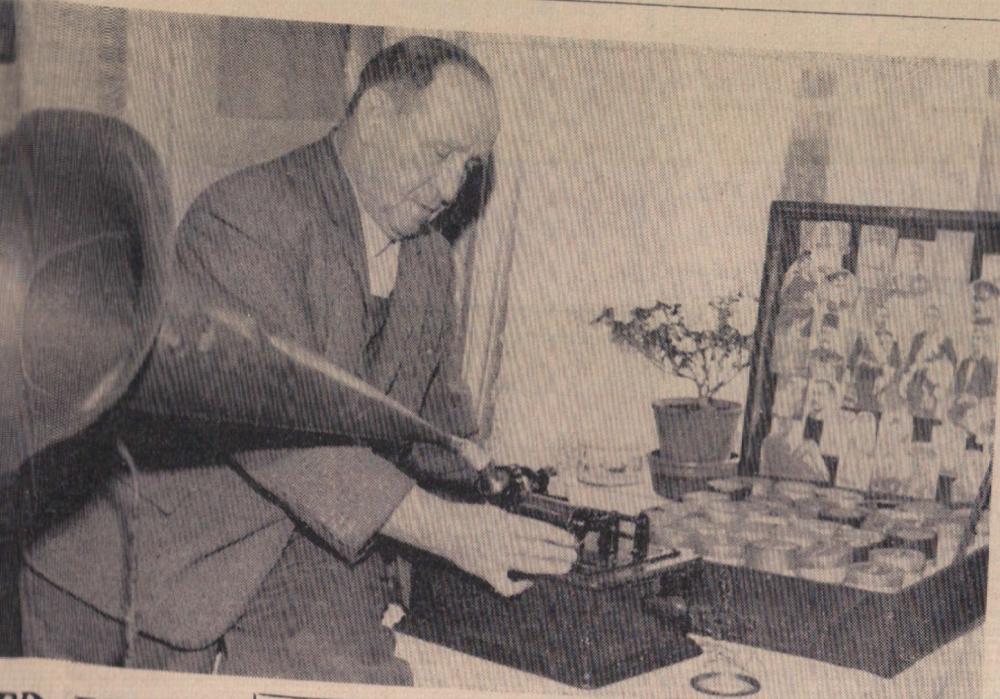
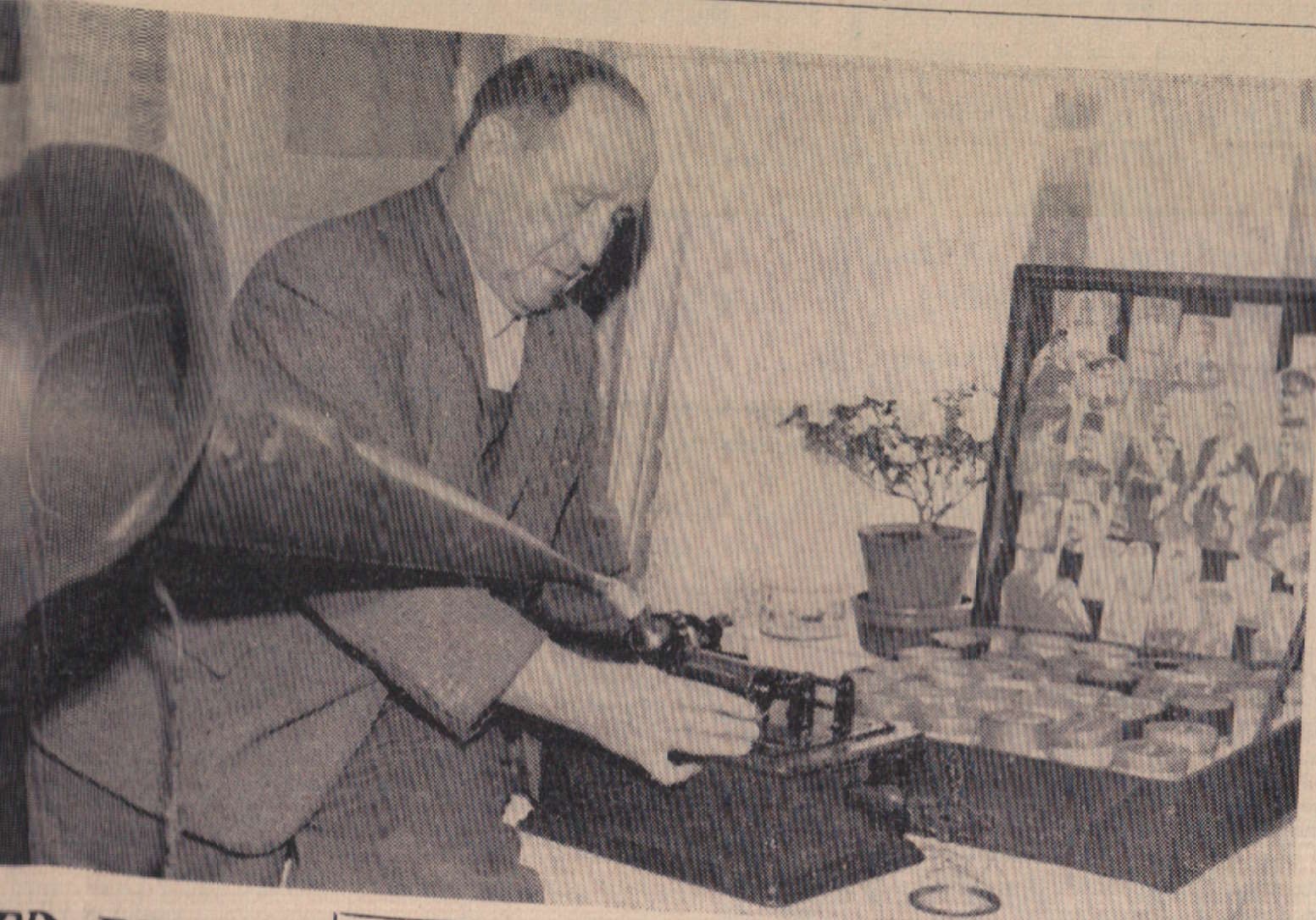
  • 228 Record player of 80 years ago

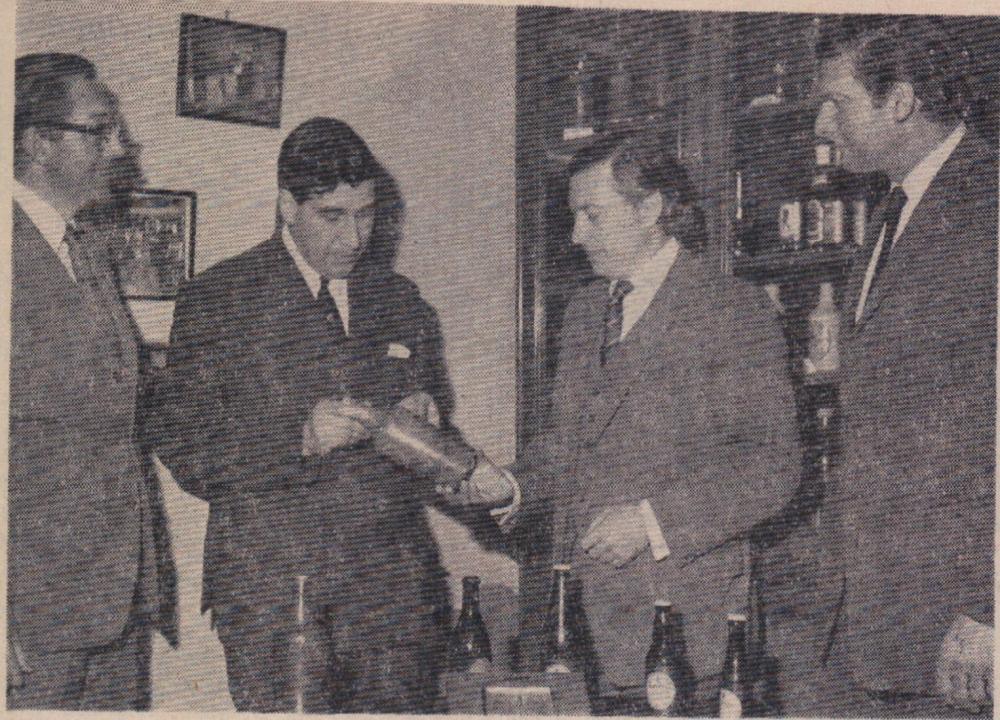
  • 229 Wine and beer merchants for 150 years
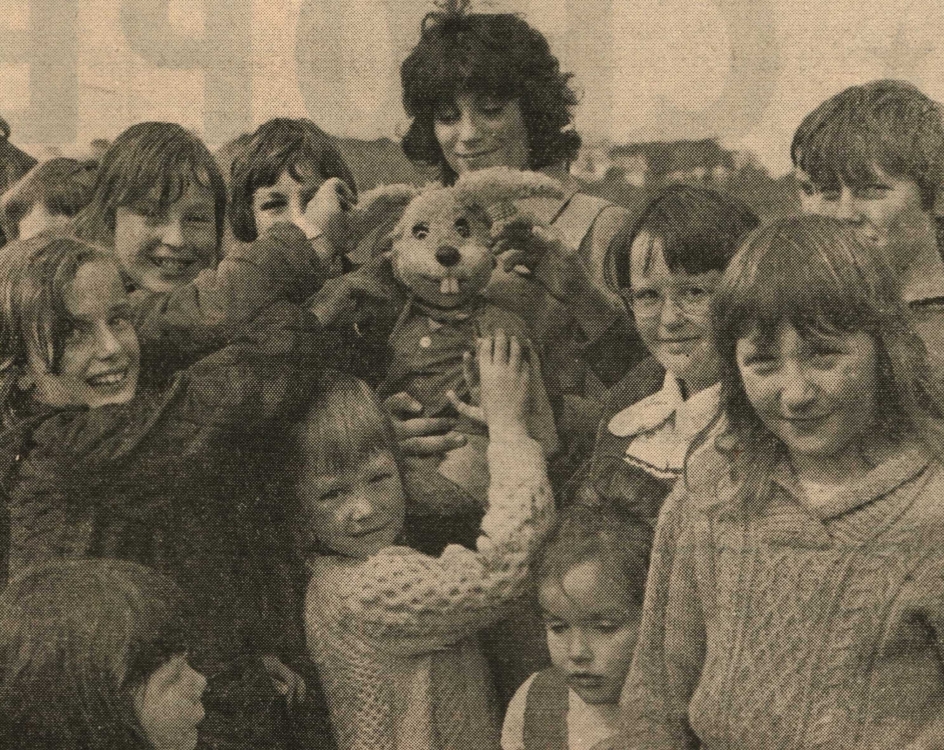
  • 230

    Gus Honeybun meets local children
  • 231 New art gallery opened

  • 232 Alwington School closing after 120 years

  • 233 Landmark at Bradworthy

  • 234 Torrington to have first woman mayor

  • 235 Up-to-date Bideford!

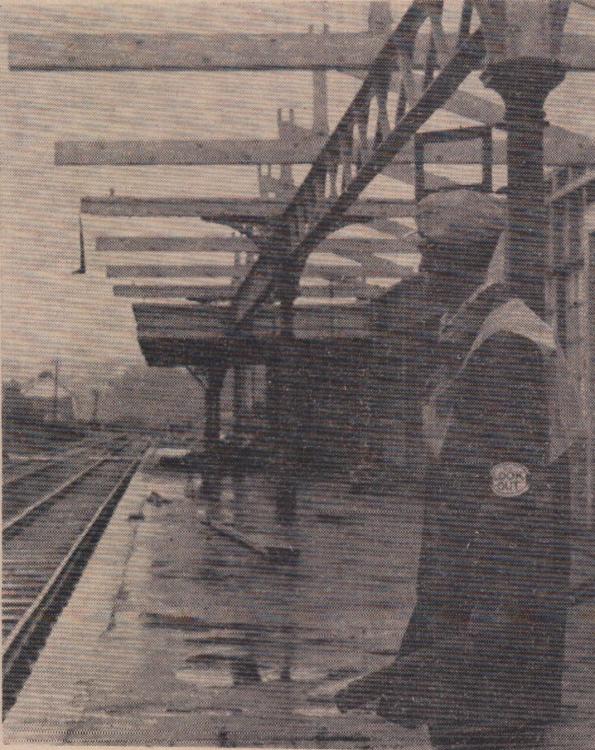
  • 236 End of the line

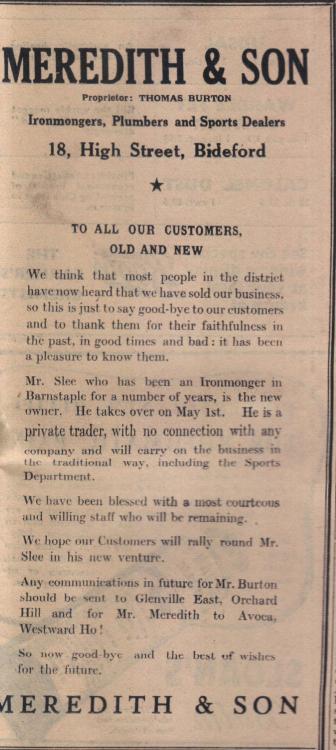
  • 237 Meredith and Son ad.>
  • 238 Life begins at 80

  • 239 Ship-in-bottle world record

  • 240 Clovelly nightmare

  • 241 Torrington's shelter for the aged

  • 242 Barley from Bideford to Bonnie Scotland

  • 243 Clovelly custom

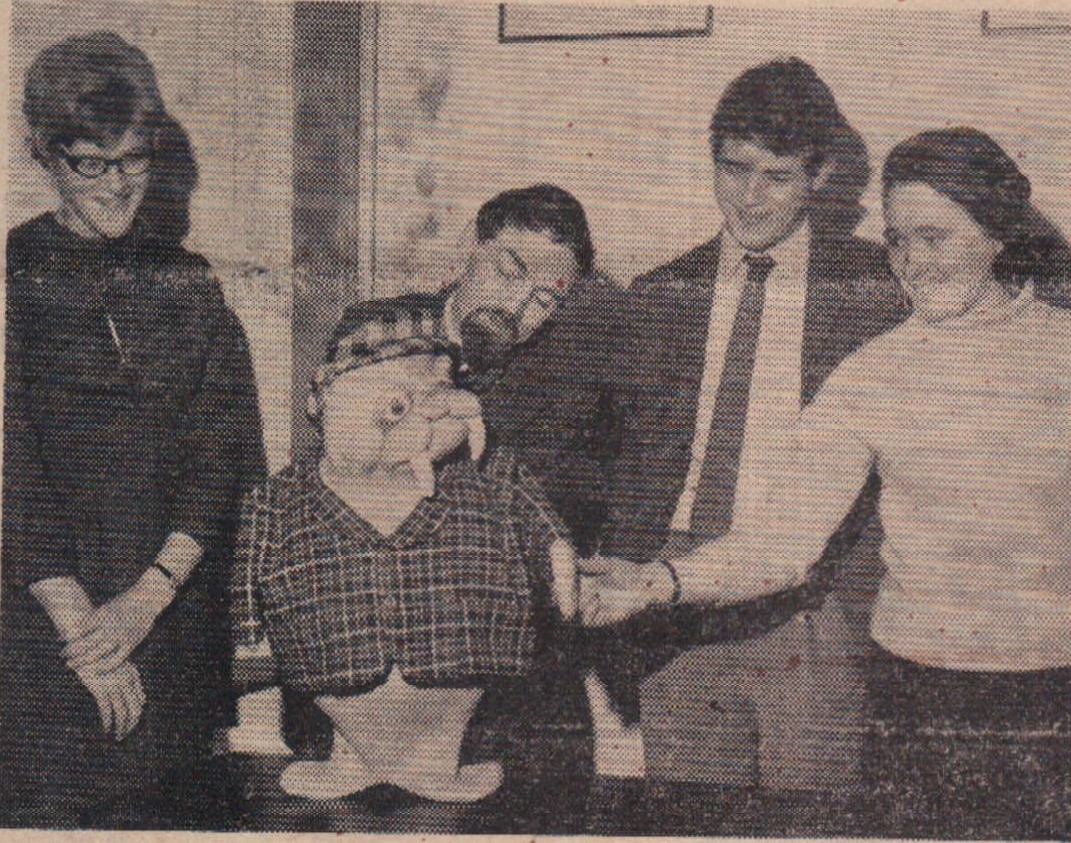
  • 244 Puppet characters introduced

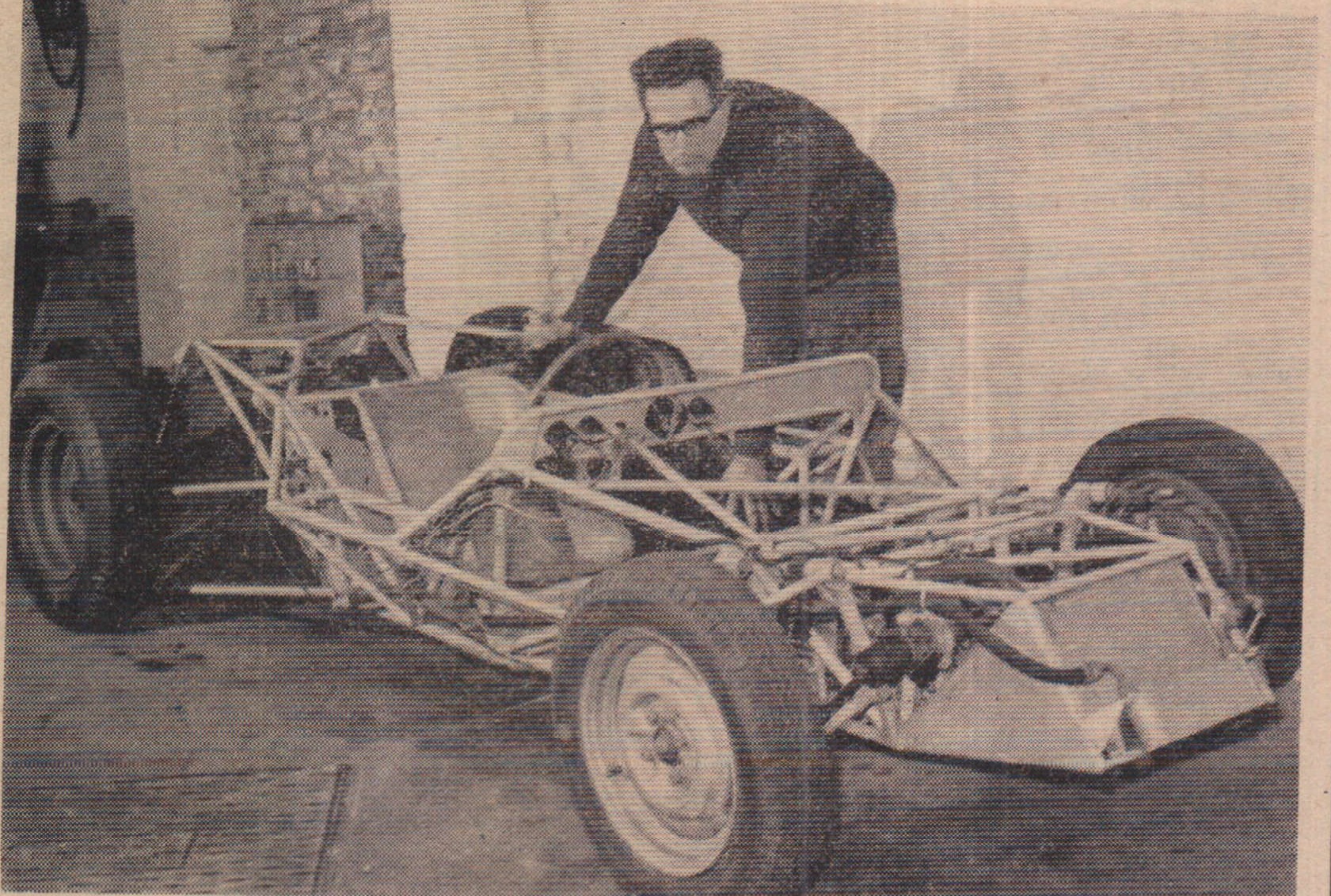
  • 245 To build racing cars in former blacksmith's shop
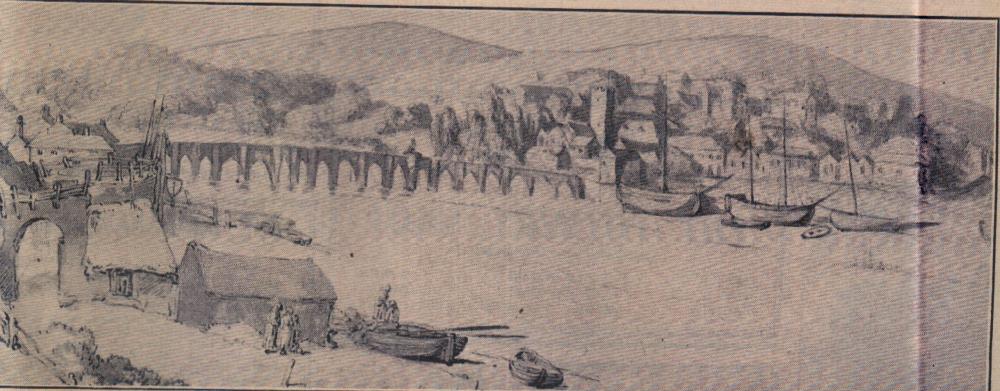
  • 246 Bideford - as Rowlandson saw it about 1810-15

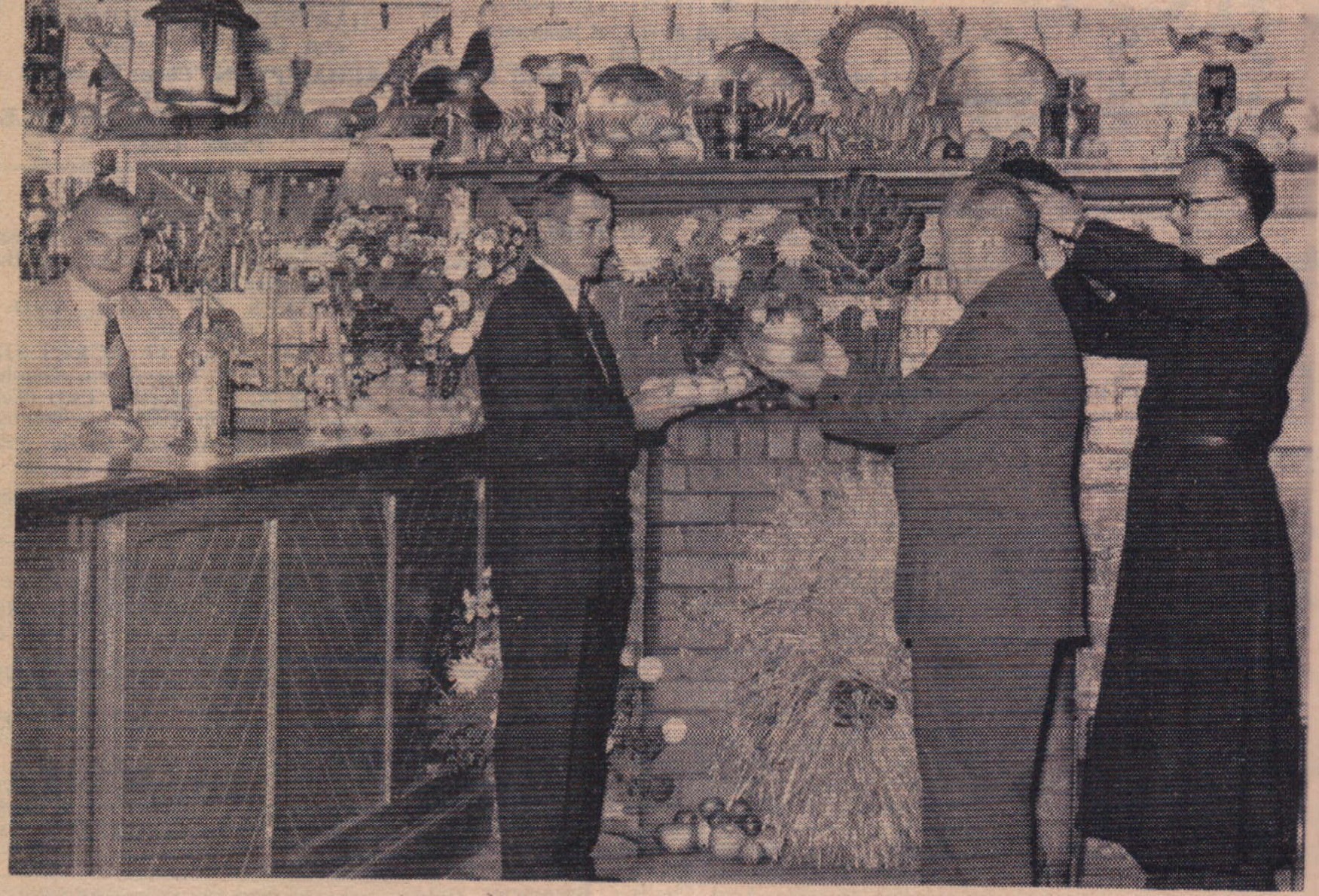
  • 247 Harvest service in Bideford 'pub' bar

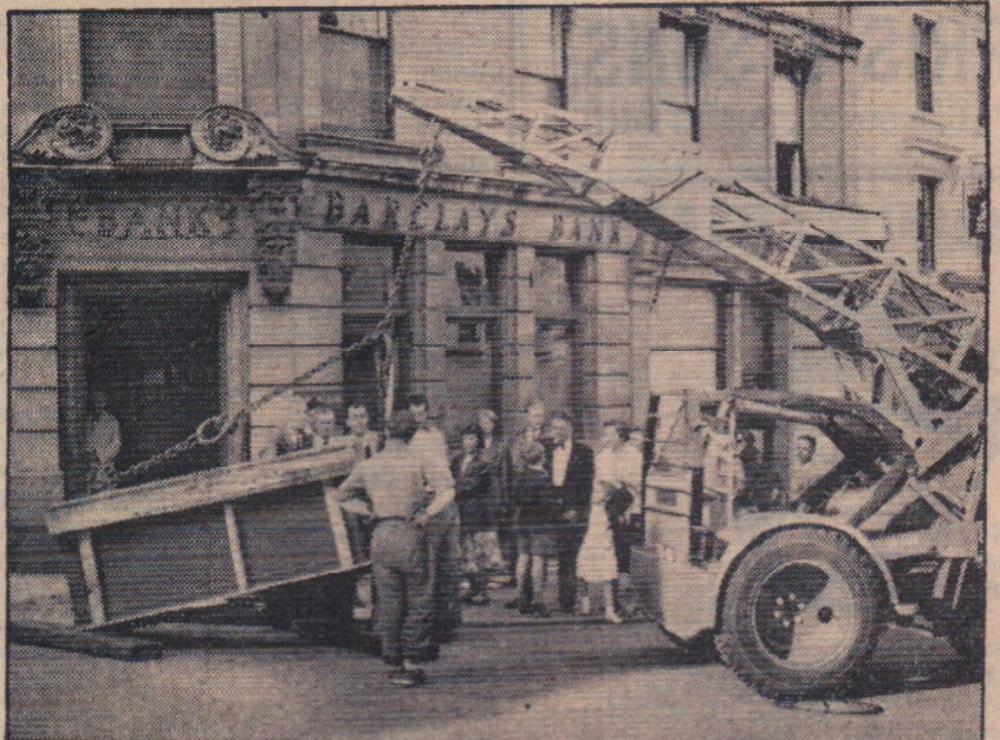
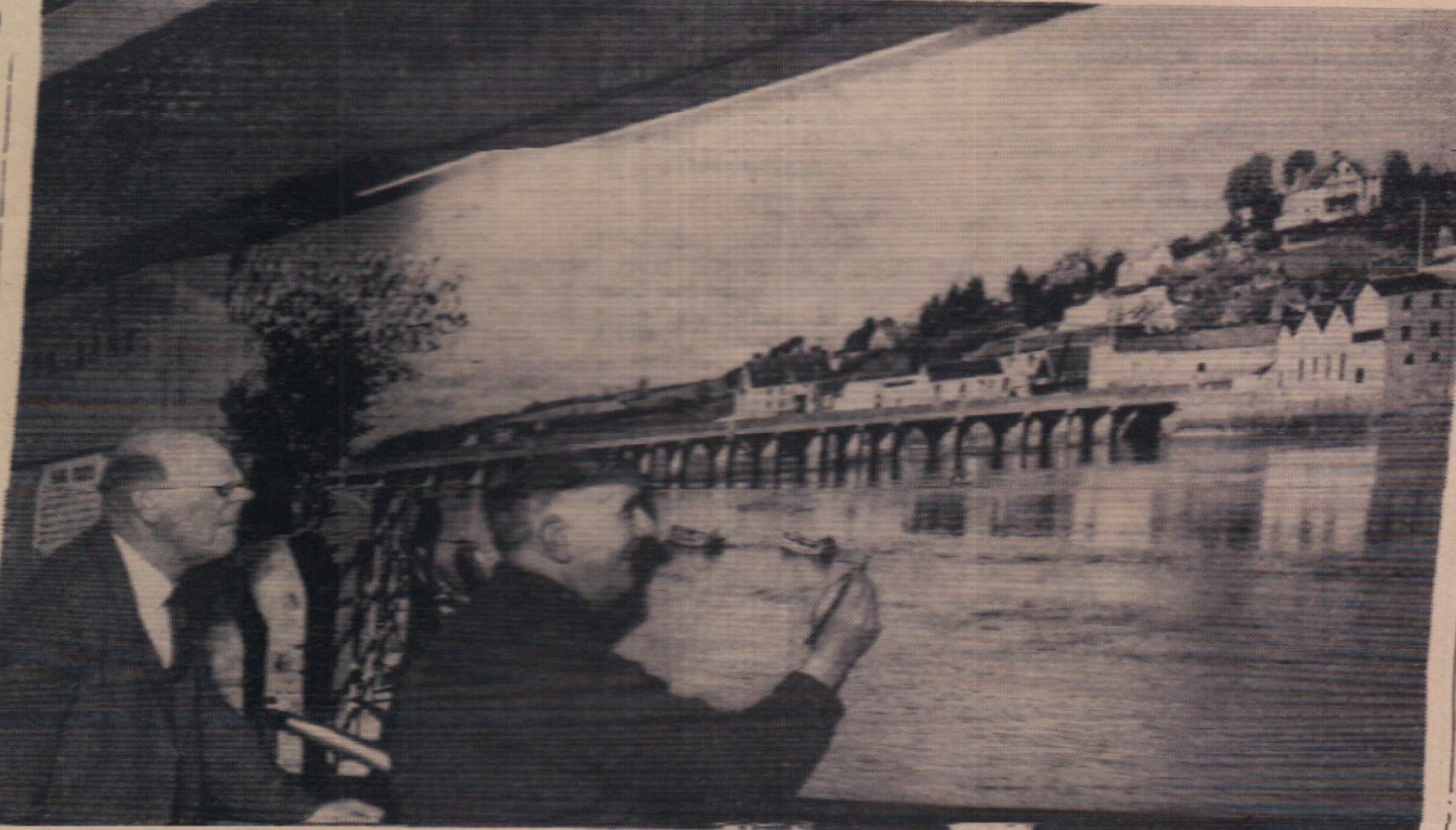
  • 248 Photo mural in Bideford bank

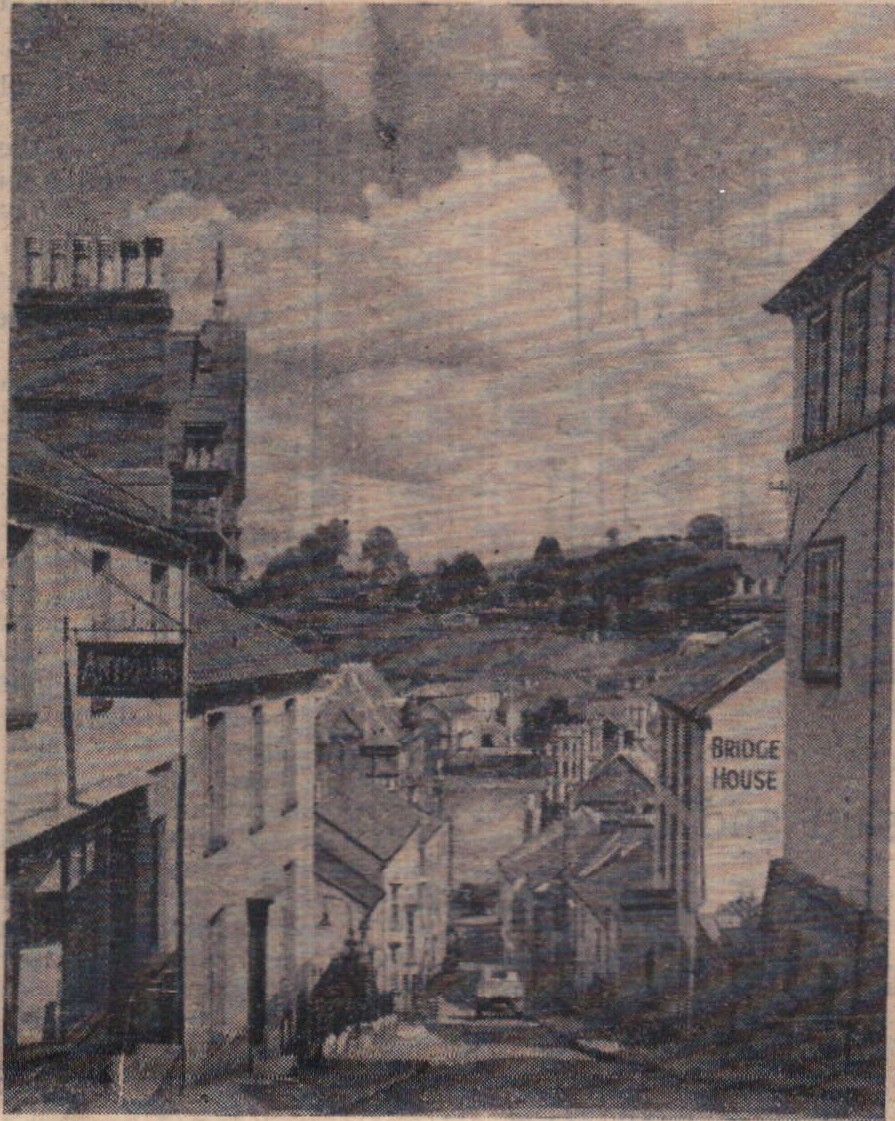
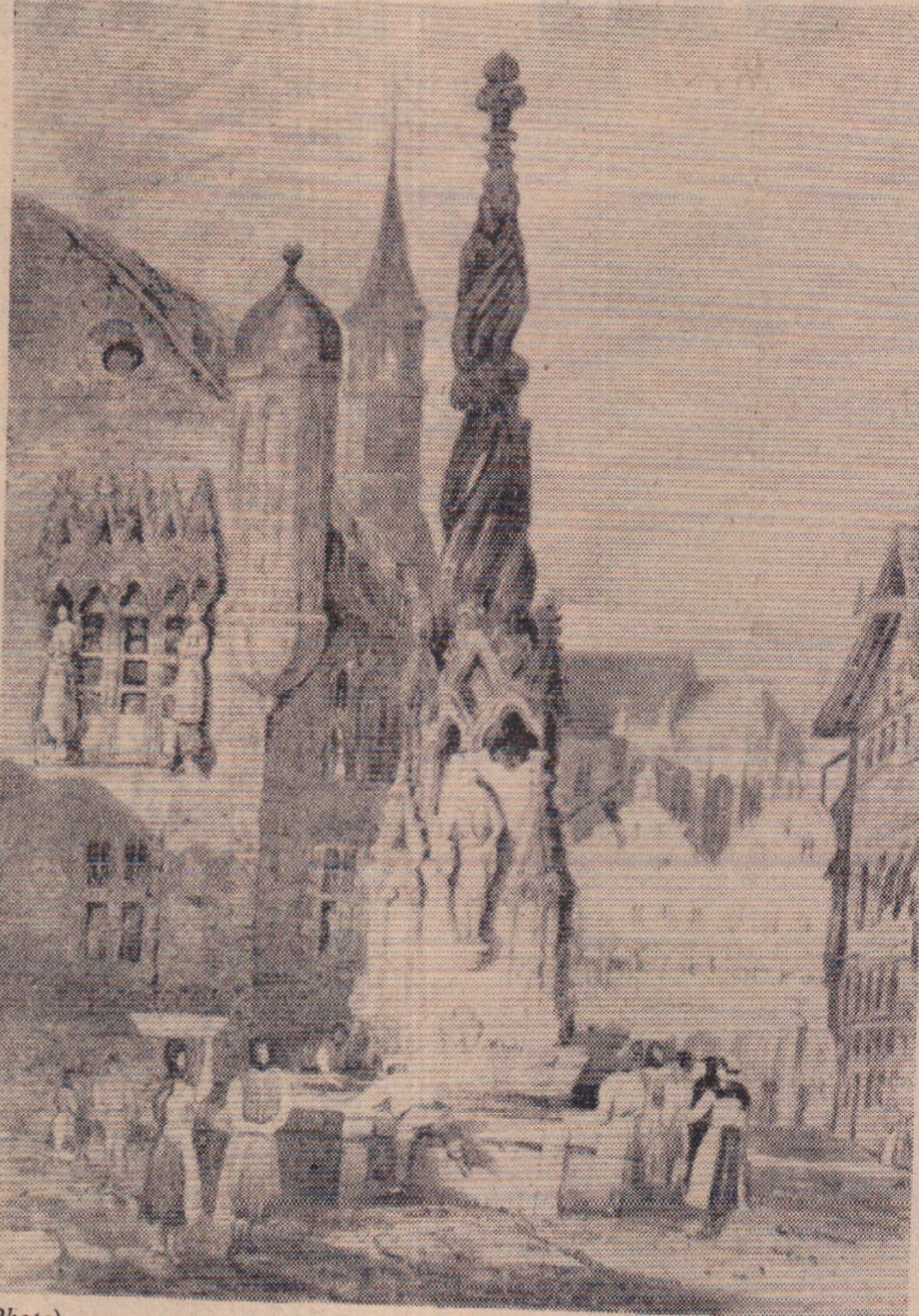
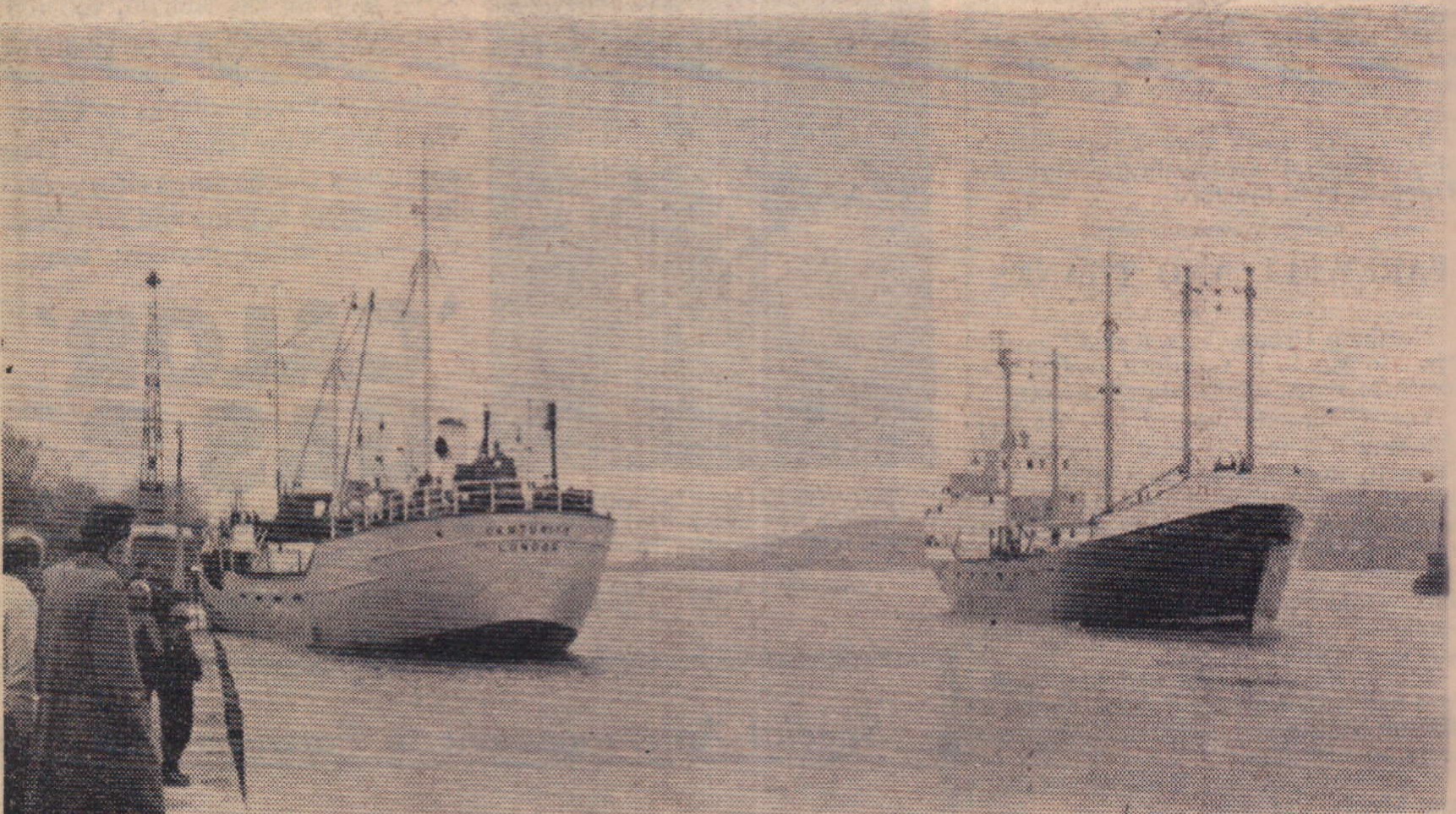
  • 249 Steep street of old Bideford

  • 250 New addition to Quay front

  • 251 Appledore boy is youngest recipient of RNLI vellun

  • 252

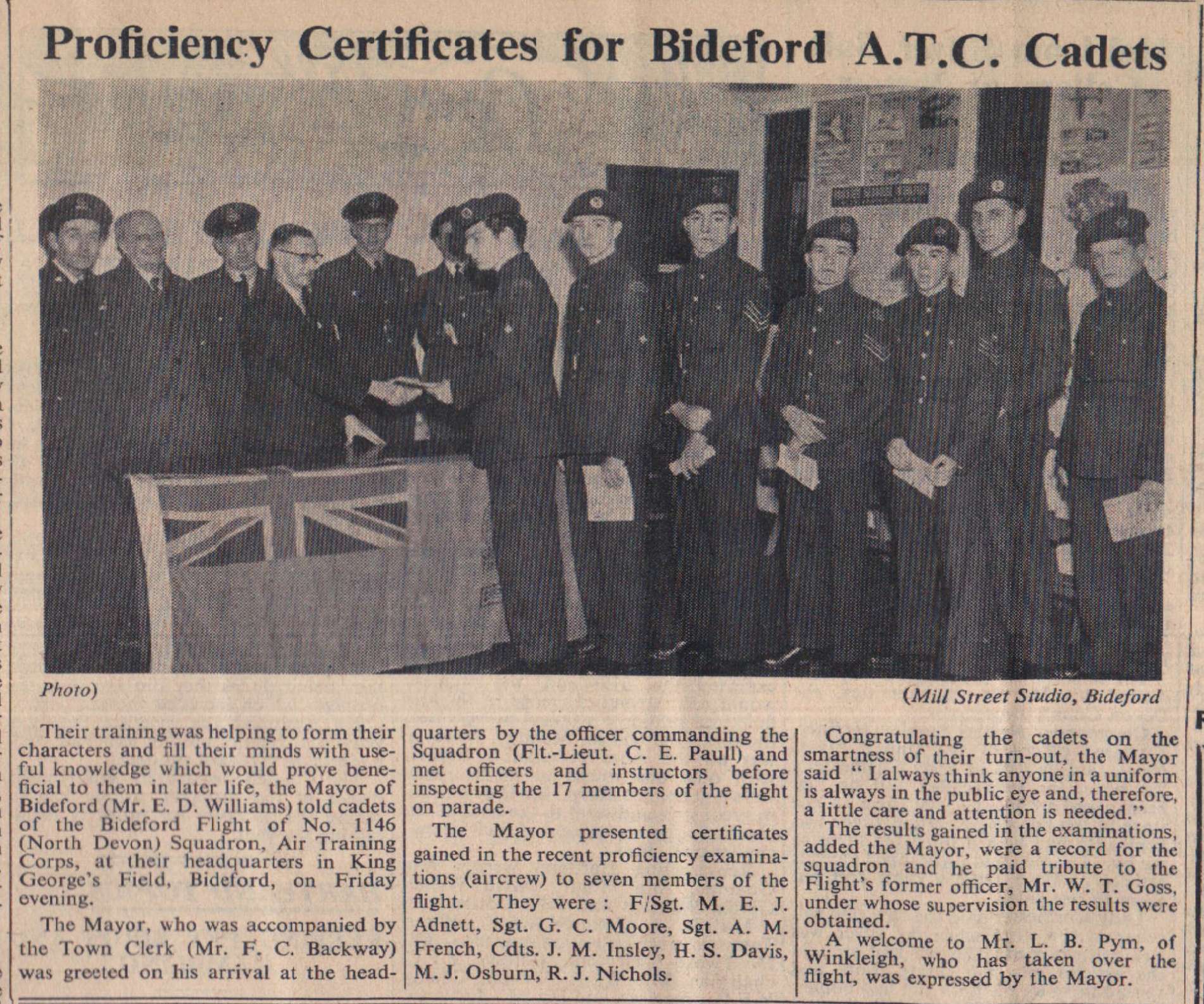
    Cadets are given certificates
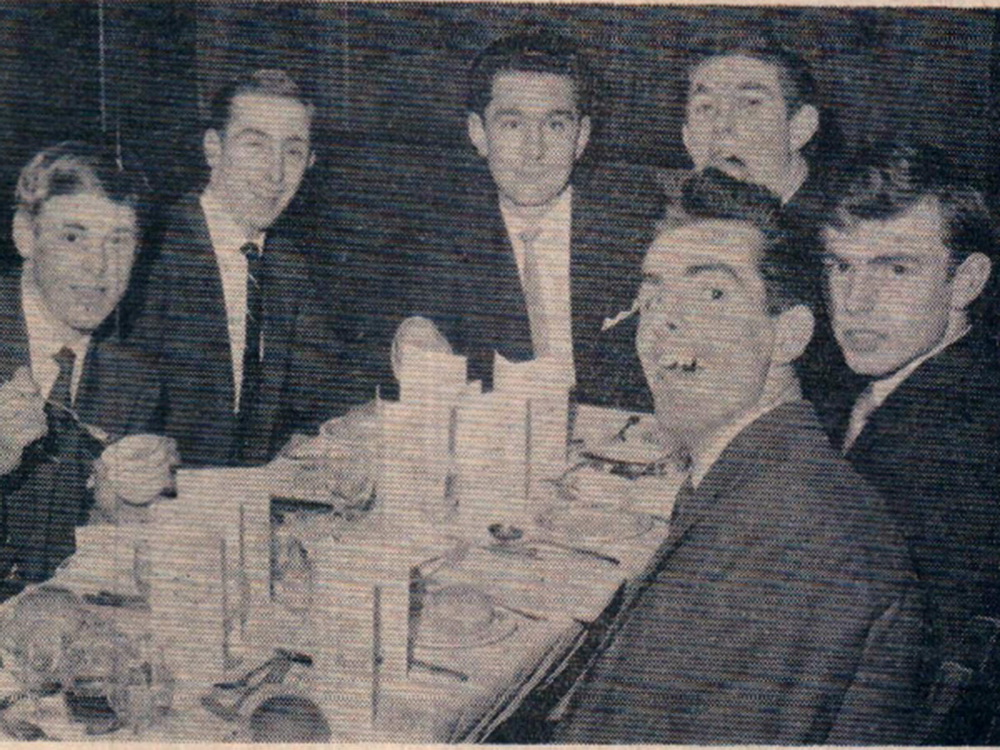
  • 253 Bideford A.F.C annual dinner
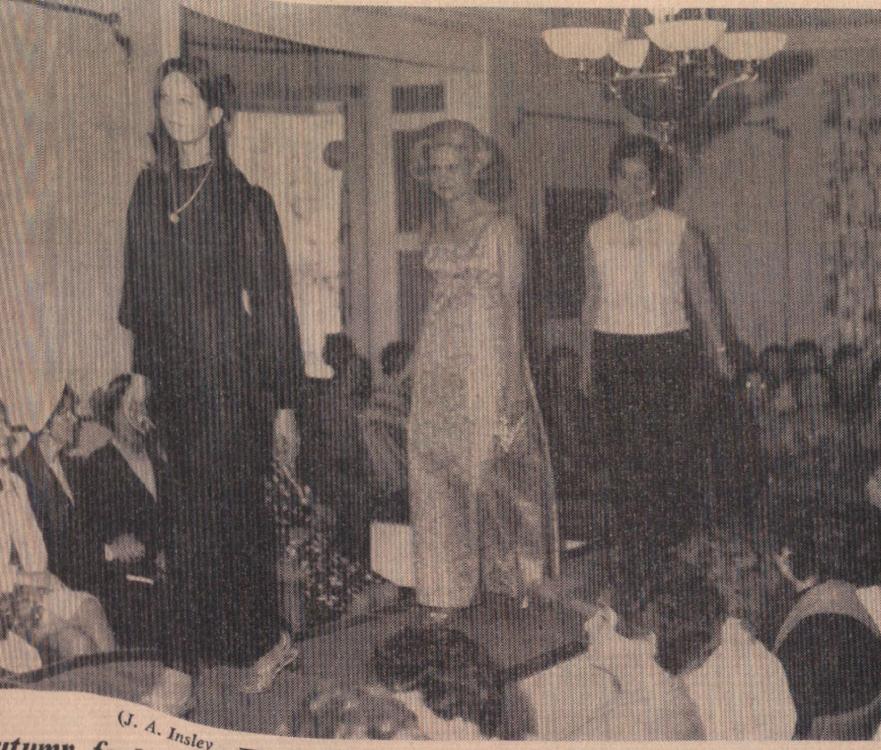
  • 254 Bideford Liberals' fashion show

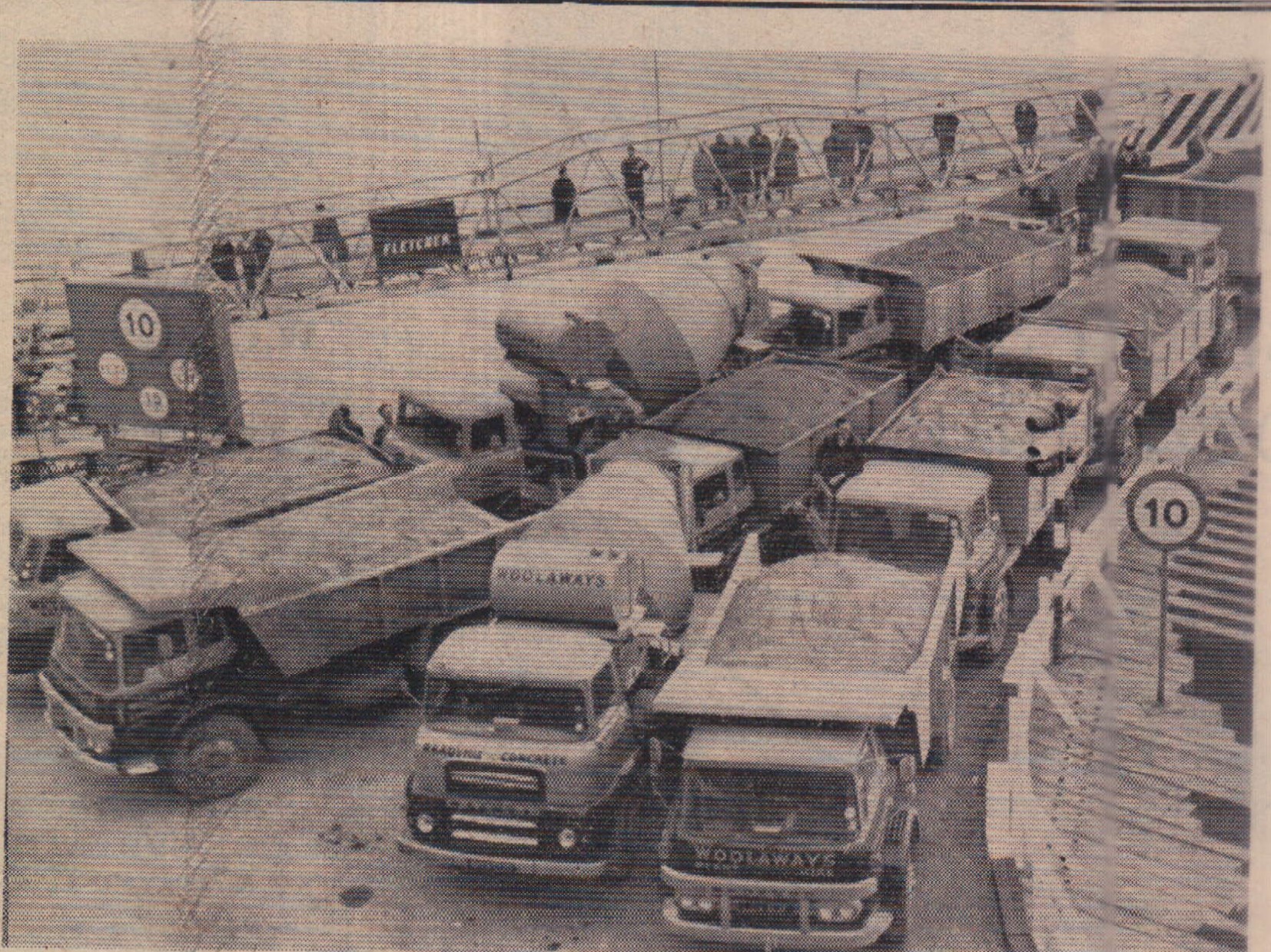
  • 255 Bideford Bridge re-opens

  • 256

    Close associations with North Devon
  • 257 Braddicks furniture ad.>
  • 258 Vessel built 300 feet above sea level

  • 259 Doing time - over 300 years of it - at Hartland
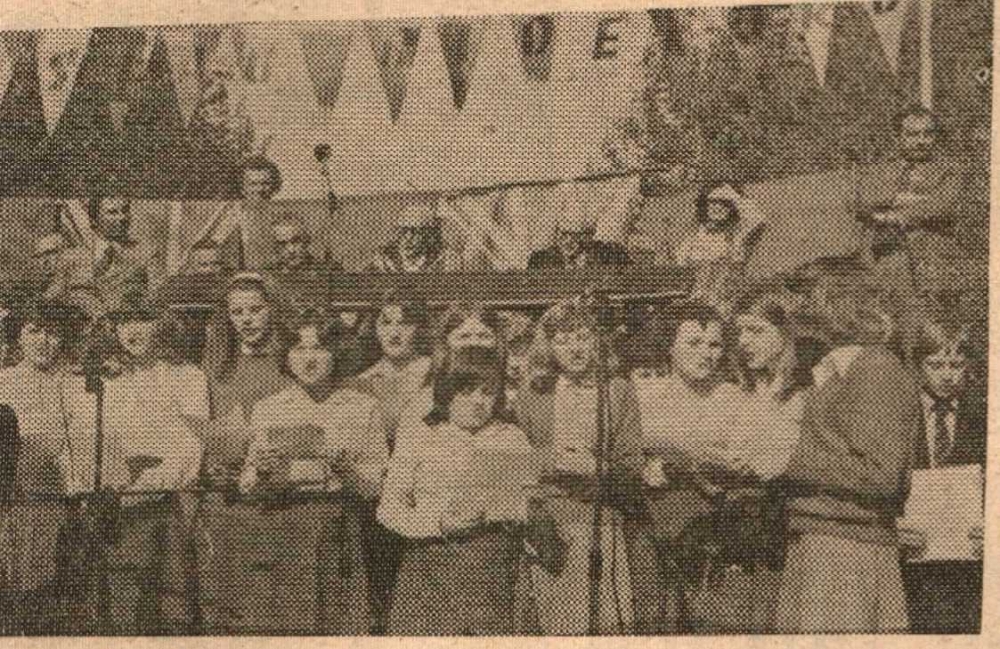
  • 260 Bideford School Junior Choir Sing in France at Twinning Ceremony in Landivisiau
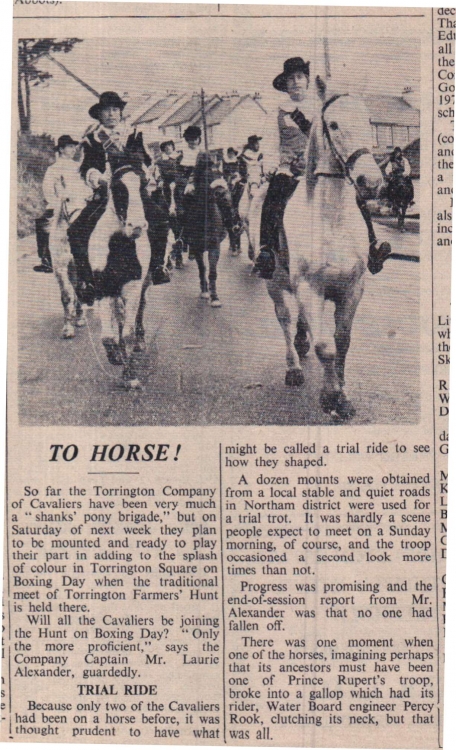
  • 261 Cavaliers join the Hunt
  • 262 Four hundred residents leave Bideford!

  • 263

    Appledore boys beat mums at football
  • 264 Pretty pennies at Beaford

  • 265

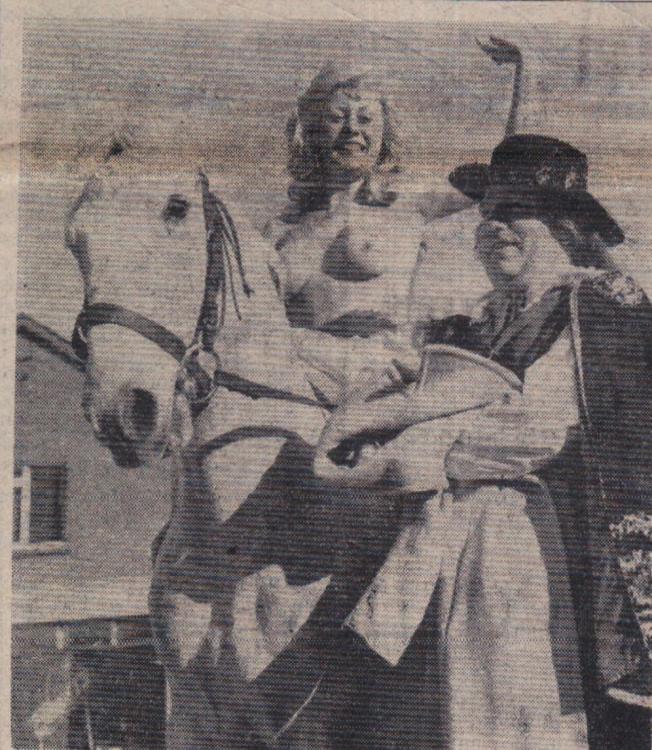
    10-year-old scrambler practices
  • 266 Picture bought for shillings may be worth thousands
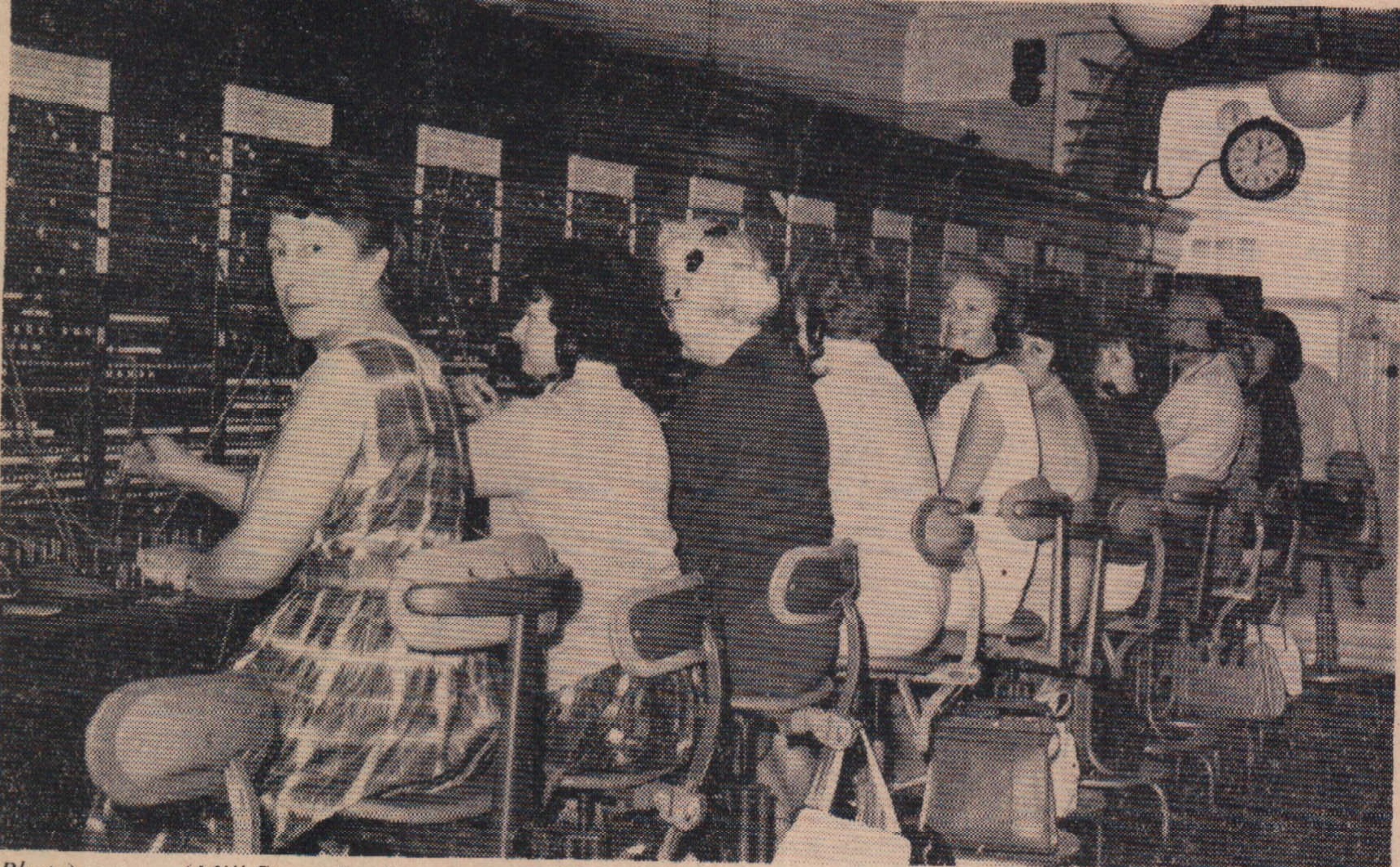
  • 267 Death - and birth - of a telephone exchange

  • 268 Amsterdam to Bideford double success

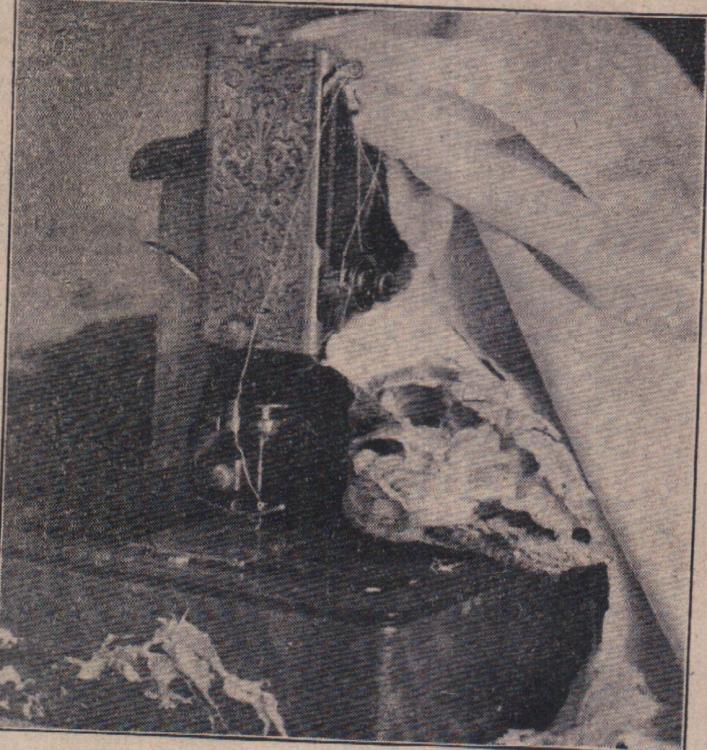
  • 269 Wasps' nest in sewing machine

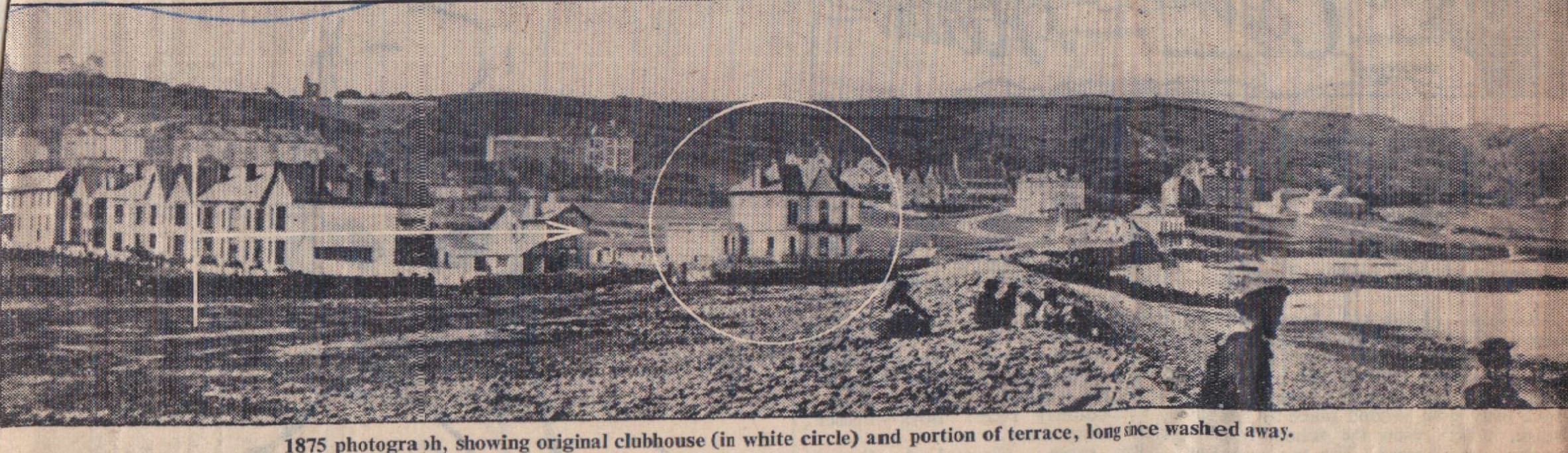
  • 270 Finished in 1876

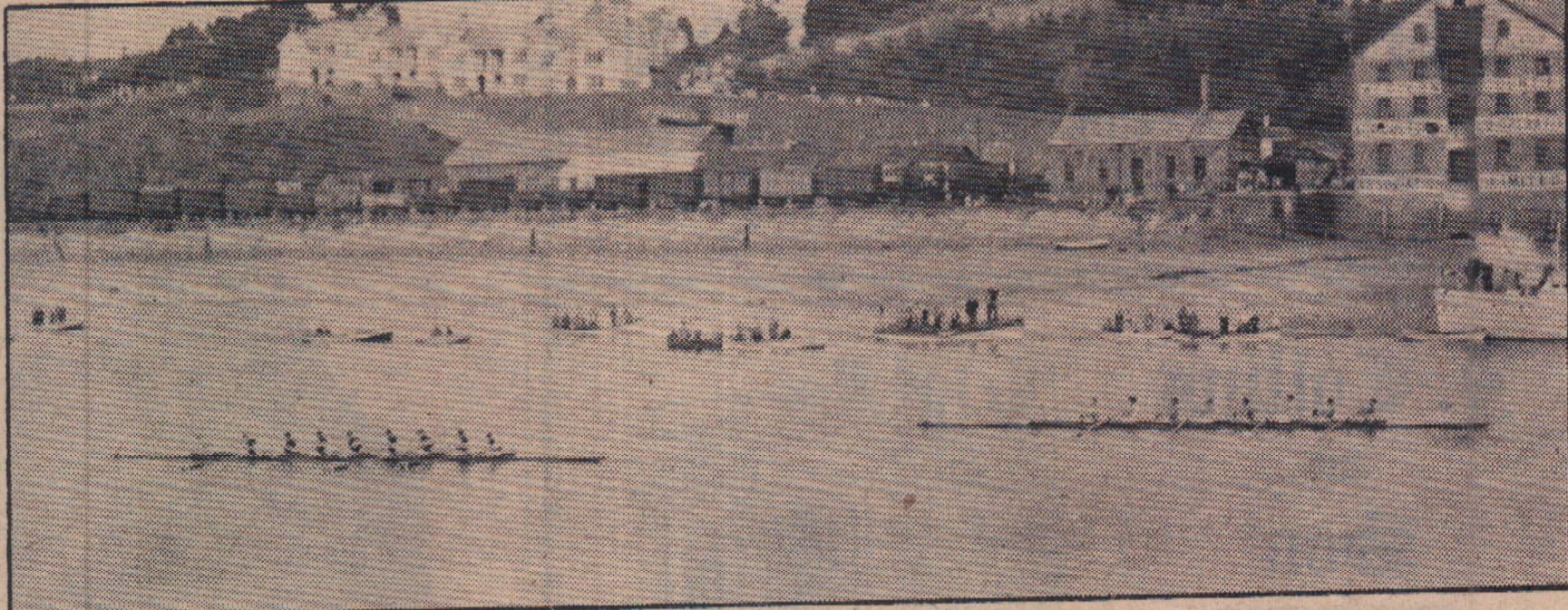
  • 271 Rowing triumphs at Bideford

  • 272 Faints as she wins national competition
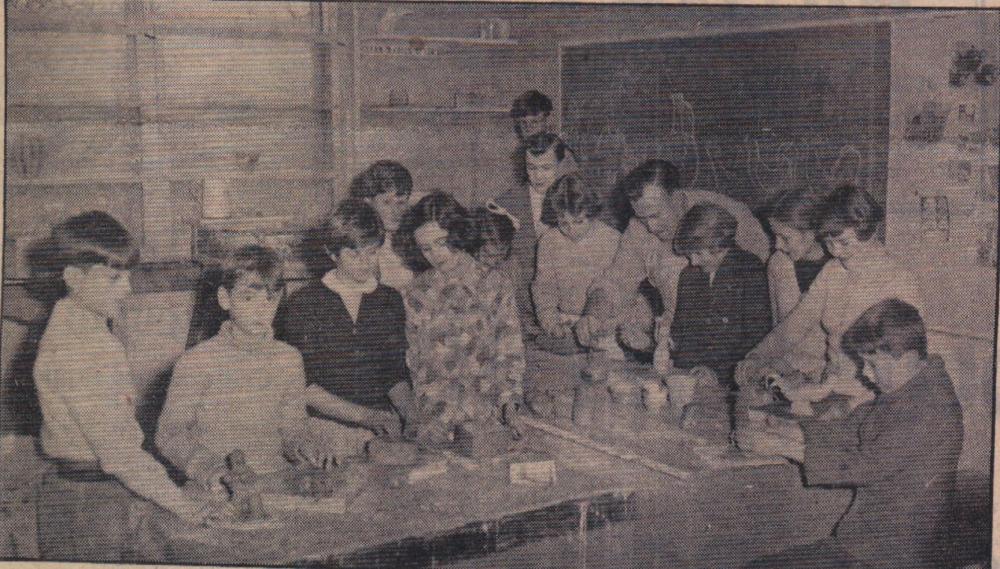
  • 273 The creative urge on Saturday morning

  • 274 Ships at Bideford

  • 275 New gateway to King George's Fields

  • 276 Loads of black and white

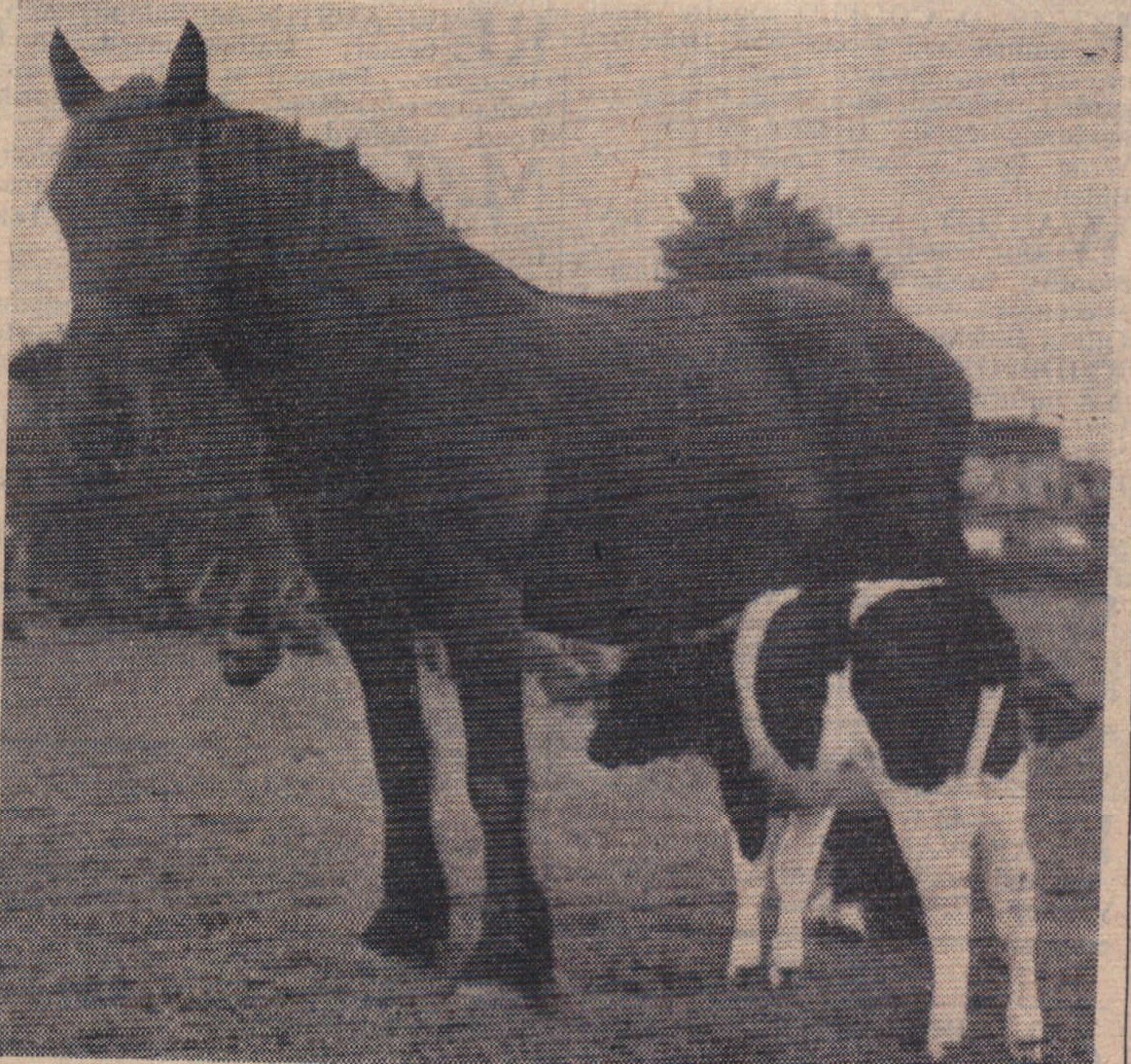
  • 277 Calf thinks of mare as mum

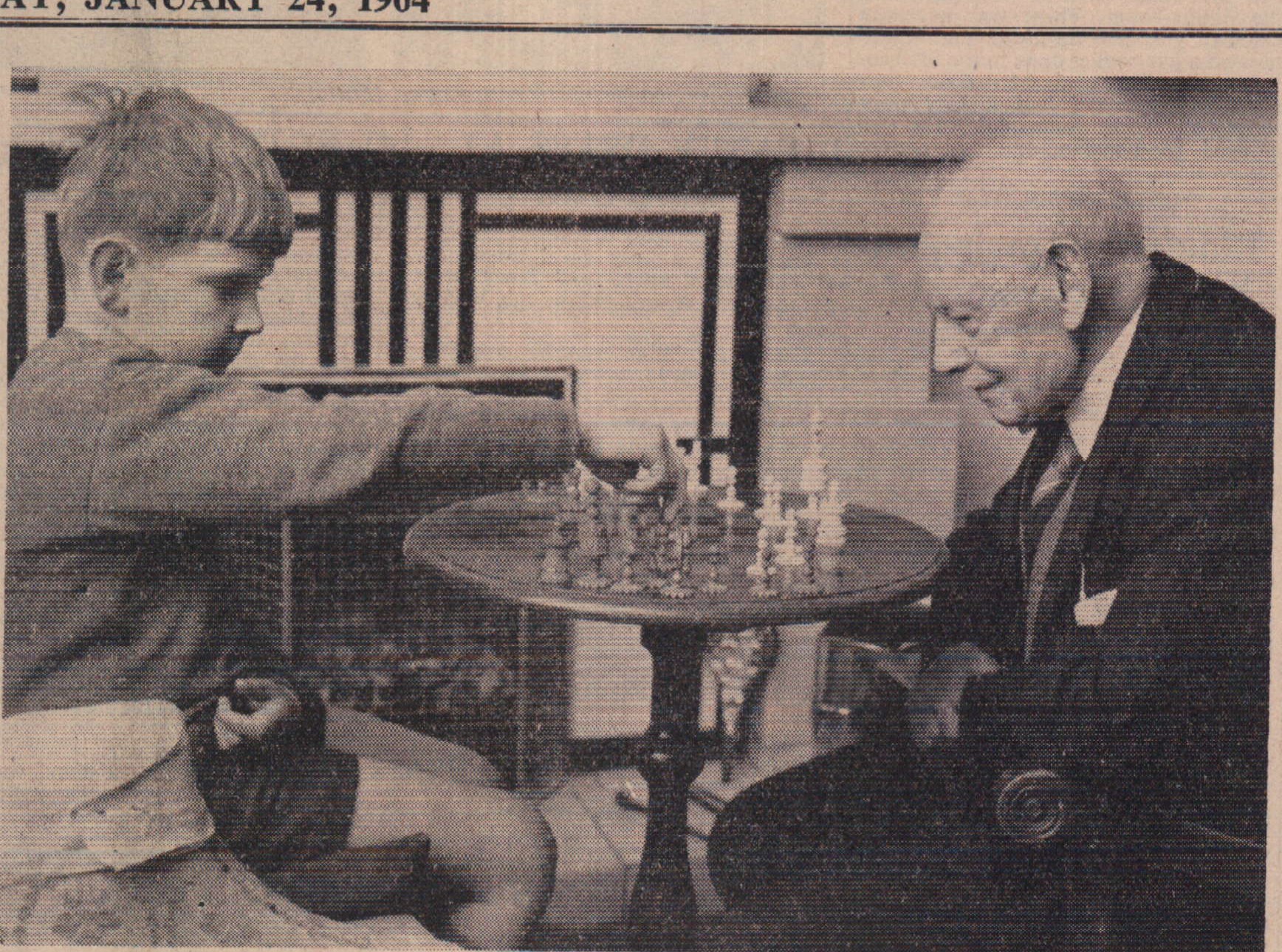
  • 278 Chess - their bridge over the years

  • 279

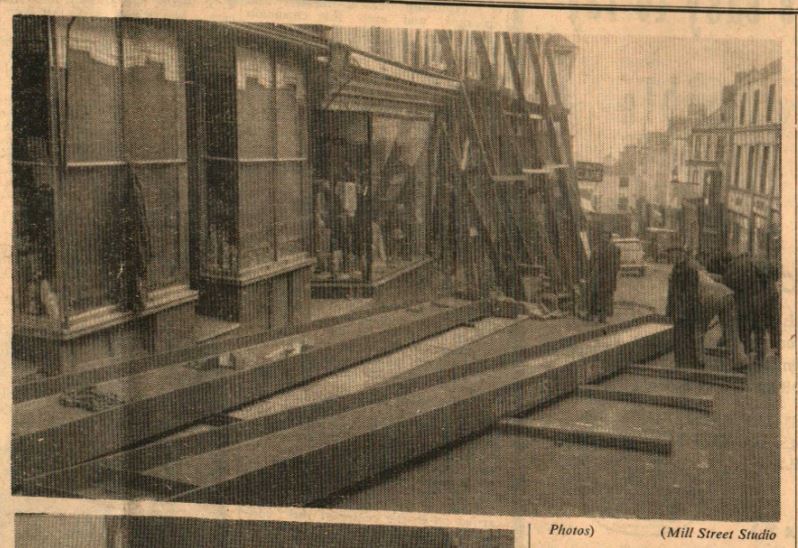
    Building works
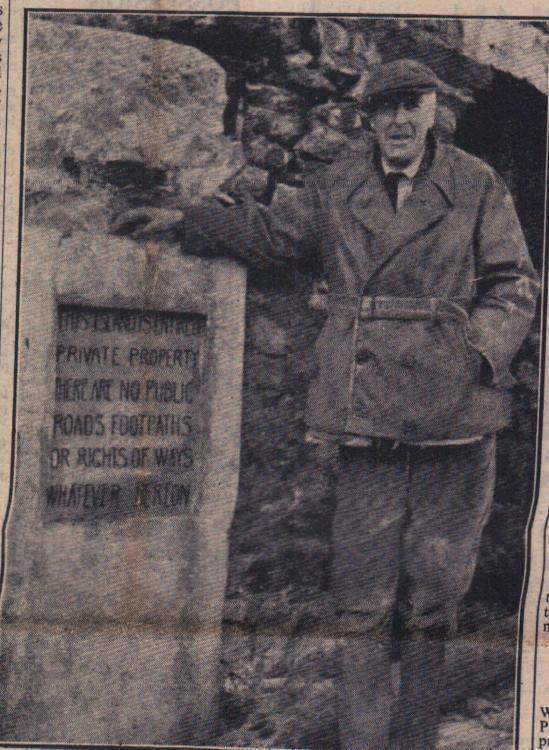
  • 280 Symbol of Lundy independence

  • 281

    Hamburger is part of modern life
  • 282 From Bobby to Brian

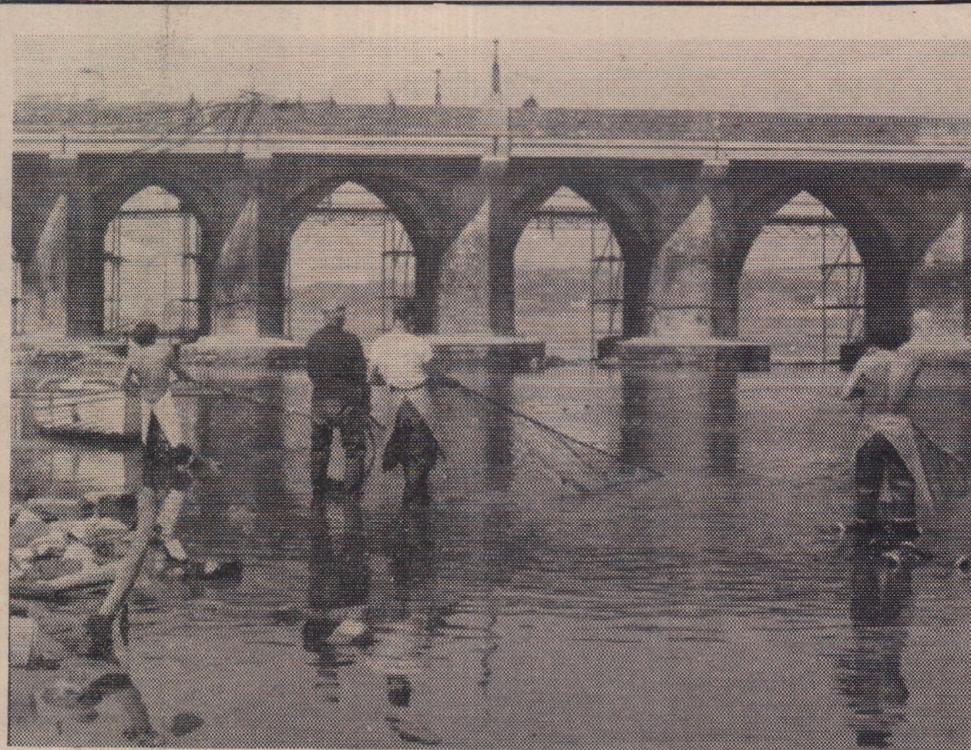
  • 283 Salmon netting at Bideford

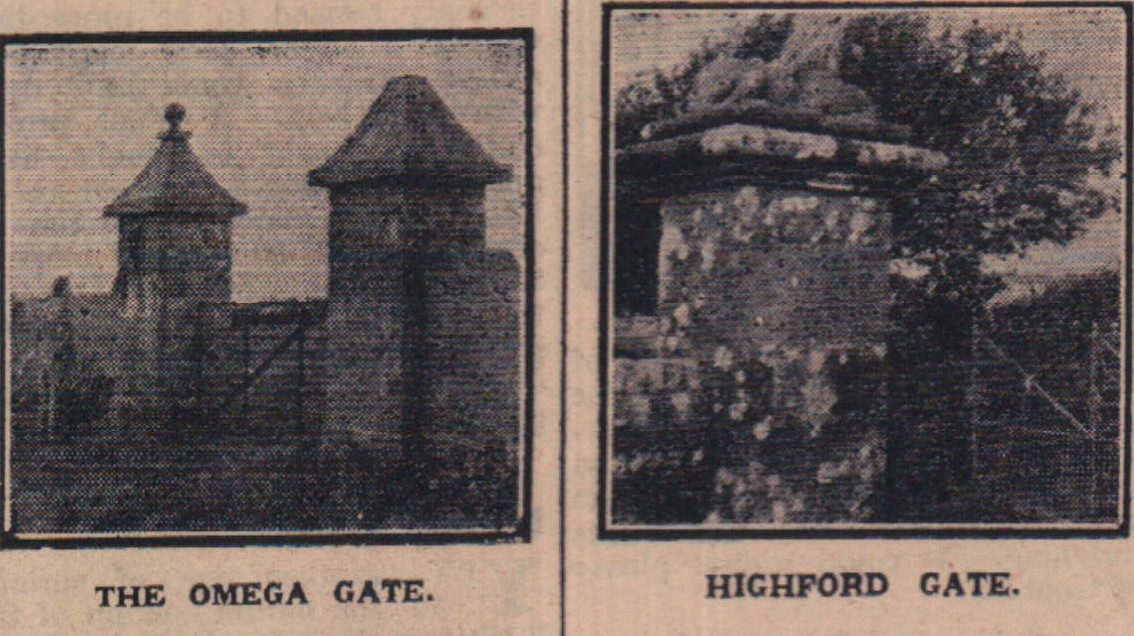
  • 284 Gateways with rhymes>
  • 285 Peter poses for TV film

  • 286 Liked holidays here - so starts business
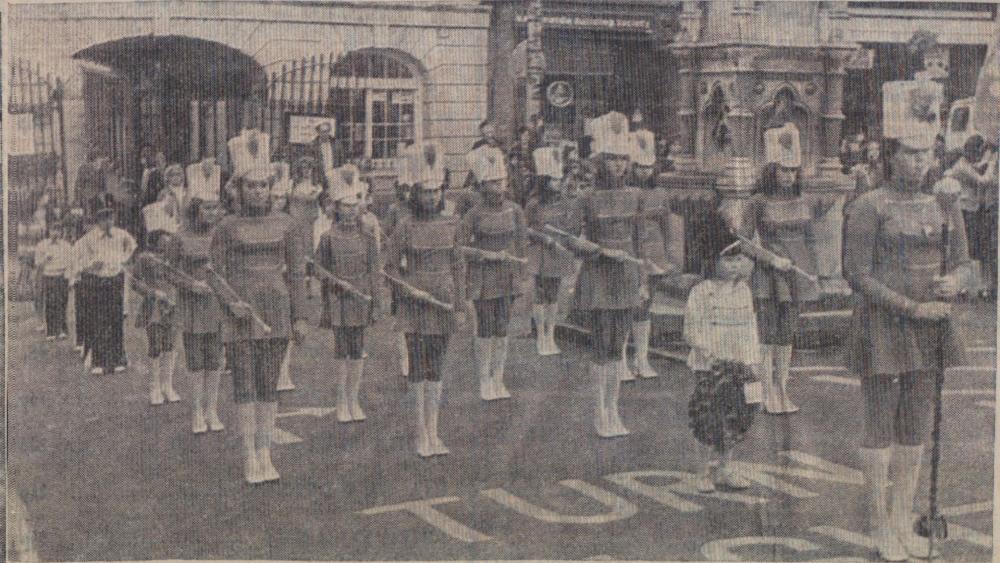
  • 287 Just over a year old

  • 288 Bideford 'What's my line?' challenger

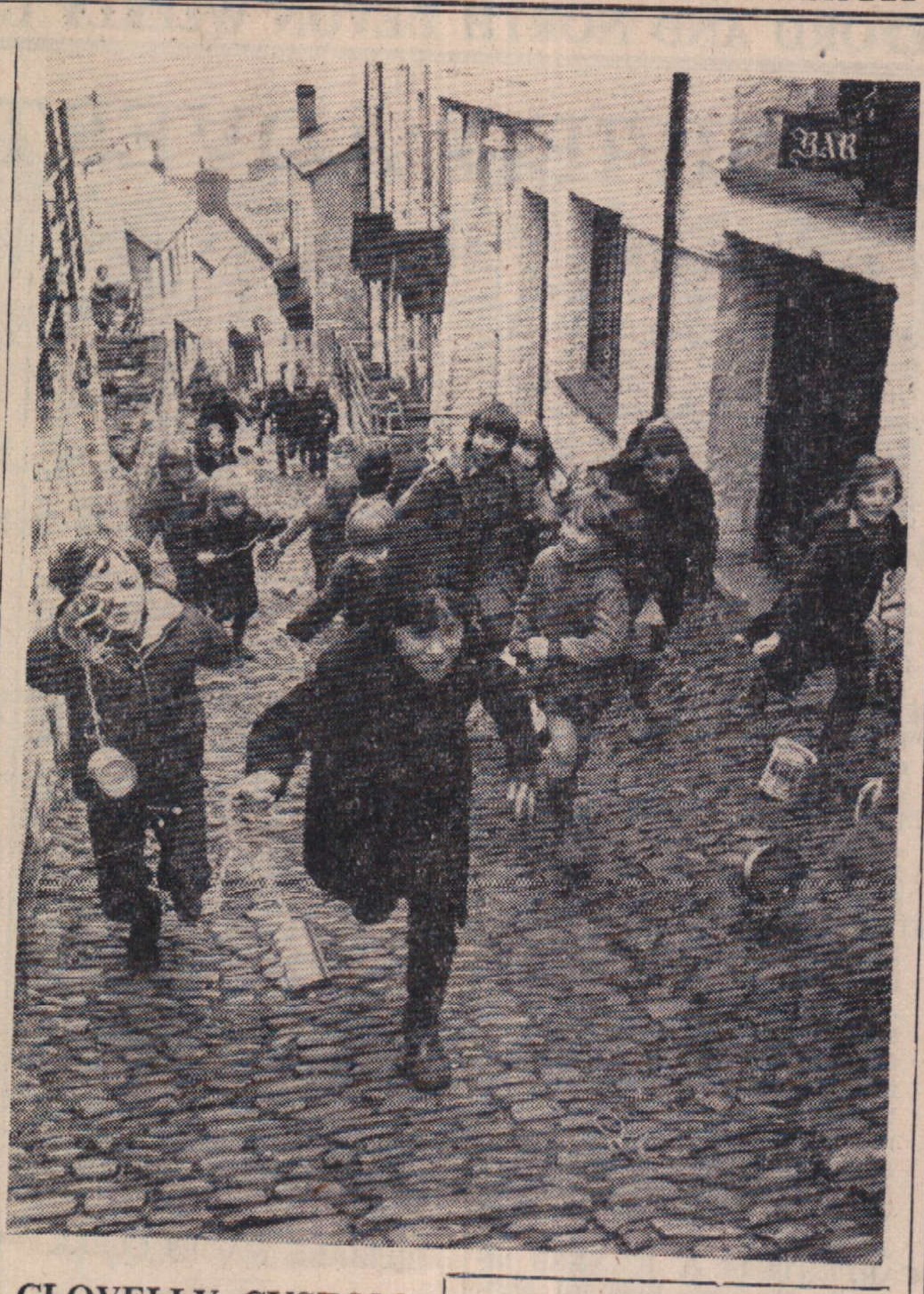
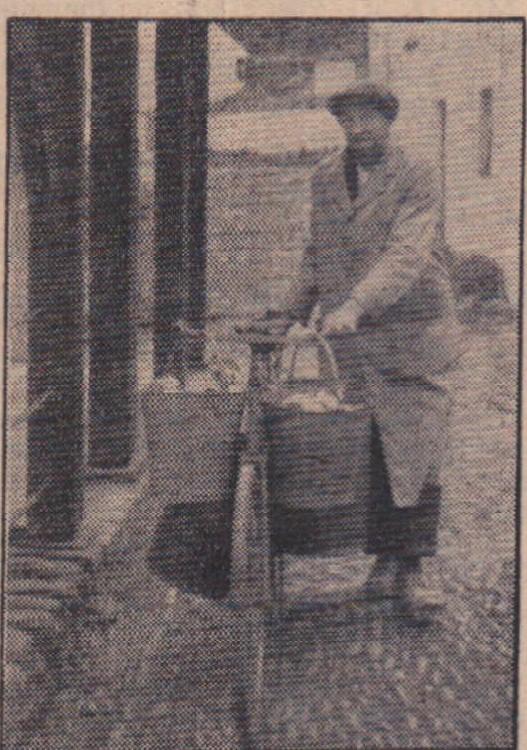
  • 289 Can-carrying over cobbles has disappeared

  • 290 Not Bideford's answer to the moon rocket!

  • 291 Floral dancing at Appledore

  • 292 Housing progress at East-the-Water>
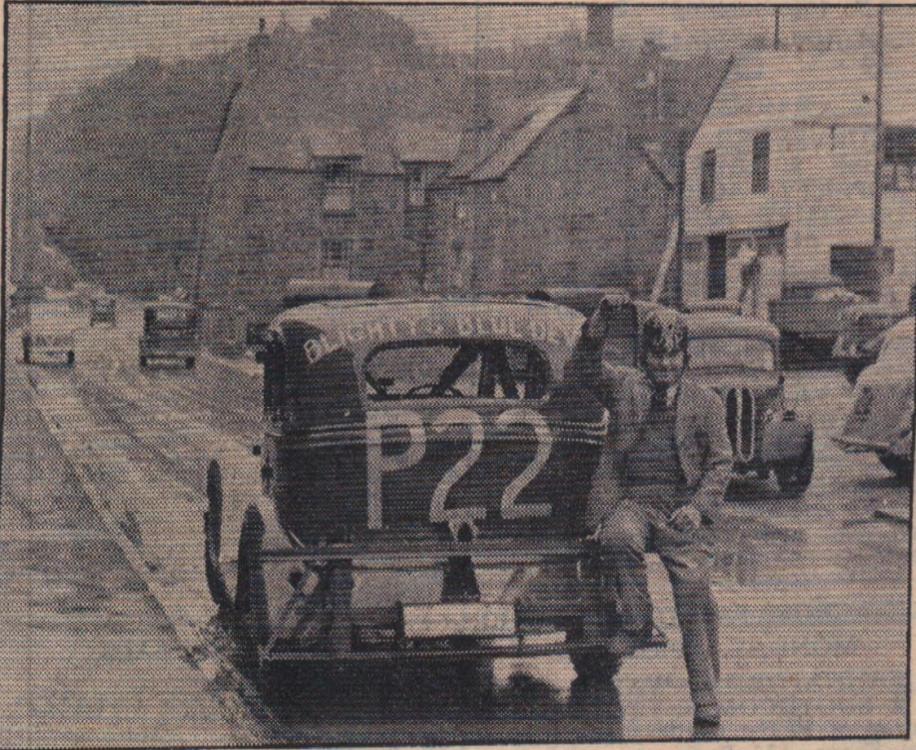
  • 293 Bideford stock car racing entry comes in second

  • 294 Lady Godiva comes to Torrington

  • 295 It really was the 'last time'

  • 296 Prizewinning babies at Torrington

  • 297 Huntshaw TV mast

  • 298 Shipbuilding hobby at Hartland

  • 299 Light reading for the lighthouse

  • 300 Broomhayes children will keep their winter pet

  • 301 Thirty bridges cross Torridge

  • 302 East-the-Water's call for new school

  • 303 Bideford skifflers, they're no squares

  • 304 Safety-first dipomas awarded to Torrington drivers

  • 305 Decontrol of meat

  • 306 On her 'maiden' trip from Bideford

  • 307

    Mums protest in Coronation Road
  • 308 Champagne send-off for Torrington new factory

  • 309 New Lundy air-mail stamps

  • 310 Record pebble-throwing day

  • 311 Bideford's private wharves busier

  • 312 Sweets derationing

  • 313 All aboard the ark

  • 314 All for the love of a lady!

  • 315 Daisy's pride and joy

  • 316 Torrington children build igloo
  • 317 Riverside mystery

  • 318 Littleham family's five generations

  • 319 Bridging the stream

  • 320 Born 1883 - still going strong

  • 321 Second Monte Carlo Rally

  • 322 Christmas tree on Bideford Quay>
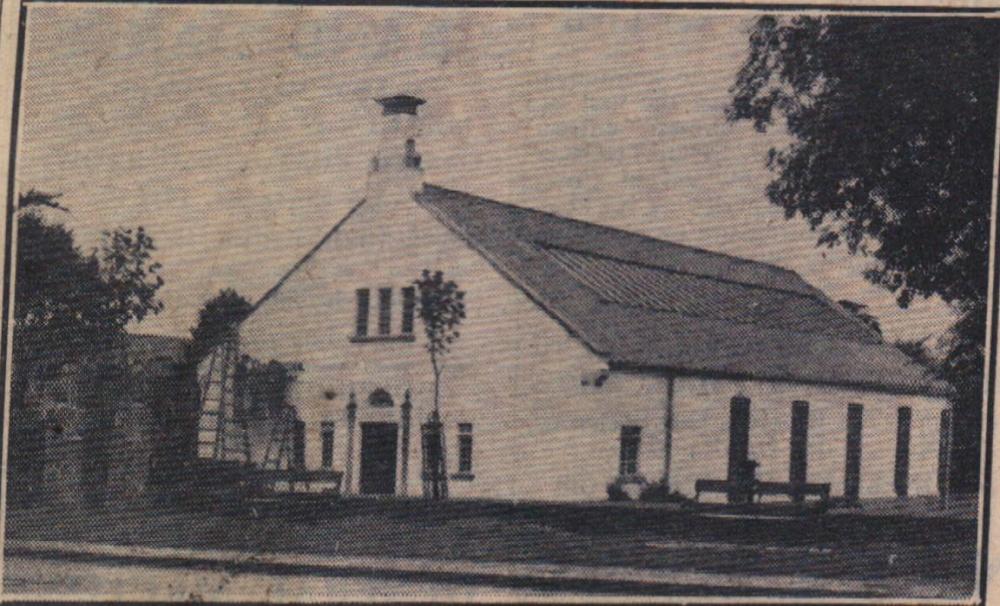
  • 323 Centenary of Landcross Methodist Chapel

  • 324 Inscribed Bibles and silver spoons for babies

  • 325 Some mushroom!

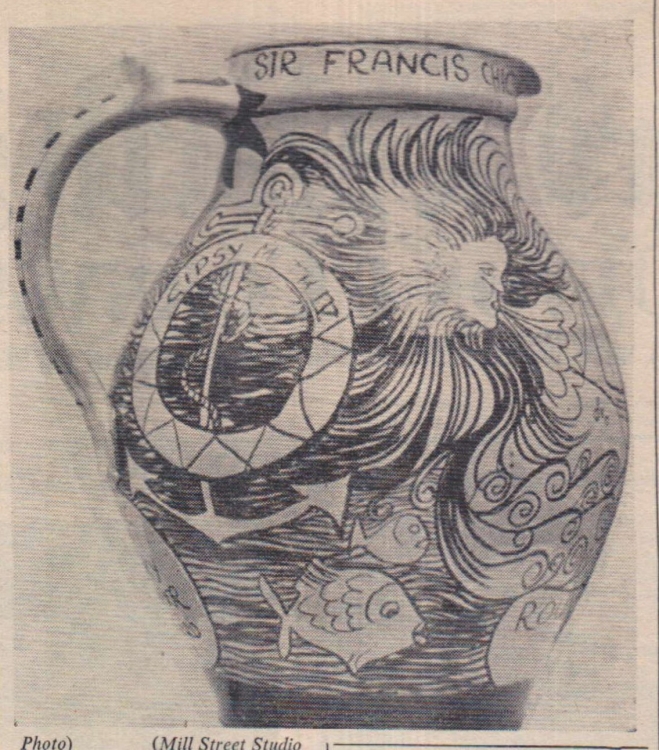
  • 326 Bideford's gift to Sir Francis

  • 327 Bideford electricity window display qualifies for area competition

  • 328 Sooty is quick on the draw

  • 329 John Andrew Bread Charity
  • 330 Burnard family reunion

  • 331 Grenville House for Bideford R.D.C.

  • 332

    Was a missionary
  • 333 Meredith's ironmongers

  • 334 Bideford inquest on French trawlermen opens

  • 335 Bideford's first triplets for 12 years

  • 336 School crossing patrol begins

  • 337 Baby Kate goes home to Lundy

  • 338 Preparations for new Clovelly Court

  • 339 Private home for public pump

  • 340 Down at the dump something stirs

  • 341 Puzzle corner at Bideford!

  • 342 Panel sprint for Bideford broadcast

  • 343 New look in the hayfields

  • 344 Saving money, wear and tear

  • 345 Escaped crane moves into Kenwith Valley

  • 346 No sale of Springfield House

  • 347 Getting up steam for tomorrow

  • 348 Littleham cow tops 70 tons mark in milk production

  • 349 Local glove-making factory advertising for staff

  • 350 The cab at the corner>
  • 351

    Youth Clubs Join Together For Entertainment
  • 352

    Inter-school Road Safety Quiz Cup Winners
  • 353 Brothers reunion 1947
  • 354 Birds' convalescent home at Instow

  • 355 A lost Bideford 'island'

  • 356 Little 'Big Ben'

  • 357

    Married in 1908
  • 358 Teenager Peter Jackson Makes Horror Film
  • 359 Service with a smile

  • 360 Larkworthy Family play in Shebbear's Football Team
  • 361 Appledore tugs fete London Tower

  • 362 Bideford blacksmith wins English championship

  • 363 Charter granted by Philip and Mary

  • 364 'Les Girls' of Hartland

  • 365 Off on a great adventure

  • 366 Police station view of Bideford

  • 367 Olympic riders to compete at Bideford Horse Show

  • 368

    Double Baptism on Torridge
  • 369 Torrington Church's new organ

  • 370 Bideford triplets' first birthday party

  • 371 Sunshine and shade at Appledore

  • 372 Beach search for mines takes longer

  • 373 Reed threshing 'putting the clock back' at Weare Giffard

  • 374 Bideford firm develops new non-spill paint

  • 375 Centenary of Gazette

  • 376 A bird of their own!

  • 377

    Lenwood Squash Club
  • 378 Bideford's new market opens next week

  • 379 Jalopy joy for children of Shamwickshire

  • 380 Boys from Bideford school complete Ten Tors

  • 381 Torrington school's sundial - fashioned by Headmaster

  • 382 Golden Bay Hotel ad.>
  • 383 Signed scroll momento of Queen Mother's visit

  • 384 Broomhayes £1,000 Surprise
  • 385 Royal prince visits Torridge-side

  • 386 Diamond Jubilee of St Peter's Church, East-the-Water

  • 387 Two kinds of hovercraft at Bideford

  • 388 Joe the ginger tabby is 21

  • 389 Bideford shipyard workers cheer new minesweeper

  • 390 Waldon Triplets
  • 391 Northam's almshouse

  • 392 The young smith of Abbotsham>
  • 393 Sailing to victory at Appledore

  • 394 Malibou boys are all-the-year-round surfers

  • 395 Launching the 'Golden Hinde'

  • 396 Buckland goes to County Show

  • 397 New Lundy stamps

  • 398 Lady Churchill congratulates Bideford artists at nursing exhibition

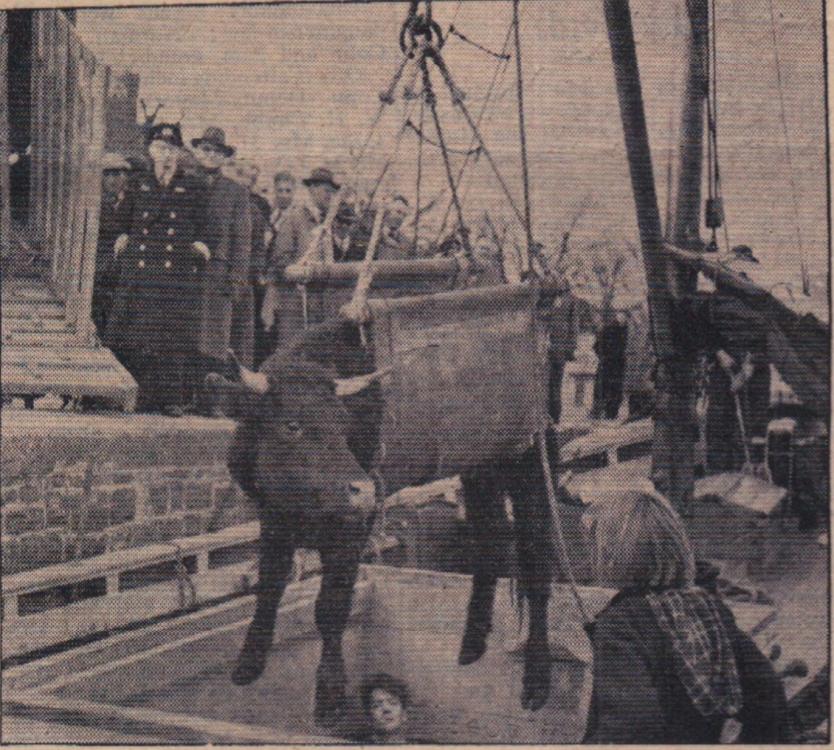
  • 399 Bravery against bull at Shebbear rewarded

  • 400 Entente cordiale in Bideford

  • 401 The Geneva marionettes

  • 402

    FA Cup Match for the Robins
  • 403 Polish custom on Pancake Day

  • 404 Clovelly's 91 year old horseman

  • 405

    Mrs Whapham finds ferret in Bridgeland Street while shopping
  • 406 Tomorrow' night's skittles broadcast from Bideford

  • 407 Four sisters' nostalgic reunion

  • 408 At Bideford Arts Ball>
  • 409 Gloves fit for a king!

  • 410 Five generations link Woolsery, Clovelly and Bideford

  • 411 Boys win hockey on the sands challenge

  • 412 Thunderstorm destruction of 25 years ago

  • 413 Water Board mains spread through villages

  • 414 Picking the pops

  • 415 Fleet of foot and fair of face

  • 416 Designed and made in Bideford

  • 417 X-ray shoe fitting

  • 418 For crying out loud!

  • 419

    Relatives all over the world
  • 420 Lots drawn to prevent dog fight

  • 421

    Jinxed School Trip
  • 422 Instow local art show was 'tremendous success'

3.5.1957 Robins win Hansen Cup

Robins Win The Hansen Cup

May 3rd, 1957

Bideford AFC pictured with the Hansen Cup after they had defeated Bude 2-1 in the final

Read More

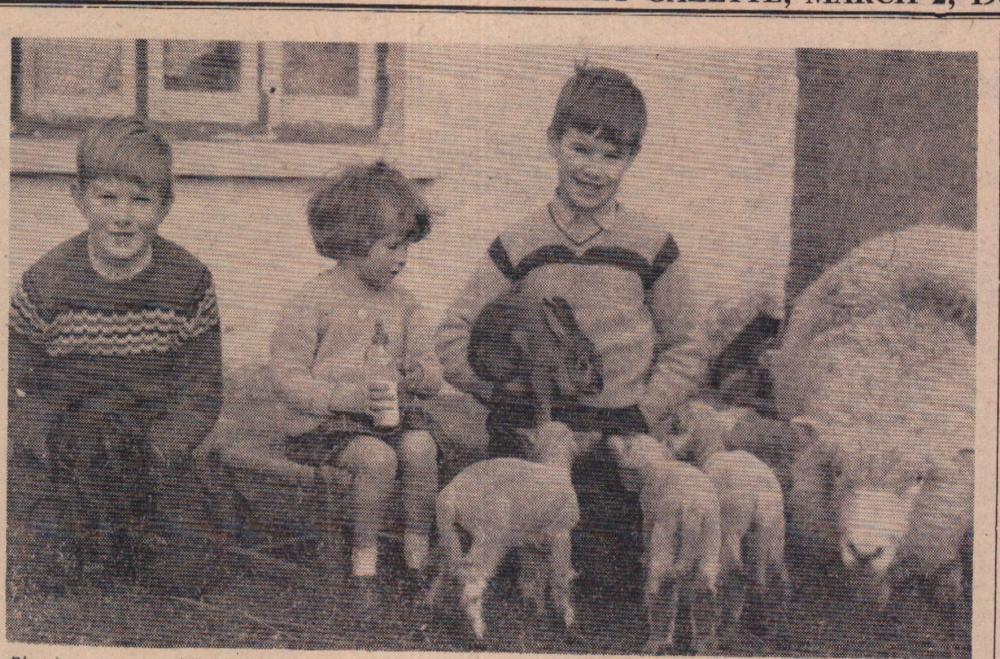
and suddenly it's spring

Cadds Down Farm

1 March 1974

Joined by Trixie, the pony

READ MORE
  • Seafield House - the "Spooky House" of Westward Ho!

    The house on the cliff edge known locally as ‘Spooky House’ or even ‘Haunted House’ , was built about 1885.

    The road was especially built to enable access to the house and was initially known as Seafield Road; later it became Merley Road.

    Read More
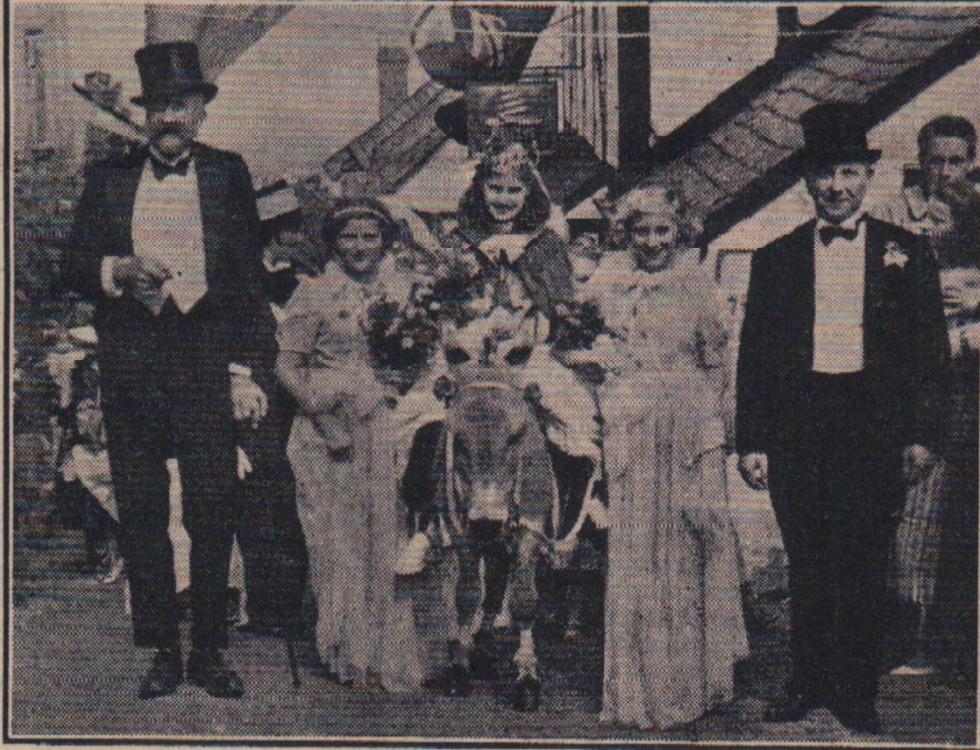
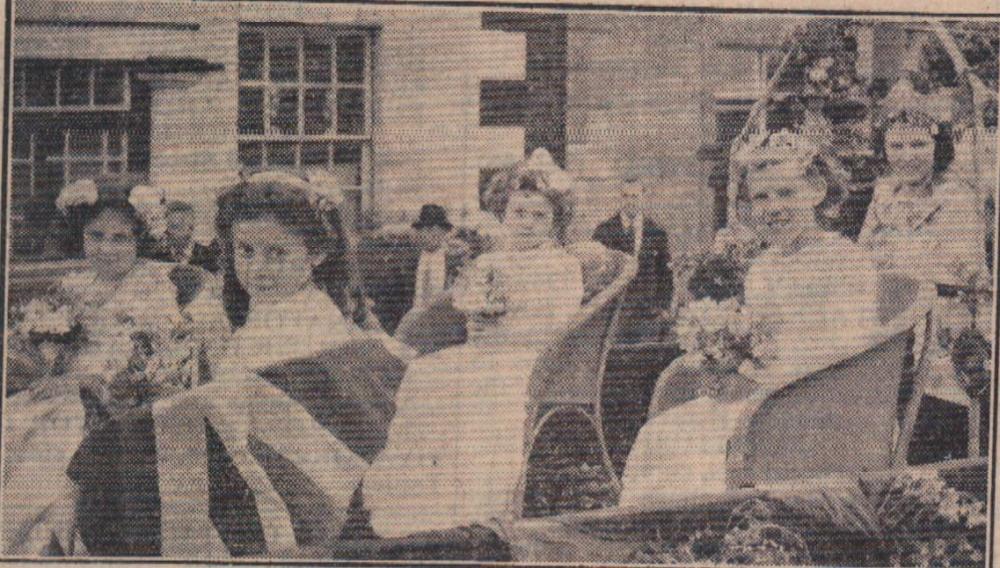
  • Torrington May Fair Queen and Her Attendants

    Names from left to right:Joan Ricketts; Joan Newcombe; Jean Wernhem; Margaret Sweet; Enid Ovenden; Rona Elsworthy; Doris Short; (back row);
    Eileen Short; Miss Margery Bennett (Queen); Joyce Downman; David Fiddian (Page); Peggie Sussex;

    Read More
  • Christmas Eve at the Front

    An interesting letter has just been received by Mrs Packer, of Broadclyst, from her husband, Corpl Packer of A Company, 1st Battalion Devonshire Regiment, who is serving with the Expeditionary Force in Northern France. In the course of a letter he describes a remarkable incident which occurred on Christmas Eve between the British and German trenches.

    Read More
  • 1
  • 2
  • 3
1911 Coronation Medal

Coronation Medal Presented on June 22nd 1911   Learn More

The Hoops Inn

The Hoops Inn close to Peppercombe Beach

The Quay at Appledore

Appledore Quay where Taw and Torridge Rivers meet 

 
Wynne Olley

Crowning Glory

12 October 1962

Their finest achievement to date...

Read More


Shipyard goes into liquidation 1963

Liquidator appointed

4 January 1963

Difficulty in retaining labour...

Read More

The Battle of the Somme

The Battle of the Somme – 1 July–18 November 1916

At the outbreak of the First World War, the Devonshire Regiment had 6 battalions - 2 regular; 1 Special Reserve, and 3 Territorials. Combining with 2 Devon Yeomanry regiments, they eventually formed 24 battalions, and 1 single company. Ten battalions of the Devon Regiment fought on a number of fronts – North Russia, Italy, Egypt, Macedonia, Palestine, Salonika, Mesopotamia, Belgium and France. Records detail that more than 6,000 Regular and Territorial men were killed and approximately 18,000 injured. The Devonshire Regiment won sixty new battle honours, 2 Victoria Crosses and over 1,250 other gallantry awards and mentions in Despatches.

The Battle of the Somme (the Somme Offensive) was fought by the British Empire and French Third Republic armies against the German Empire, and took place between 1 July-18 November 1916 – 141 days. As implied in the name, the battle took place on both sides of the River Somme in France. At the end of the first day, there were over 58,000 British casualties including 19,000 killed – the worst day in the history of the British Army. Nine Victoria Crosses were awarded for action that day. Overall, more than 3 million men fought in the battle and 1 million were killed or wounded, and it is one of the deadliest battles in history. At the end, Allied forces had breached 6 miles (10 kilometres) into German occupied territory.

A few years ago, research in German archives identified that the date and location of the British offensive may have been revealed by 2 politically disgruntled soldiers several weeks in advance, which enabled the German military to plan and undertake significant defensive work.

How was this Battle, other war related issues and general life being reported in North Devon?

4 July

A report dated 3 July states that the ‘great offensive on the Western front, which began on Saturday morning is developing satisfactorily, and the Allies have made substantial progress. The attack covers a front of about 20 miles, and extends from the Somme to within about 10 miles of Arras. Over 9,500 prisoners were captured, with the French taking several villages and the British taking, amongst others, Serre, La Boisell and Montanban. Comparatively the Allies’ losses were small, while Sir D Haig states that later information shows that his first estimates of the German losses were too low. A French estimate of the Allied advance puts it as “1¼ miles in depth on a length of 25 miles”.

It was reported that Private Leonard Braund, of Bucks Mills, with the 1st Div Canadians in France, has been promoted to Lance Corporal. Mrs Braunton, of 25 Coldharbour, Bideford, received 2 telegrams from the War Office, also a letter from the Hospital, stating that her son, Private T A Braunton of the Devons, is dangerously ill. He is in the Hospital at Rouen, France.

Second-Lieutenant Arundel Geoffrey Clarke, 5th Battalion, Rifle Brigade, was killed in action 1 July 1916 and is buried at AIF Burial Ground, Flers, Departement de la Somme, Picardie, France.

11 July

In the Battle of the Somme the British are being opposed but, in the words of General Sir Douglas Haig, have been able to make ‘further progress at certain important points.” From the Ancre to the Somme the battle raged at close quarters yesterday and during the preceding night. German counterattacks were checked with heavy enemy losses. The Kaiser’s General Staff has lifted the curtain a little and gives the German people a glimpse of the Allies’ successes in the Somme battle. Yesterday it admitted slight progress by the British near Thiepval. 

The following messages have been passed between the King and General Sir Douglas Haig:

‘Please convey to the Army under your command my sincere congratulations on the results achieved in the recent fighting.
I am proud of my troops. None could have fought more bravely.
George R.I.’

Sir Douglas Haig to the King: ‘Your Majesty’s most gracious message has been conveyed to the Army, on whose behalf I return most respectful and grateful thanks. All ranks will do their utmost to continue to deserve your Majesty’s confidence and praise.’

11.7.916 Kings message

The casualty lists issued contains the name of J May of the Devon Regiment, who died while on active service. He belonged to Appledore. Devonshire Regiment casualties reported by the War Office include among the wounded, Lance-Sargeant P Bright of Torrington.

Thirty five cases were dealt with at Wednesday’s sitting at Barnstaple of the Northern Panel of the Devon Appeals Tribunal, Mr Stucley presiding. Many of the applications were for extensions of time, previous temporary exemptions having been granted. Lieutenant Stirling, the military representative, in the course of the proceedings, pressed strongly the military claims in the case of the younger men, and pointed out that it was very few of these cases which were coming before them now. Nearly all the young men who had come before the tribunals seemed to have obtained exemptions, and now they were getting before them older and often married men passed only for home or garrison duty. This was very unsatisfactory for the military. Dealing with the cases of several sons on farms, Lieutenant Stirling said it was remarkable how some Devonshire farmers had all their sons serving, whilst others succeeded in dotting them about and keeping them all at home. “Devonshire is too muddy for ladies” was the opinion of William Cann, Chulmleigh.

11.7.1916 muddy for ladies

Military Service Tribunals were created by borough, urban district and rural district councils to hear requests for exemption from conscription into the Army. Initially they came about as part of the Derby Scheme in 1915 but continued because of the Military Service Act 1916, under which conscription was introduced. There were County Appeal Tribunals formed by county councils where applicants not happy with the decision by their local tribunal could appeal. The final court of appeal was the Central Tribunal in Westminster, London. Men could appeal against conscription on grounds of undertaking work of national importance, medical unfitness, domestic/business hardship, or conscientious objection (of which there were about 2%). By the end of June 1916, almost 750,000 men applied whereas up to the same date, 770,000 had joined the Army.

Gamekeepers of military age are not entitled to exemption from military service.

11.7.1916 gamekeepers

The Rev R Dobbie commenced his ministry at Appledore Congregational Church. Miss Gwendoline A Turner, daughter of Mr and Mrs W H Turner, of Bideford, and Arthur C Hagan, were married on Monday, June 12th at the home of the bride’s uncle in the US.

11.7.1916 wedding

18 July

In the hope of counteracting the Franco-British successes on the Somme, the Germans are flinging every available man and gun into yet another effort to capture Verdun. East of the Meuse a portion of the ground lost by the French was recovered during the night, but yesterday the attack was resumed by the enemy. Debouching from Fleury and the Vaux-Chapitre Wood with six regiments he attacked with great violence the front north of Fort Souville, which is 2½ miles from Verdun. His losses were heavy, but he managed to gain a little ground in the vicinity of the cross roads north of the fort.

The weekend brough a series of further successes for British arms. Our northward push is making steady progress all along the line from Ovillers to the region of Guillemont, and in places we have penetrated the third German line, thereby having advanced more than four miles from the line held on the morning of July 1st.

18.7.1916 War news

Mrs Mary Prouse, of Hartland, has heard that her son, Pte James, 2nd Devons, was admitted to hospital in Rouen, with a gunshot wound in finger. Corporal G T Brayler, RFA, has been promoted to Sergeant. 

The death of Lieutenant J T Bowden, a native of Bideford, was announced. The following deaths from disease have been officially notified to relatives: Privates W H Buckingham, W A David, R Horrell, F Dowdle and A Hearn. Relatives at Northam, have been officially informed of the deaths in action of Private F Cooksley. Private W Rice (both of the Devons), Private W Cawsey and Private H Hearn. The following names appear in the casualty lists as previously reported wounded, now reported as wounded and missing: E Arthurs; Lance-Corporal E Brayley; F Cloke; Sergeant T H Lawrence; and W W Shaddick. 

18.7.1916 deaths announced

Private Frederick Cooksley – died 1.7.1916, 1st Bn Somerset Light Infantry (16648) (formerly Devonshire Regt). Commemorated at Thiepval, Departement de la Somme, Picardie, France. Son of George Henry and Mary Jane Cooksley.

Private Arthur Hearn – died 11 July 1916, Welsh 15th, (20418) is commemorated at Thiepval, Departement de la Somme, Picardie, France. Son of Thomas and Mary Hearn.

The Prime Minister was questioned about the proposal to further postpone munition workers’ holidays. The Government decided it was essential in the national interest that there should be no holidays, general or local, until such subsequent date as might be announced. August Bank Holiday would be suspended by Proclamation. No better service could be rendered by the workers than by continuing the present adequate supplies of munitions to show the enemy that the present intensity of bombardment and assault would, if necessary, be continued indefinitely.

18.7.1916 Bank Holiday suspended

18.7.1916 War Saving Week

An important estate sale was held at Holsworthy, when freehold properties situate in the parishes of Shebbear, Halwill, Bradford, and Holsworthy hamlets were offered by Messrs Kivell and Harris. The estate was sold by the order of the Court of Chancery, and the vendors were the representatives of the late Rev W R K Baulkwill, who for some years was the Governor of Shebbear Bible Christian College. A small holding and grist mill, known as Dipper Mill, was secured by the tenants, Messrs Rudland Bros., merchants. Allacott, a farm, was purchased by the tenant, Mr Thomas Griffen, and Dipper Mill Farm went to Mr Quance of Roborough.

There was a large congregation of friends at Abbotsham parish church on the occasion of the marriage of Miss Gertrude Frances Cordelia Boyd and Lieut Anthony Lionel Yeo Dering. There were over 220 presents and they left by motor to spend the honeymoon in Porlock. 

25 July

Despite unfavourable weather the British troops on the left of the front of attack north of the Somme were able during Monday night to make a substantial advance on a front of about 1,000 yards north of Ovillers, thus increasing the threat to Pozieres. Strongly defended positions were stormed. Yesterday evening the enemy opened an attack on the other extremity of our battle front – near Longueval and Delville Wood. The effort was prefaced by a bombardment with gas and lachrymatory shells. A later report – Great energy and strong forces were flung into the German counter-attack that was begun on Tuesday evening against the right wing of the British battle front north of the Somme. Some ground was gained by the enemy, but yesterday we recovered most of it. 

The death of Lieutenant R C Boyd, killed in action on July 14th, was announced, as were those of Privates Harold John Bright and Robert Dark. Much sympathy is felt for Mr and Mrs David Griffiths, of Fair View, Irsha Street, Appledore, who received news that their son, Lance-Corporal David Henry, is in hospital at Eastbourne. They also received news that another son, Private Frank George Griffiths, had been killed in action in the same battle in France on July 1st. Mrs Mary Prouse, Hartland, received intimation that her son, Charles, was killed in action on July 1st, in France.

Bright Dark 25.7.16 

Bright 25.7.16

25.7.1916 Frank Griffiths

25.7.1916 Charles Prouse

1.8.1916 Charles Prouse

25.7.1916 Boyd

After getting through the heavy fighting at La Boisselle with only a knee wound, Serjeant Major W H Collins was wounded on 12th July and is in a war hospital at Woolwich suffering from fractured ribs through being buried by shell, and from being gassed. Whilst at ‘Commons’ Hospital, Westward Ho! before going to the front for the third time, Serjeant Major Collins was a valued and popular instructor to the Bideford and District Company of the VTC. 

Lieutenant R C Boyd died on 14 July 1916 and was in the 8th Battalion, Devonshire Regiment, and is buried in St Helen’s Churchyard, Abbotsham. His death is commemorated at Mametz, Departement de la Somme.

Private R H Dark (16036) was in the 9th Battalion, Devonshire Regiment, and died on 1 July 1916. He is commemorated in the Devonshire Cemetery, Mametz, Departement de la Somme.

Private Frank George Griffiths (20657) died 1 July 1916, 9th Battalion, Devonshire Regiment. He is commemorated in the Devonshire Cemetery, Mametz, Departement de la Somme.

Charles Prouse (15075) died 1 July 1916, Devonshire Regiment, and his death is commemorated on The Thiepval Memorial in France. 

In the Commons, Mr King asked the Government why the war expenditure of this country, from causes beyond the control and foresight of the Government had risen from £5,000,000 to £6,000,000 a day. 

Conscientious objectors – Mr Forster, in Parliamentary papers, says that the case of every conscientious objector who has been sentenced to imprisonment will be submitted to the Central Appeal Tribunal. Those undergoing detention fall into two categories – those who are obeying military commands, and those who refuse. The latter are being brought to trial by court martial and they will, if convicted, be transferred to civil custody, and their case will be dealt with by the Central Appeal Tribunal. Conscientious objectors, who whilst undergoing detention obey orders, will not be placed in a worse position than those are disobeying orders, and their cases also will go to the tribunal.

At the Devon Appeal Tribunal at Exeter, a Holsworthy dealer, John Henry Green, who traps over 15,000 rabbits a year caused some humour.  25.7.1916 humour rabbit catcher

1 August

Although the Germans have brought strong reinforcements of infantry and guns to the Somme front and have made repeated attempts to hurl the British back from the positions they had won, failure has been their only reward. On Monday afternoon they essayed an attack on the British right flank, and in the evening launched two assaults on the centre. In each case an intense fire prevented them from reaching British lines and there is no doubt they suffered very severe losses. In Pozieres British persistence has triumphed over German pertinacity. Yesterday morning Gen Dir Douglas Haig reported that we had at length driven the enemy completely from the village. A strong vantage point for future operations is therefore in our hands, and the good news will nowhere cause more elation from in Australia, whose gallant sons have contributed largely to the event.

Delville Wood is British again. It last fell into our hands on July 15th, but the enemy recovered a portion of it. Daily, however, we have been driving back the Brandenburgers who shared with us the tenancy of the wood, and our determination to prevail over these troops of ‘Douaumont fame’ was fulfilled during Thursday night.

Reports from the French front on the Somme describe a new form of German method of using the civil population as a screen against the enemy attacks.

A letter from H Hearse, Lieutenant, Adjutant – Batt. Devonshire Regiment, addressed to a battalion at home, states “As a large number of the men who took part in the operation of the 1st July were supplied by your battalion, I am writing you a short account of what took place, so that you may know that your labours have not been in vain…..”

1.8.1916 letter from Adjutant

A supplement of the London Gazette identifies those Devons who have been awarded honours – Captain Humphrey Dene, Captain Harold Francis Lewis Hugo, Temporary Second-Lieutenant Samuel Hugh Duff, Second-Lieutenant William John Peters, Company Sergeant Major Walter J Holwill, Battery Sergeant-Major Clack, Company Sergeant-Major C R Coventry, Battery Sergeant-Major G Franks, Battery Sergeant-Major H Hobbs, Sergeant-Major J B King, Battery Sergeant-Major G H Osborne, Battery Sergeant-Major S R Scott, Battery Sergeant-Major E Sidgreaves, Acting Battery Sergeant-Major J Spackman, Sergeant-Major A J Tyrell, Battery Sergeant-Major J E Volsey, Lance-Corporal R W Beal, Lance-Corporall T R T Mardon, A C/M/S Melhuish, Sergeant R J Melhuish. It was reported that Sergeant-Major Fred W Miller has been awarded the Military Cross; his wife resides at 2 Richmond Terrace, Appledore.

1.8.1916 honours

At the North Devon Appeal Tribunal in Barnstaple, Robert Moor, a butcher of Torrington, appealed for further time for Ernest Albert Cutis, who case had been adjourned for him to get an older man failing cooperation among the butchers, which the local tribunal suggested should be arranged. Lieut Stirling pointed out that the Torrington Tribunal had since granted another local and older butcher, Reddaway, six months, and that he promised to help the others – Moor said he had applied to Reddaway, who had a one man business and could only help him an hour before breakfast, which was not sufficient. Exemption granted to 1st September (final), the Chairman remarking that the tribunal considered Reddaway had been let off for the express purpose of helping the others.

Mrs (Julia) Paddon received a letter from his Captain informing her that her husband, Sergeant (William) Harold Paddon, Gloucester Regiment, has been killed in action. Mr and Mrs W H Marsh, of Haddon, Bideford, heard unofficially that their second son, Corporal H W Marsh of the Gloucesters, was killed last week in France near the Somme. Mr John Oke, of Upcott, Welcombe, has received information that his younger son, Walter John, Devons, was killed in action on July 1st. Brigadier-General W M Southey, of Broomhayes, Northam, has been told that his eldest son, Lieutenant R G M Southey, has been reported missing since July 24th. The funeral of Private George Cook, Devon Regiment, took place at Clovelly amid many manifestations of grief and sympathy.

1.8.1916 Paddon

8.8.1916 Paddon

Marsh H W 1.8.1916

1.8.1916 Walter John Oke

1.8.1916 Southey

15.8.1916 George Cook

1.8.1916 George Cook funeral

Sergeant (William) Harold Paddon (21530), 14th (Service) Bn, Gloucestershire Regiment, died 19 July 1916 and his death is commemorated on The Thiepval Memorial.

Corporal Horace William Marsh (3194), 1st 6th Bn Gloucestershire Regt, died 21 July 1916 and he is commemorated at Pozieres, Departement de la Somme.

Private William John Oke, (14646), Devonshire Regiment, died 1 July 1916 and is commemorated on The Thiepval Memorial.

Lieutenant R G M Southey died 23 July 1916 and his death is commemorated on The Thiepval Memorial.

Private George Cook (20815), Devonshire Regiment, died of wounds on 13 July 1916 in hospital in Manchester. He is buried at All Saints Churchyard, Clovelly.

8 August

On the Somme front the only change is the capture by the French of a trench south of the river, in the region between Estrees and Belloy. Later in that week, the French gained a little ground both north and south of the Somme and, in what was described as a ‘local attack’ we captured the German second defensive system north and west of Ponzieres on a front of more than a mile. We advanced 3,000 yards for s distance varying from 400 to 600 yards.

The King addressed messages to the Sovereigns and Heads of Allied States, emphasising his steadfast resolution to prosecute the war until the objects for which it is being fought have been achieved.

At the Northern Panel of the Devon Appeal Tribunal, Richard John Cann, married, employed as a porter and storeman, claimed exemption from the service, both combatant and non-combatant, on ground of conscience. Chas Slyfield, single, Sheepwash, desired complete exemption or exemption conditional on his being engaged on work of some national importance (see also 29 August 1916).

News of the death of 2nd Lieutenant C E Lincey was announced. Mr and Mrs Richard Bartlett received intimation of the death of their son Harry, killed in action on July 10th or 12th. Deceased, who was well known in Bideford, leaves a widow and two children.

Sergeant Henry Bartlett (16568) was in the 10th Bn Welsh Regiment and his death is recorded as 12 July 1916. His name is recorded on The Thiepval Memorial.

8.8.1916 Harry Bartlett

At the meeting of the Devon Agricultural War Committee, it was stated that 291 women had offered the Women’s War Committee their services. There appeared to have been very little demand for their service. An important order relating to lights came into force on August 7th saying that the screening of lights is made general and householders should make a point of reading the order.

The Women’s Land Army was created in 1917 as a British civilian organisation and was a means of inspiring women to replace men who had worked in agriculture before joining the Services. The women were more commonly known as ‘Land Girls’. Find out more information using the following link: Women's Land Army (World War I)

At the intercessory service at the Parish Church, Bideford, on Friday evening commemorating the second anniversary of the outbreak of war between Great Britain and Germany, there was full congregation. The civic procession was escorted by the Band of the local Volunteers, the members of which body formed a guard of honour outside the church.

15 August

A very curious and instructive glimpse of German military conditions in the present phase of the war is given by an officer who has described, in a letter which the Times has been permitted to publish, some of the things he saw in the German lines during and after the first great British advance. For the German officers luxury has been provided even in trench-life. “The German dugouts! My word, they were things of beauty, art and safety. Thirty and forty feet deep, some with ten or a dozen rooms, electric light, hot and cold water, bath rooms”. Tapestry, handsome carpets and stores of choice liqueurs and cigars helped to make the trench installations of German officers conform to their requirements. There is no luxury for the German rank and file. 

The Guillemont region (north of the Somme) was the scene of France-British operations. The British are exerting pressure in the outskirts of the village. To the south of it – i.e. east of Trones Wood – they have pushed forward their lines about 400 yards. There are indications that another forward move by the British on the Somme is about to take place. The process of demolishing the enemy’s defences by artillery has been proceeding steadily.

Application came before Bideford Town Council for a grant towards arms and equipment for the Bideford Company of the 3rd Battalion of the Devonshire Volunteer Regiment. The VTC’s as they are still popularly regarded have become an important branch of our home defence forces and since their official incorporation under War Office recognition will very probably develop into a still more important branch of the Services.

Corporal John Dunn, the son of Mr and Mrs J Dunn, Littleham Mill, has died from wounds received in action. Mr H Page has been officially notified that his son, Private William Page, has been missing since July 1st. Second-Lieutenant Nixon, Devons, Westward Ho! is officially reported wounded. 

Dunn John 22.8.1916

Page William 15.8.1916

Private William Page (11326), Devonshire Regiment, died on 1 July 1916 and is commemorated at Serre Road Cemetery No. 2, Serre-les-Puisieux

At Braunton County Sessions, Bernard Blunt, a visitor staying at Instow, was summoned under the Aliens’ Restrictions Order for failing to furnish to the registration officer the address of Lyyli Kylmanen, an alien living in his household, at Instow. It was agreed that the omission was quite unintentional on his part, there was no intention to evade the law and therefore there was no conviction. An appeal has been made to women to take service under the Red Cross as nurses and members of Voluntary Aid Detachments in military hospitals.

It is now prohibited to sketch or photograph within five miles of the coast in the Counties of Devon, Cornwall and Somerset. 

Permission 15.8.1916

The pressure of events has again forced the question of Women’s Suffrage to the front in connection with the proposed Registration Bill. At the annual meeting of the Capital and Counties Bank, Mr William Garfit, the President, declared that the Bank was now employing 750 women who were giving every satisfaction.

Suffrage 15.8.1916

Womens Work 15.8.1916

Blackberries were picked near Fremington. At Adjavin Farm, for Mr William Dennis, Mr Walter J Slee made a remarkably high price per acre for a field of oats. Nearly a month of continuous brilliant weather has made corn harvesting operations possible in North Devon much earlier than was expected in the middle of July. A very pretty wedding took place at the parish church of All Saints’, the contracting parties being Mr James Jewell and Miss Lucy Jennings.

15.8.1916 Clovelly wedding

22 August

The headline is that there has been a 3 mile gain on the Somme.

The King revisited his armies in France and some of the scenes of the later desperate struggles, and in a message to the troops his Majesty states that he returns to England more than ever proud of them. They are, he says, in splendid condition, all ranks animated by cheerful confidence, and are resolutely maintaining the offensive by day and by night.

At the Northern Panel of Devon Appeals Tribunal, a farmer appealing for his 19 year old son, pleading shortage of labour, was advised that arrangements had been made to have soldiers available at Exeter. But there was grave doubt about the men coming because applications had not been put in for them. Men for the harvest were certainly available if applied for. Jas. Stevens, road contractor, appealed for Ernest Glover of Venn Cottage, Woolsery, who was granted an exemption to September 29th (final); and George S Ridley, a married photographer, artist, fancy dealer, stationer, etc. of Clovelly was referred for a medical examination.

22.8.1916 no shaming

Friday night’s London Gazette announces that on and after the first of September motor spirit shall not be used for the purpose of char-a-bancs, or other like vehicles, on any excursion, or trip of any sort, except trips connected with ambulance work or hospital work, trips in connection with military or munition service, or the conveyance of munition workers to and from their work.

Mr Schouldie, of Castle Hill House, Torrington, entertained about 100 wounded soldiers of the Commons Convalescent Hospital, Westward Ho! The party was driven to Torrington in conveyances supplied by Messrs R Dymond & Son.

22.8.1916 Mr Scholdie

Much sympathy is felt for Mr and Mrs John Jenkins and family, in the loss of their son, Private Mark Jenkins, who has been officially reported killed on July 7th. R J Heaman, previously reported as missing, is now reported as killed. A letter from Lieutenant C Thrupp (Queen’s) to Mr Edwin and Mrs Foden, of Buttgardens, Bideford, conveyed the sad intelligence that their only son, Private, Edwin C Foden, has been killed in France. Private J Jewell, of the Devons, youngest son of Mrs Jewell, 24 Meddon Street, is in the county hospital, Colchester, suffering from wounds received in France on 1st July. He is progressing favourably. Corporal C Babb, of the Australian Expeditionary Force, son of Mr F Babb, of Hillside Terrace, Bideford, has been wounded in France and is now in hospital in Dublin. He was previously wounded in the Gallipoli campaign. Gunner H S Jewell, of Cow Park Terrace, Northam, has been awarded the Military Medal for services on the Somme on July 1st.

Jenkins Mark 22.8.1916

22.8.1916 Foden

Private Mark Jenkins (2873) 7th RI Fusiliers, died on 7 July 1916 and his death is commemorated at Thiepval, Department de la Somme, Picardie, France.

Private Edward Cecil Foden (PS/2695), Royal Fusiliers, died 9 August 1916, and is buried at Caterpillar Valley Cemetery, Longueval.

Private George Essery, (202479), died 14 August 1916, Oxfordshire and Buckinghamshire Light Infantry, and is commemorated on The Thiepval Memorial

29 August

South of Thiepval troops captured an enemy trench 400 yards in length, and advanced 200 yards. There is a steady flow of German surrenders. On Wednesday night the Germans made a violent attack on the British trenches, so determined that they reached the parapet in some places. There were beaten back and heavily punished. The French scored a notable triumph over the enemy by turning him out of Maurepas, and advancing a considerable distance beyond. They captured 200 prisoners and ten machine guns, and advanced about a mile and a half.

Villagers return to the Somme

Charge Through A Hail Of Shot And Shell – of the part played by the men of a certain battalion of the Devon Regt is some hard fighting during the ‘Great Push’ a thrilling account is given by wounded officers and men of the regiment who have returned home.

29.8.1916 dashing Devons

The Secretary of the War Office makes the following announcement:- Since his Majesty’s Government decided to invite offers of service of persons desiring to be formed into Volunteer Corps under the Volunteers Act of 1863, the services of 247 infantry battalions have been accepted by the King. Every county in England, as well as many of those of Scotland and Wales, is represented in the list, and further offers are still being received.

The funeral of the first Bidefordian who has died from wounds received in action to be buried at home took place. The deceased was Private Reginald Bettis, second son of Mr and Mrs Bettis, of Barnstaple Street. Mrs Richards, of Tower Street, Bideford, received official notice through the War Office that her husband, Sergeant W E Richards, was killed in action on 1st July. He leaves a widow and two children, and has five brothers serving in the forces.

29.8.1916 Bettis

29.8.1916 W E Richards

Official intimation has been received that Driver W Tithecott, RFA, of Bideford, succumbed to injuries received on July 1st. The youngest son of the Rev Herbert and Mrs Marianne Trotman, of Bideford, Corporal Leslie Trotman, is unofficially reported killed in action on 21 August. News was received that Regimental Sergeant-Major Fred W Miller, of the Liverpool Regiment, had been killed by shrapnel. On 1 August 1916 it was reported that he had been awarded the Military Cross.

29.8.1916 Miller

29.8.1916 deaths

Private Reginald Bettis (18787), 9th Battalion, Devonshire Regiment, died 19 August 1916 at York Military Hospital from wounds received at the Battle of the Somme.

Sergeant William Ernest Richards (11190), Devonshire Regiment, died 1 July 1916, and his death is commemorated on The Thiepval Memorial. 

Driver William Henry Tithecott (11579), RFA B/84th Brigade, died July 1916. He is buried at Dive Copse British Cemetary, Sailly-le-Sec, Department de la Somme.

Lance-Corporal Leslie Barrett Trotman (2651), 4th (Territorial) Battalion, The Gloucestershire Regt, was killed in action during the storming of the Leipzig Redoubt on 21 August 1916. His death is commemorated at The Thiepval Memorial.

Regimental Sergeant-Major Frederick Miller (5641) MC. 1st/9th Battalion, The King’s Liverpool Regt, died 12 August 1916. His death is commemorated at The Thiepval Memorial.

At Barnstaple Tribunal, Alfred T Long, master decorator, house and insurance agent, and organist and choirmaster at Clovelly Church asked for absolute exemption on the grounds of serious hardship. He had asked for labour at home. The exemption was granted. In the House of Commons, the Secretary of War was asked if was aware of the treatment of Mr Charles Slifield, of Sheepwash, North Devon, by the Army Medical Board (also see 8 August).

29.8.1916 Slifield Slyfield

The Home Secretary informed Sir Robert Pearce in the House of Commons that three hours following the midnight (summertime) of the night of September 30th-October 1st were included in the summertime period. The change did not take place until 2am summertime or 3am Greenwich time October 1st. At that hour the clocks would be put back one hour so that the period 2-3am summertime would be followed by a period 2-3am Greenwich time.

An interesting ceremony took place at Bideford when the Mayor and Lady Rosamond Christie presented War Workers Badges to upwards of fifty of the regular workers under the officially recognised War Office Scheme for organising the voluntary making of comforts for our troops. The recipients were Mesdames Paton, Buckley, A E Jenkins, H N G Stucley, R M Harrison, Miss E Farrington, Mesdames M J Short, I Jewell, A Tristain, Bate, E Jenn, E Wills, Madame Coune, Mddle L Coune, Mr A Clements, Mrs S Clements, Mesdames K C Love….M T Vincent, B F Pound, H F Nelson, E J Sutherland, Mead, A A Kelly, Mis W C Tatem, Mrs A Matthews, Miss A T ……. Mrs Harvey, Cruise, Mrs N Beara, Mrs Lamerton, Mrs M A Squire, Cary, Mesdames Brownstone, Nicholls, Sly, Misses Cadd, Mesdames M A Lee, Pitt, Roberts, Miss Nellie Vincent, Mesdames K E …., B A Squire, A E Osborn, Dimond, Miss G Shepherd and Mrs J ….

There was a crowded attendance at the Town Hall assembled to do honour to the third Bidefordian who has won the distinction in the great war of having the Distinguished Conduct Medal (DCM) conferred on him by the King for bravery in the firing line. Private R G Found, of the King’s Liverpool Regiment, son of Mr and Mrs Found, of Geneva Place, Bideford, is a Bideford lad, who against the wish of his parents determined to be a soldier and joined the Devons just a few months before the outbreak of war.

Concessions to farmers – Mr G C Smyth-Richards (Secretary of the Barnstaple War Agricultural Committee) has received from Mr F Hutton, a circular letter calling attention to the following extract from Army Council Instructions: - Agricultural labourers passed fit for home service only. In future all men employed as agricultural labourers shall, provided that when called up

• they are 35 years of age or upwards:
• have been classified by a Medical Board as fit for service in Category C:
• produce a certificate from their employer that he is desirous of retaining their services;

be relegated to Army Reserve Class W for so long as it is necessary to retain them in civil employment, and all such men at present serving in the ranks may, if willing, on application by their former employer, be similarly relegated to Army Reserve Class W.

Mr C T Bell presided over a meeting of the Committee of the Bideford Volunteers Equipment Fund and advised that an account was opened at the National Provincial Bank with a balance of £40 10s 6d. It was unanimously agreed that the Fund should stand as the 3rd Volunteer Battalion Devonshire Regiment, Bideford Administrative Company Equipment Fund.

At Bideford County Sessions, Daniel Hambly, of Bideford, pleaded guilty to driving a four wheeled brake twenty six minutes after lighting up. He was cautioned and ordered to pay 3/- towards expenses. Florence Hocken, a young woman of Horn’s Cross, and Winifred Daniel, of Bideford, were summoned for riding bicycles without lights at 9.40 on August 12th. Defendants were cautioned but no convictions were recorded. Hocken was ordered to pay 3/- towards the expenses.

5 September

A French official report states, that in conjunction with the British, the French attacked the German positions north of the Somme on a front of over 3 miles. All the objectives were carried. The villages of Le Forest and Clery were captured and 2,000 prisoners, 12 guns and 50 machine guns were also taken. The British report announces the capture of part of Ginchy and the whole of Guillemont, besides progress east of Moquet Farm. Several hundred prisoners were taken.

Lance-Sergeant C Smith and Private W Scilly, of the Devons, attached to the Dorset Regimet, are reported to be among the prisoners of war in the hands of the Turks. The death of Private Alfred Woolf of the Devonshire Regiment was announced. Private B Silly, of the Devons, son of Mr and Mrs Silly, of 10 Searle Terrace, Northam, was wounded in action on July 29th.

5.9.16 Woolf

Lance-Corporal Alfred Woolf (15968), Devonshire Regiment, died 30 August 1916 and he is buried at the Corbie Communal Cemetary (Extension), Corbie, Department de la Somme.

Special war allowances to necessitous old age pensioners were announced. The war bonus for Devon police has been raised from 2s to 5s 6d a week. Eggs for wounded soldiers sent away by the Bideford Farmers Union Egg Collection now total 37,818. The amount collected on ‘Daisy Day’ in aid of the National Children’s Home was £15 7s 10½d.

5.9.16 OAPs

5.9.16 Daisy Day

Sanger’s Royal Circus is to visit Bideford, and they have previously performed before King George V, the late King Edward and his illustrious mother, Queen Victoria. The animals performing include horses, elephants and sea lions. Dorothy A Molland, 13 Rockmount Terrace, Bideford, has been successful in passing the Junior Cambridge Examinations, with distinction in spoken French. Properties for sale are in Victoria Grove, New Street, Honestone Street and Milton Place.

5.9.16 Property for sale

A pretty wedding was solemnised at the Congregational Church, Appledore, between Mr Thomas Taylor and Miss Hilda Hobbs. And at Westleigh Church, Walter Heywood married Minnie Holman, the niece of Mr and Mrs Dennis, of Bradavan, Westleigh.

5.9.16 wedding

12 September

Important and successful developments of the British offensive north of the Somme are reported in Sir Douglas Haig’s weekend communiques. Attacking on a front of 3½ miles extending from High Wood to the recently conquered Leuze Wood, we have substantially advanced our line, occupying the whole of the stubbornly defended and strongly fortified village of Ginchy. Severe defeats were inflicted on the Germans and 3½ miles of our front has been pushed forward to a depth of from 300 yards to 1¾ miles. Many prisoners have been taken in these latest successes towards which troops from Ireland, Scotland, Wales, Warwickshire, Kent, Devon, Gloucestershire, Surrey and Cornwall have splendidly contributed.

At the sitting of the Northern Panel of the Devon Appeals Tribunal, the case of George Riley of Clovelly was discussed and it was stated that he had been passed only for service at home on sedentary work. Mr T A Goaman appeared for the appellant. Edwin Fishley, carrying on the New Market Hotel, Torrington, and a dairying and farming business for himself, a brother serving, and a sister in London, appealed against the local tribunal’s refusal to grant him further time. The local tribunal considered the business could be carried on in appellant’s absence. Its decision was upheld.

A further extension of the scope of enlistment for military service is announced. On Wednesday night a start was made in the posting of notices announcing the formation under the Derby scheme of what will be known as Group B.

12.9.16 Group B

The London Gazette announced the award of 20 Victoria Crosses including one to Private Theodore William Henry Veale, of the Devon Regiment.

The death of Sergeant William Abraham Brenchley Tuke was announced. He was killed in action of July 19th. Mr Tom Darch received official notification that his son, Private William Henry Darch (9763), of the 2nd Battalion, Devonshire Regiment, died from wounds received in action on August 26th (recorded as 22nd August 1916 on military documentation). This is the second son Mr Darch has lost in the great war. Lance-Corporal Driver F Butler is lying in Leicester Base Hospital suffering from wounds received during the ‘Big Push’ on the Somme. His friends in Bideford will be glad to learn that he is progressing favourable. Mr and Mrs J Bird, of the Lamb Inn, Honestone Street, Bideford, learned that their son, Thomas, succumbed to wounds received in action. A younger brother, Private Herbert Bird was reported wounded on the same date and a third brother is serving in the East. Mr Cecil Hancock, of Well Street, Torrington, has been notified that his brother, Private J C Hancock, late of High Bickington, attached to the Devons, was killed in action on 1st July.

Bird Thomas 12.9.16

Private Thomas Bird (R/186) was in the 10th Battalion, King’s Royal Rifle Corp and his death is recorded as 4 September 1916. His name is recorded on The Thiepval Memorial.

At Bideford County Session, Clara Jane Wiley of the Bath Hotel, Westward Ho! was summoned by the police for that on the 16th August, she did ‘unlawfully throw into or lay upon a certain public place there situate, broken glass to the annoyance of passengers there, so as to cause danger to such passengers or animals there.’ She was found guilty of breaking the byelaw and fined 6/-. Mrs Wiley tendered a £5 note and said she would have the change from the Magistrates Clerk (Mr Seldon) next day.

Reverend Preb. M D Dimond-Churchward, MA, announced his resignation after 45 years as Vicar of Northam.

19.9.1916 Dimond Churchward resignation

Mrs Sanders of Park Cottage (Horwood and Newton Tracey) received a certificate granted to women workers on the land. Mrs Sanders has been milking for some time past. A pretty but quiet military wedding took place in the Buckland Brewer Parish Church between Private S H Dymond and Miss Brock, of Hemberry. 

12.9.16 wedding

19 September 

The French achieved important results north of the River Somme. Strategically the principal success is that they have reached and interrupted the great national road that runs through Arras, Rapaume and Peronne. Later that week, General Sir Douglas Haig gave the order for an attack on six miles of front north of the Somme. Brilliant results were speedily achieved. It was reported that fighting, which lasted all day, and in which the enemy showed his usual reluctance to admit defeat, we captured nearly all the high ground on the six mile front. The greater portion of the villages of Flers, Martinpuich and Courcelette fell into our hands, and we also took most of Bouleaux Wood and the redoubtable High Wood. Our airman daringly assisted in the attack, using their machine guns at close range against retreating foe. 

Mr Lloyd George returned to London, after his visit to France, in the course of which he took part in important war conferences in Paris and also visited the battlefields on the French and British front. Accompanied by the French Minister of Munitions, he went to Rheims and Verdun, and then proceeded through our Ally’s lines to the scenes of the French fighting on the Somme. A visit was also paid to several hospitals. 

Mrs Hearn, 12 Hart Street, Bideford, has received news that her husband, Private J Hearn, has been wounded and is in the County of London War Hospital. Private Burrough, youngest son of Rev Courtney Burrough, Vicar of Woolsery, has been wounded in France. Mr H Sansome, of Clovelly Road, has received intimation that his brother, Private Arthur King Sansome, has been severely wounded in France. Private Frederick Short, of the Devons, son of Mrs Mary Jane Short (Hartland), died in hospital in France, on 12th September, from wounds. His injured leg had been amputated and everything done to save his life, but without success. Official intimation has been received by Mrs Shortridge that her husband has been killed in action. He was a private in the Gloucesters, and leaves two young children. Private Reggie Clements, of Bideford, is also reported to have died of wounds received in action. Private Frank Herbert Short, of the Gloucesters, a son of Mr and Mrs Thomas Short, of Milton Place, Bideford, who joined up only two months ago, is reported killed (see 10 October). Mr J Elliott, of the Swan Inn, Bideford, received news that Sergeant Edwin Brewer, of the East Kents, was killed in action on September 4th. Sergeant Brewer will be remembered in Bideford as a very successful trainer who prepared the rowing crews of the Bideford Amateur Athletic Club in 1912. Mr T Darch, of Lovacott, has lost his second son, Private William Henry Darch, in the great war. 

19.9.16 Darch

19.9.1916 Shortridge and Clements

Lance-Corporal Reginald Clements (16488), Devonshire Regiment, died 6 September 1916 and is buried at Bernafay Wood British Cemetery. His death is commemorated at Montauban-de-Picardie, Department de la Somme.

19.9.16 Shebbear men

Bideford War Supply Depot – some hundreds of thousands of mufflers, mittens, helmets, etc. are required for the several theatres of war. The Bideford Depot has already sent consignments of woollen comforts to Mesopotamia, and is now preparing a further supply of mittens, etc. to meet requisitions at hand. Bideford traders agree to close their respective establishments on Mondays, Thursdays and Fridays, at 6pm; Tuesdays at 7pm, and Saturdays at 8pm, from 1 October 1916 to the 31st of March, 1917. Fish are plentiful but absolutely refuse to be tempted by the bait. Madame Adele Vilars Hoare will resume her Bideford classes at The Royal Hotel on Tuesday 26 September at 2.15pm.

19.9.16 Fish plentiful

At St Helen’s Church, Abbotsham, the wedding was celebrated of Mr John Huxtable, late Corporal, Royal Field Artillery, and Miss Eveline Gilbert, of Fosketh Terrace, Westward Ho!

19.9.1916 wedding Huxtable

26 September

“The result of the fighting on the 13th and 14th is of great importance, and is probably the most effective blow which has yet been dealt to the enemy by British troops.” This stimulating sentence is from a report issued yesterday afternoon by General Sir Douglas Haig on the great battles of last weekend. Later that week, he reports the capture of a document signed by General von Falkenhayn which shows that far from having that unlimited supply of guns and munitions that they would have the world believe. It is officially reported by the French General Staff that from July 1st to September 18th the number of prisoners taken on the Somme front was: by the British, 21,750; by the French, 34,050. East of Courcelette, the British extended their gains on half mile front a strong system of German trenches. A heavy counter-attack near Mouquet Farm was defeated by our fire.

Mr T Pollard presided over the sitting of Bideford Borough Tribunal. William Vellacott, married, chauffeur to Dr Ackland, reported that he had been medically rejected and was exempted from military service. W A S Bromell, 28, single, manager at Messrs Merefield and Trapnells, had passed C1, garrison duty at home, and was given a conditional exemption to 1st December. Fred G Nicholls, 35, married, four children, breeches maker, had his application dismissed. H W Burrow, 35, married, three children, cycle shop manager, mechanic and repairer had passed C1, home service, was exempted to 1st January. William Found, 19, single, painter’s apprentice, application was adjourned for a medical certificate. C P Milson, 35, married, assistant overseer, rate collector and accountant was represented by Mr W H Huxham on the grounds of national interest and financial hardship. Medially rejected under the Derby Scheme, and now passed by Medical Board only for C3, sedentary work at home. Granted conditional exemption. E W Soutcombe, 25, married, bootmaker, had only passed C2, home service. Arthur John Mills, 26, married and one child, horseman, offered himself for enlistment during the present war and was medically rejected. See Report Charles Littlejohn, 28, single, of dental surgery, applied on grounds of serious financial hardship, and ill-health or infirmity. He was granted conditional exemption to 1st November to enable him to wind up his business. No further appeal without leave. Frederick Glover, 28, single, horseman applied for by Mr John Whitton, Higher Winsford, was granted an exemption to 1st January with the applicant to try and get a man over age. Herbert Moon, 30, married, branch manager for O Nicklin & Sons, had his case adjourned for a fortnight for medical examination. William Henry Jeffery, 22, single, shorthand writer, typist and draughtsman, classified as C2, labour at home, was exempted to February 1st. Albert Short, 27, married, mechanic driver, applied for by Mr W H Elliott, who had two sons serving. Adjourned for a fortnight for medical examination. Alfred R Adams, 28, married, three children, only male assistant left at Farleigh’s Stores, had passed only for Class W, Army Reserve. Exempted to 1st January. J Dunn, 28, married, wheelwright, applied for by Mr Fulford, carriage builder – Dunn was stated to be only passed for garrison duty at home and the case was adjourned for the production of the medical certificate. W J Couch, 21, single, accountant, was rejected in 1915 and now passed C2, exemption granted to 1st February. Use the following link to find more information about subscription: Conscription in the United Kingdom

26.9.16 Arthur Mills

In village news, Alwington provided anecdotes about the enthusiasm shown by females. A very successful fete in aid of the British Home in Vienna and the Devonshire and Clovelly Nursing Association has been held, by kind permission of Mrs Hamlyn, in the beautiful grounds of Clovelly Court.

26.9.16 Alwington story about slackers

Sergeant-Major Collins (mentioned previously) gave a successful lecture to the Bideford Company Volunteers about his experiences in France.

26.9.16 Collins

Temporary Second-Lieutenant Stanley Renton of the Devon Regiment, has been awarded the Military Cross for conspicuous gallantry in action (He died on 6 May 1917 and is buried at Mory Abbey Military Cemetery in France). The Distinguished Conduct Medal has been awarded to Company Sergeant Major E Littlewood, of the Devon Regiment, for conspicuous gallantry. Lance-Sergeant W Potter, Devon Regiment, has been awarded the DCM for conspicuous gallantry and devotion during protracted operations when in command of a machine gun team. Lieutenant Commander Lawrence R Palmer, who has received the DSO for conspicuous gallantry in the Jutland battle, is a son of Mrs Palmer, of Little Hill, Instow.

Mr and Mrs Brimacombe, 44 High Street, Bideford, have received notification that Private R T Brimacombe has been severely wounded in action. Corporal W Nichols, Coldstream Guards, son of Mr and Mrs R Nichols, of Bideford, was wounded in action. Lance-Corporal Sydney Farleigh, son of Mr and Mrs J H Farleigh, High Street, Bideford, writes home that he had been hit in the right foot, just above the instep.

Mr and Mrs Carrington of Northam, have received notification that their only son, Captain H E Carrington was killed in action on September 15th.

Carrington H 26.9.1916

Captain Harold Edward Carrington, 15th Battalion Hampshire Regiment, was killed on 15 September 1916, in the attack on Flers on the Somme front and was buried where he fell, north of Delville Wood. His name is on The Thiepval Memorial.

Private Montague Thomas Cawsey died 22 September 1916 and is commemorated at The Thiepval Memorial.

Messrs Harris, of Appledore, received information that a lifebuoy of the P T Harris, was picked up of the south-east coast of Ireland, near the Kish Lightship.

26.9.16 P T Harris

The death of Anson M Hubbard, a direct descendant of King Hubba the Dane, was announced. For more information on Northam's 2 Saxon battles, use the following link: 2 Saxon Battles

26.9.1916 Hubbard death

3 October

It was reported that Monday was a day of great gains by both the British and French north of the River Somme. All along the line the British were brilliantly successful and advanced on the whole of the six mile front between Combles and Martinpuich. Many prisoners and much war booty were captured, and severe loses were inflicted on the foe. Later in the week, it was reported that Thiepval, which had defied all attempts to take it since July 1st, was taken by the Briitsh. The German General Staff have not admitted the loss of Combles, and their communique is an eloquent commentary on the subterfuges to which they are resorting to cover their discomfiture.

Members of the Devons (most of whom took part in the battle of Mesopotamia) arrived home on leave. Those detailed as wounded are Privates Leonard Matthews; Arthur Gregory; Ernest Found; Frederick Wheaton; Arthur Beer; William Charles Newcombe, James Prouse, Ash; Driver John Short. Private F T Squires, of the Devons, (Cross Street, Northam), who was wounded on 4th of September, a bullet entering his chest and piercing his lung, is now doing well in a hospital in Swansea. Many friends will be glad to know that Captain G W A Doe (Devons), son of Mr G M Doe, Town Clerk of Torrington, is progressing favourably in Darell’s Hospital, London.

3.10.1916 home on leave

3.10.1916 Gregory injured

The death of Second Lieutenant Thomas Theodore Norrish on 13 September 1916, was announced. He was reported as wounded and missing following the fighting at Leuze Wood during the Battle of the Somme and is assumed to have died. It was officially reported that Private A Woolf (Devons) of Bideford, had died of wounds. Mr and Mrs T Hearn, Lower Castle Street, Northam, have received official news that their son, Lance-Corporal A Hearn, Welsh Regiment, is reported wounded and missing since 11 July.

Norrish T T 3.10.1916

Lance-Corporal A Hearn (20418), 15th Battalion, Welsh Regiment, died 11 July 1916. He is commemorated on The Thiepval Memorial.

Second Lieutenant Thomas Theodore Norrish (2128), 1st Battalion (11th Foot), Devonshire Regiment, died on 13 September 1916. His death is commemorated on the Thiepval Memorial. 

Lance-Corporal Alfred Woolf (15968), Devonshire Regiment, died 30 August 1916 and is buried at Corbie Communal Cemetery, Departement de la Somme, Picardie.   

There have been numerous donations from schools towards the Jack Travers Cornwell memorial fund. For more information, click on THIS LINK 

Thirty two cases were dealt with by Bideford Rural Tribunal and in 12 of them, including several single young men working on short handed farms, conditional exemptions were granted. A number of other cases were adjourned or given short exemptions for medical examinations. The application of William George Lee, of Littleham, who had taken a farm at Fremington, was refused. The application of Charles Harrison, a farm horseman of Hartland, was dismissed. 

Bideford and District Hospital acknowledges with thanks gifts of grapes from Wear Giffard, Abbotsham and Alwington Church Harvest Festivals; vegetables and apples, Huntshaw Church; apples, flowers and vegetables, Bideford Parish Church; vegetables and jam, Rev R J Fyffe; grapes and cucumbers, Miss James; vegetables, ham, eggs and margarine, Mrs Walmsley; and flowers, Mrs Bayly. 

A quiet wedding was solemnised at the United Methodist Church, Hartland. The contracting parties were the Rev Leonard Westlake and Miss Mary Christmas.

3.10.1916 Christmas wedding

10 October

The dispatch from British Headquarters said that the night had been quiet on the Somme front. The Times Correspondent suggest that in order to avoid heavy losses, the Germans on the Somme are holding their trenches very lightly. Later that week, it is reported that Eancourt l’Abbaye, between Le Sars and Guendecourt, is again in the undisputed possession of the British, and all the German trenches between Morval and the St Pierre Vaast Wood have now been taken by the French. On Thursday, north of the Somme, two counter-attacks in the Thiepval area were ‘severely handled and repulsed’ by the British. During the bombardment that preceded the British advance on the Somme front last Friday, our guns must have thrown at least 12 million shells on the enemy’s lines and positions, says Mr Malcolm Ross, War Correspondent with the New Zealand Forces. 

Privates Branch and Wilfred J Sluman are the first in Bideford to receive the new silver war service medal for wounded soldiers invalided out of service. For more information, read the following link - Silver War Badge and King's Certificate

Nurse Davidge and Nurse Mellick Jones, of St Heliers, Meddon Street, Bideford, having offered their services for War Work at the outbreak of War, have been called upon to take charge of Mrs Car… Bellairs’ Private Maternity Home in Kensington, for the wives of Belgian Officers. They expect to return to Bideford in April 1917. 

Private F H Short, Devons, previously reported killed on 6 September, wrote to his parents on 22nd September saying he was injured and now a prisoner of war. Private Percival Robert Smallridge, Devons, one of the three soldier sons of Mr R Smallridge, ferryman, of Instow, has been wounded in the head and hand. Several casualties to St Giles men were reported – Privates Kelly, Lock, Hookway and Sanders. Official notification was received with great regret that Captain Cecil Hampson Martin, eldest son of Temporary-Captain A McNeil and Mrs Martin, of Stanwell, Westward Ho! was instantaneously killed by an aerial dart on October 2nd. Mrs Stoneman received a communication that her husband Private George Stoneman, Devons (15737) has been killed in action somewhere in France.

10.10.1916 Short POW

Private George Stoneman (15737), 8th (Service) Battalion, Devonshire Regiment, died 4 September 1916 and is name is recorded at Becodel-Becourt, Departement de la Somme.

Lieutenant Hubert Guy Bromilow McLaughlin, 7th Battalion, The Seaforth Highlanders, died 12 October 1916 at Eaucourt l’Abbaye. He is buried at Warlencourt-Eaucourt, Departement du Pas-de-Calais, Nord-de-Calais, France. 

10.10.1916 George Stoneman

At the Northern Panel of the Devon Appeals Tribunal, Mr H N G Stucley presided. The cases that were considered related to George A Box, John Reddaway, G H Johns, W Mogridge, J H Lethbridge, Ernest Cole, Alfred Bailey, Ernest Alfred Radford, P C Hamlyn, Arthur Stanley Fogaty, and John Harris. 

10.10.1916 tribunal

The wedding of Mr Frank C Lewis, from Northam, to Miss Clara Mary Charbeneau, was announced in an American paper. Also announced in The American Review, Minnesota, was the wedding of Harry Glover to Miss Anna Mabelle Rood. Harry Glover is the eldest son of Mr and Mrs Glover of Meddon Street, Bideford, and is a prosperous business man from Lockland, Ohio, where he is in the employ of the Grasselli Chemical Company. The couple met when he was a patient in the Wesley Hospital, Chicago, and Miss Rood was his nurse. Mr Richard Prust of Cheristow, Hartland, and Miss Isabella Ethel Stevens, were married at Withycombe Church, Exmouth. 

10.10.1916 wedding of Mr Lewis

10.10.1916 wedding

About 60 employees of W Vaughan and Sons’ gloving factory came out on strike, demanding an increase of a penny per dozen for work done. Mr Harris, the Chief Organiser for the County, acknowledged the gentlemanly manner in which he was received by Mr Vincent of the Company.

10.10.1916 Torrington Glove Workers

17 October

South of the Somme, on a front of three miles, stretching northward from Caulnes, the French resume the offensive. The hamlet of Bobent was captured, and further south, the village of Ablaincourt was penetrated. Having as their object the capture of hills lying between the Gueudecourt-Lesboeufs secion of our front and the main highway between Bapaume and Peronne, the British troops resumed the offensive. General Sir Douglas Haig has not much to say of the fighting that developed on the right wing of our front north of the Somme. We pressed forward our lines in the region of Gueudecourt and Lesboeufs, and also northwest of the former village we gained ground.

The inhabitants of Torrington turned out in large numbers to welcome home one of their fellow townsmen, Sapper Arthur J Ayre, RE, who the Distinguished Conduct Medal in France. The Mayor read the King’s message as follows:- His Majesty the King has been graciously pleased to approve of the award of the Distinguished Conduct Medal to Sapper A J Ayre, 173rd Tunnelling Company RE, for conspicuous gallantry. When the enemy exploded a mine he at once rushed in, with three other sappers, to save life. He rescued on of his comrades, who was incapacitated. 

At the Northam Urban District Tribunal, the local platoon commander reported that there had been an improvement in the attendances of conditionally exempted me at the Volunteer drills since the warning issued at the last sitting. The military appealed against a temporary exemption to Leonard James Lott and was advised that cream could not be considered a luxury as customers of Ford Farm were eating it instead of meat.

17.10.1916 Leonard Lott appeal

Nurse Connell, late of Bideford, and now sister at Howard’s Gardens Military Hospital, Cardiff, has been presented by the King at Buckingham Palace with the Military Royal Red Cross for services during the War. Mr Fred Fulford, Manager of Bideford Gas Works, has received a postcard from his son, William, that he is in hospital at Manchester, suffering from a wound. 

It is reported that Private F Lane has been killed in action, and Private W Morrish is in India – both are from the parish of East Putford. Mr W T Goaman, JP, received intimation that his only son, Gunner Frank Goaman, RFA, had been killed in action. He had enlisted under the Derby scheme. Intimation has been received of the death in action at the capture of Thiepval, of Private Leslie Couldridge, who was 19 years of age. He was a son of the late Mr W J Couldridge, of Bideford, and was the last of six brothers to join up. Mr Alfred Woolf, of Lower Meddon Street, has received official intimation that his son, Private Harry Woolf, of the Devons, was killed in action on 25th September. Less than a month ago, he was informed of the death of his elder son, Private A Woolf. 

17.10.1916 Couldridge

17.10.1916 H Woolf

Gunner Goaman (135687) died on 1 October 1916 and is buried in the Bulls Road Cemetery, Flers, Departement de la Somme, Picardie, France. 

Private Harry Woolf (15966) 1st Battalion, Devonshire Regiment, died 25 September 1916. His death is commemorated on the Thiepval Memorial. 

Private Leslie Couldridge (G/40019), Middlesex Regiment, died 26 September 1916. 

On his retirement from the position of headmaster of the Council schools, after a term of nearly 40 years, Mr N Copplestone has been presented with a framed address from the parents and friends of the pupils. With this address was presented a cheque for £11 collected by the scholars. Thomas Saunders, of Parkham, for driving a motor car with headlights, was fined 5s. William Colwill, a carrier of Hartland, was charged with using motor spirit in a motor car at Bude. The defendant pleaded not guilty but the Chairman said as it was the first case of this kind before them he would be fined. The wedding took place at India of a member of a much-esteemed North Devon family. Miss Isabella Hayward Channer (Bella) fourth daughter of Mrs Channer of Westward Ho! and the late General G N Channer, VC, CB, married Mr Richard Ferguson Hall, PWD of Benares.

24 October

South of the Somme the Germans have been dashing themselves fruitlessly against the French front. Later that week, in spite of the difficult nature of the grounds as a result of a night of heavy rainfall, the British troops were early in action north of the Somme. About 150 Germans were captured. On Saturday, there is another lull on the Somme front, broken only by the enemy’s attempt to regain his lost positions west of the Schwaben Redoubt. The immediate result of the French capture of the village of Sailly-Saillisel, is the withdrawal of the Germans from portions of the St Pierre Vaast Wood. By an attack on the left wing of the British front north of the Somme, we gained considerable ground, and took 1,108 prisoners. 

At the Devon Appeals Tribunal (North Devon Panel), Lieut Stirling commented upon the number of cases he met with at every tribunal where, directly it seemed likely a son on a farm would be called, other labour which had been there an appreciable time ‘got tired’ of farm work and left. It was very significant. 

The price of food is necessarily a matter of abiding interest and in the House of Commons, the President of the Board of Trade provided an explanation of the Government’s action in relation to the provisioning of the nation. There is much to be done, much that has not yet been attempted in the work of ameliorating war conditions for the great mass of the people. But it cannot be properly and effectively done by hasty and hot-headed action. 

A meeting of the Devonshire Women’s War Service Committee was held in Exeter. Miss Dickinson said the figures showed a total of available women amounting to 2,254. Miss Calmady-Hamlyn remarked that women’s work was hampered by the very absurd wages offered by the farmers in some of the districts of the county. The War Office issued as an Army Order, and as an amendment to the previous Regulations: ‘Officers, warrant officers, non-commissioned officers and men are forbidden to accept presents in money from public bodies or private individuals, in recognition of services rendered in performance of their duty. The Army Council Order of October 12th calling up the attested men of 41 has evoked much surprise and discontent.  

Bideford Council School Managers, at their meeting, passed a vote of condolence with their Chairman, Alderman T Goaman, on the death in action of his only grandson, Gunner Frank Goaman, son of Mr W T Goaman. Alderman Cock said it was some consolation to know that he died fighting for his country, and was brave to the last. Second Lieut L K de Courcy Ireland, of the Devonshire Regt, second son of the Rev E S de Courcy Ireland, is now home on leave, having been slightly wounded in the Somme fighting. The Reverend’s eldest son, Lieut G B de Courcy Ireland, fought at the battle of the Somme and lost his Colonel, Captain and several brother Officers. Writing to his parents (Mr and Mrs Fred Fulford of Nuttaberry House), Pte William Fulford, now in hospital with a severe gunshot wound and compound fracture, mentions that he received his wound in action just in front of Fleurs. Sergt-Major Collins writes to explain his non-appearance at Northam to lecture the Northam and Appledore Platoons of the 3rd Volunteer Devon Regiment. 

24.10.1916 Collins

At Bideford Parish Church, Miss Edith Short, daughter of Mr and Mrs Thomas Short, Clovelly Road, was quietly married to Leading Seaman Gunner Wilfred Foley, RN. 

24.10.1916 Short Foley wedding

Mayor S R Chope and W T Charlewood, Chairman of the Executive, make a special appeal to the inhabitants of Bideford and District on behalf of the British Red Cross.

24.10.1916 Red Cross Appeal

31st October

The Somme front has been converted into a quagmire by the persistent rain, with the result that infantry operations have been out of the question. The lot of the Germans in their hastily dug trenches and half flooded shell-holes is not enviable. Later that week, northeast of Lesboeufs, the British carried a series of important trenches and took 140 prisoners. Further progress was made in this region. The German official reports, as is their wont from time to time, again chronicle the ‘sanguinary repulse’ of Franco-British attacks that never took place. It is claimed that ‘two tanks’ were destroyed by direct hits. 

The most successful German airman, Capt. Boelcke, who is stated to have accounted for about forty Allied machines was killed in an air fight last Saturday. The German version is that he collided with another aeroplane and crashed to earth. Read more about him using the following link - Oswald Boelcke 

The Norwegian steamer, Rollon, laden with coals, had her cargo shifted near Lundy and in a few minutes, she completely turned turtle and sank. The crew clambered into the ship’s lifeboat but this too capsized. They managed to hang on to floating hatches, etc. and were picked up by a passing boat and landed at Swansea. No lives were lost.

Details are announced by the War Office of a scheme approved by the Government for coordinating and regularising the whole work of sending food and comforts to British prisoners of war. There are now over a thousand organisation apart from individuals, dealing with the sending of these parcels. Approximately 100, 000 parcels a week are dispatched. The new scheme will be brought into force on December 1, and will apply to all British prisoners of war – naval, military and civilian – except officers. Under the regulations of the Central Prisoners of War Committee all parcels and gifts for men of the Devon Regt will have to go through the Mayoress of Exeter’s Prisoner of War Department. 

The sad death, under most tragic circumstances, at Swansea of Captain William Griffith, of Endsleigh, Appledore, was announced. Trooper Ronald Sanders, Dragoon Guards (eldest son of Mr and Mrs John Sanders, Park Cottage, Horwood) has been admitted to hospital in France suffering from an injury to his knee, caused through his horse falling and stepping on him. Mrs Clements of 31 Cold Harbour, Bideford, received official notification that her son, Lance-Corporal Reginald Clements of the Devon Regiment, died in France on September 6th from wounds. He was buried by the chaplain. Lance-Corporal Cyril Marshall is home on sick leave; Privates Arthur Beer and Fred Fround, Devons, have visited their homes in Clovelly, and Private R Hortop and Chief Stoker P Tardivell have also been home on brief leave. 

31.10.1916 Reggie Clements

31 October is ‘Our Day’ for the British Red Cross Society. 

31.10.1916 Our Day

Colonel Townley, as Vicar’s Churchwarden, on behalf of the parishioners of Northam and some old friends, presented the Rev Preb. M D Dimond-Churchward, MA, with a testimonial in the form of £108 and an album containing an illuminated inscription. 

At Winkleigh, an important property sale was conducted for Townsend Farm, Townsend House, The Cottage, Townsend Meadow, Quarry Park, Little Bennett’s Park, Middle Bennett’s Park, and Higher and Lower Hillmans.

31.10.1916 Winkleigh property

7 November

An improvement in the weather has resulted in a little more activity on the Somme front. The British, in conjunction with the French, made a local attack east of LesBoeufs where some ground was gained. The total number of prisoners taken by the British off the Somme battlefield are up to 31,112. In the Verdun region the Germans admit that they have been forced to evacuate Fort Vaux, which they have held since June 8, when it fell to them after persistent attacks lasting 90 days. Later that week it is reported that the French extended their gains and entered Damloup and captured the whole village.

7.11.1916 Somme news

7.11.1916 Somme news2

At Bideford Rural Tribunal, nine of fifteen cases were adjourned for a month for the men, generally young farm hands, to whom temporary exemptions had previously been given, to be medically examined and classified – Percy Heard (Hartland), Frank Jeffery (Hartland), Samuel John Pett (Landcross), Thomas Jennings (Clovelly), Sydney Richard Walter (Parkham), Frederick G Rowland (Hartland), Charles Bassett (Monkleigh), Edgar Braund (Buckland Brewer) and Wiliam H H Pengilly (Woolsery). Military appeals in the cases of Charles Withecombe (Littleham), Harold Matthews and Herbert G Williams (Hartland) were disallowed. Jack Boyle (Abbotsham) and Thomas Short (Parkham) were given conditional exemptions. Charles Jeffery (Woolsery) was exempted until 4th August next, when he will be 19.

Second-Lieutenant C H S Buckley, of the Devonshire Regiment, has been wounded. Temporary-Captain W E Maskell, Devon Regiment, has been gazetted to be acting Major. Second-Lieutenant Fred Jewell (Devons), third son of the Mayor and Mayoress of Barnstaple, who was recently wounded while serving in France, has sufficiently recovered to enable him to proceed to his home. Official news was received by Mr and Mrs Walter Wood that their son, Private Horace Wood, DCLI, has been killed in France. Private Wood was for two years at the Bideford Post Office prior to being transferred to Redruth. Mr Samuel Waldon, of Pine Cottage, Bideford, had a very pleasant surprise in the home-coming of his son John who sailed for Australia in 1882 and of whom no news had been heard for several years. The surprise was all the more pleasing as the son, in answer to the call for recruits, came forward to do his bit for the Homeland and joined His Majesty’s Army in Australia. Captain and Mrs C Everett of Instow, received a telegram stating that their eldest son, Lieutenant G Everett, had been wounded in France. In Parkham, five of their khaki men have been discharged from the Army, and of the others, W Sanders and T Neale have been promoted sergeants. Mr Tuplin, of Westward Ho!, was presented with a wrist watch as he leaves to joint the Army.

7.11.1916 Tuplin

Two thousand troops have been sent to a Devonshire seaside resort and another 1,500 are expected there. 

The Lobby Correspondent of the ‘Daily News’ reports that more than a month ago a special Departmental Committee was appointed by the Secretary for War and its various Departments. 

7.11.1916 War Office

‘Our Day’ collections in Devon are expected to produce about £7,000 for the British Red Cross Society and the Order of St John of Jerusalem. In Alwington, Miss Spring made a collection throughout the parish in a motor car. 

7.11.1916 Miss Spring Our Day

7.11.1916 Our Day

A pretty wedding took place at Buckland Brewer Parish Church between Frederick Thomas Hamlyn and Florrie Gordon, youngest daughter of Mr and Mrs R Gordon. Residents at Torrington are delighted to know that Councillor C D Copp has consented to fill the Mayoral chair for another year. The Committee of the Hospital, Bideford acknowledges with thanks – vegetables, Mrs Carrington; vegetables and jam, Rev E J Fyffe, Mr Goldby; apples, Mrs Nixon; bunch of grapes, Mr Blackmore; papers, Miss Oatway and Dr Plummer. The cheese making class, held daily in the Church Room at Langtree, has terminated. A War Savings Association has been started at the Day School in Langtree. Under the auspices of the Bideford and District Emergency League, a most successful whist drive was held in the Littleham Parish Room, the proceeds of which are to be devoted to a fund for providing Christmas parcels for the lads of Littleham and Northam Ridge serving their King and Country.

7.11.1916 Littleham

14 November

The French captured Ablaincourt and Pressoir, villages northeast of Chaulnes, and even advanced as far eastward as the outskirts of Gomiecourt. The Germans declare that their airmen raided various points behind the French lines, particularly in the Somme Valley. At Cerisy, ‘the centre of the French ammunition supply’ say the foe, a great conflagration was caused. On Thursday, German Main Headquarters admits the loss of Ablaincourt and Pressoir. Later that week, about 1,000 yards of frontage of the famous Regina Trench is captured by the Canadians. South of the Somme various German attacks have been crushed.

14.11.1916 Delville Wood

Rev Roland Gill, a previous Wesleyan Minister at Torrington, has been awarded the Military Medal for devotion and bravery whilst serving as a Private in the RAMC on the Somme.

14.11.1916 Gill

Most of the Langtree men who belong to the North Devon Hussars are now transferred to other regiments, and are in the firing line. Under Parkham’s roll of honour, the first funeral took place in the parish churchyard, that of Private J Ayre, of Holsbury Mill, Parkham, who died of wounds received in action in France. Sad news reached Appledore that Arthur Gregory, son of Captain Thomas Gregory, of Post Office Hill, has been killed in action in France. Mr and Mrs James Cook of Vernons Lane, Appledore, received a postcard from the Red Cross in regard to their son, Private George Cook, advising that he was interred as a prisoner of war. Mr T Brend has been notified that his son, Private T Brend, is in hospital suffering from fever. Major G W F Brown (Devons Regiment), has been promoted to Lieutenant-Colonel.

14.11.1916 Private Ayre

14.11.1916 S A Gregory

At the monthly meeting of Northam Urban District Council, it was stated that the reservoir at Melbury was overflowing, and millions of gallons were running to waste.

21 November

General Sir Douglas Haig confirmed the capture of Beaumont Hamel, a village north-west of the Ancre. It had been powerfully fortified. “In our stubborn defence we also suffered considerable losses” – this phenomenal statement appears in yesterday’s German report, which, referring to the battle of Ancre, also admits the loss of Beaumont-Hamel and St. Pierre-Divion. According to the same source, the British attack extended as far north as the region of Hebuterne. Later that week, the German counter-attack on the French both north and south of the Somme is described as one of the most powerful that the enemy has made on this front since July 1st, and at the same time one of the most costly to himself. The Germans managed to capture a portion of Pressoir, but during the night they were driven out again. 

21.11.1916 Battle of Ancre

Private J Cawsey (Welsh Regiment) is reported wounded. Second-Lieutenant G B de Courcy Ireland, KRRC, has been awarded the Military Cross. Mr J E Jones, for a number of years Sergeant Major of the Royal North Devon Hussars, stationed at Bideford and Torrington, has received intimation that his only son, Lance-Corporal Percy (John) Jones, DCLI, has died of wounds in hospital in France.

21.11.1916 Percy Jones 

Corporal Percy John Jones (14536), 6th Battalion, Duke of Cornwall’s Light Infantry, died 16th September 2016. His death is commemorated on The Thiepval Memorial.

Westcountry officers have gained the Military Cross and these include – Captain Austin Basil Clarke, MB, RAMC, son of the late Dr Clarke, of Shebbear, and of Mrs Clarke; and Acting Captain S Norrish, Bedfordshire Regiment, son of Mr and Mrs E C Norrish, Hillsleigh, Instow. The hospital staff of the hospital where Private J Ayre died, paid their respect and sent an everlasting wreath for his grave. 

21.11.1916 Private Ayre

At Torrington Rural Tribunal, the following men had their cases reviewed – Baker, Pett, Parish, Vodden, Wonnacott, Mair, Parsons, Squire, Kneebone, Clements, Adams, Turner, Moore, Avery and Thorne. 

21.11.1916 Torrington Tribunal

The five battalions of the Devon Volunteer Regiment took part in the first of a series of test mobilization for home defence. Probably between 2,000 and 3,000 men took part. 

A momentous statement covering the intentions of the Government in regard to the State control of the food of the country was made in the House of Commons. A Food Controller is to be appointed, who will co-ordinate the activities of all the expert Committees at present regulating the provision and distribution of wheat, meat, sugar and other necessities.

You are encouraged not to hoard gold and silver. 

21.11.1916 gold and silver

A splendid response is being made to the appeal for donations for the upkeep of the Red Cross Hospital at Torrington. A lady of the neighbourhood has sent a cheque for £100, whilst others are furnishing a ward. The Red Cross Society granted certificates and badges to the following ladies who have been helping at Lady Stucley’s Working Party at Hartland Abbey – Lady Stucley, Mesdames Clatworthy, Fitz-Gerald, Luft, Reynolds and Sleep, and the Misses Knight, Prust, Reynolds, and Taylor. The Northam Branch of Bideford War Supply Depot acknowledges with thanks gifts of materials from Messrs Merefield and Trapnell, Mr Bishop, Mr Verren, Mr P K Harris and Mr Lamey. In Buckland Brewer, the War Committee has collected the sum of £14 to send a Christmas Parcel. 

21.11.1916 Red Cross at Harland

21.11.1916 Buckland Brewer

Rev G G Payne-Cook, MA, one of the minor canons, has been appointed to the vicarage of Northam with Westward Ho! 

A pretty wedding was solemnised at St Michaels Parish Church, Torrington. The contracting parties were First Class Petty Officer George Jones, eldest son of Chief P.O George Jones, Torrington, and Miss Kate Gilbert, sixth daughter of Mr and Mrs George Gilbert, Well Street, Torrington.

28 November

There was intermittent artillery fighting on the whole of the British front in France yesterday. The most interesting feature of the British communiques is the Germans showed considerable enterprise in the air and crossed the British lines. The result was that three of their aeroplanes fell into British hands and a fourth was driven down in the German lines. This at the cost of one British plane missing. Six German destroyers attempted a raid on the Downs during the night of November 23rd-24th but after firing twelve rounds, which merely damaged the upper works of a British drifter, they hurried away. The German Admiralty declared that the ‘fortified place’ of Ramsgate was bombarded, and that a ‘patrol vessel’ was sunk. 

Two German machines have fallen to French aviators who have also bombed the railway station and bivouacs of the enemy on the Somme. 

The many friends of Mr J T Shutt, ex Head Postman of Bideford, will be pleased to learn that Private W H Shutt of the Queen’s Royal West Surrey Regiment has been commended for bravery in the field. Acting-Captain S Norrish is the third Instow gentleman to win the Military Cross, like honours having been won by Captains J Christie and E E Mulock. Regimental Quartermaster Sergeant E W Grant has arrived in England from India after nearly two years’ service with the Devons. 

28.11.1916 Grant

Mr and Mrs T Brend heard from the War Office that their son, Private R J Brend, died. His only brother is in France. This makes Parkham’s third patriot to give his life for his country. Mrs Harris, of West Cottage, Bickington, has received a sad notification from the War Office to the effect that her husband, Lance-Corporal Reuben Harris, Black Watch, died on November 2nd from disease. He was the son of Mr and Mrs J Harris, of South Lodge, Tapeley Park. 

28.11.1916 Harris death

Much sympathy will be felt for Mr and Mrs W R Jenkinson, Clovelly Road, Bideford, in their anxiety as unofficial news has reached them that their only son, is reported as missing. He went through the big push on July 1st with the Lewis machine gun section. 

Lance-Corporal William Ernest Gordon Jenkinson (SPT/448), 24th Royal Fusiliers, died 12 or 13 November 1916 and his death is commemorated on The Thiepval Memorial. 

A re-union of old and present members of the B.A.A.C will take place.

28.11.1916 BAAC

Torrington Board of Guardians decided to grant the usual Christmas fare to the officers and inmates of the Workhouse, with the exception of the beer allowance. The second appeal of the Bideford’s Farmers’ Union for the Red Cross Funds takes place today and it is hoped that a sum of at least £300 will be raised. Coles & Lee is advertising gifts for soldiers. A marriage was solemnised in the United Methodist Church between Mr Mark Ashton, of Frithelstock, and Miss Nora Johnson, of Monkleigh.

28.11.1916 No beer

28.11.1916 Farmers Red Cross

28.11.1916 gifts for soldiers

5 December

News has been received of the death in action of Private Bertie Ball, son of Mr T Ball, of Stone.

5.12.1916 Bertie Ball

Private Bertie John James Ball (33563), Devonshire Regiment, died 8 November 1916 and his death is commemorated on The Thiepval Memorial.

Bideford War Supply Depot has received an urgent appeal for knitted comforts for our soldiers.

5.12.1916 woollen comforts

It was not by any means anticipated when the farmers of the Bideford district last year raised £525 for the British Farmers’ Red Cross Fund that within a year they would be asked to double their subscription, but last Tuesday’s effort shewed that at any rate the great majority of farmers were again willing to do their bit to help the Red Cross and other funds. They wanted to raise £300 in order to make the total contribution up to £1,000 and so create an easy record for North Devon.

A prosecution against John Jewell, dairyman of Burscott Farm, Clovelly, was dismissed by the Bench. At Bideford Borough Sessions, William Tithecott, manager of a butcher’s shop in Mill Street, Bideford, was summoned for illegally slaughtering a calf in contravention of the Maintenance of Livestock Orders. Defendant admitted killing the calf but said he was not guilty of doing it unlawfully. Supt Shutler said it was a wilful disobedience of the Orders. The Chairman announced that they found an offence had been committed but as this was the first case that had come before the Bench, they were treating it in a very lenient way.

5.12.1916 milk prosecution

Bideford War Agricultural Committee discussed a letter from General Sclater of the Southern Command, relative to the employment of German Prisoners of war on the land. The feeling of the meeting was that prisoner labour could be made use of in the district, and the district could employ 100 men to commence with, to be accommodated in a central camp capable of considerable extension later on as required. A steam plough has arrived at Coham, Black Torrington.

5.12.1916 steam plough

A wedding has taken place in the Langtree parish church between Miss Bessie Davey and Private George Bond, RNDH.

5.12.1916 wedding Langtree

Farleigh’s Stores, 82 High Street, Bideford, has issued a Christmas Price List, 1916, as has the Quay Café.

5.12.1916 Farleighs

5.12.1916 Quay Cafe

12 December

There is no break in the lull on the Somme front, where there has been nothing but artillery and trench mortar activity. The German version of their attack on Hill 304 is that they actually occupied the summit and captured 195 prisoners. The French stated that they simply obtained a footing in some advanced element of our Ally’s line.

As Christmas draws near millions of men – the bravest of sons of the Empire – will be turning their thoughts from battlefield or battleship, from camp or trench, to the old home and the family circle, wistfully dreaming of other days when they too were of the happy party.

12.12.1916 Christmas

News has been received of the death of Private R H Tolley, Devon Regiment, who was the eldest son of Mr Henry Tolley, late of the Devon Constabulary, and of Mrs Tolley. Mrs E Copp, of Ivy Cottage, Meddon Street, Bideford, has received a letter from her husband, Private E Copp, stating he is now in hospital at Newton Abbot. Sergeant Hector Munro, Royal Fusiliers, son of the late Colonel C A Munro, of Hill Crest, Westward Ho! has been officially reported killed on November 14th. 

12.12.1916 Hector Munro

Lance-Sergeant Hector Hugh (Saki) Munro (K225), Royal Fusiliers, died 14 November 1916 at Beaumont-Hamel, Departement de la Somme, Picardie, France and his death is commemorated at The Thiepval Memorial.

Corporal S G Heath, son of Mr and Mrs G Heath, of Bideford, has been awarded the Military Medal for conspicuous bravery in the field. Second-Lieutenant Aubrey Lamplugh, only son of the Vicar of Frithelstock, is home for a few day’s leave. Mr Lewis William Pickard, formerly of the Mill, Hartland, had a commission offered him and is now attached to the Officers’ Cadet Battalion. News has been received that Corporal A Burrows, son of Mr and Mrs W Burrows, of Langtree, has been promoted. After a long illness, the death occurred of Colonel Bernard Channer, DSO, Indian Army (retired), at his residence, High Bickington. 

A presentation about General Booth’s Women’s Empire Migration Scheme is at the Town Hall, Bideford.

12.12.1916 Migration Scheme

12.12.1916 Imigration Scheme

Or you can visit the Electric Palace, Bideford, to watch the ‘original and authentic Film of The Battle of the Somme’.

12.12.1916 Film

The Wesleyan friends at Alverdiscott are to be congratulated on the result of their efforts to raise a sum of money to enable them to send a suitable Christmas parcel to every member of the parish who had joined the Army. 

A very pretty wedding – the first military one to take place in the parish, has been solemnised at Petersmarland, the parties being Sapper Frank Cole, and Miss Linda Ellis. The sister of Mr H Cowell, Manager of Bideford Collar Works, Lillian Cowell, married Walter Leonard Boston Bourke in London.

12.12.1916 wedding

19 December

The Bideford Weekly Gazette reports that ‘The new Government, which has come into office, differs materially from all others in the history of the nation, not alone because of the special circumstances under which it has come into being, but because of the determined attempt made to differentiate between party obligation and individual efficiency in appointments to the several offices of State. The addition of a Minister of Labour, a Food Controller, a Shipping Controller, a Pensions Minister and a Blockade Minister to the list of members of the Government is a new departure which has been universally well received showing that Mr Lloyd George and his colleagues are fully alive to the new developments of activity which must be grafted on to the ancient Departmental stem for the national service in these times.’

German losses are reported as over 3,000,000.

19.12.1916 German losses

The death is announced of Corporal (Thomas Henry) Harry Shute, of the Welsh Regiment, son of Mr and Mrs T Shute, Higher Cleave Houses, Bideford. He was killed in action in France. Sergeant F Clements, Royal Engineers, who lives in Torrington, has been awarded the Military Medal. Mr and Mrs Thomas Jenn, The Quay, Clovelly, are to be congratulated on the fact that they have no less than ten members of their family serving King and Country. 

19.12.1916 Clements military medal

The news that Preb Dimond Churchward has died so soon after his retirement will be the occasion of much sorrow in North Devon.

In Clovelly, the children of the Council School have contributed to the ‘Overseas Club’. A jumble sale for the Forces was successful and raised over £20 and contributions were made by Mesdames J Cruse, D Headon, Reynolds, Misses Ruth Cruse, Hilda Merchant, Ida Cruse, May Cruse, Nellie Jennings, Slee, Doris Merchant, Charlotte and Ethel Johns, E Rowe, Florence Braund and Doris Marshall. Torrington Branch of the Workers’ Union held a social evening and raised £5 which has been forwarded to the Soldiers Comfort Fund. In Hartland it has been agreed that Sunday scholars will forego reward books this year in favour of Bideford Hospital Funds. The children of Elmscott Council School have contributed and sent 12/- to the Overseas Club Christmas Fund and 6/9 to the Jack Cornwell Memorial. 

19.12.1916 Clovelly

19.12.1916 Clovelly jumble sale


28 December

The King sends a greeting to his Sailors and Soldiers.

28.12.1916 Kings greeting

The death of Private Leonard Johns, of West Dyke Farm, Clovelly, was announced and a memorial service was conducted at Providence Chapel.

28.12.1916 Johns

Private Leonard Johns, (13489), Machine Gun Corps Infantry, died 16 October 1916 (also reported as 17 October 1916) and is commemorated at The Thiepval Memorial.

At the monthly meeting of Bideford Urban District Council, the issue of cultivating the Park was discussed.

28.12.1916 the Park

Mr T Backway, 24 Brookfield Street, East-the-Water, is used to promote the use of Doan’s backache kidney pills. Five children from the United Methodist Sunday School – Winnie and Joyce Dymond, Irene Stapledon, Fred Cardew and W T Thorne – successfully sat for and passed the Connectional Scripture Examination. In Weare Giffard, Mrs Balsdon has been able to again forward parcels of comforts to men from the parish serving the war.

28.12.1916 Doans

28.12.1916 Weare Giffard

This Christmastide was the quietest known for a generation.

28.12.1916 Quiet Christmas

The horrific conditions and number of dead make the Battle of the Somme one of the most momentous in history and it came to represent horror and futility - 141 days of hell for six to seven miles of territory gained by the Allies. Poets and writers of the day, some of whom took part in The Great War, captured emotions, feelings, and the atmosphere with their words. Siegfried Sassoon wrote ‘The Kiss’ whilst in training shortly before the Battle of the Somme:

To these I turn, in these I trust;
Brother Lead and Sister Steel.
To his blind power I make appeal;
I guard her beauty clean from rust.
He spins and burns and loves the air,
And splits a skull to win my praise;
But up the nobly marching days
She glitters naked, cold and fair.
Sweet Sister, grant your soldier this;
That in good fury he may feel
The body where he sets his heel
Quail from your downward darting kiss

The deaths and injuries detailed above are not a definitive list, but include those detailed in the newspaper at that time. 

References used – Wikipedia; The Keep Military Museum (Dorchester); The First World War Memorial Book of Bideford (Ian Arnold & Richard Morris); Northam Remembered (Peter Griffey); The Gazette – Official Public Record; Ancestry UK; Imperial War Museum; Wordsworth Editions; Siegfried Sassoon

United Services College

Westward Ho!

Kipling Terrace

The Foundation of the United Services College

The founding of the United Services Proprietary College Limited, at Westward Ho! was a reflection on the strains and stresses of Victorian society of the time. Army officers were considered to be members of the upper crust yet their salaries did not stretch far enough to allow them to send their sons to the ‘Great’ Public Schools, unless of course, they possessed a private income to supplement their army pay. 

The need for a school, where the sons of officers in both the forces could be given a thorough education at a reasonably moderate cost, and from whence their entry into the Woolwich or Sandhurst Academies could be ensured, led to the foundation of the United Services College, as it became known, by the United Services Institution. The funding of an establishment of this sort was also an attempt to eliminate the necessity of the officers sending their sons to ‘Crammers’, after they had left school. These ‘Crammers’ charged £250-300 per annum to prepare the young men for the entrance exams for Woolwich or Sandhurst. 

The Public Schools of this time concentrated on preparing boys to pass into university. It was not until the early 1890s that the recognised Public Schools began to include an ‘army class’ in their curriculum. 

The members of the United Service Institution took it upon themselves to consider setting up a college that would fulfil the needs of these servicemen who wished to provide their sons with a good education and the prospects of entering one of the cadet colleges though they were limited by their financial arrangements. 

With these things in view the United Services Institution started to look for a suitable site and began considering how their school should be set up. The North Devon Herald for the 27th November 1873 contain the following:

 Admission of civilians

In fact, they had not quite got all their facts right as the following week’s edition shows with its report of the actual meeting.

Funding of USC

As can be seen the Institution had worked hard. A company had been formed, consisting mostly of army officers, and the purchase of 50 £1 shares enabled the holder to nominate one boy for education on reduced terms. The company was not formed for profit and the name of the school was soon shortened to the Untied Services College. 

Another report in the North Devon Herald discusses the advantages of a college at Westward Ho! and, as always, appeals for cash. It also attempts to put the minds of the devout at by pointing out the proximity of the local church!

Promoting USC

The local papers follows the development of the school with keen interest, it is obviously a very high ideal to which the attention of the local inhabitants should be drawn. The education of boys who will eventually be defending the Empire, such high moral aims should be esteemed and praised. The snobbery and class distinction of the Herald’s reports typify the journalistic tendencies of the Victorian era for they were writing predominantly for the middle classes. 

But why build a college at Westward Ho! of all places? A remote, deserted stretch of coastline in Bideford Bay out of the main stream of the Victorian tourist industry. 

In the early 1860s some local landowners had clubbed together, bought the land and formed a land development and building company. The Westward Ho! and Northam Burrows Hotel and Villa Building Company Limited was incorporated under the Companies Act of 1862. It set out to build a ‘fashionable’ watering place that would outdo Torquay and Ilfracombe in popularity. The landowners consisted of local civilians and a number of army officers, some in retirement and some still in service. Of these General Sir Charles Daubeney has already been mentioned but Captain KCB Molesworth is one of the more important as his affairs are interwoven with Westward Ho! for many years to come. He helped set up the Company and also to run, being of influence in Northam and Bideford. Also when the College was funded he sent all his sons to the place and he was a keen golfer as well.

However with ten years of building completed, there were a few scattered Villas, two hotels and some rows of terraced houses, one of which was called Kingsley Terrace. Quite a few of these properties requiring tenants for the initial idea of a fashionable watering place had not caught on. 

General Sir Charles Daubeney, KCB, who owned an estate in the area, and who was also on the Council of the United Services Institution was the man who instigated the setting up of the College in the already vacant run of twelve five-storey terraced houses, known as Kingsley Terrace. A thirteenth building was added to this run of twelve – a gymnasium which was completed at a cost of £230 (a bargain) which contained little apparatus so that the room could be used for ‘call over’, chapel, concert hall and as a fencing academy. To quote Colonel Tapp:

Colonel Tapp 

To give the College any appearance other than that of a number of boys living in twelve boarding houses, the internal arrangements of the buildings were drastically altered. All lath and plater partition walls were cleared, thus making two of three rooms into quite sizable classrooms. Unnecessary staircases were removed to make dining halls and extra large classrooms or dormitories. The stout brick party walls between each of the houses were appropriately pierced to provide doorways so that access could be obtained throughout the length of the terrace. 

The North Devon Herald for the 12th March records enthusiastically:

Alterations to buildings

The infectious enthusiasm of the report tells how the whole project is met with locally. One of the retired Army officers living at Westward Ho! put forward the following offer which the North Devon Herald dutifully records:

Gloag

From reports in the paper, dated 26 March 1874, the local populace learnt that the Westward Ho! College Committee had elected a headmaster, in the person of Mr Cornell Price, MA BCL, of Brasenose College Oxford and also the later Master of the Modern side of Haileybury College. They also learnt of the decision to open the college on the 10th September of that year. “The vacations will be the same as for the large Public Schools”. It also noted that “Arrangements will be made to take care of sons of officers serving abroad” during the holidays of course. The second master of the College was appointed soon after this. A Mr Frank Haslam, MA, and apparently the rest of the staff were soon selected though the announcements didn’t reach the local paper. 

The Victorian infatuation with specific detail is made clear by the following report in the North Devon Herald on the 2nd July 1874:

Moving to Westward Ho

The great hopes and dreams made buoyant by the enthusiasm of the founders are sadly deflated as the century draws to a close. However for the thirty years that is existed it fulfilled its aims to the best of its ability and did acquire a Junior School but did not build a large edifice for the seniors, they stayed in Kingsley Terrace. 

There was also the last report in the paper before the College opened, which it did on the 10th September 1874. The local interest in the preparations of the College had obviously been high, it now remains to be seen what the effect of a minor public school would be on the area, when the school gets underway.

USC is now open

This article gives a very confused and garbled account of the utilisation of the premises and contradicts one of the previous reports concerning the size of the dining rooms and where the dormitories are. 

So the college founded, like some other schools at this time, as a limited company got off the ground. During the next few years it is a centre of interest for the local gentry. The local paper dwells on the ‘fashionable’ side of school life. There are reports of the Christmas and end of term concerts, reports covering guest speakers and drawing room entertainers as well as reports on the colleges sporting activities. 

The initial bunch of students at the College were a very motley crew. Cormell Price brought 15 boys from Haileybury with him to start as the nucleus of the new school However the numbers were soon made up of boys from all over the country who had been unable to continue their education at their public schools for various reasons. These were the boys who could have been termed as ‘hard cases’. They were boys with whom “Cheltenham could do nothing; whom Sherbourne found too tough and whom even Marlborough had politely asked to go. They were sent to the School as thugs and turned into men.” Within a few terms the numbers of boys in attendance at the School had risen from the original 50 to between 175 and 200, and except for the final few years of the College’s existence at Westward Ho! this strength was maintained. 

However one point seems to have annoyed the local Borough Council at Northam. This was the fact that there were very few day boys attending the College and as the school was being allowed to function in the area, it should surely provide a service for the local boys. In answer to this argument the College pointed out that they willingly accepted civilians sons as day boys as well as boarders and it was up to the local people to bring their sons forward to be educated. The School also pointed out that it was school policy to have as many boarders and as few day boys as possible. The Borough Council no doubt put that in their pipes and smoked it. 

The boys were kept very busy all through the day, everyday, with a very full timetable and a great amount of physical activity. There were compulsory games three afternoons a week – cricket or football (rugby) which ever term it was and of course swimming in the pool or in the sea as well as walking in the surrounding countryside. 

Kipling wrote in his autobiography that whilst he was at the College there was no evidence of any perversion such as was rife in other public schools at that time. His proposed reason for this is that Cormell Price kept the boys so busy that they flopped into bed exhausted after a days routine. The rising bell was at 6.30am. Consider this on a dark winters morning with biting winds blowing in from the Atlantic Ocean. No doubt the ozone fortified the boys and accounted for the clean bill of health the school enjoyed during its sojourn at Westward Ho! Cecil Harris puts forward another argument that the ozones made the boys hungry (or maybe it was lack of food!); “Whether College food was worse than is generally found in such places or whether their appetites were abnormally sharpened by the ozone, I cannot say, but I am sorry to relate that many an afternoon, we robbed the bread cart and the nearby orchards.”

Officers and Gentlemen

The pupils, as has already been mentioned, were mainly, and to begin with solely the sons of army and navy officers. It is therefore quite easy to imagine the strata of society from which these boys were coming from. 

Queen Victoria saw some part of the British Army fighting in some corner of the Empire in every year of her ‘peaceful’ reign. Wherever there were regiments, there were officers, consequently their wives and children followed them to the far flung corners of the British Empire and took up residence in the major British colonies nearest to where the officer was stationed. 

Due to the lack of educational facilities in such remote and ‘uncivilised’ areas many parents sent their sons back to England placing them in the care of a guardian who would take care of the child during the holidays. On the other hand the mother and children might all return to England and take up residence within the vicinity of the required educational establishment and the children would become day scholars. 

In ‘Stalky’s Adventures’ L C Dunsterville describes his early life and how he came to be sent to the United Services College. It follows one of the patterns mentioned above. His father was in the Indian Army and sent the ten-year-old Dunsterville back to England and into the care of his aunt and her family. This was where he spent his holidays but being ten-years-old he was amongst the youngest of the boys at the United Services College, for he was one of the original pupils and suffered from the fact that many of the older pupils were little more than louts. 

This means of sending the boys to a boarding school was designed so that the boys could pursue an uninterrupted education at the school and prepare to take their entrance examination into the Army colleges, thus following their fathers into the service of Her Most Gracious Majesty Queen Victoria, Empress of India. The United Services College provided accommodation for boys unable to join their parents during the holidays, a service very much recommending itself to the officers in search of a suitable school for their sons in England. These boys would no doubt come from what would now be called an ‘upper middle class’ background as their fathers formed the backbone of the British Army and stood for all that was right in the eyes of Victorian society. The boys were to be educated in the manner of their fathers, the highest goal in their life being a career in the army. This is borne out by Kipling in Stalky and Co’ when he is describing the preparations for the Old Boys Match at the College:

Recreants

The admiration with which the fully qualified officers were received is borne out by the following extract:

Salt of the earth

It is in passages like these that Kipling captures the atmosphere of the school. Though ‘Stalky and Co’ has been classed as fiction many of the descriptive passages, if not the incidents, can be considered truly characteristic of the school. 

In maintaining a son at such an establishment as a boarding school for the minimum length of time of five years would have been a considerable drain on the sources of an army officer if the school in question were of the nature of Eton and Harrow. Thus the aim of the United Services College to provide an inexpensive public school education met with the approval of such people. Also the existence of a school such as the United Services College would eliminate the necessity of sending a boy to a ‘Crammer’ for the extra education needed to pass the Army Examination. This would eliminate an extra financial outlay of about £250-300 per annum, which virtually paid for the boy’s schooling over a period at the United Services College. 

The fees for 1883 were quoted in the College Prospectus and Kalendar as being:

Fees

The fees for the Junior School are also quoted in two categories, for those and those under 10 years of age.

Fees Junior School

On the second of August 1883 a report appears in the North Devon Herald concerning the College Prize Day. The Examiner, or Guest Speaker, Mr E E Morris MA, of Lincoln College, Exford and Professor of English Literature of Melborne University, congratulated the United Services College on not only the large proportion of staff to boys and the physical training programme, but also their policy of keeping down expenses and ‘resisting the luxurious tendences of the age’ as he no doubt were not being likewise resisted in other Public Schools. 

This gives the impression that altogether the United Services College was doing a very good job for a very reasonable fee. The School was very proud of its reputation. Kipling sums it up in this article that is reported in the North Devon Herald, as originally being published in a New York paper.

Proud of reputation

The desire to keep trace of the old ways and their exploits is a typical public school trait that continues today but the Victorians took this even further. From an obscure publication called “The Public Schools and the War in South Africa 1899-1902” by A H H Maclean, the following facts and figures were extracted.

Military reputation

The boys during their time at the United Service College lived in house groups overlooked by a housemaster. At the initial opening of the College there were only 2 houses but by the time Kipling arrived in 1878 a fourth house had just been inaugurated under Mr Prout. It contained 25 ‘small boys’, third and fourth formers, and was called the ‘Small-boys house.’ 

Beresford relates, in Schooldays with Kipling “That the accommodation in Prout’s house was cheerless.”

Conditions at USC

The ‘small boys’ used the fire for toasting bread sneaked out of tea under a jacket and butter was wrapped in paper and smuggled out of the dining-room in the same manner. With reference to Cecil Harris’ remarks, Beresford is far more explicit about the daily fare. Breakfast consisted of bread, butter and coffee, and was served at 7.45am. On the payment of an extra fee a ‘small plate of sausages and potatoes, or a little meat, would appear.’ Lunch, served at 1pm, was an attempt at a tolerable meal. Usual roast joints, but as these were cooked in gas ovens, whose technology was not substantially advanced, (in other words they were not possessed of regulators), the standard was not too wonderful for the 1870a. The vegetables and potatoes, however were palatable as were the puddings which were ‘various and tolerable.’ Quantities of small beer were available on the table but not made much use of. Tea, at 6.30pm, was another matter altogether, ‘a pathetic failure. The poor fare provided was a repetition of breakfast.’ A beverage was provided under the name of tea and like all places where tea is made by the gallon, it tasted terrible. 

Having dealt with this primary concern of the pupils, their sustenance, let us turn attention to their work and their teachers. Beresford puts forward the view that

fighting the masters

The various underhand means used to do these last deeds are not narrated to any extent by Beresford or Kipling. But the various methods of passing the boring lessons are suggested. 

To mitigate the boredom of trying to absorb a lesson in French or Geography or “some other branch of polite learning” boys would read paperback novels under the master’s very nose. If a boy was caught reading in class or performing other misdeeds, there was the birch but more frequently lines were given. 

The attitude of the boys to their lessons seems to be that of getting by with as little done as possible before escaping to the countryside or the beach. No thought of the future or of the money their fathers were paying for their education. In some ways this is typical of all schoolboys and they become more aware of their proposed career in the army when they enter sixth form and being to receive personal coaching from various masters of whom the head was the most proficient. 

The Army exam took place twice a year, in the summer and in December, and a number of the boys were entered every time. The results achieved by some of the College boys were outstanding as the Headmaster’s Speech Day Address, reported in the paper, bears out every year.

The Masters

To have had to control and teach such boys, as Kipling and Beresford make themselves out to be, can have been no easy task, yet somewhere along the line someone persevered. To refer back to the quotation from Beresford “We were there to fight the masters.” From some of the incidents that Beresford relates it is quite evident that the masters were a very formidable foe, and quite capable of accepting the challenge.

To teach in a ‘public’ school in the late nineteenth century it was usually necessary to have obtained a university degree. Quite often the teachers of this era also took holy orders which led to the incomprehensible in the mind of a schoolboy. To have the master preach to him, at prayers, of the goodness and love in the world, and to be beaten and chastised with half an hour by the same man, for forgetting to do his preparation.

Unlike Arnold at Rugby and Thring at Uppingham, the first headmaster of the United Services College was not a cleric, but a quiet, none-too ambitious graduate from Oxford who had found his way into teaching after throwing up a medical career and being a tutor in Russian. On his return from Russia, Cormell Price MA, BCL, was appointed a master at Haileybury College where he eventually achieved the position of Master of the Modern Side. In 1874 he came to Westward Ho! to take up the post of headmaster of the United Services College. Kipling suggests that it is because Price was not a clergyman that he had such a hold over his pupils. He had a much more interesting and glamorous background than some public school headmasters of the time. He attended King Edward’s Grammar School at Birmingham with Edward Burne-Jones and the two remained life-long friends. Price followed Burne-Jones upto Oxford two years after Burne-Jones had started there. Beresford writes that the two went to Exeter College but the Herald report for 26th March 1874 says he came from Brasenose College. As this is just a short life sketch this discrepancy will have to await further research. However, by the time Price reached Oxford, Burne-Jones had gone down without taking his degree and had joined Rossetti in London to found the Pre-Raphaelite Brotherhood.

Whilst Price was at Oxford he struck up a lasting friendship with another eminent artist-craftsman of the era, a certain Mr William Morris. Even during his abortive attempt to study medicine and his three years in Russia, Price remained in touch with the Pre-Raphaelites and the high society of the time. When he took up school-mastering they were not as ‘snobby’ as to forget their erstwhile friend. Beresford writes:

 Headmaster

Cormell Price was able to escape from the trap of so many headmasters who lost sight of the world through the idea of their own importance. He had the pose of a man of the world, not that of a mannikin of the tiny microcosm of the school, and for this he was respected and revered by his staff and pupils alike. Price, unlike his contemporary headmasters, chose to teach geography and history as opposed to Classics, which his contemporaries regarded as the domain of the head. In spite of these high qualities though, at time is appears as though Price was only just able to manage his position as headmaster. He relied a great deal on his housemasters and prefects for the control and discipline of the School even more so than other headmasters did, this is the impression that Beresford conveys. He seldom punished unless in the most serious of cases, contrary to the picture Kipling gives of the ‘P… Bates’ in Stalky and Co who is quite prepared to cane the whole school. The house he lived in, in the terrace, was set aside for his own personal use and was adorned with many original works of art by the Pre-Raphaelite Brotherhood as well as many reproductions. The remained of the staff had one-room study bedrooms for their delectation so the headmaster was very well provided for. 

Of the two headmasters that followed Mr Price’s shoes after 1894, the Rev Dr P C Harris (1894-99) was a very gifted teacher of Greek and did much to encourage the boys to go onto universities. The Rev F W Tracey took over in 1899 and moved with the school in 1904 to Harpenden. Little has been written about Price’s successors. Neither was in office long enough to have the effect Price had, and after all, the School was as much Cormell Price’s creation as that of the United Services Institution. 

The staff who served under these headmasters varied of course throughout the years but White’s Directory for Devon in 1878-79 gives us an insight into what the staffroom held.The Masters

This was the earliest list of the staff available. The Prospectus and Kalendar for 1883 holds another list and so does the White’s Directory for Devon of 1890.

In April 1888, the masters were:

1888 Masters

The Artmaster Mr Thomas gets a mention in the Herald in 1891 when one of his pupils wins an award:

H W HinchcliffeSergeant Kearney is replaced by Sergeant Major Schofield between 1878 and 1883 and this man is ‘Foxy’ in Stalky and Co so it must have been about 1880 that the Sergeant Major took over because Kipling left the School in 1882.

These members of staff lived a very austere and spartan existence demanded of them by their profession. They lived among the boys, in their own study bedrooms, ate with the boys and even bathed with the boys. They seemed to have very little privacy and a very boring existence. Their vacations were spent returning to their families or remnants thereof, or retiring to fashionable watering places and resorts such as Bournemouth, Torquay or Dawlish. Cornell Price remained in residence during the vacations for he looked after the boys who were unable to join their parents for the holidays.

There was no ‘fagging’ at the College due to the fact that the head made sure the College was fully staffed with domestic servants, who either lived on the premises, in the basement, or in the immediate locality. A few of these find themselves mentioned in the local paper, proving that even domestic servants could make the local newspaper.

Accident from window

The Gazette dated 29 April 1884 also reported that William Keates was ‘picked up insensible, and found to have sustained serious injuries’.

Accident from window Keats

Alleged theft

Concealment of birth

The United Services College certainly had its fair share of problems, both above and below the stairs. All in all however the standards maintained by the College in educating the boys seem to have been relatively successful. An article in the North Devon Herald dated 22 January 1903 when the College had been in existence for twenty nine years goes onto clarify this point, though the article must be taken with a pinch of salt for in most respect everything looks rosy.

Educational record

So much for the success of the boys after they left school. The question to ask now is whether they succeeded because of their education, or in spite of it? From the influence of Cormell Price in the writings of Kipling and Beresford, it is clear that the man and the School had a long lasting effect on their ensuing lives. 

School Organisation and Sporting Activities

Boys playing outside USC

The Prospectus and Kalendar for 1883 gives a breakdown of the forms and the number of boys in each:

pupil numbers

This shows the relatively small ratio of pupils to masters, especially as the pupil moved towards the top of the school, he is guaranteed of more individual attention. In 1883 there were 12 masters (13 including Sergeant Major Schofield) and the ratio works out at about one master to fifteen boys. The organisation of the School was such that the whole of the Upper School and Lower School were put into sets for Maths and French. The remainder of the subjects taught can be seen from the timetable.

One of the crowning academic achievements of the College was to take first place in the Woolwich or Sandhurst examinations. This happened in 1882 as the Herald bears witness:

Examinations

For a successful career in the Army it seems rather odd that such a high standard of classical education should be necessary. It is understandable that various branches of mathematics should be needed, and of course some experience of in foreign language. The allusions in the novels by Kipling and Beresford to the teaching of Latin and Greek bear witness to the fact that these subjects were approached with little interest and the boys attempted to pass the time engaged in illegal pursuits right under the masters’ noses. The method of teaching, with the master sitting at his desk picking on each boy in turn to complete the next part of the translation or problem is to us very archaic. However the boys were supposed to have prepared the work for the classes the evening before or before breakfast. Beresford relates some very amusing incidents concerning Kipling, who never did his Latin preparation, and his bluffing in front of the Latin Master. As for the teaching of Mathematics at the College, the Report of the Mathematics Examiner speaks for itself:

Maths exam report

The conclusion to the Report of the Examiner of the Whole School, dated the same time as the Maths Examiners Report, follows, and these give some idea of the Academic Standards reached in the teaching at the United Services College.

3 points in support of the College

The three points the examiner comments favourably upon bear out the original aims of the college when it was founded and stress the fact that the College is turning out boys who are healthy, have had the best attention due to the proportion of masters, all at a reasonable and fairly low fee. This sounds more like good business management which is not normally associated with education.

The sporting prowess of the United Services College became something of a legend that in the latter years of its existence at Westward Ho! the College was not able to live up to. The reports in the local paper always included whatever sport was being played in the district and so the United Services College came in for quite a few mentions. In its early years, the College gained quite a reputation for its rugby football. The school year, then as now, was divided into three terms, Michaelmas, Lent and Summer. In these terms various events took place. Rugby was played in the Michaelmas and Lent terms, and cricket in the Summer term, as is the wont of most schools.

On 16 February 1897 the Gazette reported that Mr Horace Gray, BA, of Jesus College, Cambridge, has been appointed an assistant master. And, that Captain Banning, Instructor of Military Administration and Law at the RMC Sandhurst was impressed enough with the reputation of the College, that he sent his son to it.

Banning sends son

The School and the Local Society

However what was most important to the College were its specific occasions noted in the Herald of course, during the school year when sporting prowess excelled itself by giving a demonstration (to a fashionably gathered selection of local worthies) in the form of Sports Day, or an Assault-at-Arms. The latter of these was a form of gymnastic display that no doubt incorporated some of the physical training that would be pursued at a later date at Woolwich or Sandhurst.

The Herald gives a report of one of these Assaults-at-Arms in March 1882 at which the Countess of Portsmouth was present. The events performed included displays on the trapeze and rings, fencing, vaulting, quarter-staff and single-stick fighting. A later report in 1891 includes bayonets and parallel bars. The results of football and cricket matches recorded in the paper are too numerous to mention though in 1897 the following report appears in the Herald:

Football match

The nostalgic sentiments are echoed in a similar report in 1902

Football match 2

The standard of football seems to have hit upon hard times reflecting no doubt the whole College situation, for at the beginning of this century the United Services College was in a precarious position and was pondering over the idea of moving to a situation nearer London. The College, however, had also excelled itself at golf during its sojourn at Westward Ho! It needed little prompting for the students to make use of the Royal North Devon Golf Links on the Northam Burrows. It had been hyped at one time to make the Westward Ho! Golf Course second only to St Andrews but something wrong with the speculators plans, and they were glad of the College’s patronage. 

The College was very much orientated towards physical exercise. There were compulsory games for all the school on 3 afternoons a week and one of the highlights was the Old Boys Match which Kipling describes in Stalky and Co.

 rugby scrimmages

Considering that a great part of an army training called for physical fitness as well as intellectual alertness the College seems to have been able to provide the right sort of balance between the two. 

The effect of the School on the surrounding area has already been touched upon. The tone in which some of the Herald’s reports were written gives some idea of the impact of a minor public school on the lives of the local inhabitants. A ‘large number of spectators’ or a ‘fashionable gathering’ are phrases that crop up again and again.

It was the College social evenings such as the end-of-term concerts and dramatic productions as well as the drawing-room entertainers that find their way into the pages of the Herald. The following are extracts from numerous reports of such events, to be found in the Herald. Cormell Price had decided that his pupils should not be without knowledge of the world of entertainment, so thought readers and other personages were asked to perform at the College.

Social Mr Capper

The tradition was continued after Cormell Price had retired and the following extract appears in 1902:

Social Mr Shepherd

However the pupils were not incapable of producing their own forays into the world of entertainment and like most schools their attempts were reported in the local press.

Social activites

The social prestige of the School was heightened by the number of distinguished people on the Board of Governors. In 1878 the United Services College Council consisted of:

Social prestige

In the Victorian era when ‘class consciousness’ was very much a part of everyday life and people were very much aware of their position in life and in the social hierarchy, it was obvious to all concerned that a school such as the United Services College was for a very well defined slice of society. Secondary education, i.e. education after 12 years of age was something only those who had the means could obtain. Limiting this still further, to the number of service officers who had the means, shows the uniqueness of this educational establishment and the boys it was coping with.

1891 Census - England

The following are staff are recorded in the 1891 Census as living at the United Services College:

1891 Census

Recorded separately under College Laundry are: Harriet, Elizabeth and Arthur Gregory, all born in Northam.

Not everybody may have ‘lived in’. George Schofield, living at Eastbourne Terrace with his wife and daughters, was a ‘school drill/gym instructor, born in Manchester'.

The Move

However during the final decade of the nineteenth century the social climate throughout England began to change and this had a detrimental effect on the United Services College. The other public schools began to open army and navy classes, they were also more accessible, being in less remote parts of the country. The steady decline in applicants to the United Services College and the increasing financial difficulties resulted in the upheaval of the College and its removal to another site.

As early as 1894 the United Services College made an application to the High Court under the 1890 Memorandum of Association Act so that they might introduce civilian shareholders in the hope that this would secure more pupils. However the number of civilians on the Council should never be more than one third of the number on the Council A report on this application appears in the local paper of which the following is an extract that gives an insight into why the College was having difficulty.

Financial difficulties

In 1895 the College advertised the use of its football and cricket grounds for grazing sheep, maybe a sign of reducing funds?

Sheep grazing

The problem seems to have simmered in the minds of the United Services Institution for the next few years. But the local inhabitants and the School itself co-existed in contented ignorance of the eventual storm that was brewing. The news of the College’s proposed departure first appears, not as would be expected in the local paper, but in the Exeter paper. Of course the local Committee have to cover up the blunder and keep a cool face. The following report, a fine example of a news bulletin to keep people happy, covers the whole event. The article praises the College for its achievements and lulls the reader into a false sense of security, after ll how could a thirty-year old school suddenly up and go.

USC to leave Westward Ho

The optimism of Colone Winterscale’s last paragraph, in particular “We hope it will be found possible to meet requirements,…” is in there to soften the blow for the United Services Institution were making definite enquiries into the short term lease of large establishments within a few miles of metropolis by this time (mid 1903). The following article appeared a month later and is a very thinly disguised appeal to the public for funds.

Seeking funds for the move

Another article in the same issue of the paper voices the opinion of the locals, it is either written by a local man or one of the editorial staff. It points out that local opinion should have been consulted, in fact should been consulted before the decision was made.

Local letter

However the economic and financial considerations override local opinion. The decline in the value of the rupee, the remoteness of Westward Ho! and also its inaccessibility, the advent of Army classes in Public Schools, all were strong arguments in favour of the College’s removal from Westward Ho! Moreover at the College Prize-day in 1903 Colonel Winterscale gave a speech which contains some even more peculiar and bizarre reasons for the College’s removal from Westward Ho! The extract below elucidates further:

Reasons for the move

The railway (which opened in stages from 1901) had been in the news for a number of years as this article from the Gazette, dated 16 February 1897 details:

The railway at Westward Ho

Westward Ho railway

Tourists at Westward Ho

Trippers at Westward Ho! 1920

A 1904 Gazette article states that a ‘promising little difficulty’ has arisen between the Imperial Service College Trust and the liquidator of the United Service College Company, which owns the old United Service College at Westward Ho! There is a £10,375 mortgage debt on the buildings and £3,000 owing to tradesmen and others.

29.3.1904 liquidation

The character of the establishment was inexorably changed by its removal to the new premises at Harpenden in Hertfordshire. It had been the United Services College at Westward Ho! Anywhere else it could not exist, especially as it had fulfilled its purpose at Westward Ho! It had been founded with certain aims in view and had to all intents and purposes fulfilled them. When this had happened the college began to lose its popular appeal and run into financial troubles. The College had been created at a time when there was a definite need but as the need diminished so did the demand for an education at the College. However the United Services Institution was determined to keep its school running as a matter of prestige. To have closed it would have been admitting failure in their eyes.

So the United Services College began a trek round various premises, combining on the way with St Mark’s, Windsor, and ending as the Imperial Services College at Haileybury from whence Cormell Price had set out in 1874 to found the original College at Westward Ho! Events had therefore come full circle and all that is left of the old School are a row of dilapidated Victorian boarding houses and the reminiscences of Kipling and his friends, not of course forgetting the Herald’s numerous articles.

Notable former pupils at United Service College, Westward Ho! were:

Rudyard Kipling (1865–1936), writer. His collection of stories, Stalky & Co, is based on his experiences at the College, which he joined in January 1878 and left in the summer of 1882. He dedicated the book to Cormell Price, headmaster of the school for its first twenty years, and Price is portrayed in it as someone the boys respected.

Major-General Lionel Dunsterville CB, CSI (1865–1946), a contemporary of Kipling, he was the inspiration for the character of Stalky in the Stalky & Co. stories.

George Charles Beresford (1864–1938), photographer, "M'Turk" (Turkey) in Stalky & Co.

Bruce Bairnsfather (1887–1959), cartoonist and author – famous for creating ‘Old Bill’, a fictional character created in 1914-15.

Colonel Edward Douglas Browne-Synge-Hutchinson, VC, CB (attended United Services College Day Boy 1875). He was a Major when he earned his VC.

Brigadier General George William St. George Grogan, VC, CB, CMG, DSO & Bar (attended United Services College 1890–1893).

Brigadier General The Honourable Alexander Gore Arkwright Hore-Ruthven, VC, GCMG, CB, DSO & Bar, PC, Croix de Guerre (France and Belgium). He was a Captain when he earned his VC. 

Brigadier General Francis Aylmer Maxwell, VC, CSI, DSO & Bar, (attended United Services College 1883–1890).

Captain Anketell Moutray Read, VC, (attended United Services College 1898–1902).

Major General Cyril Wagstaff, Commandant of the Royal Military Academy, Woolwich.

Archibald Ritchie (1869–1955), British Army Major-General of World War I.

Colonel Bernard Underwood Nicolay (attended 1887–1892)

United Services College Commemorative Plaque

Originally named Kingsley Terrace, the ‘twelve bleak houses’ were renamed earlier that year to honour Rudyard Kipling by Northam Urban District Council at the request of the USC and ISC Society.

In the Kipling Journal No. 108 (December 1953), it is recorded that a commemorative plaque was unveiled in September of that year at Kipling Terrace, Westward Ho! by Lt-General W G H Vickers, President of the United Services College and Imperial Service College Society. The eleven Old Boys present were: Col B U Nicolay, Col E C Hodgson, Gen Sir S F Muspratt, Mr R M Bourne, Lieut-Col F E Mascall, Lieut-Col J A McQueen, Rev L O Mott, Lieut-Gen W G H Vickers, Group Capt G I Carmichael, Mr H Lillie and Col H A Tapp. The original plaque was subscribed for by USC Old Boys, their relatives, local residents and members of the Kipling Society and it was designed and executed by R C Fox of the Bideford School of Art.  It was placed on the retaining wall of No. 7 Kipling Terrace which was the home of the three Headmasters – Cormell Price, Rev Dr P C Harris and Rev F W Tracy.

Over the years, it has become lost amongst the ivy and other undergrowth, but in the 1990s was rediscovered. The Welsh veined slate from which it was made had become badly eroded, and so with a grant from the Northam Town Council, the Westward Ho! History Group commissioned John Short, a Bideford Monumental mason, to restore it. A ceremony took place on 20 March 2010 to celebrate the restoration of the commemorative plaque.

USC plaque

Image provided by Mr M Crouch, volunteer at the Bideford & District Community Archive

One interesting parallel between the two ceremonies is that both were attended by relatives of the people disguised in Stalky and Co – in 1953 those present included Mrs E Bambridge (Kipling’s daughter), Miss A M Willes (daughter of the School Chaplain), Miss V Schofield (daughter of Sergt-Major Schofield) and Mrs Trevor (niece of Major-General Dunsterville); and in 2010, the attendee was Lorraine Bowsher (granddaughter of Cormell Price).

Kipling and the United Services College

1882 taken by Mr Crofts Kipling centre

Rudyard Kipling attended the USC for four years from 1878-1882. These years left a marked impression on him and he left a marked impression on his school fellows. His nickname was ‘Giglamps’. In the above picture, which was taken by Mr Crofts around 1882, Kipling is in the centre.

He seems to have fitted into the School comparatively well. His parents were personal friends of Cormell Price and Burne-Jones was an uncle by marriage. The society Kipling moved in during the holidays when he stayed in England must therefore have been much to do with encouraging the budding genius for the atmosphere of the School can hardly have been a source of much inspiration. Beresford is often alluding to Kipling’s ‘London friends’ in his book ‘Schooldays with Kipling’.

Gazette article 1899 Kipling

Gazette article dated 7 November 1899 about Rudyard Kipling

Dunsterville the original model for Stalky, makes passing mention of the School and Kipling in his book ‘Stalky’s Adventures’ but it is Kipling that immortalises the School in his book ‘Stalky and Co.’ Whether or not the events in the book really happened and how much Kipling exercised his poetic license are not really questions that we can answer. However by reading the book and other records it is possible to work out the probable events and the over-dramatised ones.

Kipling published the book in 1899, seventeen years after he had left the College. By which time he is bound to have blurred his memory slightly over the events of his adolescent schooldays. The book created quite a sensation when it was first published. Ex-public school boys from other public schools wrote to the Times to state that this sort of thing never happened at their schools. They were deeply shocked that these sort of activities cold be allowed to happen in a public school. What they were unable to see was though Kipling was writing from a factual basis he was turning it into a novel for boys not a semi-autobiography of his schooldays. In fact some people took it too seriously and believed everything actually happened. Beresford stresses that Kipling, alias Beetle, had the knack of avoiding trouble and thus the tales of him being beaten are ‘local colour’! However some instances such as the dead cat under the floorboards could very well have happened and there is likely to be an element of fact behind such an episode for the architecture of the boarding houses would allow this to take place. The performance of Aladdin that is mentioned was not such a brilliant affair. Beresford fills in a few details:

Aladdin scrimmage

Major General J C Rimington, CB, CSI, in an article in the Kipling Journal of October 1941 also echoes the same ideas:

Rimmington comment

Rimmington comments

Beresford and Dunsterville both confirm this sentiment so, though Kipling may have let his ideas run away a little, the atmosphere of the School community, if not the actual events in the book, conveys a very real picture of the United Services College at Westward Ho! at the time that Kipling attended it. In the book Kipling is recollecting his schooldays and also his early awareness of himself. He is able to take an objective view as ‘Beetle’ who is noted for his shortsight and his poetic ‘effusions’ as Mr King, one of the masters, (Mr Crofts in reality) calls them. This book touches on the various escapades that Stalky (Dunsterville), McTurk (Beresford) and Beetle get upto; some true, some imaginary. There are times when these escapades are designed for the three boys to come out on top with an air of injured innocence for they are accused yet there is no evidence. Having read Beresford this point is enforced. It is little wonder that these 3 boys never became prefects in real life even if half of what happens in ‘Stalky and Co’ is true.

Both Dunsterville and Beresford go on to the Army Academy at Woolwich but Kipling left for India to join his family in Lahore and eventually became assistant to the editor of the local paper there.

Sources used:

A Study of the United Service College – Westward Ho! and its development with reference to the North Devon Gazette and the memoirs of Kipling as described in his ‘Stalkey & Co’. With thanks to Richard Escott who completed the Study in 1975 as part of the Bachelor of Education Course for Coventry College of Education and Warwick University.

Wikipedia; Ancestry UK; information from Westward Ho! History Group (including information from Lorraine Bowsher, granddaughter of Cormell Price

Bridgeland Street is unique

Bridgeland Street is in the town of Bideford, measuring approximately 201 metres long

There is only one street named Bridgeland Street making it unique in Great Britain.

The following information is from Bideford Bridge Trust – its reports on the condition of the several properties in the street …. At a monthly meeting of the Trustees held in the Bridge Hall on June 25 1890.

1 Bridgeland St

1 Bridgeland Street

Known as Garcignes Court in Lease Book, for many years used as the Custom House.

Present leaseholders and occupier Mr T(Thomas) Martin on a lease for 99 years absolute granted February 4th 1888 at a yearly rental of £9 12s 0d.

Bounded on the East by the road leading to the Manor Wharf. On the north by the road leading to the Strand, and from which there is a back entrance. On the south, by Bridgeland St. There is a stable entrance on the north.and four windows looking ..the road.

The house is in good substantial repair, also the roof. The main building having recently been new roofed.

2 Bridgeland Street

2 Bridgeland St

House and Court

Owner Mrs Phenia Shipcott

Occupier Mrs C Brock

Held under a lease for 99 years absolute from June 14th 1885 at a yearly rental of £4 14s 0d

Bounded on the South by Bridgeland St. On the North by the Road leading to the Strand to which there is a back entrance. On the East by No 1 Garcoignes Court. On the West by No 2a Bridgeland St in the occupation of Miss Tapper.

2a Bridgeland Street

2a Bridgeland St

House and Court

Henry Morgan Restarick Esq Leaseholder; Miss Tapper, tenant

Held on Lease for a term of 99 years absolute from December 23rd 1887 at a yearly rental of £4 0s 0d

In good substantial repair. Front portion has a new Roof.

Bounded on the South by Bridgeland Street. On the North by Premises belonging to H M Restarick Esq. On the East by No 2 Bridgeland Street. On the West by Premises in the occupation of G Turner Esq.

3 Bridgeland Street

No 3 Bridgeland St

House, Court and Garden

Lease holder & Occupier G Turner Esq held under a lease for lives dated Feby 27 1860.

The surviving lives are Margaret Catherine Turner now aged 66 years and George Turner aged 59 years at a yearly rental of £1 9s 6d and adherent of 5/- with the usual clause for renewal.

Bounded on the south by Bridgeland Street. On the north by premises the property of H M Restarick Esq. On the east by the house in the occupation of Miss (Ellen) Tapper. On the west by the house in the occupation of the Misses Resdons.

House well kept and in thorough repair.

4 Bridgeland Street

No 4 Bridgeland St

House, Court and Garden

Miss Catherine Risdon, Miss Anne Risdon, leaseholders and occupiers.

Held in lease for a term of 60 years absolute from March 11th 1886 at a yearly rental of £6 0s 0d.

Bounded on the south by Bridgeland Street. On the north by premised the property of H M Restarick Esq. On the east by premises in the occupation of G Turner Esq. On the west by the house in the occupation of Mr (Richard Neller) Kiddle.

The premises are well kept in good repair.

Roofs are old but in good substantial repair.

5 Bridgeland St

No 5 Bridgeland Street

House, Court and Garden

Mr Richard Neller Kiddle leaseholder and occupier.

Held on lease for a term of 99 years absolute from June 24th 1887 at a yearly rental of £6 0s 0d.

Bounded on the south by Bridgeland Street. On the north by premises belong to H M Restarick Esq. On the east by premises in the occupation of Misses Risdon. On the west by premises in the occupation of Doctor Gooding.

6 Bridgeland Street

6 Bridgeland St

House, Court and Garden

Sydney Smith, William Howarth, Glynn Smith
Doctor Gooding occupier

Held on Lease for a term of 99 years absolute from February 27th 1884 at a yearly rental of £10 0s 0d and recently sold by the Lesses to Doctor Gooding.

Bounded on the South by Bridgeland Street. On the North by Premises belonging to H M Restarick Esq. On the East by Premises in the occupation of R Kiddle. On the West by premises in the occupation of Mrs Mary Holman.

House in good order.

7 Bridgeland Street

7 Bridgeland St

House and undivided …. of Court and Garden

Mrs Mary Holman Leaseholder and occupier. Held under a lease for 50 years absolute from September 29th 1885 at a yearly rental of £3 0s 0d

Bounded on the South by Bridgeland Street. On the North by Premises belonging to H M Restarick Esq. On the East by the Premises in the occupation of Doctor Gooding. On the West by Premises in the occupation of the Misses Hatherly.

8 Bridgeland Street

8 Bridgeland St

House and undivided …. of a Court and Garden

The Misses Hatherly, Leaseholders and Occupiers. Held on Lease for a term of 99 years absolute from November 5th 1885 to Alicia Augusta Hatherly, Catherine Hatherly, Louisa Hatherly, at a yearly rental of £3 0s 0d

Bounded on the South by Bridgeland Street. On the North by Premises belonging to H M Restarick Esq. On the East by Premises in the occupation of Mrs Mary Holman. On the West by the Premises held under Lease by the Public Room Company.

Premises in fair repair. Roofs old.

9 Bridgeland Street

9 Bridgeland St

House, Court and Garden

Public Rooms Company Limited Leaseholders.

Held for a term of 99 years absolute from March 25th 1885 at a yearly rental of £8 0s 0d.

Bounded on the South by Bridgeland Street. On the North by Premises belonging to H M Restarick Esq. On the East by Premises in the occupation of the Misses Hatherly. On the West by Premises in the occupation of Doctor E Rouse.

The Premises have been rebuilt within

10 Bridgeland Street

10 Bridgeland St

House, Court and Garden formerly part of … called the Great House

Dr E Rouse leaseholder and occupier. Held on a lease for a term of 99 years absolute from May 20th 1887 at a yearly rental of £10 0s 0d

Bounded on the South by Bridgeland St. On the North by premises belonging to H M Restarick Esq. On the East by premises belonging to the Public Room Company Limited. On the West by premises in the occupation of Charles Smale Esq.

10b Bridgeland Street

10B Bridgeland Street

House, Court and Garden. Formerly part of No .. Called the Great House

Representatives of Mr Burrow leaseholder; C Smale Esq. Solicitor Occupier

Held on a lease for a term of 99 years absolute from July 28th 1883 at a yearly rental of £5 0s 0d

Bounded on the South by Bridgeland Street. On the North by Premises belonging to H M Restarick Esq. On the East by Premises in the occupation of Doctor E Rowe. On the West by Congregational Chapel.

Premises in good repair. Roofs new in 1883

11 Bridgeland Street

11 Bridgeland Street

Formerly known as the Meeting House. Now as the Lavington Chapel.

Held on a Lease for lives dated March 28th 1874.

Princess Beatrice aged 32 years
Princess Louise aged 41 years.

Heriot 5/-

Bounded on the South by Bridgeland Street. On the North by Premises belonging to H M Restarick Esq. On the East by premises in the occupation of C Smale Esq. On the West by Premises in the occupation of Mrs Ley.

Lavington Chapel Rebuilt in …..

12 Bridgeland Street

12 Bridgeland St

House, Court and Garden

Held under a lease granted on the 9th July 1884 for 50 years absolute at a yearly rental of £6 0s 0d

Lease was granted to the National Provincial Bank of England Ltd and sold by them to the present occupier Mrs Helen Ley.

Bounded on the South by Bridgeland Street. On the North by the Lavington Chapel Class Rooms. On the East by Lavington Chapel. On the West by premises in the occupation of Mr C Mountjoy.

Premises in good repair

13 Bridgeland Street

13 Bridgeland Street

House, Court and Garden

Occupied by Miss Ru..crudge and Mr C Mountjoy. Held under a lease of lives. Granted to Edward Martin Whyte dated June 2nd 1869.

The lives are John Edward Burnard aged 26 years at the date of this lease. William aged 21 years. Groves Pepper Cooper aged 12 years.

Yearly rental £1 0s 0d per annum
Heriot £2 0s 0d

14 Bridgeland Street

No 14 Bridgeland St

House & Court

Held under a lease for lives granted to Prothero Smith Esq on the 11th Sept 1865 at a yearly rental of 16/- Heriot 5/-

Only surviving life Lucy Prothero Smith.

Occupied by G Paley Esq.

House in fairly good repair. Roof very old.

Bounded on the north by Bridgeland Street. On the south by premises leased to R J Hookway Esq. On the west by by Queen St. On the East by the Quay.

15 Bridgeland Street

No 15 Bridgeland St

House, Court and Garden

Held under a lease for lives granted to Sarah Taylor on the 25th March 1859 at a yearly rental of £2 6s 0d. T…. 8s 0d.

Only surviving life Blanche Helen Hookway. Chged 25 years.

Occupier F Oerton Esq, Miss Vellacott, G Turner Esq.

Bounded on the north by Bridgeland Street. South by premises in the occupation of Mrs Hookway. On the west by premises leased to …

16 Bridgeland Street

No 16 Bridgeland St

Mr ..E Tucker leaseholder and occupier

Held under a lease for 99 years absolute from Jany 1st 1890 at a yearly rental of £8 0s 0d.

House has been put in thorough repair. Reroofed and slated.

Bounded on the north by Bridgeland Street. South by premises leased to Sarah Taylor. On the west by premises in the occupation of S L Rooker Esq. On the east by premises held under lease to Sarah Taylor.

17 Bridgeland Street

No 17 Bridgeland St

Held under a lease for lives granted … 1851 to W J Rooker Esq determinable on the life of Patience … Heard who was 11 years old at the granting of the lease.

Occupiers S L Rooker Esq & Messrs Rooker & Bazeley.

Yearly rental £1 11s 0d. Heriot 5/- This lease has now been surrendered and a lease for a term of 99 years absolute is in preparation at a yearly rental of £

The whole premises is now being put in thorough repair. The east wing has been rebuilt and the whole is being reroofed and slated. Bounded on the north by Bridgeland St. On the south by premises belonging to R Dymond Esq. By the west by premises held under

18 Bridgeland Street

No 18 Bridgeland St

Held under a lease for 99 years granted to M Restarick Esq.
Dated 1890 at a yearly rental of £10 0s 0d.

The house has been put in thorough repair and reroofed and slated.

The garden on the south side is a freehold property belonging to the Leesee and shown on plan.

Bounded on the north by Bridgeland St. On the south by the freehold garden. On the west by premises leased to E Vidal Esq. On the east by premises in the occupation of S L Rooker.

19 Bridgeland Street

No 19 Bridgeland St

House, Court and Garden

Held under a lease for lives granted to E U Vidal Esq of Cornborough.

Dated 26 April 1843 at a yearly rental of £1 0s 0d.

Heriot 5/-

Only surviving life Herbert Edward Prince of Wales

Occupiers Mr W Turner and Mr J Curtis.

Premises in a most delapidated state and requires rebuilding.

Bounded on the north by Bridgeland St. On the south by premises in the occupation of Edmund Ellis. On the west by premises in the occupation of Mrs Long. On the east by premises in the occupation M Restarick Esq.

20 Bridgeland Street

No 20 Bridgeland St

Held under a lease for lives granted Janry 1st 1850 to Thomas Wren Esq.

Lives are Philip Prothero Smith, son of Thomas Smith Esq, aged 10 years in 1820 and Harriett Saville Wren aged 16 years in 1850.

Ground rent 16/6
Heriot 3/4

The only surviving life is Harriett Saville Wren.

Occupier Mrs Long.

Premises are in good repair. Roofs new.

21 Bridgeland Street

21 Bridgeland Street

House, Court and Garden held under a lease for 99 years granted on the 14 December 1887 to William Henry Ackland Esq at the yearly rental of £6 6s 0d

A portion of the garden which was freehold has been surrendered now forms a portion of the lease.

Premises are in good repair

Roofs old but in good repair

Bounded on the north by Bridgeland St. On the south by Garden. On the west by premises leased to Mr M Bazely Esq. On the east by the premises in the occupation of Mrs Long.

22 Bridgeland Street

22 Bridgeland Street

Held under a lease for 99 years absolute granted to Henry Montague Bazeley Esq. dated 9 June 1886 at a yearly rental of £6 0s 6d

Present occupiers are Mrs Carter and Dr Ackland.

Premises are in fair repair

Roofs old but in good repair

Bounded on the north by Bridgeland St. On the south by Gardens. On the west by premises in the occupation of John Lyle Giddy. On the east by the premises in the occupation of Dr Ackland.

23 Bridgeland Street

23 Bridgeland St

Held under a lease for 99 years absolute granted to John Jones dated June 9th 1886 and occupied respectively by Mary Ann Martin and John Lyle Giddy

Yearly rental £5 3s 6d

Structurally in good repair
Roofs in good repair

There is a Right of Way from the House in the occupation of Miss Martin into the Court Yard belonging to the Swan Inn.

Bounded on the North by Bridgeland Street. On the South by Gardens. On the West by the House in the occupation of Mrs Edwards. On the East by the Premises in the occupation of Mrs Carter.

24 Bridgeland Street

24 Bridgeland St

House

Held for a term of 99 years absolute from September 28th 1889 granted to Clara Edwards at a yearly rental of £3 5s 0d

Occupier Clara Edwards

The House has recently been reroofed and slated and is in good repair.

Bounded on the North by Bridgeland Street. On the South by the Swan Inn. On the West by the Premises occupied by Mr Shute. On the East by the Premises in the occupation of Miss Martin.

25 Bridgeland Street

25 Bridgeland St

House and Court

Lessee Thomas Braund Accountant

Held under a Lease for lives
Granted on March 8th 1837
The lives are Elizabeth Braund aged 59 years; Mary Jane Braund aged 57 years

Yearly Rental 10/6
Heriot 3/4

26 Bridgeland Street

26 Bridgeland St

House

Lessee John Smale Short of Hatherleigh, Gentleman

Held under lease for lives granted November 8th 1837. Lives Elizabeth Short. Daughter of Lessee aged 51

Present owners Mrs Trowbridge & Mrs Monkley

Yearly Rental 10/-
Heriot 3/4

House in fair Repair

At present in the occupation of Miss Coul.

Bounded on the North by Bridgeland Street. On the South by the Swan Inn. On the East by premises in the occupation of Mrs Shute. On the West by premises ….

27 Bridgeland Street

27 Bridgeland St

House

Occupied by Mrs Purchase

Held under a Lease for lives granted on the 14th March 1838 to George Babb Taylor at a yearly rental of 19/6. Heriot 3/4

The lives are Mary Ann Burnard Chanter aged 27 years in 1824; Reverend John Mill Chanter, 25 years in 1832 and Charles William Hole aged 5 years in 1835.

With the usual clause of Renewal

Roofs very old in other aspects the Premises are well kept and in good repair.

Bounded on the North by Bridgeland St. On the South by the Swan Inn. On the West by Mill Street. On the East by the Premises occupied by Miss Coul.

Bridgeland Street – 1891 Census

1 Bridgeland St – Thomas Martin – 73 – Living on his own means – born Bideford
Susan Martin – 79 – born Bouton, Cornwall
Jamie Martin Coull – 20 – born Kentish Town, London
Mable Susan Martin – 12 – born Bideford

2 Bridgeland St – Annie Brock – 46 – Painter and house decorator – born Holcombe Burnett
Sidney John Brock – 18 – born Bideford
Marion …. Annie Brock – 17 – born Bideford
Arthur William Brock – 15 – Accountant’s Clerk – born Bideford
Edley James Brock – 9 – born in Bideford

3 Bridgeland St – Ellen Tapper – 55 – Drafter – born in Dawlish

4 Bridgeland St – Churchill Turner – 27 – solicitor – born in Bideford
Margaret Turner – 67 – born in Portsmouth
Alice Turner – 27 – born in Bideford
Emma Cloak – 22 – Housemaid, Domestic Servant – born in Hartland
Annie Harris – 25 – Cook, Domestic Servant – born in Bideford

5 Bridgeland St – Catherine Risdon – 61 – living on her own means – born in Merton
Anne Risdon – 54 – living on her own means – born in Merton
Mary Anne Marriott – 81 – living on her own means – London City
Jane White – 28 – General Servant, Domestic – Langtree

6 Bridgeland St – Richard Neller Kiddle – 40 – Dentist – Lymington
Eliza Kiddle – 37 – Stroud
Maria Matthews – 30 – General Servant, Domestic – Landcross
Gilbert Mitchell – 15 – Page, Domestic – Littleham
Walter Gadden – Assistant earthenware dealer – Salisbury

7 Bridgeland St – Matthew Richard Gooding – 37 – Physician & Surgeon – Barbados
Beatrice Gooding – 27 – Fleetwood
Gladys M Gooding – 6 months – Bideford
Ella L Gooding – 8 – Scholar – London
Mary Colley – 19 – Housemaid, Domestic – Plymouth
Lilly A Saunders – 16 – Cook – Bideford

8 Bridgeland St – Mary Holman – 75 – living on her own means – Bideford
Clara Shaddick – 25 – General Servant, Domestic – Wear Gifford

9 Bridgeland St - Catherine Hatherly – 60 – living on her own means – Bideford
Louisa Hatherly – 54 – living on her own means – Bideford
Mary E May – 18 – General Servant, Domestic – Instow

10 Bridgeland St – Robert Grant – 39 – Wind & Spirit Merchant’s Shopman – Bideford
Susannah Grant – 43 – Caretaker Public Rooms – Marhamchurch
Mary A Grant – 16 – Bideford
Elizabeth J Grant – 13 – Bideford
Robert Grant – 10 – Bideford
Kathleen A Grant – 5 – Bideford
John Grant – 2 – Bideford

11 Bridgeland St – Ezekiel Rouse – 49 – General Practitiioner – Moorwinstowe
Margaret L Rouse – 35 – Morthoe
Barbara M H Rouse – 8 – Bideford
Dorothy M A Rouse – 3 – Bideford
Elizabeth Poole – 30 – Living on her own means –
Ellen Kingdon – 25 – Housemaid, Domestic Servant – Northam Ridge
Mary A Hockin – 28 – Nursemaid, Domestic Servant – Sutcombe
Emily R Hutchings – 32 – Cook, Domestic Servant – Stratton

12 Bridgeland St – Charlotte Smale – 55 – St Giles-in-the-Wood
Edith C Smale – 22 – Bideford
John G K Smale – 19 – Solicitor’s Clarks Law – Bideford
Percy W Smale – 15 – Bideford
William H G Smale – 13- Bideford
Alice M Smale – 16 – Bideford

13 Bridgeland St – Helen Ley – 85 – Schoolmistress – Nottingham
Helen Ley – 54 – Schoolmistress – Bideford
Laura Whitefield – 23 – Governess School – Bideford
Louise E Wyatt – 18 – Governess Pupil School – Swansea
Gladys M Wyatt – 16 – Scholar – Swansea
Louisa M Hooper – 15 – Scholar – Dowland
Florence G Snow – 11 – Scholar – Braunton
Sophy A Brock – 13 – Scholar – Bideford
Gertrude W Wickham – 10 – Scholar – Lewisham
Elizabeth Saunder – 10 – Scholar – West Ashford
William Lee – 12 – Scholar – Bideford
Elizabeth J Friendship – 26 – Cook, Domestic Servant – Buckland Brewer
Eliza Friendship – 18 – Housemaid, Domestic Servant – Buckland Brewer

14 Bridgeland St – Charles J Mountjoy – 45 – Painter and Paperhanger – Bideford
Ellen Mountjoy – 43 – Plymouth
Susanna Mountjoy – 16 – Dress Maker (Apprentice) – Bideford
Charles M Mountjoy – 15 – Land Surveyor’s Clerk – Bideford
Beatrice Mountjoy – 13 – Scholar – Bideford
Ellen Mountjoy – 11 – Scholar – Bideford
William Mountjoy – 9 – Scholar – Bideford
George Mountjoy – 8 – Scholar – Bideford
Florence Mountjoy – 7 – Scholar – Bideford
Amy Mountjoy – 5 – Scholar – Bideford

14a Bridgeland St – Susan Austin – 57 – Charwoman – East Budleigh

15 Bridgeland St – Betsy Purchase – 65 – Kilkhampton
Francis Purchase – 28 – Chemist and Druggist – Bideford
William H Goaman – 27 – Optician – Holloway, London

16 Bridgeland St – Mary A Coull – 58 – Dressmaker – Bideford
Elizabeth Beer – 21 – Dressmaking Assistant – Alwington
Georgina R Champion – 20 – General Servant, Domestic – Camelford

17 Bridgeland St – William Shutt – 29 – Spirit Merchant’s Clerk – Bideford
Annie Shutt – 30 – Abbotsham
Annie Tidball – 64 – Monthly Nurse, Sick – Exeter

18 Bridgeland St – Clara Edwards – 43 – living oner her own means – City of London
Clara A Withers – 21 – Milliner – Parish of St Giles

19 Bridgeland St – Mary A Martin – 57 – Lodging-house Keeper – Bideford
Sydney G Todd – 19 – Banker’s Clerk – Isle of Wight

20 Bridgeland St – John Lyle Giddy – 30 – Solicitor’s Clerk – Bideford
Rosina Giddy – 31 – Hartland
John Lyle Giddy – 6 – Bideford
George H Giddy – 3 – Bideford
Percival Giddy – 1 – Bideford
Annie Geen – 13 – General Servant, Domestic – Bideford

21 Bridgeland St – Mary Jane Carter – 55 – Retired corn & seed dealer – Bideford
Edith Jane Carter – 24 – School Mistress – Bideford

22 Bridgeland St – Mary Ann Long – 74 – Living on her own means – Torrington
Elizabeth Holwill – 78 – Living on her own means – Torrington
Mary E Brown – 33 – General Domestic Servant – Monkleigh

23 Bridgeland St - William H Ackland – 64 – Justice of the Peace, Doctor of Medicine, Registered Practising as a Physician – Bideford
Sophia Ackland – 65 – Honiton
Emily J Ackland – 27 – Bideford
Lucy E Ackland – 21 – Bideford
Hugh Ackland – 24 – Articled to an Architect Surveyor – Bideford
John E Littlewood – 5 – Rochester
Martin W Littlewood – 2 – Dover
Leslie Littlewood – 1 – Dover
John Jackson – 28 – Teacher of Classics – Macclesfield
Harriett Arscott – 32 – Cook – Drewsteignton
Ether J Fayers – 20 – Parlour Maid – Tunbridge Wells
Selina E Davis – 14 – Housemaid – Bideford
Mary A M Howes – 27 – Nurse – Kent

24 Bridgeland St – John M Burnard – 47 – Living on his own means – Bideford
Catherine M Burnard – 53 – Living on her own means – Torrington
Ellen Burnard – 53 – Living on her own means – Bideford
Faith Archer – 18 – General Servant, Domestic – Tewin

25 Bridgeland St – Frederick Brueton – 31 – Artist Portrait & Figure – Birmingham
Kate Brueton – 22 – London City
Bertrand F Brueton – 5 – Handsworth
Arthur E Brueton – 4 – Aston
Grace W Brueton – 2 – Aston

26 Bridgeland St – William Turner – 47 – Horse Dealer – Kentisbury
Fanny Turner – 38 – Hartland
Eliza Turner – 10 – Barnstaple
Florence F Turner – 7 – Bideford

27 Bridgeland St – Henry M Restarick – 58 – Rope Merchant – Axminster
Annie W Restarick – 13 – Scholar – Bideford
Alford L Restarick – 11 – Scholar – Bideford
Mary A Saunders – 41 – Housekeeper – Bideford
Emma J Found – 19 – General Servant, Domestic – Morwenstow

28 Bridgeland St - Samuel L Rooker – 40 – Solicitor – Bideford
Fanny S Carter – 29 – Cook, Domestic Servant – Appledore Northam
Mary A West – 31 – Housemaid, Domestic Servant – Bideford

29 Bridgeland St – John E Tucker – 40 – Public Account – Bideford
Elizabeth L Tucker – 41 – Bideford
Bertha A Tucker – 17 – Scholar – Bideford
Arthur E Tucker – 15 – Scholar – Bideford
Wilfred A Tucker – 14 – Scholar – Bideford
Millicent Tucker – 12 – Scholar – Bideford
Emma J Braund – 15 – General Servant, Domestic – Bideford

30 Bridgeland St

31 Bridgeland St – Joseph H Vigars – 38 – Banker’s Accountant – Cardiganshire
Emily H Vigars – 38 – Bideford
Louisa E Vigars – 6 - Bideford
John W Vigars – 11 – Bideford
Francis Vigars – 3 – Bideford
Elizabeth H Vellacott – 82 – Living on her own means – Bideford
Mary Vellacott – 64 – Living on her own means – Bideford
Ellin M Vellacott – 62 – Living on her own means – Bideford
Louisa Waldon – 21 – Cook, Domestic Servant – Petrockstowe
Elizabeth A Francis – 47 – Housemaid, Domestic Servant – Kilkhampton
Eda A Bridgman – 27 – Nurse, Domestic Servant – Bideford

32 Bridgeland St - George W Slee – 29 – Groom – Woolfardisworthy 

Eliza Slee – 29 – Swymbridge

Bridgeland Street – 1984

1 Bridgeland Street – Known as ‘Old Custom House’
2 Bridgeland Street – Tim Malone Estate Agents
2a Bridgeland Street - Newsagent
3 Bridgeland Street – Part estate agent, part Church charity shop
4 Bridgeland Street – now Number 5, and a dress shop with hairdresser
5 Bridgeland Street – a shoe shop and an optician
6 Bridgeland Street – Warmington Garage
7 Bridgeland Street – McNeals Solicitors
8 Bridgeland Street – Bideford Carpet Centre
9 Bridgeland Street – Bideford Carpet Centre
10 Bridgeland Street – F R Way
11 Bridgeland Street – Lavington Church
12 Bridgeland Street – All Season Restaurant
13 Bridgeland Street – Oxfam Shop
14 Bridgeland Street – Demolished and replaced by modern Bristol and West Society
15 Bridgeland Street – Estate agents, hairdresser, art gallery
16 Bridgeland Street – Polypress, Robinson Estate Agents
17 Bridgeland Street – Citizens Advice
18 Bridgeland Street – Ernst & Whinney
19 Bridgeland Street – Red House Antiques and flat above
20 Bridgeland Street – Bazely Barnes & Bazely Solicitors
21 Bridgeland Street – Conservative Club
22 Bridgeland Street – Paramount Chinese, Cecilles Dress Shop
23 Bridgeland Street -
24 Bridgeland Street – Kevin Bright Estate Agent
25 Bridgeland Street – Masonic Hall, double glazing
26 Bridgeland Street – Opticians
27 Bridgeland Street – Braddicks Electrical

  • 1

Login Form